
Venezuela Earthquake: Improvised Medicine Turns McDonald's Into a Field Hospital
Keywords: Venezuela earthquake, La Guaira, Caraballeda, field hospital, McDonald's clinic, FUNVISIS, PAHO, disease outbreak, health crisis, twin earthquakes, Delcy Rodríguez, World Central Kitchen, UNICEF, improvised medicine, displacement camps Twin earthquakes measuring 7.2 Mw and 7.5 Mw struck Venezuela’s northern coast on June 24, 2026, just 39-40 seconds apart, exposing th
Keywords: Venezuela earthquake, La Guaira, Caraballeda, field hospital, McDonald's clinic, FUNVISIS, PAHO, disease outbreak, health crisis, twin earthquakes, Delcy Rodríguez, World Central Kitchen, UNICEF, improvised medicine, displacement camps Twin earthquakes measuring 7.2 Mw and 7.5 Mw struck Venezuela’s northern coast on June 24, 2026, just 39-40 seconds apart, exposing the fragility of a nation already strained by years of economic collapse and crumbling infrastructure. The disaster killed 3,889 people, injured 16,740, and left more than 17,854 homeless while generating $37 billion in damages according to UNDRR estimates. Across Latin America, from Chile’s 2010 quake to Mexico’s 2017 tragedy, similar seismic events have repeatedly tested public health systems, yet Venezuela’s response reveals both extraordinary community resilience and systemic failures that demand regional attention.
Venezuela's Earthquake: Improvised Medicine in the Rubble
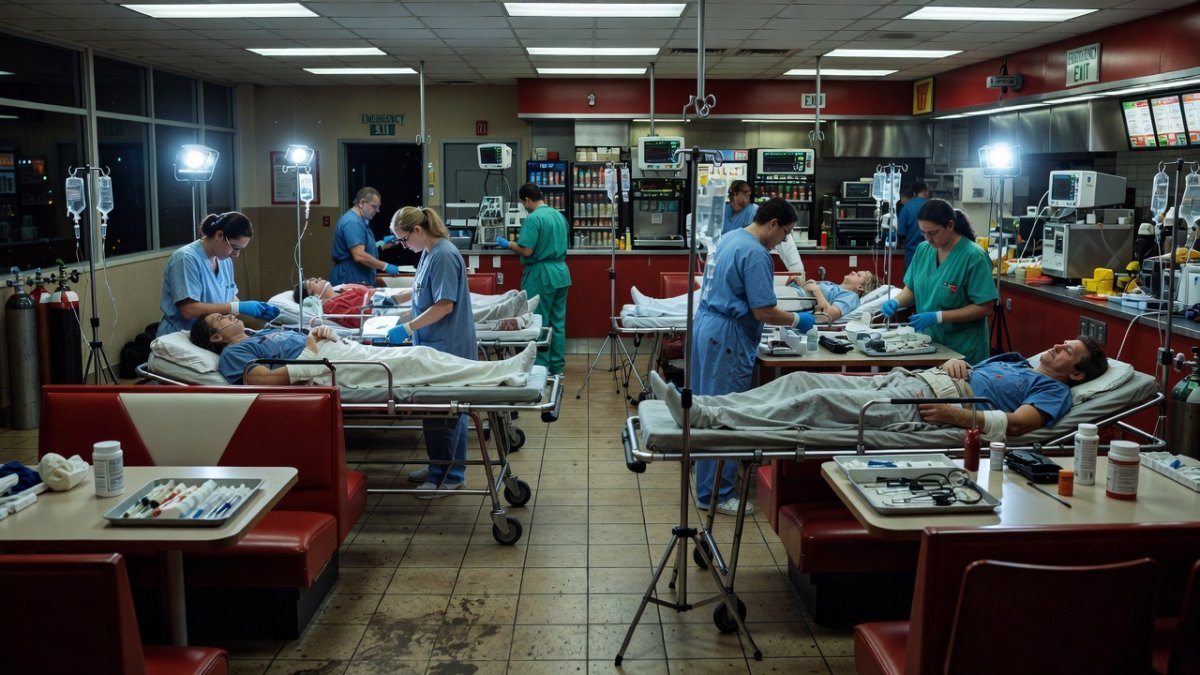
Caraballeda, La Guaira — July 10, 2026 — In the rubble-strewn streets of Caraballeda, where the twin quakes leveled 190 buildings and damaged 856 others, volunteers transformed a McDonald’s restaurant into a functioning field hospital within hours of the June 24 disaster. The Al Jazeera English report titled “Venezuela's earthquake survivors: Volunteers turn McDonald's into clinic,” published July 10, 2026, captures doctors, paramedics, veterinarians, and restaurant staff working side by side amid aftershocks recorded by FUNVISIS exceeding 1,100. This is the story of how Venezuela’s people improvised medicine when the state could not.
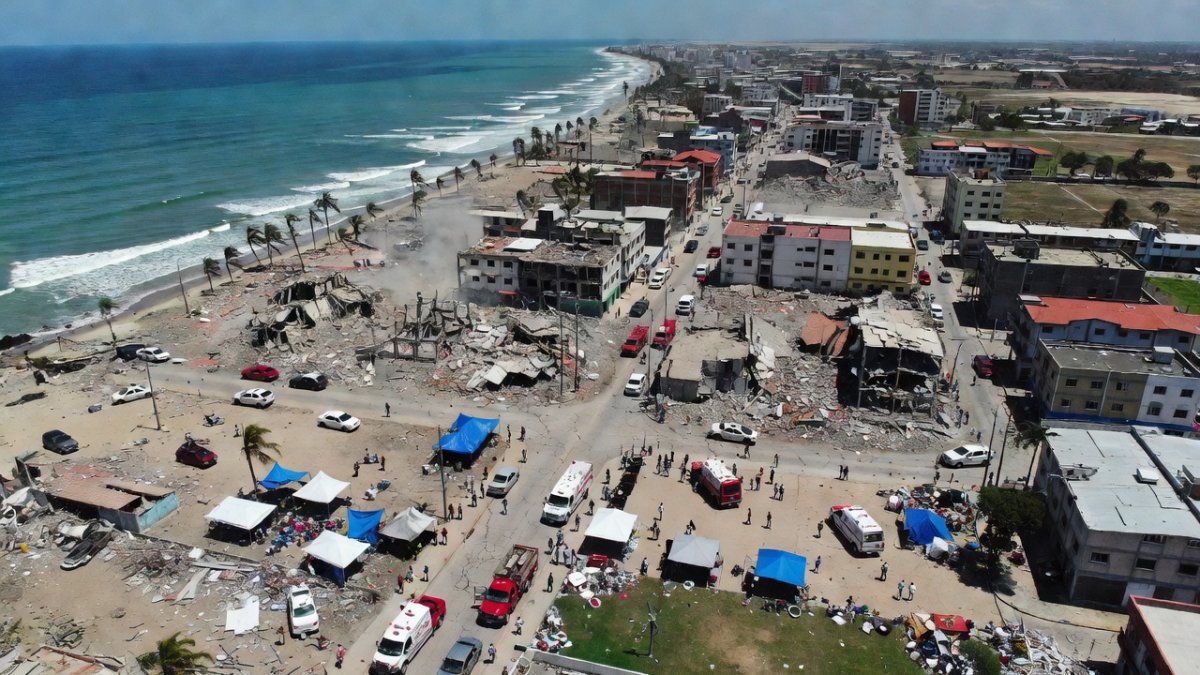
Double Disaster — Twin Quakes Hit Venezuela's Northern Coast
The June 24, 2026, twin earthquakes of 7.2 Mw and 7.5 Mw originated near La Guaira state, slamming coastal communities including Maiquetía, Naiguatá, and Caraballeda before rippling into Caracas and Yaracuy. USGS and GFZ data confirm the events occurred only 39-40 seconds apart, amplifying structural failures across the region. FUNVISIS recorded more than 1,100 aftershocks in the following weeks, keeping residents in constant fear. Over 856 buildings suffered damage and 190 collapsed entirely, while 79 temporary camps now shelter more than 10,000 displaced people. The UNDRR pegs total damages at $37 billion, a figure that rivals the combined economic losses from recent quakes in Chile and Peru. Three point nine million children lived in the affected zones, making the human cost especially acute. Latin American nations from Colombia to Mexico have long studied Venezuela’s seismic vulnerability along the Caribbean plate boundary, yet the scale of destruction here underscores how underinvestment turns natural hazards into humanitarian catastrophes. The 40 Spanish citizens among the dead highlight the international footprint of this coastal disaster.
Health Infrastructure in Ruins — Hospitals Overwhelmed
Hospitals and morgues across La Guaira reached capacity within hours of the first tremor. The historic San José Hospital in Maiquetía, standing for 138 years, was declared structurally unsafe, forcing the immediate evacuation of patients into open-air triage areas. Official figures list 3,889 dead and 16,740 injured as of July 10, with USAR teams rescuing 6,462 survivors from collapsed structures. The 6,462 rescues represent a remarkable effort amid fuel shortages and heavy rains that slowed heavy equipment deployment. Protests erupted in Caraballeda over the lack of machinery needed to reach trapped victims. Across Latin America, similar hospital collapses occurred after the 2010 Chile quake and 2017 Mexico City event, yet Venezuela’s pre-existing medicine shortages left facilities even more vulnerable. Morgues overflowed, compelling families to identify loved ones in makeshift tents. The psychological weight on medical staff grew unbearable as they treated crush injuries without adequate supplies. These overwhelmed facilities reveal how decades of regional economic pressures have eroded the very institutions meant to protect citizens during seismic events.
Improvised Medicine — McDonald's Becomes a Field Hospital
Volunteers in Caraballeda converted a McDonald’s restaurant into a fully operational field hospital, treating hundreds while aftershocks continued. Doctors, paramedics, veterinarians, and restaurant staff coordinated to create operating zones, sterilization areas, and patient wards inside the fast-food building. The Al Jazeera English report documents this extraordinary adaptation. Japanese specialists deployed 40 medical personnel with a mobile field hospital featuring laboratory, ultrasound, and X-ray capabilities backed by a $3.5 million donation. The Dominican Republic established a Type 1 field hospital at Estadio César Nieves, while Spain opened another in Parque Generalísimo Francisco de Miranda in Caracas that treated over 220 injured daily. World Central Kitchen, led by José Andrés, delivered critical food and water. Italian Red Cross posts appeared throughout La Guaira. UN agencies including IOM, UNHCR, UNFPA, WFP, and UNICEF coordinated logistics. A psychological support hotline, 0800-AYUDA-01, received thousands of calls. These grassroots and international efforts demonstrate the Latin American tradition of community solidarity that has sustained populations through repeated disasters in Colombia, Peru, and beyond.
Disease Outbreak Risk — PAHO Warns of Cholera and Measles
PAHO issued urgent warnings about cholera, typhoid, hepatitis A, and measles outbreaks inside the 79 displacement camps housing over 10,000 people. The agency requested $24 million for disease mitigation, citing Venezuela’s weakened public health infrastructure as a primary risk factor. Dr. Peter Hotez publicly highlighted the cholera threat, noting how damaged water systems and sanitation failures create ideal conditions for rapid spread. Heavy rains and fuel shortages further hampered aid delivery, leaving camps vulnerable. Similar post-quake disease surges struck Haiti after 2010 and parts of Ecuador in 2016, reminding the region that secondary health crises often exceed initial casualty counts. UNICEF and partners established child-friendly spaces while World Vision and IsraAID provided psychological support. The combination of trauma, displacement, and infectious disease risk threatens to extend suffering for months. Regional health networks across Latin America must now share lessons from Venezuela to strengthen surveillance and rapid-response protocols before the next seismic event strikes neighboring countries.
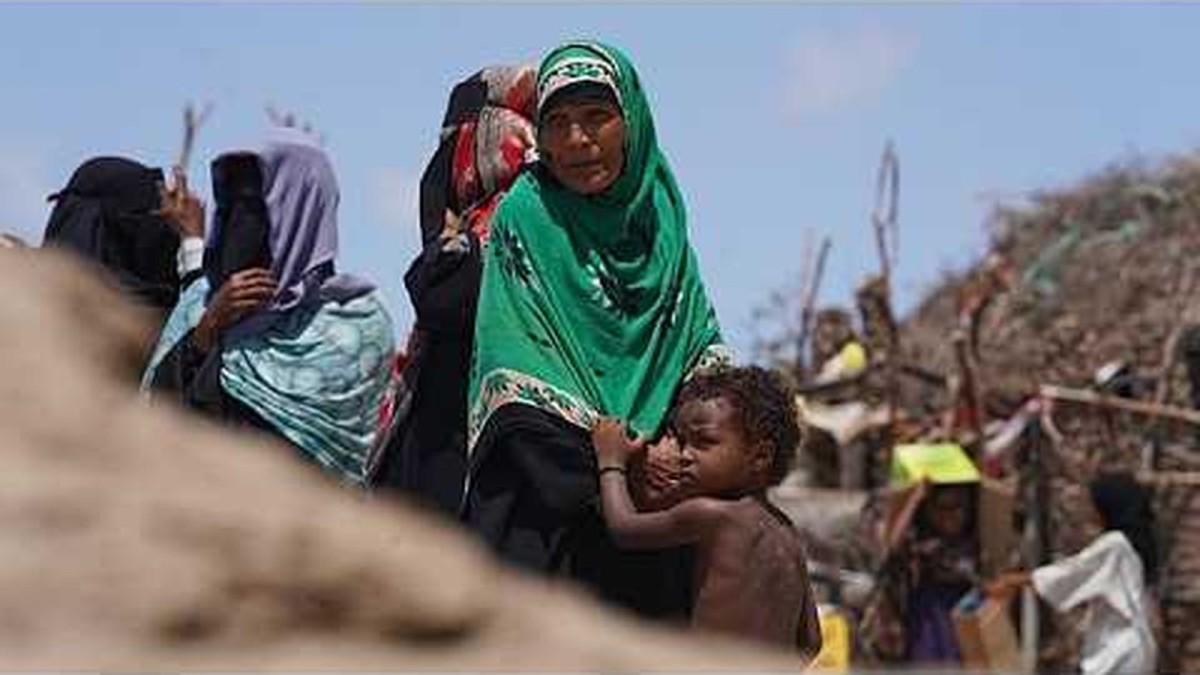
Children in Crisis — Trauma, Orphans, and Displacement Camps
Three point nine million children lived in the quake zone, and many now exhibit acute psychological trauma, with some completely stopping speaking after witnessing the collapse of their homes and schools. Pediatricians describe children’s eyes as carrying a haunting depth that stays with medical workers forever. UNICEF leads family reunification efforts and psychosocial care inside the camps, while World Vision and IsraAID deliver trauma support. Concerns about child trafficking and exploitation have risen sharply amid the displacement chaos affecting 17,854 newly homeless residents. The 79 camps, though sheltering over 10,000, lack adequate protection mechanisms. Across Latin America, child-focused responses after quakes in Chile and Mexico have proven that early intervention prevents lifelong mental health burdens. Venezuela’s crisis amplifies these regional patterns, demanding coordinated action from governments and NGOs alike. Community volunteers continue searching for missing parents while providing makeshift schooling. The resilience of these young survivors offers hope, yet without sustained investment their futures remain precarious in a nation already facing profound challenges.
State Response Under Fire — Aid Obstruction and Political Fallout
Acting President Delcy Rodríguez oversaw the government response while FUNVISIS monitored aftershocks and Jorge Rodríguez announced the official death toll of 3,889. Authorities claim 86,000 families received assistance across 90 camps, yet critics accuse officials of underreporting casualties and obstructing international aid. Delcy Rodríguez’s remark that “Los miserables quedarán enterrados” ignited widespread outrage. A $200 million emergency reconstruction fund was announced alongside heavy equipment shortages that sparked protests in Caraballeda. International donors responded with more than $200 million from the United States, $15 million from the UN CERF, plus contributions from the EU, UK, Germany, and Japan. The UN launched a $300 million appeal for over one million affected people. Eurasia Group analysts note rising public frustration that could intensify election pressure. These political tensions mirror regional experiences where disaster response becomes entangled with governance disputes, as seen in post-quake Nicaragua and Honduras. Venezuela’s ability to channel aid effectively will determine whether recovery accelerates or stalls.
The Bottom Line — What Comes Next for Venezuela's Recovery
Rebuilding Venezuela after the June 24 twin earthquakes requires more than rubble clearance; it demands a fundamental strengthening of health infrastructure and disaster preparedness across Latin America. The improvised McDonald’s clinic and international field hospitals from Japan, Spain, and the Dominican Republic proved that rapid, community-driven responses can save lives when state systems falter. Yet the PAHO warnings on cholera and measles, the trauma affecting millions of children, and the $37 billion damage estimate reveal the depth of the challenge ahead. Regional seismic experts from Chile, Peru, Colombia, and Mexico are already studying Venezuela’s experience to refine building codes and emergency protocols. Sustained funding for the $300 million UN appeal, transparent aid distribution, and expanded psychological services through hotlines like 0800-AYUDA-01 remain essential. Venezuela’s people have demonstrated remarkable resilience through volunteer medical teams and camp solidarity. The question now is whether national and international actors will match that determination with long-term investment. Without it, the next aftershock or rainy season could trigger further tragedy in a region that shares the same tectonic vulnerabilities. By Elena Vasquez, Staff Writer
This article was produced with AI-assisted research and editorial support. Reporting is based on sources cited in the article.
What's Your Reaction?
 Like
0
Like
0
 Dislike
0
Dislike
0
 Love
0
Love
0
 Funny
0
Funny
0
 Wow
0
Wow
0
 Sad
0
Sad
0
 Angry
0
Angry
0
Latin America Correspondent at Global1.News. Based in Mexico City, covering politics, economics, energy, and culture across the region. Brings an on-the-ground perspective to stories spanning from the Rio Grande to Patagonia.










Comments (0)