
Japan Registers Japanese Tea Under GI to Shield Exports
MAFF Announces Nationwide GI Registration for Japanese Tea Japan's Ministry of Agriculture, Forestry and Fisheries announced on Friday, July 10, 2026, that it had registered "Japanese tea" — known as Nihon Cha — under the country's Geographical Indication protection system. The decision marks only the second instance in which a product receives GI status irrespective of specifi
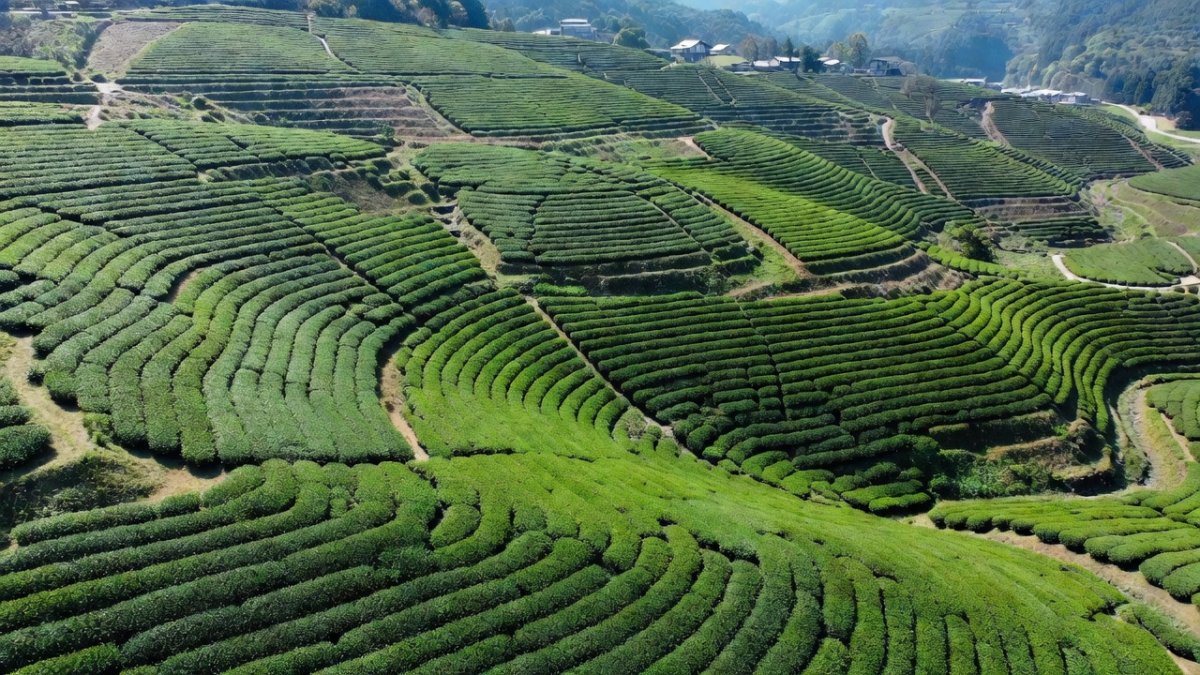
MAFF Announces Nationwide GI Registration for Japanese Tea
Japan's Ministry of Agriculture, Forestry and Fisheries announced on Friday, July 10, 2026, that it had registered "Japanese tea" — known as Nihon Cha — under the country's Geographical Indication protection system. The decision marks only the second instance in which a product receives GI status irrespective of specific production area across the entire nation, following Japanese sake which operates under the National Tax Agency. This registration applies to all green tea produced within Japan rather than limiting protection to designated regions, a departure from conventional GI frameworks that typically tie protections to narrow locales.
The Japan Tea Association submitted the application earlier in 2026, citing rising concerns over imitation products in overseas markets. On the same date, MAFF also registered "Lake Hamanako Japanese eel" from Shizuoka Prefecture and "Kaga lotus root" from Ishikawa Prefecture, bringing the total number of GI-registered products in Japan to approximately 170. Officials emphasized that the move responds directly to surging global demand for matcha while addressing competitive pressures from expanding production elsewhere.
Green tea exports reached 72.1 billion yen in 2025, with tencha — the base material for matcha — growing 2.7 times over the preceding decade to 5,336 tons in 2024. Japan's green tea export value rose 25 percent to 36.4 billion yen in 2024 alone, underscoring the economic stakes involved in securing intellectual property safeguards. The registration is expected to come into force progressively as administrative procedures are completed.
Tags: Japanese tea GI, MAFF registration, Nihon Cha, green tea exports, matcha boom, Geographical Indication Japan, Japan Tea Association, Lake Hamanako eel, Kaga lotus root, Chinese matcha competition, tea industry Japan, intellectual property
Scope and Distinctions of the Japanese Tea GI Designation
Unlike most GI registrations that restrict use to specific prefectures or terroirs, the Japanese tea designation covers the full national territory. This nationwide approach mirrors the precedent set by sake and reflects the uniform quality standards maintained through Japan's tea cultivation practices. The protection encompasses all varieties of green tea produced domestically, including sencha, gyokuro, and tencha destined for matcha processing.
MAFF documentation clarifies that the GI status functions as intellectual property recognition rather than a quality grading system. Producers must still comply with existing agricultural standards but may now invoke the GI label to differentiate authentic Japanese tea from foreign imitations in international trade. This broad geographic coverage distinguishes the tea registration from earlier GI items such as regional specialties like Yame tea or Uji tea, which retain their narrower designations.
Industry analysts note that the registration aligns with Japan's broader strategy of leveraging GI tools to protect export-oriented agricultural products. The inclusion of all domestic production areas ensures that smaller tea-growing regions benefit equally from the protection without requiring separate applications. Enforcement will rely on documentation tracing product origin back to Japanese farms and processing facilities.
Benefits and Challenges for Japanese Tea Farmers and Exporters
Japanese tea farmers stand to gain enhanced market positioning through the GI label, which signals authenticity to overseas buyers. Larger cooperatives in Shizuoka and Kagoshima prefectures anticipate streamlined export documentation, while smaller operations in emerging production zones may access premium pricing channels previously dominated by established brands. The protection is projected to support sustained investment in tencha cultivation, given the 2.7-fold production increase recorded between 2014 and 2024.
Exporters report that the GI registration will facilitate legal recourse against counterfeit matcha products flooding markets in North America and Europe. With green tea export value reaching 36.4 billion yen in 2024, the ability to enforce origin claims could preserve margins amid rising logistics costs. Trade associations expect gradual adoption of the GI mark on packaging as certification protocols are phased in over the coming months.
However, some producers express caution regarding administrative burdens associated with traceability requirements. Smaller farms may need additional resources to maintain records verifying that tea leaves originate entirely within Japan. The Japan Tea Association has indicated it will provide guidance to ensure equitable access to the new protection across all scales of operation.
Strategic Positioning Against Chinese Matcha Competition
China's rapid expansion of matcha production has intensified pressure on Japanese exporters seeking to maintain premium positioning. While Japanese tencha output reached 5,336 tons in 2024, Chinese producers have scaled operations significantly, leveraging lower costs to capture price-sensitive segments of the global market. The GI registration provides Japanese stakeholders with a legal instrument to highlight distinct cultivation methods and quality attributes that differentiate domestic tea.
Market data indicate that Japanese green tea exports grew 25 percent in value during 2024 despite increasing Chinese supply. Industry observers anticipate that the nationwide GI will reinforce consumer perceptions of Japanese matcha as a premium product, particularly in markets where origin labeling influences purchasing decisions. This differentiation strategy mirrors efforts in other agricultural sectors facing similar import competition.
Nevertheless, analysts caution that GI protection alone will not fully offset cost advantages enjoyed by Chinese producers. Japanese exporters will likely continue emphasizing traceability, sustainability certifications, and flavor consistency to retain high-value customers. The registration is viewed as one component of a multifaceted response to evolving global supply dynamics rather than a complete solution.
Comparison with Sake GI Framework and Broader Policy Context
The Japanese tea GI follows the model established for sake, which also received nationwide protection under a separate regulatory body. Both registrations depart from the region-specific norm that characterizes the majority of Japan's approximately 170 GI products. This policy choice reflects recognition that certain traditional Japanese beverages and foods derive their identity from national production standards rather than localized terroir.
Unlike sake, which falls under the National Tax Agency, the tea registration is administered directly by MAFF, aligning with agricultural export promotion priorities. Stakeholders note that the tea application benefited from lessons learned during the sake GI rollout, particularly regarding documentation standards and international trademark coordination. The parallel structure may facilitate future joint marketing initiatives between the two sectors.
Policy experts highlight that the tea registration reinforces Japan's commitment to GI tools as part of its intellectual property strategy in agriculture. With total GI registrations now near 170, the framework continues to expand while adapting to products that transcend traditional geographic boundaries. Future applications may draw on the tea precedent when nationwide characteristics justify broader protection.
Enforcement Mechanisms and Implementation Outlook
Enforcement of the Japanese tea GI will involve verification of origin through supply chain documentation and cooperation with customs authorities in key export markets. MAFF has indicated that violations will be addressed through existing intellectual property channels, including potential legal action against importers of counterfeit goods. The system is being phased in to allow producers time to integrate the GI designation into labeling and marketing materials.
International enforcement will depend on recognition of Japan's GI system under bilateral and multilateral trade agreements. Exporters anticipate that the registration will strengthen positions in ongoing negotiations over geographical indication protections in free trade pacts. Domestic monitoring will focus on preventing misuse of the "Japanese tea" label by non-compliant entities within Japan.
Longer-term outcomes will hinge on industry uptake and consumer awareness campaigns. The Japan Tea Association plans educational initiatives targeting both domestic producers and overseas distributors to maximize the registration's value. As global matcha demand continues to rise, the GI framework is positioned to support sustained growth in Japan's tea sector while safeguarding its distinctive market identity.
What to Watch For
In the coming months, the first batch of GI-certified Japanese tea products is expected to reach overseas shelves as producers complete certification processes at MAFF. Exporters in key markets including the United States, the European Union, and Southeast Asia are likely to be early adopters, given established demand for Japanese matcha in those regions. The Japan Tea Association's guidance for smaller growers will be critical in determining whether the protection benefits the entire sector or remains concentrated among larger players.
Competition with Chinese matcha producers will continue to shape the strategic landscape. While the GI registration provides a legal foundation for brand differentiation, its commercial impact will ultimately depend on how effectively the Japanese tea industry communicates the value of authenticity to global consumers. The precedent set by sake's nationwide GI — which has strengthened premium pricing for Japanese rice wine in overseas markets — offers an encouraging parallel for the tea sector.
By Kenji Tanaka, Staff Writer
This article was produced with AI-assisted research and editorial support. Reporting is based on sources cited in the article.
What's Your Reaction?
 Like
0
Like
0
 Dislike
0
Dislike
0
 Love
0
Love
0
 Funny
0
Funny
0
 Wow
0
Wow
0
 Sad
0
Sad
0
 Angry
0
Angry
0

Japan Correspondent at Global1.News. Tokyo-based voice covering Japanese politics, technology, economy, and culture. Tracks the intersection of tradition and innovation in one of the world's most dynamic societies.















Comments (0)