
Highlife: The Rhythm That Defines Ghanaian Life
Ghana's Highlife music is more than a genre — it is the rhythmic pulse of a nation, a living archive of stories, proverbs, and celebrations that has defined Ghanaian life for over a century. When UNESCO inscribed Highlife music and dance on its Representative List of the Intangible Cultural Heritage of Humanity in December 2025, it affirmed what generations of Ghanaians have al
Ghana's Highlife music is more than a genre — it is the rhythmic pulse of a nation, a living archive of stories, proverbs, and celebrations that has defined Ghanaian life for over a century. When UNESCO inscribed Highlife music and dance on its Representative List of the Intangible Cultural Heritage of Humanity in December 2025, it affirmed what generations of Ghanaians have always known: this music carries the soul of a people.
Highlife: The Rhythm That Defines Ghanaian Life
Dakar, Senegal — From the palm-wine bars of colonial Gold Coast to UNESCO's heritage list, Highlife has travelled a remarkable journey. Born in the late 19th century along Ghana's coastal cities, this genre fused indigenous Akan rhythms with brass-band traditions brought by colonial military bands, creating a sound that would echo across West Africa and beyond. In January 2026, africanews released a feature exploring how Highlife remains woven into daily Ghanaian life — not as nostalgia, but as a living cultural heartbeat.
A Century of Sound: The Birth of Highlife
Highlife originated in late 19th century along Ghana's coastal cities of the Gold Coast. Seaport communities in places like Accra and Cape Coast became the first laboratories where local musicians encountered new sounds. Colonial military bands introduced brass instruments that quickly blended with existing traditions.
The fusion of indigenous Akan rhythms with brass-band music, jazz, and calypso created the foundation of the genre. Guitar music arrived through returning migrants and sailors who carried influences from the Caribbean and the Americas. These elements merged into a distinctly Ghanaian expression that moved from the streets into ballrooms.
The name Highlife came from upscale ballroom dances attended by the colonial elite. Working-class musicians observed these events and adapted the style for wider audiences. Over time the term stuck as the music spread beyond exclusive venues.
The palm-wine acoustic era gave way to brass-band Highlife in the 1940s. Guitar-band Highlife then rose to prominence from the 1950s through the 1970s. Each phase reflected changing social conditions while preserving core rhythmic identities.
E.T. Mensah, born in 1919 and active until 1996, earned the title King of Highlife through his work with The Tempos Orchestra. Nana Ampadu composed over 800 songs with his African Brothers Band before his death in 2021. These pioneers shaped the genre's direction across decades.
Seaport communities and colonial military bands played central roles in the genre's early development. Returning migrants brought fresh ideas that enriched the sound. This constant exchange ensured Highlife remained dynamic from its earliest days.
The Rhythms That Define a Nation
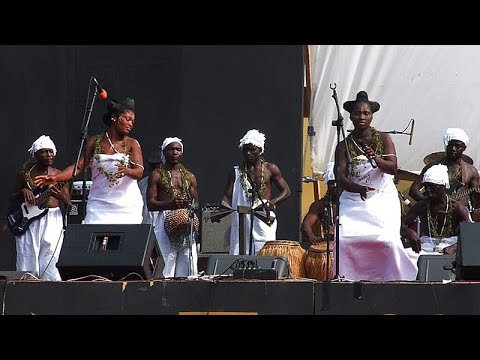
The distinctive traditional guitar rhythms that set authentic Ghanaian Highlife apart include Sikyi, Amponsah, Kwao, Akonta Gyae, and Odonson. These patterns create the unmistakable bounce that dancers recognize instantly. Musicians in Kumasi and Accra continue to master these forms today.
These rhythms draw directly from Akan traditional music such as Adowa dance forms. Traditional Akan Adowa dance forms influenced Highlife percussion patterns in lasting ways. The connection keeps the music rooted in ancestral practices even as it evolves.
The prempensiwa lute influenced Highlife bass patterns from the beginning. Its resonant tones provided the foundation for later electric bass lines. This instrument helped define the genre's warm, grounded feel.
Call-and-response vocal traditions feature prominently in Highlife. Singers and audiences engage in dialogue that mirrors everyday conversation in Twi, Ga, and Fante. This structure preserves oral history through performance.
Horn sections featuring trumpets, saxophones, and trombones remain signature Highlife elements. They layer bright melodies over steady percussion, creating arrangements that fill dance floors at weddings and festivals across the country. The combination produces the full, celebratory sound audiences expect at gatherings, from intimate family events to national stadium concerts.
Highlife serves as a living cultural archive preserving proverbs, social commentary, and oral history in local languages. Ghanaians describe the music as carrying sunsum, the spirit or soul that animates both performer and listener. This quality explains its enduring power.
UNESCO Recognition: A Global Milestone
On December 10, 2025, UNESCO's 20th Intergovernmental Committee session in New Delhi inscribed Highlife music and dance on the Representative List. The official UNESCO announcement called it a monumental expression of Ghana's musical genius, culture, and global influence. The decision marked a turning point for Ghanaian heritage protection.
The Ghana Tourism Authority and Ministry of Tourism, Culture and Creative Arts organized immediate celebrations. Officials highlighted how the recognition builds on previous successes. Kente weaving was inscribed by UNESCO in consecutive years, strengthening Ghana's overall heritage efforts.
The recognition aligns with the Black Star Experience initiative. This program promotes Ghanaian culture, arts, tourism, and creative economy growth. Highlife now serves as a flagship attraction for visitors seeking authentic experiences.
MUSIGA and Showbiz Africa organized The Authentic Highlife Night events across major cities. These gatherings brought together veteran artists and new audiences. The events demonstrated how the genre continues to thrive in live settings.
Younger musicians received direct encouragement to study traditional rhythms such as Sikyi and Amponsah. This focus on authenticity ensures the music retains its core identity. The UNESCO listing provides institutional support for such transmission efforts.
The inscription also opens doors for international collaborations. Ghanaian delegations now present Highlife at global cultural forums. This visibility strengthens the country's position in the creative economy.
The Legends Who Carried the Torch
E.T. Mensah, who lived from 1919 to 1996, became known universally as the King of Highlife. His work with The Tempos Orchestra popularized the genre across West Africa after World War II. His recordings remain reference points for musicians today.
Nana Ampadu composed over 800 songs before his death in 2021. His African Brothers Band delivered sharp social commentary through memorable melodies. His catalog stands as one of the largest in Ghanaian music history.
Amakye Dede earned the title Highlife King of Africa through high-energy performances. His hit Dabi Dabi Ebeye Yie captured the optimistic spirit of many Ghanaians. He kept the guitar-band tradition alive into later decades.
Kojo Antwi pioneered burger highlife by blending the genre with reggae and pop. His fusion approach attracted new listeners while respecting traditional structures. He expanded Highlife's reach among diaspora communities.
Ebo Taylor died in February 2026 at age 90. The music world paid tribute to his innovative guitar work and arrangements. His contributions bridged early Highlife with later experimental forms.
Osibisa internationalized Highlife in the 1970s through rock and funk fusions. The band carried Ghanaian rhythms to global stages. Their success paved the way for later African artists seeking international audiences.
Highlife's Living Legacy Across Africa
Highlife influenced Nigerian Juju music, Congolese soukous and rumba, and Afrobeats. Some trace Afrobeats directly back to Ghanaian Highlife through the work of E.T. Mensah and Osibisa. The rhythmic foundations traveled with musicians across borders.
Modern interpreters continue to create Highlife-hip-hop and Highlife-R&B fusions. These experiments keep the genre relevant to younger listeners. The core rhythms remain recognizable even in new arrangements.
Many observers note that Afrobeats was coined from Highlife, and Highlife originated in Ghana. This lineage gives Ghanaian artists a sense of pride in the continent's current musical landscape. The connection reinforces cultural confidence.
The genre spread to Sierra Leone, Liberia, and Nigeria where each nation developed its own variant. Local languages and additional instruments shaped these regional expressions. Highlife became a shared West African language.
Highlife played a central role in Ghanaian independence celebrations. It also contributed to broader Pan-African cultural identity. The music carried messages of unity and self-determination during key historical moments.
Today the genre continues to serve as Ghana's most enduring cultural export. Its influence appears in unexpected places across the continent. This reach demonstrates the lasting power of its foundational rhythms.
What to Watch For
The UNESCO recognition has accelerated efforts to safeguard and transmit Highlife to younger generations. Music schools in Accra now include traditional rhythm workshops in their curricula. This structured approach complements informal learning at family gatherings.
Young Ghanaian musicians receive encouragement to study and incorporate traditional rhythms such as Sikyi and Amponsah. Maintaining authenticity remains a priority even as new fusions emerge. The balance between preservation and innovation defines current practice.
A lively debate continues about who carries the King of Highlife legacy forward. Kuami Eugene and other contemporary artists receive attention for their contributions. Audiences weigh commercial success against fidelity to classic forms.
Ghana Culture Week launched March 13, 2026 in Accra. The event celebrated the country's rich heritage with multiple Highlife performances. It provided a platform for both established and emerging artists.
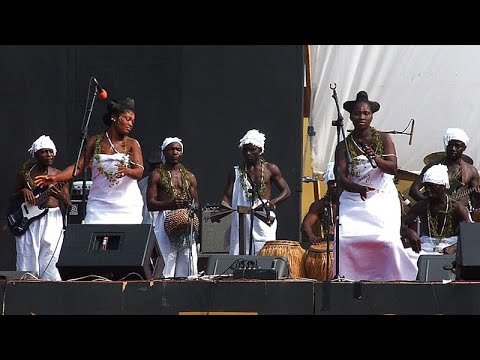
Highlife continues to play at weddings, outdooring ceremonies, funerals, and political rallies across Ghana. Its presence at these occasions confirms its role as everyday cultural infrastructure. The music marks life's milestones for communities nationwide.
The ongoing evolution of Highlife ensures it remains Ghana's most enduring cultural export. New recordings and live shows demonstrate its adaptability to changing times while maintaining its core identity. The genre's future looks secure as long as practitioners continue to honor its rich rhythmic foundations while exploring new creative frontiers.
By Amara Diop, Staff Writer
This article was produced with AI-assisted research and editorial support. Reporting is based on sources cited in the article.
What's Your Reaction?
 Like
0
Like
0
 Dislike
0
Dislike
0
 Love
0
Love
0
 Funny
0
Funny
0
 Wow
0
Wow
0
 Sad
0
Sad
0
 Angry
0
Angry
0

West Africa/Sahel Correspondent at Global1.News. Dakar-based journalist covering politics, security, climate, and development across Francophone and Anglophone West Africa. Tells the stories of a region undergoing profound transformation.










Comments (0)