
Retail spending fell in March as consumers pull back
Retail Sales Drop Signals Consumer Caution The Commerce Department reported on Friday that retail sales fell by 1% in March from the prior month. This decline exceeded the 0.4% drop forecasted by Refinitiv and surpassed the revised 0.2% decline recorded in February. Seasonally adjusted figures, which exclude inflation adjustments, highlighted a clear pullback in consumer activi
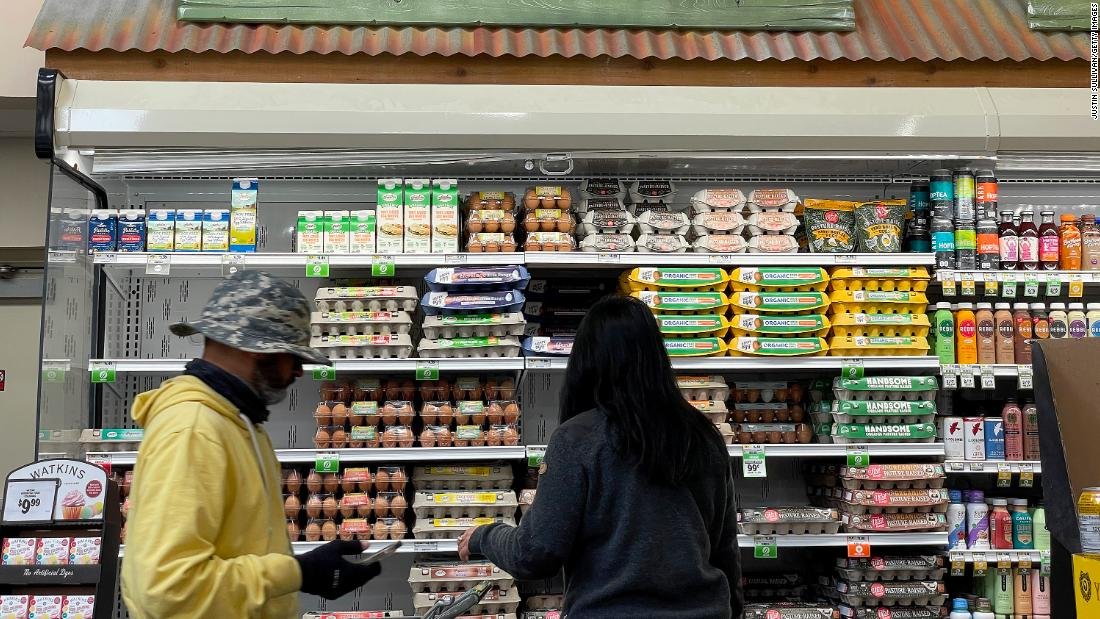
Retail Sales Drop Signals Consumer Caution
The Commerce Department reported on Friday that retail sales fell by 1% in March from the prior month. This decline exceeded the 0.4% drop forecasted by Refinitiv and surpassed the revised 0.2% decline recorded in February. Seasonally adjusted figures, which exclude inflation adjustments, highlighted a clear pullback in consumer activity following the banking crisis.
Investors attributed part of this weakness to delayed tax returns and growing concerns over a cooling labor market. The data painted a picture of households tightening their belts amid heightened uncertainty. Retail spending still managed a 2.9% year-over-year increase despite the monthly setback.
Excluding gas station sales, overall retail spending retreated 0.6% in March compared with February. This metric underscored how specific categories drove the broader contraction. Analysts noted the figures reflected real behavioral shifts rather than temporary noise.
The steeper-than-expected decline raised questions about the durability of consumer resilience. March data arrived at a sensitive moment when recession fears intensified. These numbers set the stage for closer scrutiny of household finances in coming reports.
Tax Refund Shortfall Hits Household Budgets
The IRS issued $84 billion in tax refunds during March, roughly $25 billion less than the amount distributed in March 2022 according to BofA analysts. This shortfall directly curtailed discretionary spending at department stores and on durable goods such as appliances and furniture. Consumers who anticipated larger refunds found themselves with reduced cash flow.
Smaller tax returns combined with the expiration of enhanced food assistance benefits to restrain March outlays. Economists pointed to these twin factors as primary drivers behind the retail contraction. Households adjusted their purchasing patterns in response to the lower inflows.
Aditya Bhave, senior US economist at BofA Global Research, emphasized that March represents a critical period for refund-related spending. Many consumers had budgeted based on prior-year experiences. The gap between expectations and reality prompted immediate cutbacks.
Credit and debit card spending per household tracked by Bank of America researchers slowed to its weakest pace in more than two years. This moderation aligned precisely with the timing of smaller refunds and expired benefits. The data reinforced how fiscal timing influences monthly consumption patterns.
Sector-Level Declines Reveal Spending Priorities
Spending at general merchandise stores dropped 3% in March from the previous month. This category captured the broad retreat across everyday retail channels. Shoppers deferred purchases as refund dollars fell short of projections.
Gas station sales declined 5.5% over the same period, contributing significantly to the headline retail figure. Lower fuel outlays reflected both price movements and reduced driving activity. When gas stations were excluded, the remaining retail contraction measured 0.6%.
Durable goods categories including appliances and furniture experienced notable pullbacks tied to the refund shortfall. Department store traffic also softened as households prioritized essentials. These targeted declines illustrated how specific income shocks ripple through retail segments.
Year-over-year comparisons still showed a 2.9% rise in overall retail spending. This longer-term view suggested underlying demand had not collapsed entirely. Monthly volatility nevertheless dominated the narrative for March.
Wage Growth Moderates Amid Labor Market Shifts
Average hourly earnings grew 4.2% in March from a year earlier, down from the prior month's 4.6% annualized increase. This marked the smallest annual rise since June 2021 according to Bureau of Labor Statistics figures. Slower wage gains added pressure on household purchasing power.
The Employment Cost Index has similarly indicated that worker pay gains moderated throughout the past year. Comprehensive measures of compensation confirmed the trend of cooling momentum. Employers appeared more restrained in compensation adjustments.
Bank of America Institute analysis linked the spending slowdown to smaller refunds, expired benefits, and this moderating wage growth. Households faced a convergence of headwinds that limited their capacity to maintain prior spending levels. The combination produced measurable restraint in March.
These wage trends occurred against a backdrop of still-positive income growth overall. The moderation signaled a transition rather than an outright reversal. Future data releases will clarify whether the pattern persists.
Job Market Remains Solid Despite Cooling Momentum
Employers added 236,000 jobs in March, a robust gain by historical standards yet below the average monthly pace of the prior six months. Bureau of Labor Statistics data showed the labor market retained strength even as it lost some steam. This level of hiring continued to support consumer balance sheets.
The latest JOLTS report indicated available jobs remained elevated in February but stood more than 17% below the peak of 12 million recorded in March 2022. Revised data also showed weekly unemployment claims running higher than previously reported. These metrics pointed to gradual softening in labor demand.
Michelle Meyer, North America chief economist at Mastercard Economics Institute, noted the big picture remains favorable for consumers when considering income growth, balance sheets, and labor market health. Solid job gains could sustain spending in upcoming months despite March's retail dip.
Economists at the Federal Reserve anticipate the economy may enter recession later this year as lagged effects of higher interest rates intensify. Pre-existing forecasts already incorporated subdued growth and recession risks before the Silicon Valley Bank and Signature Bank collapses. The labor market's trajectory will influence whether those risks materialize.
Banking Turbulence Produces Limited Immediate Effects
Consumer sentiment tracked by the University of Michigan worsened slightly in March amid the bank failures. The deterioration had already begun before the March events, suggesting pre-existing concerns. Sentiment readings captured the initial reaction to financial sector stress.
Effects on consumers from the banking industry turbulence remained limited through the end of March. Deposit stability and continued access to credit prevented broader disruptions. Households largely maintained their financial routines despite headline volatility.
Fed economists had projected subdued growth with recession risks even prior to the bank collapses. The additional uncertainty from March events layered onto an already cautious outlook. Consumers absorbed the news without immediate large-scale behavioral changes.
Revised unemployment claims data and the JOLTS decline reinforced perceptions of a labor market transitioning. These developments occurred alongside the banking developments but did not trigger sharp consumer retrenchment. The combination shaped a measured response in spending patterns.
Consumer Sentiment Holds Steady in April
The latest University of Michigan consumer sentiment reading showed sentiment held steady in April despite the banking crisis. Higher gas prices pushed year-ahead inflation expectations up a full percentage point from 3.6% in March to 4.6% in April. This shift reflected sensitivity to energy costs rather than broad economic panic.
Joanne Hsu, director of the surveys of consumers at the University of Michigan, stated that consumers did not perceive material changes in the economic environment in April. Expectations of a downturn persisted without the extreme pessimism seen last summer. Households appeared to be waiting for further developments.
Sentiment data indicated consumers anticipated potential weakness but maintained a less dismal view than in prior periods. The steady April reading suggested resilience in the face of multiple shocks. Inflation expectations nevertheless moved higher on gas price pressures.
These sentiment trends aligned with the observed retail spending contraction in March. Households adjusted behavior modestly while retaining overall confidence in their financial positions. Future releases will reveal whether this equilibrium continues.
Outlook Points to Sustained Monitoring of Consumer Trends
The convergence of smaller tax refunds, expired benefits, moderating wages, and banking uncertainty produced a clear March retail decline. Specific data points including the 1% drop, 3% merchandise fall, and 5.5% gas station decline quantified the pullback. Year-over-year growth of 2.9% offered a counterbalancing perspective.
Labor market indicators such as 236,000 March job additions and the 17% decline in openings from the 12 million peak provided context for future spending capacity. Wage growth at 4.2% represented the slowest annual pace since June 2021. These elements together shape expectations for coming months.
Analysts from BofA and Mastercard Economics Institute highlighted both the headwinds and remaining supports for consumers. The solid job market and household balance sheets could buffer against further weakness. Continued tracking of retail figures and sentiment will clarify the trajectory.
March's data underscored how fiscal timing and labor dynamics intersect to influence spending. The 0.6% decline excluding gas stations isolated the core retail weakness. Observers will watch whether April and May readings show stabilization or continued moderation.
By Jessica Ali, Staff WriterThis article was produced with AI-assisted research and editorial support. Reporting is based on sources cited in the article.
What's Your Reaction?
 Like
0
Like
0
 Dislike
0
Dislike
0
 Love
0
Love
0
 Funny
0
Funny
0
 Wow
0
Wow
0
 Sad
0
Sad
0
 Angry
0
Angry
0

Editor-in-Chief at Global1.News. Atlanta-based journalist who cuts through the BS and tells it like it is. Lead anchor, host, and the voice you hear when the spin stops and the truth starts.















Comments (0)