
Japan Police Ink Pact with E-Commerce Firms to Share Information
Japan NPA Signs Fraud Pact with Mercari Rakuten LY Corp Japan's digital marketplace has expanded rapidly, driven by platforms operated by major domestic companies. This growth has also attracted fraudulent activity, particularly credit card misuse. The National Police Agency has documented annual losses exceeding 50 billion yen from such crimes, including cases involving stolen
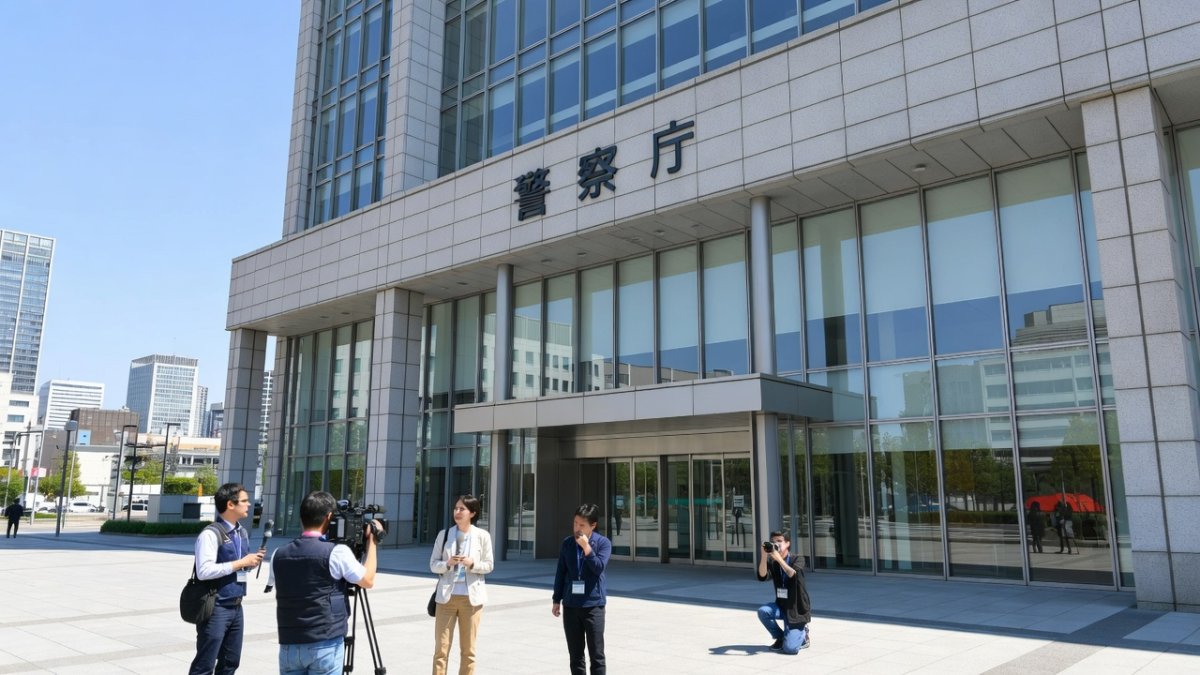
Japan NPA Signs Fraud Pact with Mercari Rakuten LY Corp
Japan's digital marketplace has expanded rapidly, driven by platforms operated by major domestic companies. This growth has also attracted fraudulent activity, particularly credit card misuse. The National Police Agency has documented annual losses exceeding 50 billion yen from such crimes, including cases involving stolen card numbers.
Corporate Japan, including firms such as Rakuten Group Inc., has built extensive online ecosystems that now face coordinated threats from organized groups. The July 9, 2026 agreement represents a structured response rather than an immediate operational shift.
Details of the July 2026 Agreement
On July 9, 2026, the National Police Agency formalized an information-sharing pact with three operators: Mercari Inc., LY Corp., and Rakuten Group Inc. The arrangement covers all e-commerce services these companies provide, encompassing online shopping marketplaces and auction platforms.
Under the terms, the companies will supply data on accounts, credit cards, and shipping addresses linked to confirmed fraudulent transactions. These reports originate from merchant notifications or customer complaints regarding undelivered items. The NPA will then cross-reference this information against existing records to identify patterns spanning multiple services.
Operational Mechanics of Data Exchange
The process begins when an operator detects suspicious activity. Relevant details are forwarded to the NPA for analysis. When the agency identifies a high risk of spreading damage—such as multiple buyers sharing a single shipping address or unusually large purchases by one account—it transmits targeted alerts back to the firms.
These alerts enable the companies to notify users, suspend accounts, or halt product deliveries. The NPA will also distribute broader preventive intelligence, including trends in high-liquidity goods frequently targeted by fraudsters and common scam techniques observed nationwide.

Role of Prefectural Police and Investigations
Information gathered through the pact will be distributed to prefectural police departments throughout Japan. This supports local investigations by providing consolidated data that individual forces might not otherwise access quickly.
The approach aligns with Japan's centralized coordination model, where the National Police Agency serves as the primary hub for cross-jurisdictional analysis while prefectural units handle on-the-ground enforcement.
Implications for Major Japanese E-Commerce Operators
Mercari, LY Corp., and Rakuten Group operate services used by millions of Japanese consumers daily. The agreement allows these firms to integrate external law-enforcement insights directly into their internal risk systems without requiring new legislation.
By receiving timely indicators of organized fraud, the companies can refine their existing monitoring protocols. This collaboration reflects standard practice among large Japanese corporations seeking to protect platform integrity while complying with regulatory expectations from bodies such as the Ministry of Economy, Trade and Industry.
Outlook and Limitations of the Current Framework
The pact establishes a formal channel for rapid information flow, yet its effectiveness will depend on the speed and quality of data exchanged in practice. An NPA official noted the goal of curbing damage through swift sharing and joint countermeasure development.
Because the agreement was signed on July 9, 2026, full operational routines are still being phased in. Observers will monitor whether similar arrangements expand to additional platforms or whether further refinements are required to address evolving fraud methods.
Tags: Japan National Police Agency, Mercari, Rakuten, LY Corp, e-commerce fraud, credit card fraud, information sharing
By Kenji Tanaka, Staff Writer
This article was produced with AI-assisted research and editorial support. Reporting is based on sources cited in the article.
What's Your Reaction?
 Like
0
Like
0
 Dislike
0
Dislike
0
 Love
0
Love
0
 Funny
0
Funny
0
 Wow
0
Wow
0
 Sad
0
Sad
0
 Angry
0
Angry
0

Japan Correspondent at Global1.News. Tokyo-based voice covering Japanese politics, technology, economy, and culture. Tracks the intersection of tradition and innovation in one of the world's most dynamic societies.















Comments (0)