
Amazon Deforestation Hits Decade Low Under Lula as Enforcement Delivers Real Results
Brazil's Amazon rainforest has recorded its lowest deforestation level in a decade, with INPE DETER alerts falling to just 1,295 km² in the first half of 2026 — a 38 percent drop from the same period last year. The milestone, announced by Brazil's National Institute for Space Research on July 10, marks President Luiz Inácio Lula da Silva's most significant environmental achieve
Brazil's Amazon rainforest has recorded its lowest deforestation level in a decade, with INPE DETER alerts falling to just 1,295 km² in the first half of 2026 — a 38 percent drop from the same period last year. The milestone, announced by Brazil's National Institute for Space Research on July 10, marks President Luiz Inácio Lula da Silva's most significant environmental achievement as he pursues a pledge of zero illegal deforestation by 2030. For Latin America's largest rainforest nation, the data signals that restored enforcement capacity and Indigenous territorial rights can reverse the destruction that peaked under the previous administration.
Amazon Deforestation Hits Decade Low Under Lula as Enforcement Delivers Results
Brasília, Brazil – July 11, 2026 — The latest satellite monitoring from INPE's DETER system confirms a decisive shift in Brazil's battle to protect the world's largest tropical forest. The 1,295 square kilometers cleared between January and June represents the lowest alert total since the DETER series began in 2016, driven by restored IBAMA enforcement budgets, Indigenous territorial protections, and financial restrictions on illegal actors.
Deforestation Hits Decade Low Under Lula
The numbers tell an unmistakable story of progress. INPE DETER data for January-June 2026 show only 1,295 km² of deforestation alerts across the Legal Amazon, the lowest total recorded since the system began in 2016. This represents a 38% drop compared with the same period in 2025. June alone delivered 297.26 km², down 35% from 457.61 km² the previous year. In the Cerrado, alerts reached 3,142 km², a 6% decline and the lowest figure since 2021. Combined Amazon and Cerrado losses totaled roughly 4,437 km². PRODES satellite data confirm a 69.7% reduction in deforestation across the Legal Amazon between 2022 and 2025. These figures arrive as President Lula da Silva pursues his pledge of zero illegal deforestation by 2030. Residents featured in the Al Jazeera English video “Residents of Brazil’s Amazon decry deadly deforestation disaster” still voice daily fears, yet the trajectory has shifted decisively. Latin America watches closely: Brazil holds the largest share of the world’s tropical forest, and its success or failure shapes climate stability for the entire continent. Every hectare saved protects rainfall patterns that feed agriculture from Argentina to Colombia.
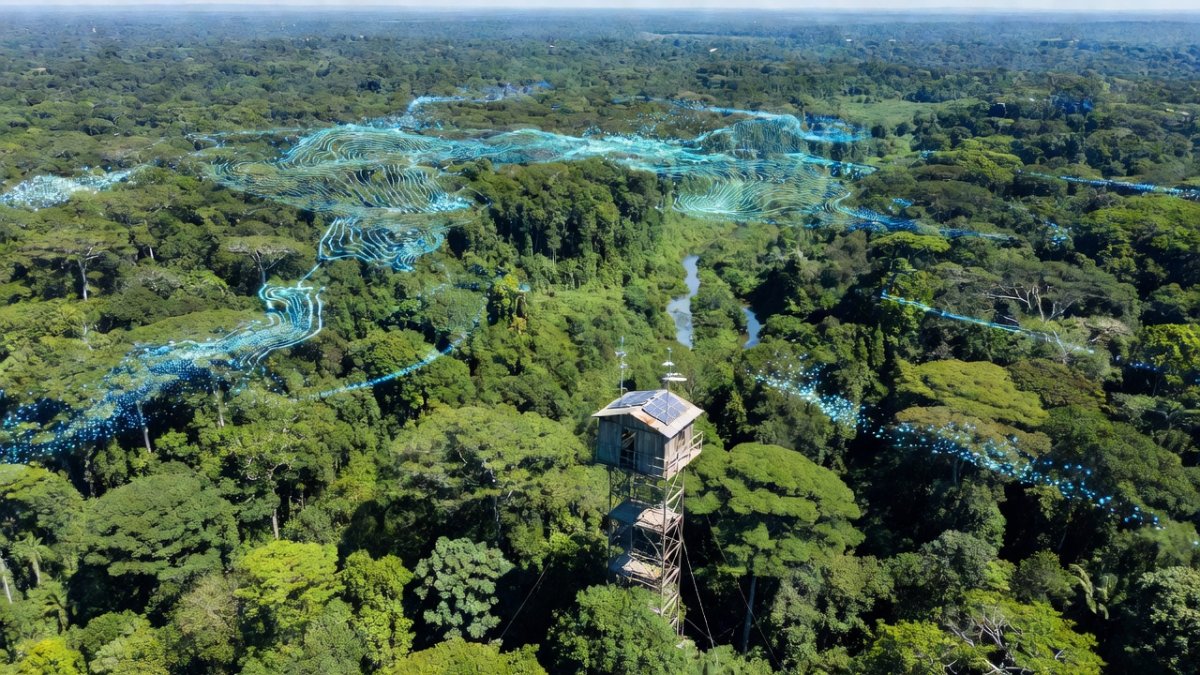
The decline is not accidental. Restored satellite monitoring, field operations, and credit restrictions have combined to choke off the most destructive fronts. Lula’s administration has made enforcement visible again, sending a clear signal that the era of unchecked clearing has ended. For Indigenous communities and traditional populations, these reductions represent breathing room after years of accelerating loss. The data also reveal that gains remain fragile and must be defended every month. Still, the first-half 2026 results mark the strongest evidence yet that political will can reverse the destruction that peaked under the previous government. Latin American nations now have a concrete benchmark to measure their own commitments against Brazil’s renewed leadership.
Indigenous Territories Lead the Recovery
The creation of the Ministry of Indigenous Peoples has transformed the federal response. Between 11 and 20 new Indigenous territories have received formal recognition, expanding legal protection over millions of hectares. In the Yanomami territory alone, authorities carried out more than 10,800 enforcement actions, inflicting R$746 million in losses on illegal mining operations. These operations directly confront mercury contamination that has poisoned rivers and communities for years. The ministry’s presence has allowed Indigenous brigades to work alongside IBAMA agents, combining ancestral knowledge with modern surveillance. Across Latin America, similar models are being studied because Indigenous stewardship consistently delivers lower deforestation rates than surrounding areas. The Yanomami results prove that targeted, sustained pressure can dismantle entrenched mining networks even in remote regions. Mercury levels remain dangerously high in many waterways, yet the flow of new equipment and miners has slowed dramatically. Recognition of additional territories strengthens the buffer around the most biodiverse zones. Lula’s government has tied these protections to broader regional diplomacy, urging neighboring countries to adopt comparable legal frameworks. The human cost of past inaction is still visible in health clinics treating contaminated children, but the institutional shift offers genuine hope that future generations will inherit cleaner lands and stronger rights.

Policy Turnaround: From Bolsonaro to Lula's Enforcement
IBAMA’s budget has been restored and staffing rebuilt after years of deliberate weakening. Fines once ignored are being reissued and collected, while credit restrictions now block financing for properties with illegal clearing. The dismantling of Bolsonaro-era rules that loosened licensing and reduced oversight has removed the legal loopholes that fueled record losses. PRODES data showing the 69.7% reduction between 2022 and 2025 directly measure the impact of these reversals. Lula’s zero illegal deforestation by 2030 pledge is backed by concrete operational changes rather than rhetoric alone. Across Latin America, governments are noting how quickly enforcement capacity can be rebuilt when political priority shifts. The contrast with the previous administration could not be sharper: where fines were suspended and agencies starved, today’s teams operate with renewed resources and clear mandates. This turnaround protects not only forests but also the rule of law that agribusiness itself ultimately depends upon. Without consistent policy, the gains recorded in 2026 would evaporate within a single dry season.
Organized Crime and the Illegal Economy
PCC and Comando Vermelho factions now dominate supply chains feeding illegal mining and logging. These groups have adapted quickly, shifting routes and using front companies to launder gold and timber. The R$746 million in losses inflicted on Yanomami operations disrupted one major corridor, yet criminal networks continue to test weaker borders. Mercury contamination persists because dismantled equipment is often replaced within weeks. Latin America’s largest economies face the same challenge: when state presence retreats, organized crime fills the vacuum. Lula’s administration has responded with coordinated federal-police and environmental-agency task forces that target both the miners and the financiers behind them. The 1,295 km² alert total would be far higher without these efforts. Still, the criminal economy’s resilience means enforcement must remain constant. Indigenous territories remain the front line where state and criminal actors collide most violently. Success here determines whether the 38% drop can be sustained or whether crime will erode the progress already achieved.
El Niño Threatens Hard-Won Gains
El Niño and La Niña cycles have left vast areas of degraded forest carrying heavy fuel loads. The second half of 2026 therefore carries elevated fire risk even as deforestation alerts remain low. Indigenous brigades trained under the new ministry are conducting year-round vigilance, yet resources are stretched. The 3,142 km² Cerrado figure already reflects some drought stress. Without continued investment in prevention, a single intense fire season could erase months of enforcement gains. Latin American climate scientists warn that the Amazon’s tipping point draws closer each year these extremes intensify. Lula’s team has linked fire monitoring to the zero-deforestation target, recognizing that burned areas often become the next sites of illegal clearing. The 297.26 km² June result shows what is possible when operations continue through the dry months. Sustaining that intensity through the coming El Niño window will test every restored institution.
Election Year: Amazon as Political Battleground
In an election year, Lula’s environmental record has become the central political divide. Ruralist opposition and agribusiness lobbies are pushing hard for weaker licensing rules and reduced Indigenous protections. They cite short-term economic pressures while ignoring the 69.7% PRODES reduction that demonstrates enforcement and growth can coexist. Voters across the Legal Amazon will decide whether the 1,295 km² result represents a lasting shift or a temporary pause. Latin America’s progressive governments see Brazil’s outcome as a referendum on whether environmental policy can survive electoral cycles. The stakes extend far beyond national borders: weakened laws here would encourage similar rollbacks elsewhere. Lula’s coalition must therefore translate the data into a compelling electoral narrative that links forest protection to jobs, health, and regional stability.
The Bottom Line — What Comes Next
The path to zero illegal deforestation by 2030 remains narrow. Organized crime continues adapting, election-year pressures are intensifying, and climate extremes threaten to undo monthly gains. Yet the 38% drop, the 69.7% PRODES reduction, and the Yanomami enforcement results prove that reversal is possible when institutions are funded and Indigenous rights are respected. Latin America cannot afford a return to the previous decade’s destruction. Brazil’s 2026 numbers offer the clearest evidence yet that political choices determine whether the Amazon survives as a living system or becomes fragmented savanna. There will be no second chances if these gains are squandered. By Elena Vasquez, Staff Writer
This article was produced with AI-assisted research and editorial support. Reporting is based on sources cited in the article.
What's Your Reaction?
 Like
0
Like
0
 Dislike
0
Dislike
0
 Love
0
Love
0
 Funny
0
Funny
0
 Wow
0
Wow
0
 Sad
0
Sad
0
 Angry
0
Angry
0

Latin America Correspondent at Global1.News. Based in Mexico City, covering politics, economics, energy, and culture across the region. Brings an on-the-ground perspective to stories spanning from the Rio Grande to Patagonia.













Comments (0)