
Shizuoka Approves Linear Chuo Shinkansen Maglev Construction
Shizuoka Governor Yasutomo Suzuki announced on July 7 2026 that JR Central may begin construction of the Shizuoka section of the Linear Chuo Shinkansen. The decision ends a nine-year impasse that began in 2017 when environmental concerns over the Oi River halted progress on the Tokyo-Nagoya segment. The approval follows renewed talks between the prefecture and JR Central after
Shizuoka Governor Yasutomo Suzuki announced on July 7 2026 that JR Central may begin construction of the Shizuoka section of the Linear Chuo Shinkansen. The decision ends a nine-year impasse that began in 2017 when environmental concerns over the Oi River halted progress on the Tokyo-Nagoya segment.
The approval follows renewed talks between the prefecture and JR Central after Governor Suzuki took office in 2024. An environmental preservation agreement is scheduled for signing later in July 2026.
Next-Generation Maglev Technology
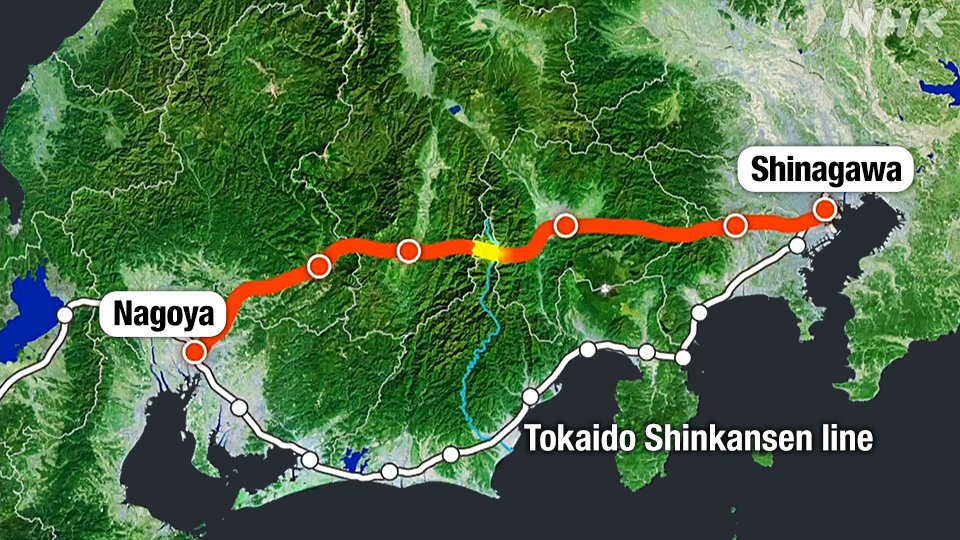
The Linear Chuo Shinkansen employs superconducting maglev technology known as SCMaglev. Trains are designed to reach 500 km/h on a 286 km route from Tokyo's Shinagawa Station to Nagoya. Nearly 90 percent of the alignment will pass through tunnels because of Japan's mountainous terrain.
Travel time between Tokyo and Nagoya will fall from roughly 90 minutes on the existing Tokaido Shinkansen to about 40 minutes. The line is later planned to reach Osaka, reducing that journey from 2.5 hours to 67 minutes.
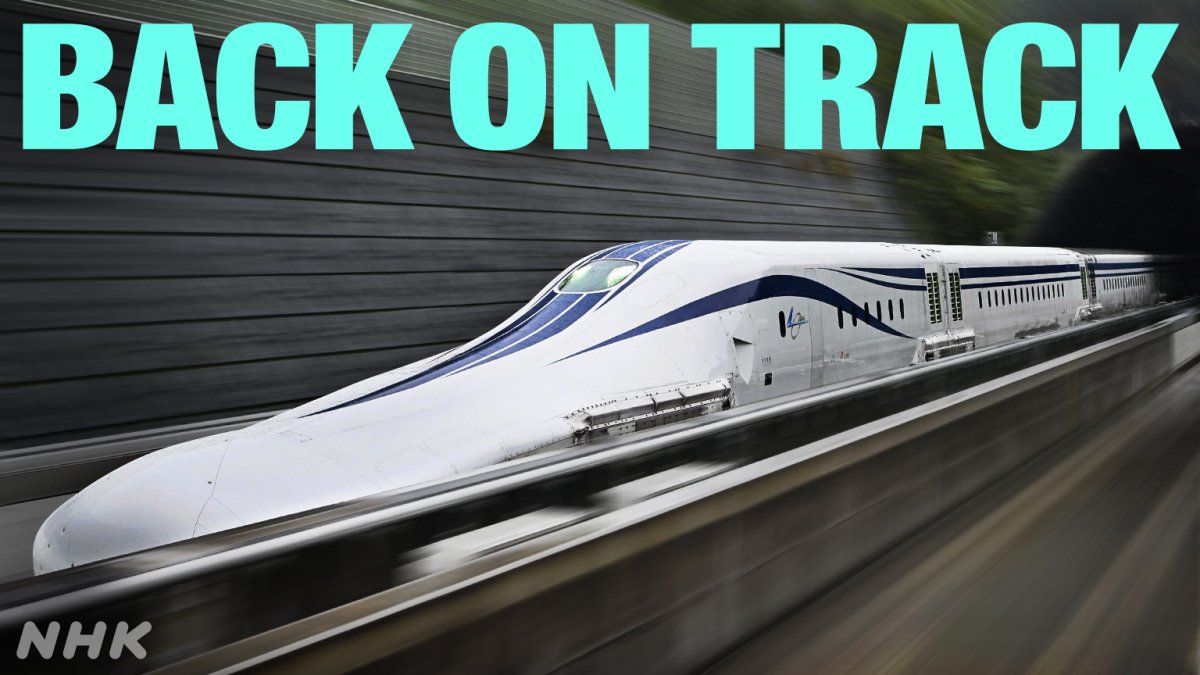
JR Central's M10 test train completed demonstration runs in November 2025. The Shinagawa-Nagoya section carries an estimated cost of 11 trillion yen, up from 5.5 trillion yen in 2014 because of higher material and labor expenses.
The Decade-Long Dispute Over the Oi River
Former Governor Kawakatsu Heita blocked construction from 2017 onward, citing the risk that tunneling could reduce Oi River flow by as much as two tons per second. The river is a vital water source for homes, farms, and factories in Shizuoka Prefecture. Local residents, including sake brewer Aoshima Takashi and tea farmer Saito Katsuo, expressed ongoing worries about water availability for irrigation and production.
Governor Suzuki, elected in 2024, reopened dialogue with JR Central. The company agreed to compensate for any verified water-resource impacts and to increase Tokaido Shinkansen stops at stations inside Shizuoka Prefecture. These commitments cleared the way for the July 2026 approval.
Economic and Strategic Implications for Japan
The project is designated a national strategic project by the Japanese government. Estimated economic benefits for the first phase alone reach at least 18.6 trillion yen (approximately $114 billion). Business leaders in Shizuoka, including Shizuoka Chamber of Commerce head Kishida Hiroyuki, expect higher tourism and regional revitalization from the additional Shinkansen services.
The maglev route also supplies a disaster-resilient alternative to the Tokaido Shinkansen, which faces elevated risk from a possible Nankai Trough megathrust earthquake. The Pacific Coast corridor is considered highly vulnerable, and the inland maglev route would provide a critical backup for Japan's national rail network. Construction inside Shizuoka Prefecture is projected to require more than ten years.
Remaining Challenges: Timeline, Costs, and Environmental Concerns
Although the prefectural approval removes the principal local obstacle, technical and environmental issues persist. Past incidents include road buckling in Shinagawa Ward in 2024 and groundwater gushing in Mizunami City, Gifu Prefecture, in 2022. Engineers must carefully protect the Oi River water sources and the fragile ecosystem of the Southern Japanese Alps during tunnel construction.
Total project costs have already doubled to 11 trillion yen, and further inflation or geological surprises could extend timelines. JR Central must still finalize detailed environmental monitoring plans before full-scale tunneling begins. The company has stated it remains committed to opening the line as early as possible.
Reactions From Local Stakeholders
Reaction to Governor Suzuki's decision has been mixed across Shizuoka Prefecture. Business leaders welcomed the move, with Kishida Hiroyuki of the Shizuoka Chamber of Commerce noting that increased Shinkansen services will bring more visitors to the prefecture.
However, some residents remain unconvinced. Sake brewer Aoshima Takashi, who works alongside the Oi River, worries that reduced flow or changes to water quality will affect his production. He has called for long-term monitoring of the impact on water resources. Tea farmer Saito Katsuo, who relies on the river for up to 21 tons of water per day for his tea and orange crops, expressed disappointment and urged JR Central to consider the livelihoods of local farmers.
What to Watch For
Attention now shifts to the signing of the environmental preservation agreement in late July 2026 and the start of preparatory works in Shizuoka. Progress on the remaining sections in Yamanashi and Nagano will determine whether the Tokyo-Nagoya service can open in the early 2030s.
National government funding decisions and updates on groundwater management will also shape the pace of construction. Observers will track whether the promised additional Tokaido Shinkansen stops materialize and whether water-compensation mechanisms satisfy local stakeholders. The outcome of this project will have significant implications for Japan's high-speed rail strategy, disaster preparedness, and regional economic development for decades to come.
By Kenji Tanaka, Staff Writer
This article was produced with AI-assisted research and editorial support. Reporting is based on sources cited in the article.
What's Your Reaction?
 Like
0
Like
0
 Dislike
0
Dislike
0
 Love
0
Love
0
 Funny
0
Funny
0
 Wow
0
Wow
0
 Sad
0
Sad
0
 Angry
0
Angry
0

Japan Correspondent at Global1.News. Tokyo-based voice covering Japanese politics, technology, economy, and culture. Tracks the intersection of tradition and innovation in one of the world's most dynamic societies.















Comments (0)