
Cuba's Energy Crisis Deepens: Third Nationwide Blackout Fuels Protests
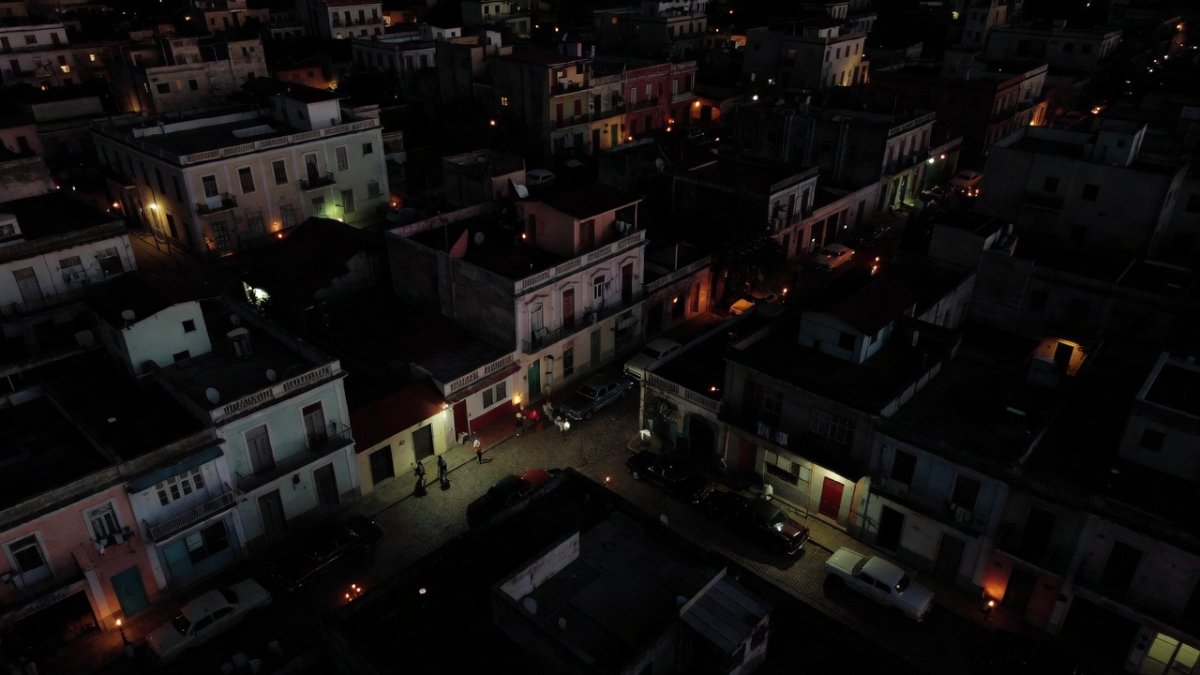
Nationwide Blackout Sparks Street Protests Cubans in several locations on the island banged pots on Tuesday evening to express their anger about the latest nationwide power cut. This spontaneous action marked the third nationwide outage this year, coming on top of state-imposed rolling electricity cuts aimed at conserving the little remaining fuel. While public dissent in the C
Nationwide Blackout Sparks Street Protests
Cubans in several locations on the island banged pots on Tuesday evening to express their anger about the latest nationwide power cut. This spontaneous action marked the third nationwide outage this year, coming on top of state-imposed rolling electricity cuts aimed at conserving the little remaining fuel. While public dissent in the Communist-run country is often punished with long prison sentences, there have been spontaneous protests in areas worst affected by the outages. Some rural areas are plunged into darkness for up to 70 hours at a time, while urban areas have seen planned outages of up to 30 hours.
Cuban President Miguel Díaz-Canel has acknowledged the spreading discontent among Cubans. "There are shortages of transport, food, medicines, there are lengthy power cuts lasting more than 20 hours, that causes dissatisfaction, nobody can be happy, the people are suffering," he told reporters from Claridad, a Spanish-language weekly newspaper based in San Juan, Puerto Rico. But he urged Cubans to direct their anger towards the US government instead of his, adding: "People bang pots, some with more anger than others. I say: direct your pot-banging towards our northern neighbours, who are the ones behind these power cuts."
These protests highlight the deep frustration building across communities already stretched thin by repeated disruptions. The pot-banging serves as a rare public outlet in a context where open criticism carries heavy risks, yet the scale of the suffering has pushed residents to voice their pain collectively. As the outages compound daily hardships, the calls for relief grow louder in the streets of affected neighborhoods.
Restoration Gaps Leave Santiago in the Dark
Cuban officials said on Tuesday that most of the country had had power restored but locals shouted "turn on the lights!" in areas still in the dark. Monday's nationwide outage was the third this year, and the state electricity company did not say what had caused this latest unplanned incident. The country's second-largest city, Santiago de Cuba, was among places where power had not yet been restored on Tuesday evening local time.
Fuel shortages have been exacerbated by tight US sanctions and an effective US oil blockade, meaning that even those who have generators often do not have the fuel to run them during power cuts. The uneven pace of restoration has left entire districts waiting in prolonged darkness, amplifying the sense of abandonment felt by residents. In Santiago de Cuba, the continued blackout stands as a stark reminder of how recovery efforts fall short in key population centers.
Communities in these still-affected zones face an added layer of uncertainty as officials work to stabilize the grid. The shouts of "turn on the lights!" capture the immediate human demand for basic services that many take for granted elsewhere in the region. This gap between official announcements and on-the-ground reality underscores the challenges of managing widespread energy failures.
Life Without Power: Food, Medicine, and Transport Disrupted
Díaz-Canel's admission of suffering — "shortages of transport, food, medicines, lengthy power cuts lasting more than 20 hours" — paints a vivid picture of daily existence under these conditions. Rural areas endure up to 70 hours without power, isolating families from essential services and communication networks. Urban zones, while somewhat better off with planned outages of up to 30 hours, still grapple with the ripple effects on refrigeration for food supplies and access to medical care.
The extended blackouts disrupt medical appointments and the storage of medicines that require consistent cooling, leaving vulnerable populations at greater risk. Transport links suffer as fuel scarcity compounds the energy shortfalls, making it harder for people to reach work or emergency services. In both rural and urban settings, the absence of reliable electricity severs connections to the outside world, heightening feelings of isolation during these prolonged crises.
These disruptions reveal how energy access underpins every aspect of community life across the island. Families must adapt to darkness that stretches far beyond a single night, rethinking routines around food preservation and health needs. The human cost mounts as repeated outages erode the stability that communities rely upon for basic survival.
US Sanctions and the Oil Blockade
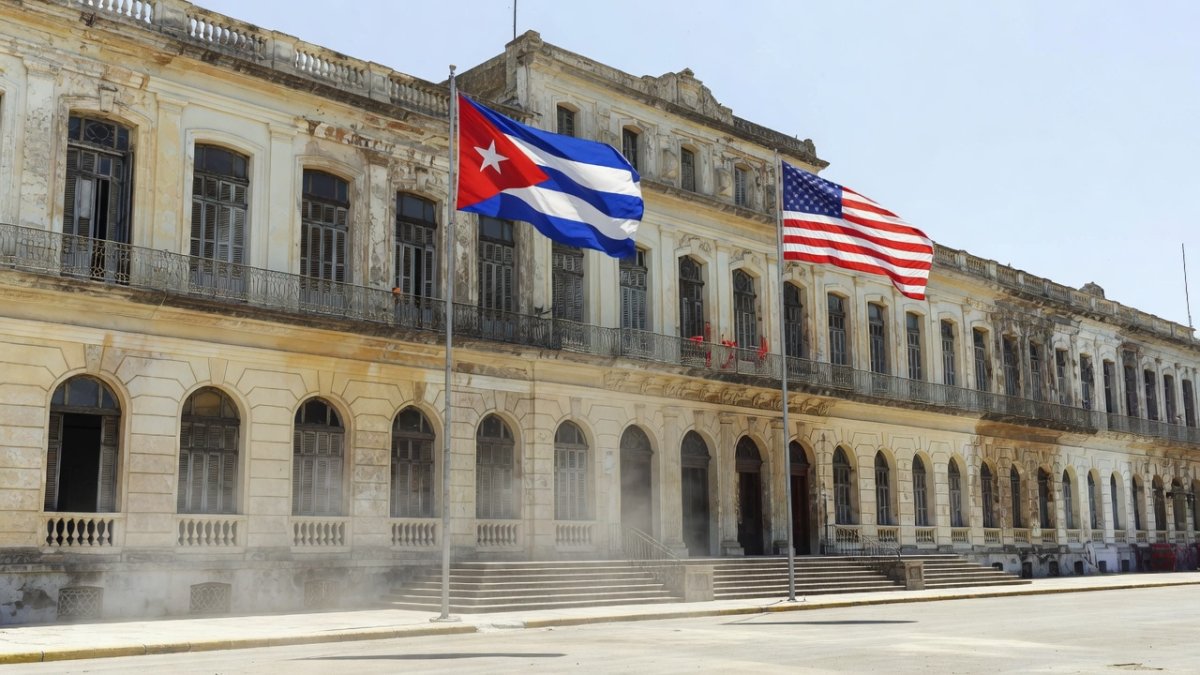
US-Cuban relations, which have been strained for decades, have deteriorated rapidly since the start of the year, when US President Donald Trump accused the island's government of posing a threat to the national security of the US. Shortly after US forces seized former Venezuelan President Nicolás Maduro - a close ally of the Cuban government - in January, Trump also openly mused that Cuba was "ready to fall." Since then, the Trump administration has imposed fresh sanctions on Cuba as well as an effective blockade on oil shipments to Cuba, threatening to slap tariffs on countries which provide it with fuel.
The US has also levelled murder charges against Cuba's former president, Raúl Castro, who remains an influential figure on the island despite being 95 years old. Cuba's foreign minister, Bruno Rodríguez, accused the US of waging "multi-dimensional, non-conventional warfare" against Cuba, which he said had "become ever more cruel" over the last seven months. These measures have tightened the grip on fuel imports, directly worsening the shortages that leave generators idle even when available.
The oil blockade stands as a central pressure point in the ongoing diplomatic standoff, restricting the flow of essential resources to the island. Rodríguez's description of multi-dimensional warfare captures the Cuban government's view of how these sanctions extend beyond traditional economic tools. As tensions persist, the human impact of restricted energy supplies continues to unfold in homes and hospitals across Cuba.
Internal Factors: Aging Infrastructure and Economic Strain
The state electricity company did not say what had caused this latest unplanned incident, leaving questions about underlying vulnerabilities unanswered. Rolling electricity cuts imposed by the state to conserve remaining fuel indicate that pressures on the system existed before the most recent nationwide failures. These measures reflect ongoing efforts to stretch limited resources amid broader economic challenges.
Repeated outages this year point to strains that go beyond any single event, as the grid struggles to maintain consistent supply. The absence of an official explanation for the latest blackout highlights the difficulty in pinpointing exact triggers within a complex energy network. Communities experience these internal limitations through extended periods without power, compounding the effects of external restrictions.
Understanding the full scope of Cuba's energy difficulties requires recognizing both the immediate incidents and the longer-term operational hurdles. The rolling cuts serve as evidence of a system operating under sustained pressure, where conservation becomes a daily necessity. This reality shapes how residents plan their lives around unpredictable availability of electricity.
Blame Game: Díaz-Canel vs Washington
Díaz-Canel urged Cubans to direct their pot-banging towards the US government, framing the power cuts as externally driven. In contrast, the US Ambassador to the United Nations, Michael Waltz, placed the blame squarely with the Cuban government. Speaking at a meeting of the UN General Assembly on Tuesday, he urged it to "change your ways and turn the lights back on for your people". He added that "there always seems to be enough power for the Cuban dictatorship".
Rodríguez's accusation of "multi-dimensional, non-conventional warfare" adds another layer to the polarized narratives emerging from both sides. Despite trading barbs publicly, the two countries have been holding talks over recent weeks in private. The Cuban foreign minister said on Tuesday that those talks "show no progress", but left the door open "to dialogue based on mutual respect and non-interference in Cuba's internal affairs".
These contrasting statements illustrate how each government seeks to shape the story around the crisis. The private channel for dialogue offers a potential path forward even as public exchanges remain sharp. Residents caught in the middle continue to navigate the consequences while officials exchange accusations across borders.
Regional Lessons for Latin America
Cuba's experience with repeated nationwide blackouts and fuel shortages offers a cautionary perspective for energy planning across Latin America. The combination of external sanctions and internal conservation measures shows how quickly access to reliable power can unravel when dependencies become too concentrated. Neighbors in the region can observe how such vulnerabilities affect daily life, from food security to medical services.
Leaders elsewhere might consider the value of diversifying energy sources to reduce exposure to geopolitical shifts or single-point failures in supply chains. The protests sparked by prolonged darkness remind policymakers that energy stability directly influences social cohesion. By examining Cuba's situation, other nations can prioritize strategies that build greater resilience into their own systems.
The ongoing diplomatic tensions further underscore the need for approaches that safeguard energy sovereignty amid shifting international relations. Communities throughout Latin America share similar concerns about balancing external partnerships with domestic capacity. Cuba's story thus serves as a reference point for fostering more robust and adaptable energy frameworks in the years ahead.
By Elena Vasquez, Staff WriterThis article was produced with AI-assisted research and editorial support. Reporting is based on sources cited in the article.
What's Your Reaction?
 Like
0
Like
0
 Dislike
0
Dislike
0
 Love
0
Love
0
 Funny
0
Funny
0
 Wow
0
Wow
0
 Sad
0
Sad
0
 Angry
0
Angry
0
Latin America Correspondent at Global1.News. Based in Mexico City, covering politics, economics, energy, and culture across the region. Brings an on-the-ground perspective to stories spanning from the Rio Grande to Patagonia.












Comments (0)