
Zulu King Expresses Regret After Leaked Video Shows Tirade Against Wife
The Weight of a Leaked Moment In the quiet dignity that many African households still hold dear, private struggles often remain behind closed doors. Yet when a video surfaced showing King Misuzulu kaZwelithini directing harsh words and threats toward Queen Nomzamo Myeni, the matter moved into public view. The queen herself appeared to have recorded the exchange, ending it with
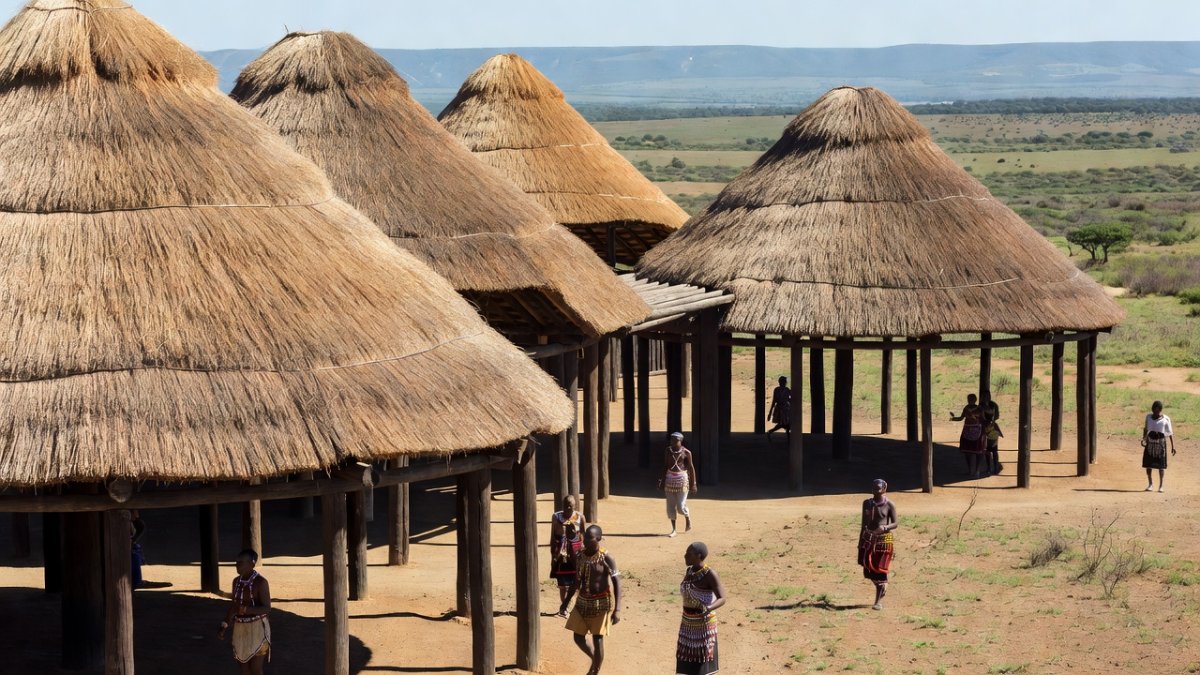
The Weight of a Leaked Moment
In the quiet dignity that many African households still hold dear, private struggles often remain behind closed doors. Yet when a video surfaced showing King Misuzulu kaZwelithini directing harsh words and threats toward Queen Nomzamo Myeni, the matter moved into public view. The queen herself appeared to have recorded the exchange, ending it with the words, "This is the life I live, day and night." Days later the king's office released a statement acknowledging that the outburst had caused pain and embarrassment among royal circles and the broader Zulu community. The statement described the recordings as historical and not reflective of present circumstances within the royal household.
Tradition Meets Changing Expectations
King Misuzulu kaZwelithini carries the role of custodian of age-old traditions that place marriage and polygamy at the heart of royal life. In the footage he reminded his third wife, whom he married last November, that a wife must seek permission before leaving the home. Such expectations echo across many African societies where family structures have long balanced respect for elders with the daily realities of partnership. From Senegal to KwaZulu-Natal, women often navigate these inherited customs while also holding space for personal dignity. The king's ceremonial position in South Africa carries influence beyond symbolism, supported by a government-funded budget of several million dollars, yet the video revealed tensions that many families quietly recognise.
A National Crisis of Safety
South Africa has one of the highest rates of violence against women in the world. Last year the country classified gender-based violence as a national disaster. Within this broader reality the Zulu royal household's statement noted that on the day the video appeared the king and queen were receiving politicians as part of official duties. The contrast between public responsibilities and private conduct highlights how deeply rooted patterns of control can persist even in prominent households. Across the continent women continue to seek safety while honouring cultural heritage, a balance that requires honest conversation rather than silence.
Divided Voices on Social Media
The footage sparked sharp reactions online. Some viewers condemned the king's language as abusive and undignified. Others criticised Queen Nomzamo Myeni for bringing private matters into the open. South African journalist Asanda Magaqa observed that while she would never encourage anyone to film private moments, the recording made clear why the queen felt compelled to document her experience. Her words, "No woman deserves to live like that," captured a sentiment shared by many who have witnessed similar pressures within their own communities. The divide reflects ongoing debates about loyalty, privacy and the right to speak out when dignity is at stake.
Quiet Courage and Continental Resonance
Queen Nomzamo Myeni's decision to record the exchange carried evident risk, yet it also preserved a record of words spoken in the moment. The king later expressed deep regret for the pain caused. His coronation itself followed a year-long family dispute in which some relatives questioned whether he was the rightful heir and suggested the will had been forged. In the video he also remarked that he became monarch through witchcraft. These layers of family tension sit alongside the broader expectation that Zulu society remains deeply patriarchal, with women often expected to comply with traditional gender norms. Similar stories of women balancing loyalty to custom with the need for personal safety resonate from Dakar to Durban. The queen's recorded words remind us that dignity and safety are not opposing forces but shared aspirations across African homes.
Looking Forward with Grounded Hope
The royal household emphasised that the recordings do not represent current circumstances. King Misuzulu kaZwelithini and Queen Nomzamo Myeni continue their public roles together. For many observers the episode underscores the need for traditions to evolve in ways that protect every family member. In Senegal and across West Africa, communities have long drawn strength from both ancestral wisdom and the courage of women who insist on respect. The conversation sparked by this video invites all of us to consider how heritage and humanity can walk together without one diminishing the other.
By Amara Diop, Staff WriterThis article was produced with AI-assisted research and editorial support. Reporting is based on sources cited in the article.
What's Your Reaction?
 Like
0
Like
0
 Dislike
0
Dislike
0
 Love
0
Love
0
 Funny
0
Funny
0
 Wow
0
Wow
0
 Sad
0
Sad
0
 Angry
0
Angry
0

West Africa/Sahel Correspondent at Global1.News. Dakar-based journalist covering politics, security, climate, and development across Francophone and Anglophone West Africa. Tells the stories of a region undergoing profound transformation.












Comments (0)