
Arkia Israel Airlines Resumes Direct Flights to Marrakesh, Morocco
<h2>The Return of Direct Flights to Marrakesh</h2> <p>Arkia Israel Airlines has announced the resumption of direct flights from Ben Gurion Airport to Marrakesh Menara Airport after a three-year wartime hiatus. The airline will operate the route twice weekly on Mondays and Wednesdays using Airbus A320 aircraft configured for the five-to-six-hour journey. This development comes after extensive coordination between aviation regulators and security officials to ensure safe operations resume. Travele

The Return of Direct Flights to Marrakesh
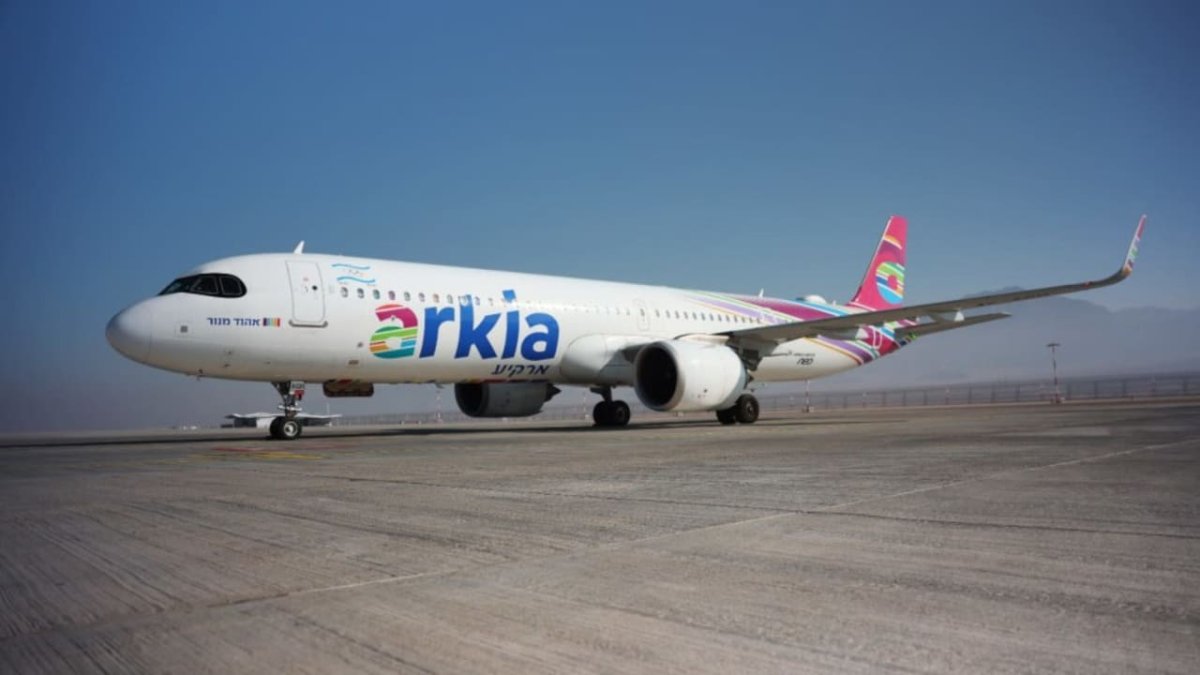
Arkia Israel Airlines has announced the resumption of direct flights from Ben Gurion Airport to Marrakesh Menara Airport after a three-year wartime hiatus. The airline will operate the route twice weekly on Mondays and Wednesdays using Airbus A320 aircraft configured for the five-to-six-hour journey. This development comes after extensive coordination between aviation regulators and security officials to ensure safe operations resume. Travelers can expect one-way fares starting at $329, making the option accessible for many Israeli holidaymakers seeking sun and culture. The route's return marks a significant step in restoring pre-war connectivity between the two nations.
The direct service was first introduced in the summer of 2021 shortly after the Abraham Accords opened new possibilities for regional travel. At that time Arkia pioneered the link, but in the years leading up to the conflict both Israir Airlines and El Al also flew the route three times per week. Those carriers suspended operations when hostilities began, leaving Israeli passengers reliant on connecting flights through Europe or Turkey. The current twice-weekly schedule by Arkia represents a measured restart while demand is assessed. Marrakesh Menara Airport lies just six kilometers southeast of the city center and features Terminals 1 and 3 dedicated to international arrivals.
Passengers arriving on the new flights will find streamlined procedures at the compact airport designed to handle growing tourist volumes. The A320 aircraft chosen by Arkia offers a balance of capacity and efficiency for the relatively short Mediterranean crossing. Flight crews have undergone specialized training to manage the route's operational requirements. Early bookings indicate strong interest from families and couples eager to revisit the red city after years of restrictions. The schedule positions travelers to arrive in time for evening souk visits or morning excursions into the Atlas Mountains.
Roots in the Abraham Accords
The resumption of flights builds directly on the framework established by the 2020 Abraham Accords brokered by the United States. Morocco became one of the first Arab states to normalize relations with Israel under that agreement, opening doors to direct aviation links. The accords provided the legal and diplomatic foundation that allowed the original summer 2021 launch to proceed despite longstanding regional tensions. Even during the recent conflict, both governments maintained quiet channels to preserve the normalization process. This continuity demonstrates how economic and people-to-people ties can endure political storms.
Morocco's unique position among Arab nations stems from its large Jewish diaspora and historical tolerance toward Jewish communities. Those ties facilitated rapid agreement on flight protocols once the accords were signed. Israeli officials viewed the Marrakesh route as a flagship example of how normalization could translate into tangible travel benefits. The three-year suspension tested the resilience of these arrangements but did not dismantle them. Joint working groups continued to meet virtually throughout the hiatus to prepare for eventual reopening.
Diplomatic sources note that the accords created mechanisms for ongoing aviation security consultations that proved essential for the current restart. Morocco's decision to maintain the relationship despite regional pressures surprised some observers yet reflected pragmatic interests on both sides. The flight resumption therefore serves as visible proof that the normalization project remains active. Future expansions of the route network are already under discussion between the two civil aviation authorities.
Security Cooperation Behind the Reopening
Israeli security agencies conducted a comprehensive review of all aspects of the Marrakesh route before granting approval for resumption. Protocols at Ben Gurion Airport were updated to incorporate lessons learned during the wartime period while maintaining high standards for passenger screening. Moroccan authorities coordinated closely on ground security measures at Marrakesh Menara Airport to ensure arriving flights receive appropriate protection. Threat assessments focused on both aviation-specific risks and broader regional developments that could affect the service. The result is a robust framework that satisfies regulators on both ends of the route.
Mark Feldman, a senior aviation security consultant involved in the talks, stated that the level of coordination between Israeli and Moroccan teams has been exceptional throughout the process. He emphasized that every operational detail received thorough vetting to minimize any potential vulnerabilities. Joint exercises simulated various scenarios to confirm that response procedures function smoothly. The collaboration extended to real-time intelligence sharing that continues even after flights have restarted. Such cooperation sets a model for other routes that may reopen in the coming months.
Additional measures include enhanced cabin crew training and secure communication channels between the aircraft and both national control centers. The Airbus A320 fleet underwent specific security modifications tailored to the route's requirements. Passengers may notice discreet but thorough checks that balance safety with convenience. Officials believe these layered protections will give travelers confidence to book the service without hesitation.
Tourism Significance for Israeli Travelers
Marrakesh continues to rank among the most popular destinations for Israeli tourists seeking a blend of history, cuisine, and vibrant markets. The city's medina, gardens, and proximity to desert excursions offer experiences difficult to replicate in Europe at similar prices. With one-way fares beginning at $329, the direct flight competes favorably against longer connecting itineraries that often cost more. Israeli passport holders must obtain a visa prior to travel, a straightforward process handled through Moroccan consular channels. Demand has surged since the announcement, with many travelers citing the convenience of avoiding layovers.
Travel agents report that clients appreciate the five-to-six-hour flight duration, which allows for same-day arrival and immediate exploration. The twice-weekly schedule on Mondays and Wednesdays aligns well with typical short-break patterns favored by Israeli families. Marrakesh Menara Airport's location just six kilometers from the center means quick transfers to riads and hotels. Agents note that interest spans all age groups, from young couples to retirees who remember earlier visits before the hiatus. The reopening has also stimulated package tour offerings that combine flights with guided activities.
Competitive pricing has encouraged spontaneous bookings among those who postponed trips during the conflict. Tourism professionals expect the route to stimulate further interest in other Moroccan cities once capacity grows. Visa processing times have remained stable, removing a potential barrier for last-minute travelers. Overall, the service restores an important leisure option that many Israelis had missed during the three-year pause.
Broader Israel-Morocco Relations
Defense cooperation between Israel and Morocco has deepened steadily since the Abraham Accords, with a joint military work plan extending through 2026. This framework includes training exchanges and technology partnerships that complement the civilian aviation ties now being restored. Five years after the accords were signed, trade volumes have grown across multiple sectors, creating mutual economic incentives to maintain open channels. The Moroccan Jewish community continues to serve as a cultural bridge that strengthens people-to-people connections. These elements together form a resilient relationship capable of withstanding temporary disruptions.
Business delegations have visited both countries to explore opportunities in agriculture, renewable energy, and tourism infrastructure. The flight resumption is expected to accelerate such exchanges by improving direct access. Moroccan officials have expressed satisfaction that the aviation link has returned, viewing it as evidence of stable bilateral ties. Israeli exporters see Marrakesh as a gateway to wider North African markets once logistics improve further. Cultural festivals and academic programs have also resumed, adding depth beyond commercial interests.
The large Moroccan Jewish diaspora in Israel maintains family and communal links that benefit from easier travel. These personal connections often underpin the broader diplomatic relationship and encourage continued cooperation. As both nations mark the fifth anniversary of normalization, the flight service symbolizes progress achieved despite regional challenges. Future agreements may expand cooperation into additional civilian domains.
Industry and Travel Agent Perspectives
Ziontours CEO David Levy welcomed the resumption, noting that the direct route will simplify planning for clients who previously faced complicated connections. He observed that bookings have already exceeded initial projections for the first month of operations. The tourism sector views the service as an important signal of recovery after years of limited options. Competition among airlines may increase if demand remains strong, potentially leading to additional frequencies. Economic benefits are expected to flow to both Israeli and Moroccan hospitality businesses.
Travel agents highlight that the $329 starting fare makes Marrakesh an attractive alternative to European destinations during shoulder seasons. Many report clients inquiring specifically about the new Arkia schedule when discussing winter escapes. The airline's choice of Airbus A320 aircraft provides reliable capacity without overcommitting resources at this stage. Industry analysts predict that successful operations could encourage other carriers to re-evaluate similar routes. Overall sentiment within the sector remains optimistic about sustained growth.
Hotel partners in Marrakesh have prepared special packages aimed at Israeli guests to capitalize on the renewed access. Agents emphasize the importance of clear communication regarding visa requirements to avoid last-minute issues. The economic ripple effects include increased demand for ground transportation and guided tours. These developments support jobs in both countries tied to the tourism supply chain.
Implications for Regional Normalization
The successful reopening of the Marrakesh route underscores the durability of the Abraham Accords even amid regional turbulence. Other signatory nations are closely observing how Israel and Morocco manage the balance between security and openness. This example may encourage additional flight restorations or new routes to destinations that suspended service during the conflict. Israeli foreign policy continues to prioritize aviation links as practical demonstrations of normalization benefits. Sustained cooperation could pave the way for broader economic integration across the region.
Diplomats note that the quiet security coordination behind the flights has strengthened trust between the two governments. Such behind-the-scenes work often proves more significant than public announcements in maintaining long-term ties. Future route expansions might include cities beyond Marrakesh once traffic volumes justify the investment. The experience gained from this resumption will inform planning for other potential corridors. Regional stability remains a prerequisite for further progress in these areas.
Israeli officials view the service as part of a wider strategy to embed normalization into everyday life through travel and commerce. Moroccan counterparts share similar goals of leveraging the relationship for mutual development. Continued success on this route could inspire confidence among hesitant travelers and investors alike. The coming months will reveal whether the twice-weekly schedule can expand and whether additional carriers will join the market.
By Hannah Berg, Staff WriterWhat's Your Reaction?
 Like
0
Like
0
 Dislike
0
Dislike
0
 Love
0
Love
0
 Funny
0
Funny
0
 Wow
0
Wow
0
 Sad
0
Sad
0
 Angry
0
Angry
0













Comments (0)