
LNG Tankers Resume Hormuz Transit Amid Gulf Tensions
**Keywords:** Strait of Hormuz, LNG tankers, Japan energy security, US Iran strikes, VLCC carriers, Persian Gulf, Yasushi Kaneko, Middle East oil, Japan crude imports, Hormuz tensions 2026 Japan-Affiliated Vessels Resume Hormuz Transits Twenty-two Japan-linked vessels, including six very large crude carriers, have transited the Strait of Hormuz and exited the Persian Gulf betwe
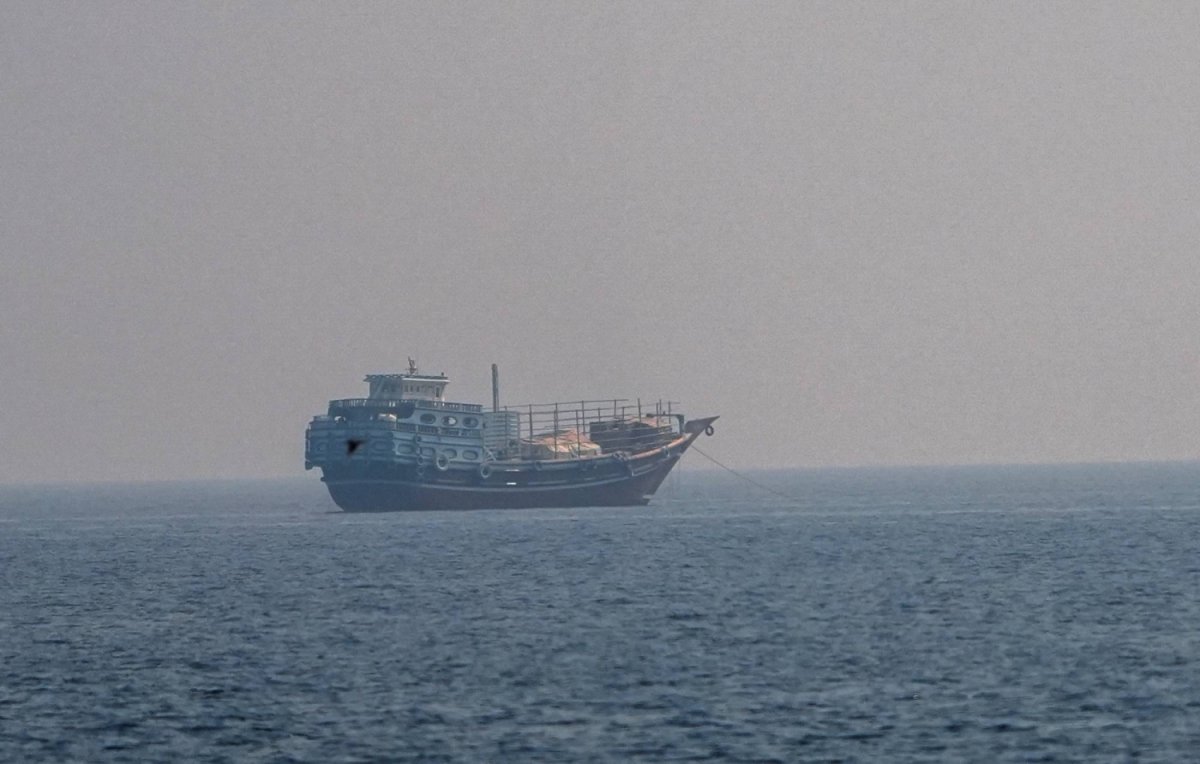
Japan-Affiliated Vessels Resume Hormuz Transits
Twenty-two Japan-linked vessels, including six very large crude carriers, have transited the Strait of Hormuz and exited the Persian Gulf between July 7 and July 9, according to an announcement by Japan's Transport Minister Yasushi Kaneko on July 10.
Ship-tracking data confirmed an increase in LNG tanker movements through the narrow waterway despite the US military strikes on Iran that began on July 7 following attacks on three ships in the strait.
Only four Japanese-affiliated vessels remain inside the Gulf as of July 10, marking a significant resumption of traffic after a period of caution triggered by the renewed hostilities.
Strategic Importance of the Strait for Japanese Energy
The Strait of Hormuz measures just 34 kilometers wide at its narrowest point and handles approximately 20 million barrels of oil per day, representing about 20 percent of global seaborne oil trade.
Japan relies on the strait for over 80 percent of its crude oil imports, making any disruption a direct threat to national energy supplies and industrial operations.
Ministry of Economy, Trade and Industry officials have long monitored Hormuz traffic as a core component of Japan's energy security planning, given the country's limited domestic resources.
Background to the Renewed US-Iran Hostilities
The US launched fresh military strikes on Iran on July 7 after three vessels came under attack inside the Strait of Hormuz.
Washington also revoked Iran's oil sales permit as part of the response, further straining the US-Iran peace deal that had been signed only in June 2026.
These developments reversed a brief period of de-escalation and prompted shipping companies to reassess routes through the Gulf.
Current Status of LNG and Crude Movements
LNG tankers have shown a clear uptick in Hormuz transits in recent days, according to commercial ship-tracking sources.
The 22 Japan-linked vessels that successfully passed between Tuesday and Thursday included both LNG carriers and the six VLCCs mentioned by Minister Kaneko.
This movement indicates that operators are gradually returning to normal routing patterns even as military activity continues in the region.
Implications for Japanese Energy Security and Policy
The resumption of transits provides short-term relief for Japanese importers who had been monitoring potential delays in LNG and crude deliveries.
However, the fraying of the June 2026 peace agreement underscores the persistent vulnerability of Japan's energy supply lines that run through the Middle East.
Policy discussions within METI and the Ministry of Foreign Affairs are expected to revisit diversification strategies, including greater use of alternative routes and expanded strategic stockpiles.
Bank of Japan analysts have noted that sustained higher energy prices resulting from Gulf instability could add pressure to import costs and affect corporate Japan’s operating margins in the coming quarters.
Regional Shipping and Market Reactions
Commercial operators continue to track vessel positions closely, with data showing LNG carriers re-entering the strait in greater numbers after the initial pause following the July 7 strikes.
Japanese shipping firms with vessels still inside the Gulf are maintaining heightened security protocols while awaiting further clarity on the military situation.
The episode highlights how quickly traffic patterns can shift in response to geopolitical events in one of the world’s most critical energy chokepoints.
Tags: Strait of Hormuz, LNG tankers, Japan energy, US Iran conflict, VLCC, Yasushi Kaneko, Persian Gulf shipping, crude oil imports
By Kenji Tanaka, Staff Writer
This article was produced with AI-assisted research and editorial support. Reporting is based on sources cited in the article.
What's Your Reaction?
 Like
0
Like
0
 Dislike
0
Dislike
0
 Love
0
Love
0
 Funny
0
Funny
0
 Wow
0
Wow
0
 Sad
0
Sad
0
 Angry
0
Angry
0

Japan Correspondent at Global1.News. Tokyo-based voice covering Japanese politics, technology, economy, and culture. Tracks the intersection of tradition and innovation in one of the world's most dynamic societies.














Comments (0)