
US Retail Sales Dip Signals Consumer Caution After Banking Turmoil
The Sharp Drop in March Retail Figures The Commerce Department reported that retail sales fell by 1 percent in March from the prior month, a steeper decline than the 0.4 percent drop economists at Refinitiv had anticipated. This marked a notable pullback after the revised 0.2 percent decrease seen in February. Seasonally adjusted figures highlight how quickly spending momentum
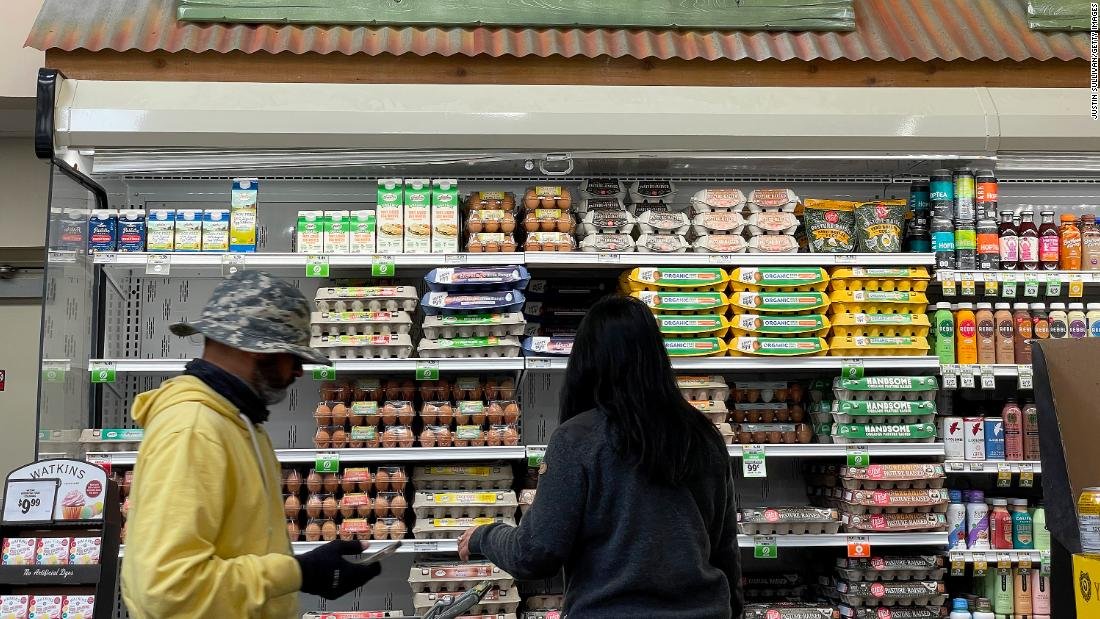
The Sharp Drop in March Retail Figures
The Commerce Department reported that retail sales fell by 1 percent in March from the prior month, a steeper decline than the 0.4 percent drop economists at Refinitiv had anticipated. This marked a notable pullback after the revised 0.2 percent decrease seen in February. Seasonally adjusted figures highlight how quickly spending momentum evaporated amid rising recession fears triggered by recent banking sector instability. Consumers appear to be prioritizing caution over discretionary purchases as uncertainty lingers.
High-octane economic signals like these demand immediate attention because they reflect real household behavior rather than abstract forecasts. The 1 percent monthly decline underscores how external shocks can ripple through everyday spending patterns without much warning. Data from the Commerce Department leaves little room for interpretation on the direction of travel for consumer activity in the short term.
Analysts note that even modest shortfalls compound when layered on top of existing pressures from higher interest rates. March's performance exceeded expectations in its negativity, pointing to a broader hesitation among shoppers. This fact-first assessment shows the economy facing headwinds that could intensify if banking concerns persist into the summer months.
Tax Refund Shortfall Hits Household Budgets
The IRS issued 84 billion dollars in tax refunds during March, a full 25 billion dollars less than the amount distributed in March of the previous year. This reduction directly contributed to weaker spending at department stores and on durable goods such as appliances and furniture. Households that typically rely on these refunds for big-ticket items found themselves with smaller cushions this spring.
Smaller refunds represent a concrete change in cash flow that affects millions of American families simultaneously. The 25 billion dollar shortfall created an immediate drag on retail channels that depend on seasonal influxes of disposable income. Commerce Department data ties this development explicitly to the observed pullback in general merchandise categories.
Opinionated observers recognize that timing matters in these refund cycles, and March 2023 delivered a clear example of how policy mechanics influence consumer behavior. Reduced refunds amplified the effects of banking crisis fears, leading to more conservative outlooks on purchases. This dynamic illustrates why fiscal details cannot be overlooked when assessing retail health.
Sector-Specific Declines Paint a Mixed Picture
Spending at general merchandise stores dropped 3 percent in March compared with February, while gas station sales plunged 5.5 percent over the same period. These targeted declines reveal where consumers chose to cut back most aggressively amid economic unease. Durable goods categories also felt the squeeze as shoppers deferred purchases of appliances and furniture.
Excluding gas station sales, overall retail spending still retreated 0.6 percent month over month, confirming the weakness extended beyond energy prices alone. The Commerce Department figures provide granular insight into how different retail segments respond to the same set of macroeconomic pressures. Banking sector turbulence appears to have accelerated a shift toward essential-only buying patterns.
These percentage drops carry weight because they occurred across multiple categories simultaneously, suggesting coordinated consumer restraint rather than isolated events. Gas station declines of 5.5 percent highlight sensitivity to both price and broader sentiment. The data points to a retail landscape where selective spending has become the new normal.
Year-Over-Year Growth Offers Limited Comfort
Despite the monthly declines, retail spending rose 2.9 percent year over year through March. This annual increase provides some perspective on longer-term trends but does little to offset the immediate concerns raised by the March pullback. Inflation-adjusted realities mean the nominal gain may translate to even flatter real consumption growth.
Year-over-year comparisons can mask short-term volatility, yet the 2.9 percent figure still reflects resilience in certain areas of consumer demand. The Commerce Department release shows that underlying activity has not collapsed entirely, even as monthly momentum stalled. This contrast between annual and monthly readings creates a nuanced view of the current environment.
High-octane analysis demands acknowledging both the positive annual number and the concerning monthly trajectory. The 2.9 percent gain occurred against a backdrop of elevated prices, meaning volume growth likely lagged behind the headline. Retailers tracking these metrics will need to adjust expectations accordingly for the quarters ahead.
Wage Growth Slows Amid Steady Job Gains
Average hourly earnings grew 4.2 percent in March from a year earlier, down from the prior month's annualized increase of 4.6 percent. This moderation in wage growth coincides with employers adding 236,000 jobs during the same month. The combination suggests a labor market that remains active but is losing some of its upward pressure on compensation.
The 236,000 jobs figure demonstrates continued hiring across sectors, yet the slowdown in earnings growth to 4.2 percent indicates workers may not see the same real income gains as before. These data points from government releases paint a picture of an economy where employment holds up while purchasing power faces constraints from multiple directions.
Fact-based observers note that wage deceleration could further dampen retail spending if it persists. The shift from 4.6 percent to 4.2 percent growth represents a meaningful change in household resources over time. This trend warrants close monitoring as it intersects with other consumer headwinds already visible in March sales data.
Consumer Sentiment Holds Steady Despite Fears
Consumer sentiment tracked by the University of Michigan remained steady in April even after the banking crisis, though year-ahead inflation expectations jumped a full percentage point to 4.6 percent from 3.6 percent in March. Higher gas prices contributed to this rise in expected inflation, influencing how households view their future financial positions.
The steady sentiment reading contrasts with the sharper retail sales decline, suggesting consumers are bracing for tougher conditions without descending into outright pessimism. Joanne Hsu from the University of Michigan surveys noted that people anticipate a downturn but do not feel as dismal as they did last summer. This measured outlook could still translate into cautious spending behavior.
Inflation expectations climbing to 4.6 percent introduce an additional layer of pressure on discretionary purchases. The University of Michigan data provides timely insight into the psychological factors shaping retail performance. These expectations may sustain the pullback observed in March if they remain elevated.
Expert Views Highlight Tax and Broader Factors
Aditya Bhave, senior US economist at BofA Global Research, pointed to smaller tax returns as a likely contributor to the spending slowdown. Michelle Meyer, North America chief economist at Mastercard Economics Institute, emphasized that the big picture remains favorable for the consumer overall despite the March dip. These assessments offer balanced context around the headline retail numbers.
BofA's analysis aligns with the 25 billion dollar reduction in refunds, linking fiscal timing directly to observed retail weakness. Mastercard's perspective suggests underlying consumer strength could reassert itself once temporary factors fade. Both views rely on the same Commerce Department data yet reach slightly different conclusions about durability.
Named economists from established institutions provide credible framing for the 1 percent sales decline. Their comments underscore how multiple forces, including refunds and banking concerns, converged in March. This expert layer adds depth to understanding why spending retreated more than anticipated.
Federal Reserve Recession Outlook Shapes Future Path
Economists at the Federal Reserve expect the US economy to head into a recession later this year as the lagged effects of higher interest rates take deeper hold. This projection aligns with the consumer pullback seen in March retail figures and the rise in inflation expectations. Policymakers appear prepared for a slowdown that could further test retail resilience.
The anticipated recession timeline introduces uncertainty for retailers planning inventory and staffing through the second half of the year. Federal Reserve expectations reflect cumulative impacts from rate hikes that have yet to fully materialize in consumer behavior. March's data may represent an early signal of these effects gaining traction.
High-octane coverage of these developments requires connecting retail sales, wage trends, and policy forecasts into a coherent narrative. The combination of 236,000 job gains, 4.2 percent earnings growth, and recession expectations creates a complex outlook. Retailers and households alike will navigate these conditions with heightened vigilance in the months ahead.
By Jessica Ali, Staff WriterThis article was produced with AI-assisted research and editorial support. Reporting is based on sources cited in the article.
What's Your Reaction?
 Like
0
Like
0
 Dislike
0
Dislike
0
 Love
0
Love
0
 Funny
0
Funny
0
 Wow
0
Wow
0
 Sad
0
Sad
0
 Angry
0
Angry
0

Editor-in-Chief at Global1.News. Atlanta-based journalist who cuts through the BS and tells it like it is. Lead anchor, host, and the voice you hear when the spin stops and the truth starts.















Comments (0)