
Benin International Arts Festival 2026: Young Designers Win Top Honours with Eco-Fashion
The 4th Benin International Arts Festival has placed fashion firmly in the spotlight, gathering 12 emerging designers alongside established names for a competition celebrating young creative voices from across the country. Running across four cities until March 1, the festival brings together eight artistic disciplines ranging from music and theatre to literature and dance, but
The 4th Benin International Arts Festival has placed fashion firmly in the spotlight, gathering 12 emerging designers alongside established names for a competition celebrating young creative voices from across the country. Running across four cities until March 1, the festival brings together eight artistic disciplines ranging from music and theatre to literature and dance, but this year fashion takes centre stage as a powerful vehicle for cultural expression and ecological awareness.
Benin's International Arts Festival 2026: Young Designers Win Top Honours with Eco-Fashion Collections
Cotonou, Benin — The 4th edition of the Benin International Arts Festival has drawn attention to the next generation of African fashion designers, with 12 young talents competing for top honours in a showcase that combined local craftsmanship with urgent environmental messages. Held across four Beninese cities and continuing until 1 March, the festival has proven once again that West African creativity knows no bounds.
Rebecca Houénou: A 17-Year-Old Winner with an Ocean Message
Rebecca Houénou, a 17-year-old from Cotonou, captured the grand prize with her collection titled "Todagbé," which means "mother" in the Fon language. Her garments spoke directly to the heart of ocean conservation, using plastic bags washed up on beaches and delicate seashells collected along the coast. Each piece told a story of the sea's vulnerability and the urgent need to protect it for future generations.
The young designer's work stood out for its raw honesty and creative boldness. She transformed what many see as waste into striking silhouettes that moved gracefully on the runway. The jury noted how her youth brought a fresh perspective that older designers sometimes overlook, reminding everyone that environmental responsibility begins early.
Rebecca's collection wove together personal experience with broader ecological concerns. Growing up near the coast, she witnessed firsthand the plastic pollution affecting fishing communities. Her garments became a call to action, showing that fashion can carry powerful messages without losing its beauty or cultural roots.
The significance of a teenager winning the top prize cannot be overstated. It signals to young Africans across the continent that their voices matter in shaping conversations about sustainability. Rebecca's victory proves that age is no barrier when creativity meets conviction.
Her win also highlighted how Beninese youth are connecting global environmental issues to local realities. By focusing on the ocean, she drew attention to challenges facing coastal communities in West Africa, from Senegal to Nigeria, where rising pollution threatens livelihoods and traditions.
The jury praised the maturity in her presentation, noting that her collection balanced artistic expression with clear advocacy. This balance made "Todagbé" not just a fashion statement but a cultural one that resonated deeply with audiences.
Rolande Houvo and Isabelle Egin: From Discarded Materials to High Fashion
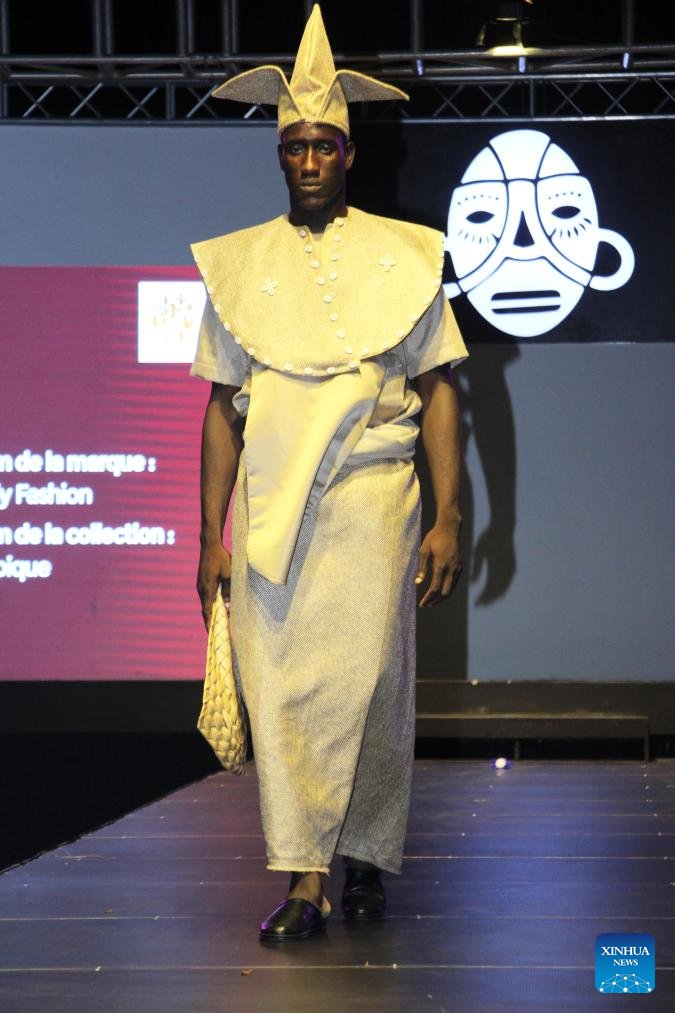
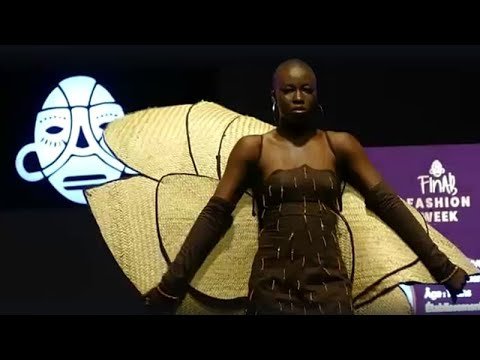
Rolande Houvo, a 20-year-old student, earned third prize with her collection "Blossoming." She drew inspiration from the straw fishing hats of Ganvié, the famous lake village known for its stilt houses and fishing traditions. Rolande collected discarded straw from local markets and reworked it into elegant garments that celebrated renewal and resourcefulness.
Her process involved hours of gathering and cleaning the straw before weaving it into structured pieces. The result was a collection that honoured Ganvié's heritage while addressing waste reduction. Rolande's work showed how everyday materials from Beninese life can become high fashion when handled with care and imagination.
Isabelle Egin received the jury prize for "Ecological Splendour," a collection made entirely from local woven fabric. She avoided synthetic materials, instead highlighting the natural textures and colours of Beninese textiles. Her designs demonstrated that ecological commitment need not sacrifice visual impact or cultural authenticity.
Across all entries, ecological commitment served as a common thread. Designers explored ways to reduce waste while preserving traditional techniques. This shared focus created a cohesive showcase that felt both contemporary and deeply rooted in Beninese identity.
The young designers' choices reflected a growing awareness among West African creatives about sustainability. By using local waste and fabrics, they reduced environmental footprints while supporting community artisans who produce these materials.
Rolande and Isabelle's successes underscored the festival's role in nurturing talent that values both innovation and responsibility. Their stories inspire other students across Benin and neighbouring countries to see discarded materials as opportunities rather than problems.
Alphadi and the Future of African Fashion
The jury was chaired by legendary Nigerien designer Alphadi, known across the continent as "the magician of the desert." His presence brought prestige and wisdom to the competition. Alphadi has long championed African fashion on global stages, and his guidance helped elevate the young designers' work.
Alphadi spoke of the difficulty in choosing winners among such talented competitors. Each collection offered unique strengths, from technical skill to emotional depth. He admired the maturity these young designers displayed, noting that their ecological themes showed a seriousness beyond their years.
His broader legacy in African fashion includes founding major platforms that connect designers from Dakar to Lagos. Alphadi's mentorship during this festival continued that work, offering feedback that encouraged the 12 talents to refine their visions while staying true to their roots.
The competition benefited greatly from his experience. Alphadi emphasised that African fashion's future lies in blending tradition with innovation, a principle clearly visible in the eco-conscious collections presented. His leadership ensured the judging process honoured both creativity and cultural integrity.
Young designers gained invaluable insights from interacting with Alphadi. His stories of building an international career from Niamey provided motivation, showing that success in fashion requires persistence alongside talent.
This mentorship dynamic strengthened the festival's impact. By connecting emerging voices with established figures like Alphadi, the event fostered a supportive network that will help Beninese designers thrive in the wider African fashion ecosystem.
Festival of Eight Arts: Music, Theatre, Dance, and More
The festival featured eight artistic disciplines, including music, theatre, dance, literature, and fashion. This multidisciplinary approach created rich crossovers, with musicians performing alongside runway shows and poets drawing inspiration from the visual arts on display.
Benin's International Arts Festival plays a vital role in promoting Beninese culture both locally and internationally. By hosting events across four cities, it ensures that communities beyond the capital experience the vibrancy of national creativity.
Fashion was chosen as this year's focus because of its power to communicate cultural stories and environmental concerns simultaneously. The decision reflected a desire to spotlight how clothing can preserve heritage while addressing modern challenges like climate change.
The broader impact on West African arts is significant. Events like this strengthen regional ties, allowing artists from Benin to exchange ideas with peers from Senegal, Togo, and beyond. Such exchanges enrich the creative landscape across the subregion.
Performances in music and dance complemented the fashion presentations, creating immersive experiences that celebrated Benin's diverse ethnic traditions. Literature readings added reflective depth, exploring themes of identity and ecology that echoed through the garments.
The festival's structure encouraged audiences to see connections between disciplines. A dance performance might inspire a designer's next collection, while a theatrical piece could highlight the stories behind certain textiles, deepening appreciation for the arts as a whole.
Local Fabrics and Beninese Craftsmanship at the Heart
Local fabrics stood at the centre of the festival's fashion focus. Woven textiles, bogolan, and wax print appeared throughout the collections, grounding each design in Beninese craftsmanship. These materials carry generations of knowledge passed down through families of weavers and dyers.
Traditional techniques received new life through the young designers' hands. They experimented with dyeing methods and weaving patterns while respecting their origins. This balance allowed innovation without erasing the cultural stories embedded in every thread.
Ganvié's cultural influence appeared strongly, especially in Rolande Houvo's work. The straw fishing hats and lake traditions informed silhouettes and textures, connecting fashion directly to one of Benin's most iconic communities. Such references honour living heritage.
Authentic African fashion rooted in regional identity emerged as a defining strength. Designers avoided generic trends, instead drawing from Fon, Yoruba, and other Beninese influences. The result was clothing that felt distinctly local yet spoke to continental and global audiences.
Young designers are preserving while innovating by teaching workshops alongside their runway presentations. They share skills with younger students, ensuring that knowledge of local fabrics continues to thrive. This transmission strengthens community bonds and economic opportunities.
The emphasis on craftsmanship also supports artisans across Benin. By sourcing materials locally, the festival boosts demand for traditional producers, creating sustainable livelihoods tied to cultural preservation.
Benin's Growing Role in African Arts and Culture
Benin is experiencing a broader cultural renaissance marked by events like the Festival des Masques on July 25-26 and the WA Benin Festival on July 31-Aug 1. These gatherings complement the International Arts Festival, creating a year-round calendar that celebrates heritage and creativity.
Arts festivals generate meaningful economic impact for local communities. Markets around venues see increased sales, while artisans and performers gain visibility that leads to new commissions and collaborations. This cycle supports families and strengthens regional economies.
Beninese fashion and design are gaining international recognition. The success of young designers like Rebecca Houénou signals that Benin is becoming a key player in Africa's creative industries, attracting attention from buyers and curators worldwide.
Connections to the wider African fashion ecosystem are growing stronger. Links with Lagos, Dakar, and Abidjan allow Beninese talents to participate in larger networks, sharing techniques and accessing new markets while contributing their unique perspectives.
This development holds particular promise for the next generation of West African designers. They see models of success that combine ecological awareness with cultural pride, encouraging them to pursue careers that honour their roots while addressing global concerns.
For African readers, these developments matter because they demonstrate the continent's capacity for self-determined cultural expression. Benin's renaissance shows that investment in arts and youth creativity yields lasting benefits for identity, economy, and environmental stewardship across the region.
By Amara Diop, Staff Writer
This article was produced with AI-assisted research and editorial support. Reporting is based on sources cited in the article.
What's Your Reaction?
 Like
0
Like
0
 Dislike
0
Dislike
0
 Love
0
Love
0
 Funny
0
Funny
0
 Wow
0
Wow
0
 Sad
0
Sad
0
 Angry
0
Angry
0

West Africa/Sahel Correspondent at Global1.News. Dakar-based journalist covering politics, security, climate, and development across Francophone and Anglophone West Africa. Tells the stories of a region undergoing profound transformation.













Comments (0)