
The Polygamist: How a Zulu Netflix Series Sparked Global Conversations About Love, Marriage, and Tradition
The Funeral That Launched a Thousand Memes The series opens at the funeral of wealthy Johannesburg businessman Jonasi Gomora, a scene that immediately pulls viewers into a web of secrets and public spectacle. His widow Joyce appears in a striking white outfit, her presence as a social media influencer already hinting at modern layers atop traditional expectations. Yet the gathe
The Funeral That Launched a Thousand Memes
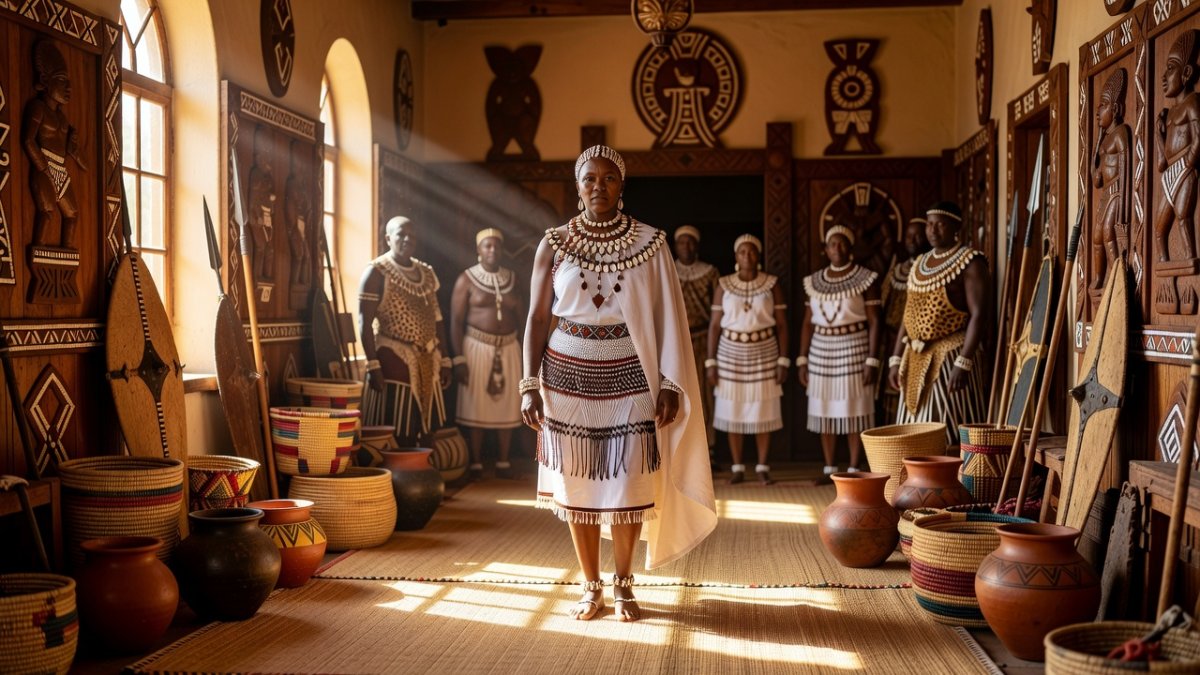
The series opens at the funeral of wealthy Johannesburg businessman Jonasi Gomora, a scene that immediately pulls viewers into a web of secrets and public spectacle. His widow Joyce appears in a striking white outfit, her presence as a social media influencer already hinting at modern layers atop traditional expectations. Yet the gathering reveals far more than grief. Two additional wives and a mistress stand among the mourners, all dressed in black, their shared loss laid bare before family and community.
This setup, drawn directly from the narrative, captures the shock of hidden relationships surfacing at the most formal of moments. In West African contexts, such as Wolof funerals in Senegal, gatherings often serve as spaces where family structures are quietly acknowledged or contested, though rarely with the dramatic public reveal shown here. The contrast between Joyce’s white attire and the others’ black creates visual tension that underscores questions of legitimacy and belonging.
The scene resonates because it mirrors real tensions in many African households where wealth and status intersect with personal arrangements. Viewers across the continent recognize the mix of sorrow, judgment, and whispered conversations that follow such disclosures. Within hours of release, the funeral sequence fueled widespread discussion, turning private family dynamics into shared cultural commentary.
By grounding the story in this single event, the series establishes its core exploration of love, inheritance, and reputation. The visual details linger, inviting audiences to consider how one man’s choices ripple outward through multiple lives.
From Page to Screen: A Zimbabwean Story, Told in Zulu
The Polygamist originates from the 2012 novel by Zimbabwean author Sue Nyathi. Netflix adapted the work in collaboration with South African production company Stained Glass TV, shifting the medium while preserving the story’s focus on complex family ties. The 22-episode Zulu-language series brings the narrative to life through performances rooted in South African cultural textures.
Language choice matters here. Zulu dialogue grounds the tale in a specific South African reality, even as the source material crosses borders from Zimbabwe. This decision allows authentic expression of emotions and social codes that might lose nuance in translation. Stained Glass TV’s involvement ensures local production values shape the adaptation, from set design to casting.
From a Senegalese viewpoint, such cross-border storytelling echoes how Wolof oral traditions or Senegalese literature sometimes travel through regional adaptations. The move from page to screen mirrors broader patterns where African stories find new audiences when produced with care for linguistic and cultural detail. The result feels both specific and accessible.
Twenty-two episodes provide space for gradual unfolding of relationships, avoiding rushed resolutions. This format suits the tangled lives at the center, allowing viewers to absorb the weight of each revelation at a measured pace.
Daughters of Zuma: Bringing Personal Experience to Screen
Executive producers Gugu Zuma-Ncube and Thuli Zuma, daughters of former South African President Jacob Zuma, brought personal insight to the project. Their upbringing in a polygamous household directly informed scenes and character dynamics. Zuma-Ncube noted that many moments reflect lived experience, stating that a lot of the scenes come directly out of their lives and that she famously comes from a very polygamist family, which she brought into the storytelling.
This perspective adds authenticity without sensationalism. The producers’ background allows exploration of daily realities, emotional negotiations, and societal expectations that outsiders might overlook. Their involvement signals a commitment to portraying polygamy through an insider lens rather than external judgment.
In Senegal, similar dynamics appear in Wolof Muslim families where polygamy remains part of social fabric under specific legal and religious guidelines. Children raised in such households often carry nuanced understandings that shape later creative or public work. The Zuma sisters’ contribution parallels how Senegalese storytellers sometimes draw from personal family histories to examine tradition and change.
Their approach highlights how individual experience can enrich broader narratives. By weaving personal knowledge into production decisions, the series gains depth that resonates with audiences familiar with comparable family structures across the continent.
A Continent Watches — And Argues
Released on 12 June 2026, the show quickly topped trend lists and reached number four on Netflix’s top 10 for non-English series globally in its first week, drawing two million views. It became the most watched title in South Africa and Kenya while entering the top 10 in Nigeria and Mauritius. Reactions spread rapidly through social media and public spaces.
Nigerian Afrobeats star Davido tweeted that Jonasi is wild. Emmy-award winning host Sherri Shepherd posted that she thought Crazy Rich Asians was something, but crazy rich Africans is a whole ’nother level. Taraji P Henson shared that the show had her in a chokehold after she binged it in one day. These voices amplified visibility far beyond initial markets.
In Nairobi, some matatu taxis were redecorated with Jonasi’s face or name, turning daily commutes into rolling conversations about the plot. Kenyan viewers debated family structures openly, while Nigerian audiences connected the story to local discussions on wealth and relationships. The continental reach sparked arguments about loyalty, inheritance, and modern expectations.
From Dakar, these reactions feel familiar. Senegalese social media often lights up over regional series that touch on marriage and status, creating similar waves of commentary. The show’s performance across borders demonstrates how African stories, when told with local specificity, generate shared engagement and spirited disagreement.
Polygamy in Modern Africa: Tradition Under Scrutiny
Zulu society remains deeply patriarchal, and polygamy holds legal recognition in South Africa. Within Zulu, Xhosa, Ndebele, and Venda cultures, multiple wives are not uncommon. The series places these arrangements under examination through the lens of one prominent family, prompting viewers to weigh tradition against contemporary pressures.
Comparisons with Senegal reveal both parallels and differences. In Senegal, polygamy is practiced mainly within Muslim communities, including many Wolof families, under frameworks shaped by Islamic personal status codes and civil law that requires spousal consent and registration. South African recognition emphasizes customary law alongside civil options, creating distinct legal pathways. Yet both societies navigate similar tensions: economic responsibilities, emotional dynamics, and shifting expectations among younger generations.
Wolof and Zulu communities alike balance respect for ancestral practices with the realities of urban life, education, and women’s increasing public roles. In Dakar markets or Johannesburg townships, conversations about fairness in marriage often surface during family gatherings or radio discussions. The series surfaces these questions without offering simple answers, reflecting ongoing continental dialogues.
Viewers in both regions recognize the gap between idealized portrayals and daily negotiations. Economic factors, such as a man’s ability to provide for multiple households, add practical layers to cultural debates. The show’s popularity suggests audiences welcome spaces to examine these realities openly.
Jonasi Gomora: Villain or Mirror?
Portrayed by South African actor Sdumo Mtshali, Jonasi Gomora emerges as the character stirring strongest reactions. Viewers describe him as a serial cheater and opportunist who would do anything to satisfy himself. His actions, revealed gradually through the series, prompt debate over accountability and the consequences of unchecked desire.
Letlhogonolo Mogale, after binge-watching, highlighted how broken families and broken society stood out. She noted the personal impact of witnessing fractured households on screen. Such responses indicate the character functions less as simple villain and more as a reflection of patterns some audiences recognize in their own communities.
Zuma-Ncube observed that producers were surprised by the emotional chord struck with women in relationships and children from particular households. This feedback suggests the portrayal touches raw nerves around absent or divided parental figures. In Senegalese contexts, similar discussions arise around fathers with multiple families and the effects on children’s sense of stability.
The character’s complexity avoids easy condemnation. Instead, the series invites examination of how personal choices intersect with cultural permission and economic power. Viewers weigh sympathy against criticism, mirroring real-life conversations about responsibility within polygamous or extended family systems.
Why the World Is Watching
Beyond Africa, the series ranked among most watched shows in Trinidad and Tobago, Romania, and the Dominican Republic. Its global performance demonstrates appeal that crosses linguistic and geographic lines. Non-English content finding such traction signals shifting viewer preferences toward diverse narratives.
The story’s mix of family drama, wealth, and cultural specificity travels effectively. Audiences in the Caribbean and Eastern Europe connect with themes of inheritance and relationship negotiations, even when settings differ. This reach expands opportunities for African productions to find international footing.
From a Senegalese standpoint, such success echoes growing interest in stories from across the continent. Wolof-language content or Senegalese films sometimes gain regional followings; seeing Zulu-language work achieve wider visibility encourages similar ambitions. The numbers reflect both quality production and universal human questions embedded in local detail.
Global placement also raises visibility for South African talent and production companies. Stained Glass TV’s collaboration with Netflix shows how partnerships can amplify voices that might otherwise remain regional. The pattern suggests continued growth for African storytelling on international platforms.
The Bottom Line
The Polygamist demonstrates the power of African stories told with cultural precision and emotional honesty. Its rapid rise and cross-border conversations highlight appetite for narratives that examine tradition without apology or simplification. By centering Zulu experiences while touching universal family questions, the series opens doors for further exploration of polygamy, marriage, and inheritance across the continent.
For Senegalese viewers, the parallels with Wolof family dynamics invite reflection on shared challenges and distinct paths. The show’s success underscores that grounded, locally rooted productions can resonate widely when they address real tensions with care. Future adaptations may build on this model, bringing more African voices to global screens.
Ultimately, the series contributes to ongoing dialogues about how societies balance heritage and change. Its impact lies not only in viewership numbers but in the conversations it sustains long after the final episode.
By Amara Diop, Staff WriterThis article was produced with AI-assisted research and editorial support. Reporting is based on sources cited in the article.
What's Your Reaction?
 Like
0
Like
0
 Dislike
0
Dislike
0
 Love
0
Love
0
 Funny
0
Funny
0
 Wow
0
Wow
0
 Sad
0
Sad
0
 Angry
0
Angry
0
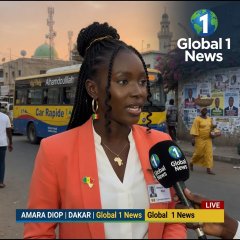
West Africa/Sahel Correspondent at Global1.News. Dakar-based journalist covering politics, security, climate, and development across Francophone and Anglophone West Africa. Tells the stories of a region undergoing profound transformation.











Comments (0)