
Iran Strikes Across the Region After US Retaliatory Bombardment Over Hormuz Attacks
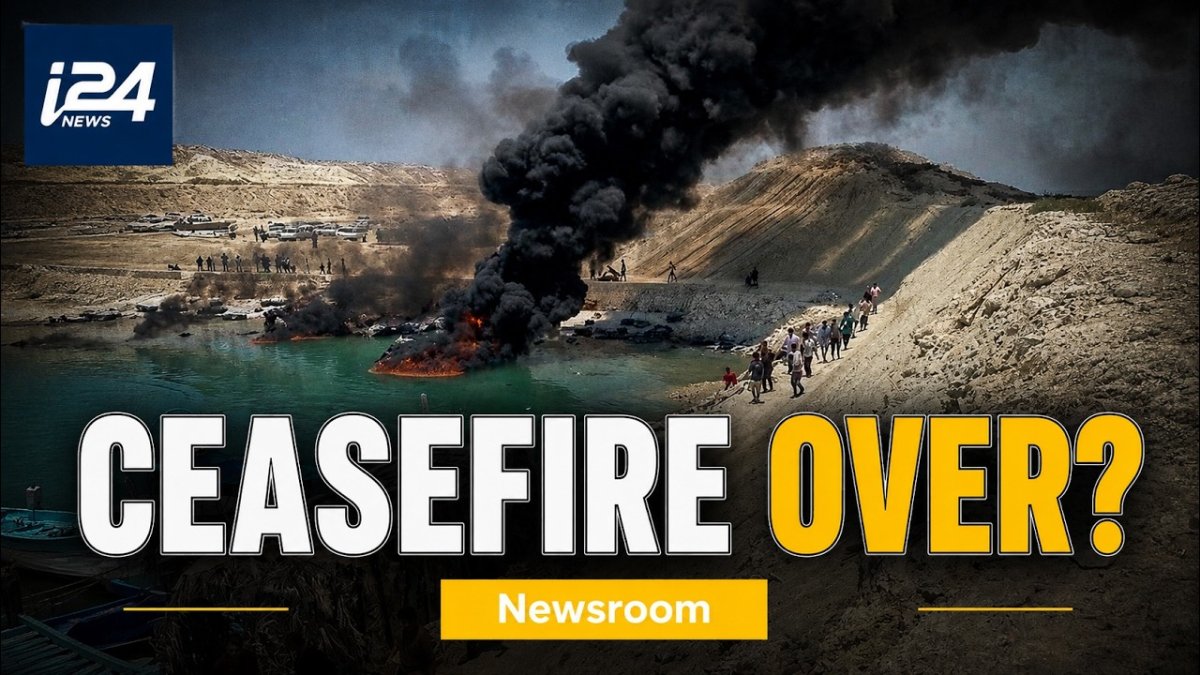
<p>In a recent i24NEWS report on the escalating exchanges between Washington and Tehran, the focus turned to how the US and Iran continue to trade fire, testing a fragile June ceasefire that neither side has formally abandoned. The sequence began when Iran attacked three commercial vessels in the Strait of Hormuz, prompting CENTCOM to launch precision strikes on more than 80 Iranian targets during the night of July 7-8. Those targets included air defense systems, coastal radar sites, anti-ship m

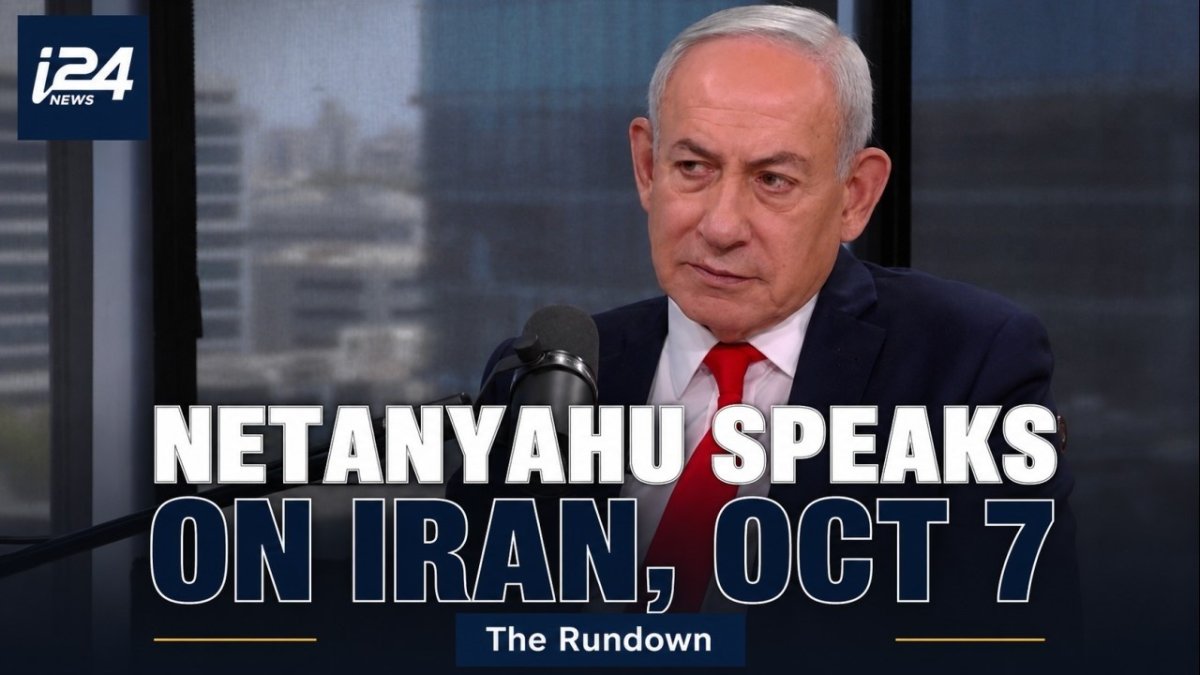
In a recent i24NEWS report on the escalating exchanges between Washington and Tehran, the focus turned to how the US and Iran continue to trade fire, testing a fragile June ceasefire that neither side has formally abandoned. The sequence began when Iran attacked three commercial vessels in the Strait of Hormuz, prompting CENTCOM to launch precision strikes on more than 80 Iranian targets during the night of July 7-8. Those targets included air defense systems, coastal radar sites, anti-ship missile capabilities, and over 60 IRGC small boats, with follow-on strikes the next night hitting Chabahar port and a railway bridge in Aqqala.
Iran Strikes Across the Region After US Retaliatory Bombardment Over Hormuz Attacks
Jerusalem — This week — The US and Iran are locked in a dangerous cycle of escalation that threatens to unravel the June ceasefire, with the first night of American strikes targeting over 80 military sites across southern Iran and Iranian counterstrikes hitting US-aligned positions in four Gulf states. The developments, tracked closely by the IDF and Israeli intelligence agencies, represent the most serious breach of the interim peace agreement since it was signed.
US Retaliatory Strikes Target Iranian Military Infrastructure
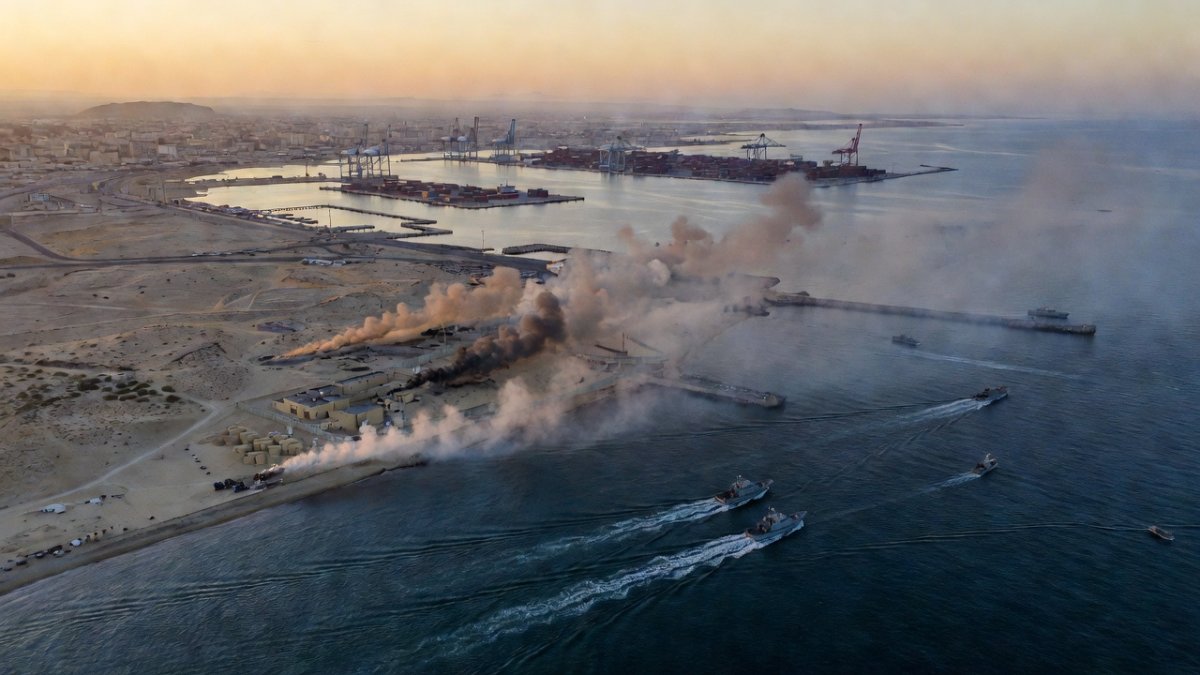
The first night of US action focused on Bandar Abbas and Bushehr, where eight members of the Iranian army were killed according to Iranian reports. CENTCOM confirmed the use of precision munitions against IRGC naval assets and coastal defenses that had supported attacks on shipping. The strikes expanded on the second night to Chabahar port, a key facility on Iran's southeastern coast, and the railway bridge in Aqqala, disrupting logistics routes used by IRGC units. Iran accused the United States of striking near a nuclear power plant during these operations, though CENTCOM maintained all targets were military in nature.
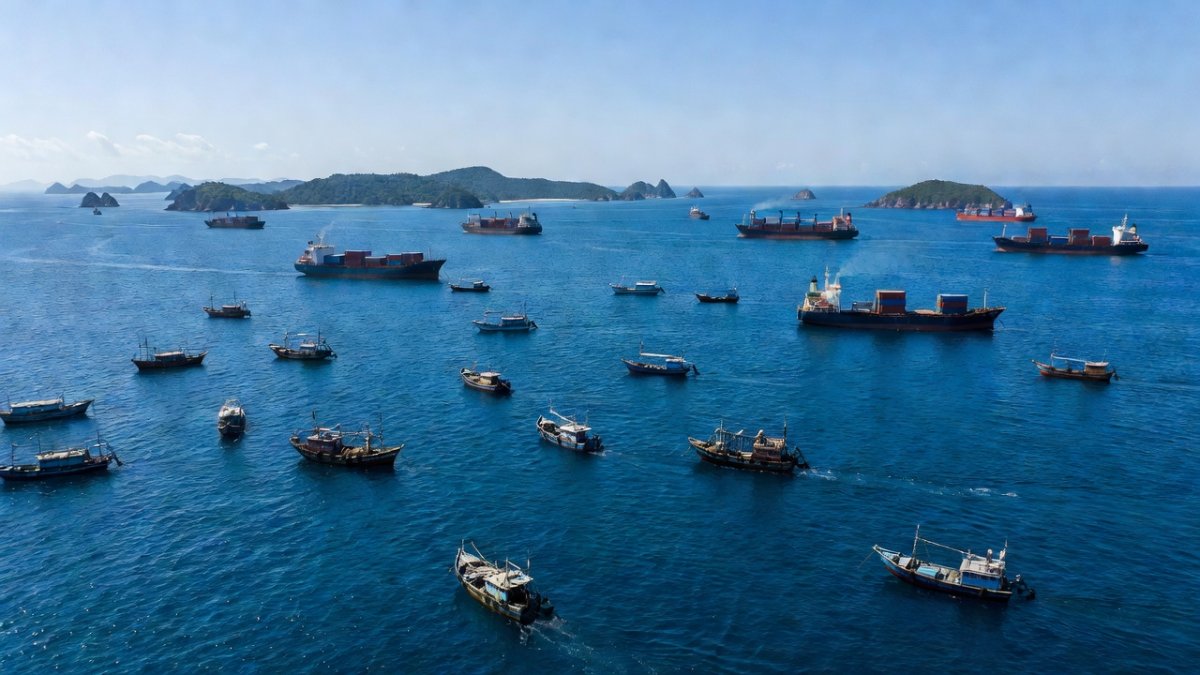
These actions directly responded to Iran's violation of the June ceasefire through attacks on three commercial vessels in the Strait of Hormuz. The UK Maritime Trade Operations issued warnings of deliberate hostile action in the waterway, affecting global shipping lanes that pass near Israeli ports and energy routes. For Israel, the disruption raises immediate concerns about energy security and potential ripple effects on maritime traffic through the Red Sea and Mediterranean approaches monitored by the IDF Navy.
Israeli officials in the Prime Minister's Office and Foreign Ministry have tracked these developments closely, noting that any sustained closure of the Strait would force adjustments in regional defense planning. The IDF has maintained heightened alert status along Israel's borders with Gaza and the West Bank while monitoring Iranian proxy activity in Lebanon and Syria. The strikes on IRGC boats and missile sites represent a direct degradation of capabilities that could otherwise threaten Israeli interests through the Houthis or Hezbollah supply lines.
Iran's Counterstrikes Hit US-Aligned Positions in Multiple Gulf States
Iran retaliated by striking US military sites in Kuwait, Qatar, Bahrain, and Jordan. The IRGC claimed it hit a US-linked air base in Jordan with ten missiles, though Jordan reported shooting down eight of them. These attacks marked the first direct Iranian strikes on US positions in those countries since the June ceasefire. Qatar stated that Iran bears full responsibility for the initial tanker strikes that triggered the cycle.
The involvement of Jordan carries particular weight for Israel, given the shared border and security coordination between the IDF and Jordanian forces. Any Iranian missile activity near Jordanian territory prompts immediate Israeli assessments of potential spillover into the Golan Heights or northern air defense zones. The IDF has reinforced Iron Dome and Arrow batteries in recent days while coordinating with US Central Command on threat tracking.
Foreign Ministry Spokesperson Ismail Baghaei accused the United States of violating the MoU clause on the Strait of Hormuz, claiming Washington had breached terms that Iran says require its own arrangements for reopening the waterway under the Islamabad MoU. This rhetoric signals Tehran's intent to maintain pressure on shipping lanes that Israel relies upon for stable energy imports and export routes.
Casualties Mount as Conflict Escalates Over Two Nights
Iranian health ministry figures indicate 14 people killed over the two nights of US strikes. In addition to the eight army personnel lost in Bandar Abbas and Bushehr, three IRGC soldiers were killed in Khuzestan province. These losses have been highlighted by Iranian state media to rally domestic support and justify further retaliation against US-aligned targets.
The human cost on the Iranian side has not altered the IRGC's operational posture, with continued threats to close the Strait of Hormuz unless Tehran dictates the terms of passage. For Israeli security planners, these casualty reports underscore the risk that Iran may accelerate proxy operations through groups in Gaza, the West Bank, or Lebanon to compensate for direct losses. The IDF Home Front Command has issued updated guidance to civilians in border communities while maintaining reserve call-up options.
Regional hospitals in Kuwait, Qatar, Bahrain, and Jordan have reported treating personnel following the Iranian missile barrages, though exact figures remain limited. The escalation has placed additional strain on medical and logistical resources that could indirectly affect Israeli-Jordanian cooperation on border security and counter-smuggling operations.
Threats to Close the Strait of Hormuz Heighten Global Concerns
Iran has threatened to close the Strait of Hormuz, stating it would reopen only under its own arrangements per the Islamabad MoU. The UKMTO warning of deliberate hostile action has already led shipping companies to reroute vessels, driving global oil prices higher. This development directly affects energy markets that Israel monitors through its National Security Council and Energy Ministry.
The contested waterway remains a critical chokepoint for oil flows from the Gulf, and any prolonged disruption would force Israel to accelerate diversification of energy sources and strengthen naval patrols in the Red Sea alongside international partners. The IDF has increased coordination with US and European naval assets to ensure freedom of navigation near Israeli waters.
Israeli analysts note that sustained Iranian control over the Strait would embolden Hezbollah and Hamas to test Israeli responses along northern and southern fronts. The Prime Minister's Office has convened security cabinet meetings to review contingency plans that include potential preemptive measures against Iranian weapons transfers through Syria and Iraq.
Israel Prepares for Potential Spillover Effects
Israel is bracing for possible renewal of fighting as US-Iran tensions mount. The IDF has elevated readiness levels across air, ground, and naval commands while monitoring Iranian attempts to resupply proxies. Jerusalem views the collapse of the Biden-negotiated ceasefire as evidence that diplomatic pauses alone cannot contain IRGC ambitions.
Shin Bet and Mossad have intensified intelligence collection on Iranian plans for asymmetric attacks that could reach Israeli territory through drones or missiles launched from third countries. The Knesset Foreign Affairs and Defense Committee has held closed sessions to review funding for additional Iron Dome interceptors and border fortifications.
Daily life in Tel Aviv and Jerusalem reflects the heightened alert, with increased security checks at public venues and transportation hubs. Israeli citizens with family in Jordan or the Gulf states have received travel advisories from the Foreign Ministry, underscoring how the Hormuz crisis extends beyond immediate military targets to affect civilian mobility and economic ties.
Political Reactions in Washington and Diplomatic Ramifications
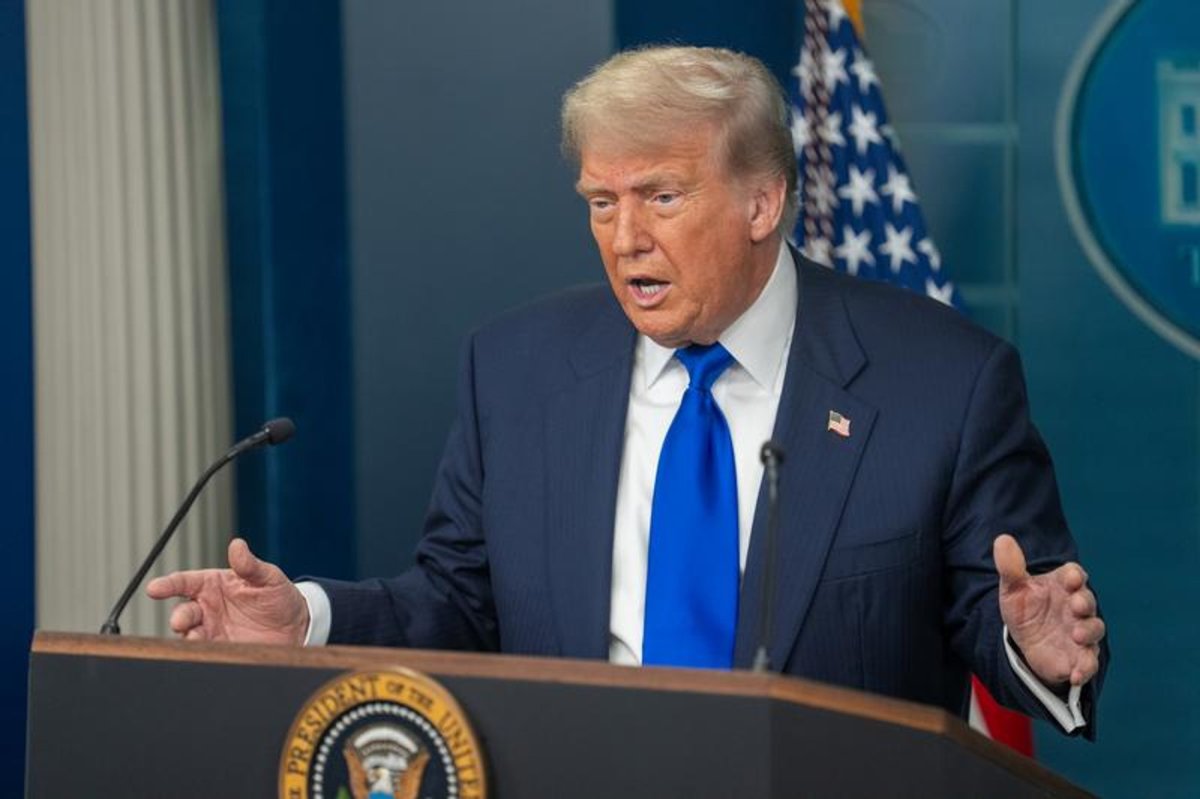
Trump, speaking from Ankara during the NATO summit, stated the United States would probably hit Iran again, adding that Washington has a score to settle. Democrats in Washington have expressed fury at the restarting of US attacks, creating domestic political pressure that could influence future decisions on military aid packages relevant to Israel.
The fact that neither side has officially called off the June ceasefire leaves open a narrow diplomatic channel, though Iranian accusations of US violations and American insistence on accountability for shipping attacks make immediate de-escalation unlikely. Israeli diplomats at the United Nations and in European capitals have emphasized the need for unified international pressure on Tehran to prevent further attacks on commercial vessels.
The surge in oil prices has prompted Israeli economic officials to assess impacts on domestic fuel costs and inflation targets set by the Bank of Israel. Regional partners in the Abraham Accords framework have also signaled concern, with quiet coordination underway to protect shared maritime interests against Iranian disruption. The coming days will test whether the current exchanges remain limited or expand into broader conflict affecting Israel's northern and southern borders simultaneously.
By Hannah Berg, Staff Writer
What's Your Reaction?
 Like
0
Like
0
 Dislike
0
Dislike
0
 Love
0
Love
0
 Funny
0
Funny
0
 Wow
0
Wow
0
 Sad
0
Sad
0
 Angry
0
Angry
0









Comments (0)