
Pet Cooling Tech: Japanese Innovations for Heatwaves
Japan's Intensifying Summers Drive Pet Tech Adaptation Japanese summers have regularly exceeded 35°C in recent years, prompting companies that developed cooling solutions for humans to extend those technologies to pets. The Japan Meteorological Agency has forecast above-normal temperatures across much of the country, increasing risks of heatstroke for animals that cannot regula
Japan's Intensifying Summers Drive Pet Tech Adaptation
Japanese summers have regularly exceeded 35°C in recent years, prompting companies that developed cooling solutions for humans to extend those technologies to pets. The Japan Meteorological Agency has forecast above-normal temperatures across much of the country, increasing risks of heatstroke for animals that cannot regulate body temperature as effectively as humans.
Businesses specializing in wearable fans, cooling fabrics, and portable air conditioners are now modifying these designs for dogs, cats, and other companion animals. This shift reflects both environmental pressures and the scale of Japan's pet ownership, where owners invest significantly in health and comfort products.
Core Technologies Being Repurposed for Animals
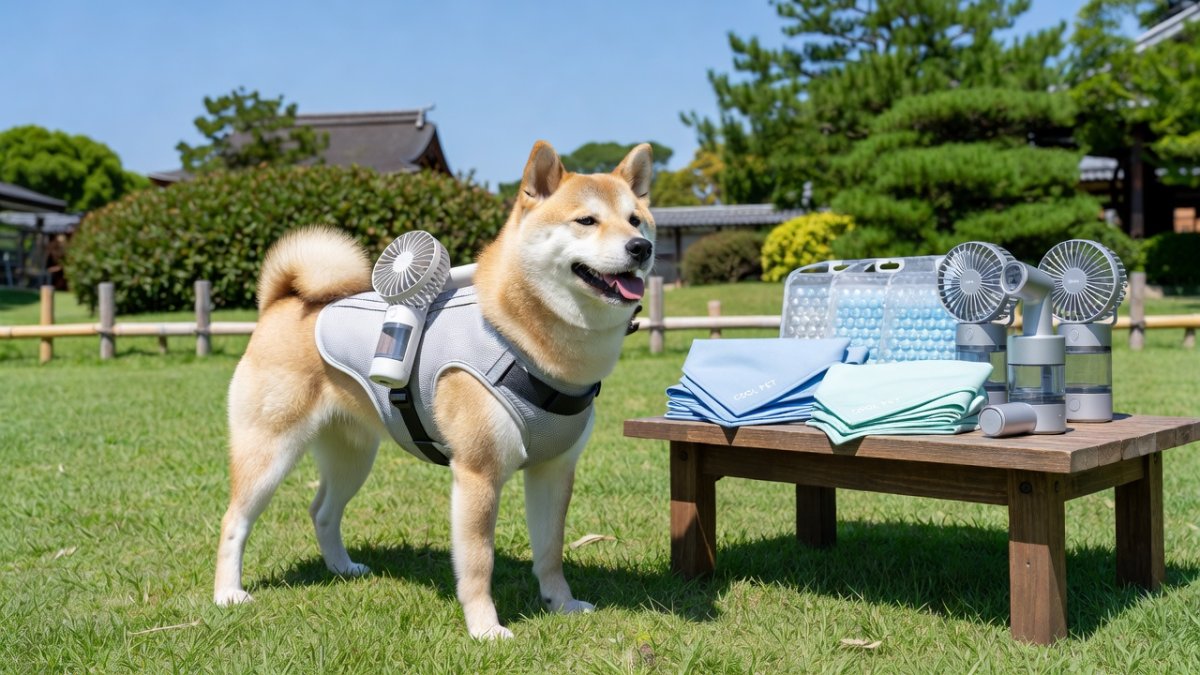
Portable fans originally designed for human clothing are being resized and fitted with harness attachments suitable for dogs. Cooling mats that use phase-change materials or gel packs are entering production lines previously dedicated to human apparel. Temperature-monitoring devices, once limited to wearable bands for people, now include collar-integrated sensors that alert owners via smartphone apps when a pet's body temperature rises sharply.
These adaptations leverage existing manufacturing expertise in lightweight materials and battery efficiency. Engineers focus on ensuring devices remain safe if chewed or exposed to water, addressing common pet behaviors that differ from human use cases.
Market Scale and Consumer Spending Patterns
Japan maintains a well-established pet product sector where households allocate substantial budgets to care items. Rising awareness of heat-related illnesses has accelerated demand for preventive tools. Owners increasingly seek products that combine functionality with comfort, such as vests that allow airflow while providing evaporative cooling.
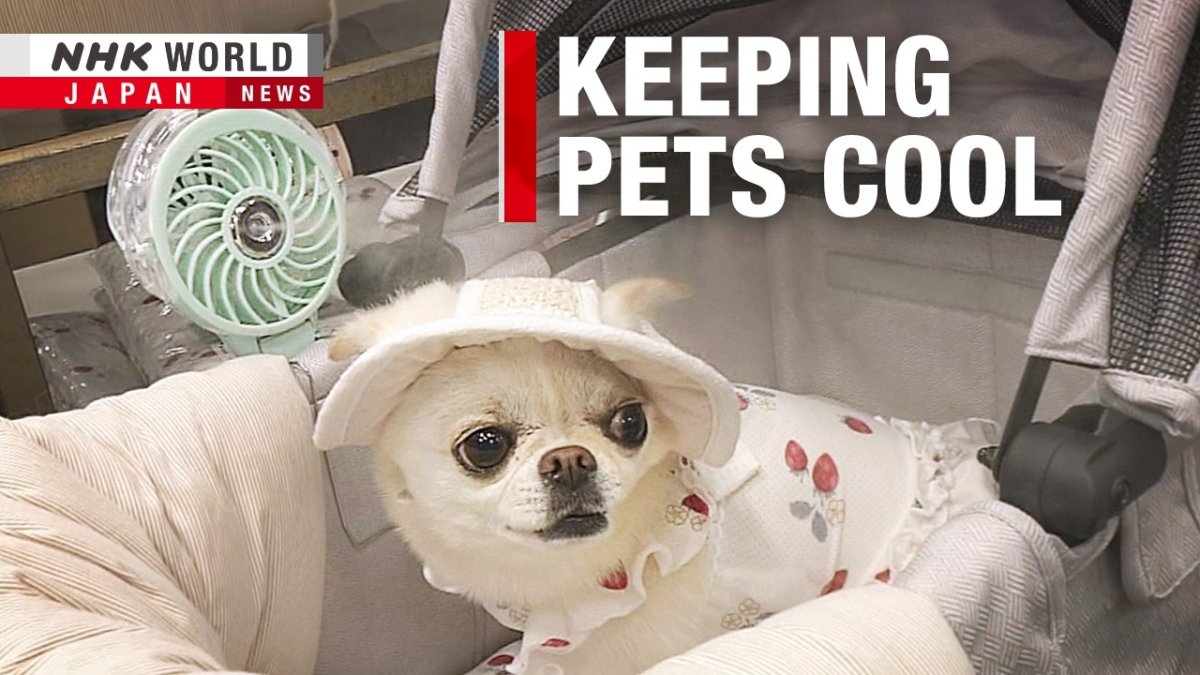
Retail channels report steady interest in portable fans sized for small and medium breeds, as well as monitoring collars that track activity alongside temperature. This demand aligns with broader trends in which Japanese consumers prioritize data-driven health management for pets.
Practical Challenges in Product Design and Testing
Developing effective pet cooling gear requires attention to fur density, body shape variation across breeds, and limited ability of animals to communicate discomfort. Prototypes undergo trials that measure surface temperature reduction and behavioral indicators of stress in controlled warm environments.
Regulatory considerations around electrical safety and material toxicity also apply, similar to standards for human wearable devices. Companies must balance cooling performance against weight and durability to avoid restricting natural movement.
Integration with National Climate and Technology Strategies
Japan's emphasis on Green Transformation (GX) and Society 5.0 encourages innovation that addresses climate impacts through advanced materials and digital monitoring. Pet cooling products represent a niche application of these priorities, extending human-centric technologies to support animal welfare during extreme weather.
While no specific government mandates target pet products, the broader policy environment favors solutions that reduce heat-related health burdens. Corporate Japan continues to refine these offerings as part of ongoing adaptation to rising average temperatures.
Outlook for Continued Development
Further refinements are expected in sensor accuracy and energy-efficient cooling mechanisms tailored to outdoor and indoor pet environments. As summers remain challenging, the intersection of established cooling expertise and pet care needs is likely to produce additional specialized items.
Owners can currently access cooling mats, vests, and basic monitoring tools through major retailers, with ongoing product iterations based on user feedback and performance data. This evolution illustrates how Japanese manufacturing adapts existing strengths to emerging welfare concerns.
By Kenji Tanaka, Staff Writer
This article was produced with AI-assisted research and editorial support. Reporting is based on sources cited in the article.
What's Your Reaction?
 Like
0
Like
0
 Dislike
0
Dislike
0
 Love
0
Love
0
 Funny
0
Funny
0
 Wow
0
Wow
0
 Sad
0
Sad
0
 Angry
0
Angry
0

Japan Correspondent at Global1.News. Tokyo-based voice covering Japanese politics, technology, economy, and culture. Tracks the intersection of tradition and innovation in one of the world's most dynamic societies.














Comments (0)