
How Israel-Morocco Relations Deepen Under Abraham Accords
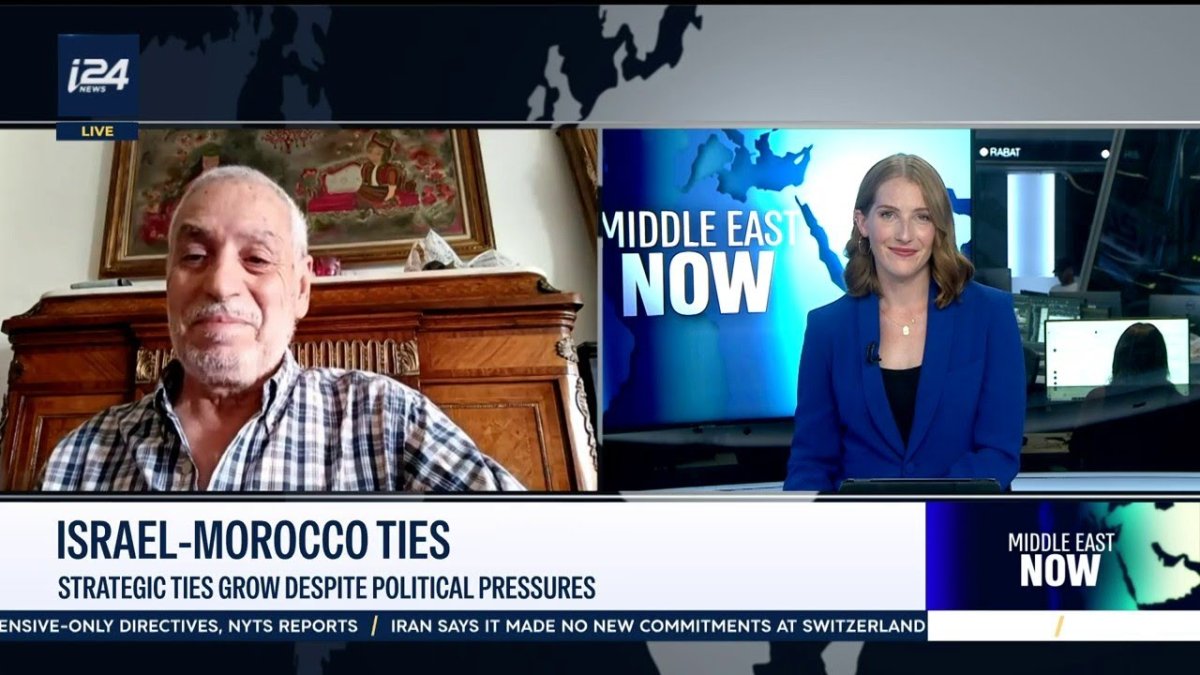
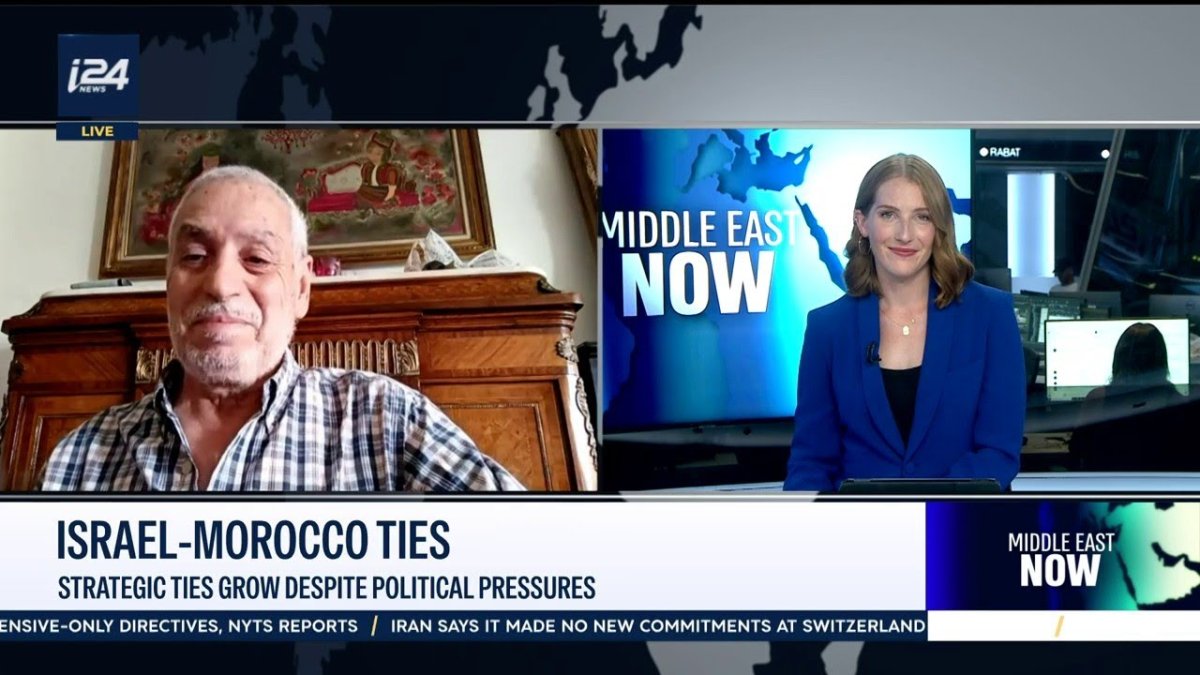
In a recent i24NEWS English YouTube video report titled "Why do Israel-Morocco ties keep deepening?" published today on June 27 2026, analysts examined how the bilateral relationship has shifted from symbolic gestures under the 2020 Abraham Accords to concrete strategic cooperation involving defense systems and intelligence sharing between Rabat and Jerusalem. Historical Founda
In a recent i24NEWS English YouTube video report titled "Why do Israel-Morocco ties keep deepening?" published today on June 27 2026, analysts examined how the bilateral relationship has shifted from symbolic gestures under the 2020 Abraham Accords to concrete strategic cooperation involving defense systems and intelligence sharing between Rabat and Jerusalem.
Historical Foundations in Shared Heritage
The partnership rests on 2,500 years of documented Jewish-Muslim coexistence in Morocco, a period scholars refer to as Convivencia. Dr. Mohamed Stetou, political analyst and senior professor at the University of Rabat, highlighted this record during the i24NEWS interview, noting continuous Jewish communities in cities such as Fez and Marrakesh until the mid-20th century.
Approximately one million Moroccan Jews and their descendants now reside in Israel, with large concentrations in Netanya and Ashdod. These families maintain active cultural associations that organize annual visits to Casablanca and Rabat, preserving property claims and family archives under agreements facilitated by the Israeli Foreign Ministry.
King Mohammed VI has publicly endorsed these ties through royal decrees that protect Jewish heritage sites in Morocco, including the restoration of synagogues in Essaouira completed in 2024. Israeli Prime Minister's Office officials have cited these steps as evidence of stable diplomatic channels that predate formal normalization.
Defense Cooperation and the US 2027 Defense Bill
The US 2027 defense bill allocates funding for a 10-year plan that expands American defense cooperation with Morocco, including drone technology transfers, joint military sites near the Strait of Gibraltar, and expanded exercises involving Israeli observers. This framework positions Morocco as a Western strategic anchor for both Israel and the United States in North Africa.
Israeli Defense Forces planners have participated in trilateral planning sessions with Moroccan and American counterparts focused on countering Iranian weapons smuggling routes through the Sahel. These sessions build on existing intelligence exchanges that began after the 2020 Abraham Accords signing in the White House.
Foreign Minister Gideon Sa'ar conducted an official visit to Rabat in recent weeks, meeting with Moroccan defense officials to discuss interoperability standards for surveillance systems. The Israeli Foreign Ministry confirmed that these talks addressed joint responses to Hezbollah supply lines extending from Iranian territory into West Africa.
Economic and Technological Partnerships
Israeli technology firms have opened offices in Casablanca's finance district, focusing on cybersecurity tools and agricultural drones adapted for Moroccan olive and citrus farms. These projects receive support from the Israeli Ministry of Economy and are coordinated through the Israeli embassy in Rabat.
Trade volumes between the two countries have grown through direct flights operated by Royal Air Maroc between Tel Aviv Ben Gurion Airport and Casablanca Mohammed V Airport. Israeli companies supply water desalination components used in Moroccan coastal projects near Agadir, reducing dependence on imported equipment from European suppliers.
The Knesset Foreign Affairs and Defense Committee reviewed progress on these economic links during its June 2026 session, noting that Moroccan ports offer Israeli exporters a secure gateway into sub-Saharan markets previously accessed through less stable routes.
Strategic Role After the Iran War
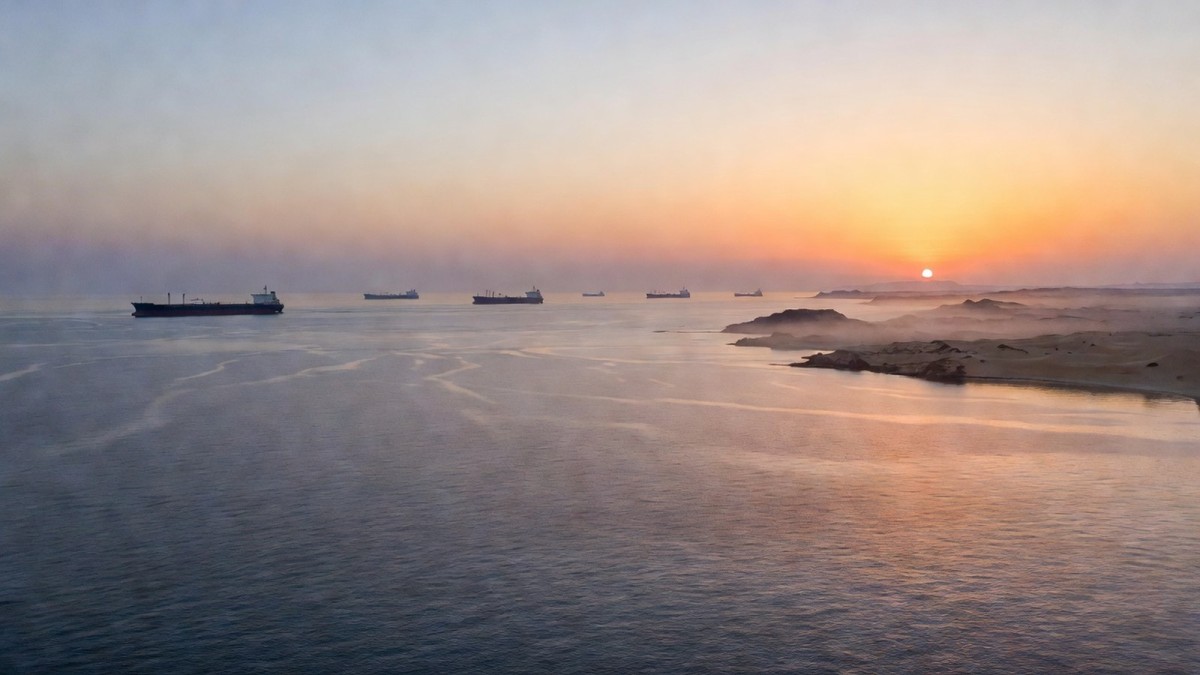
Following the recent Iran war, Israeli and Moroccan security establishments have accelerated discussions toward a formal alliance framework. The conflict exposed vulnerabilities in Iranian proxy networks across North Africa, prompting Rabat to increase coordination with Israeli intelligence services on monitoring activities linked to Tehran-backed groups.
Morocco serves as an open stage and stepping stone for Israeli engagement across the African continent. Israeli diplomats in Rabat have used this position to reopen channels with governments in Senegal and Ivory Coast, where Iranian influence operations had gained ground before the war.
Prime Minister's Office statements emphasize that these developments strengthen the Abraham Accords by demonstrating tangible security benefits beyond the original UAE and Bahrain signatories. The accords now function as a platform for containing Iranian expansion rather than solely advancing economic normalization.
Implications for Israeli Foreign Policy and Regional Dynamics
Israeli foreign policy under the current government treats Morocco as a reliable counterweight to Iranian efforts in the Maghreb and Sahel. This approach reduces Israel's reliance on European Union mediation in North African affairs and provides alternative diplomatic leverage in United Nations forums where Morocco holds influence.
Regional dynamics have shifted as Morocco distances itself from traditional Algerian alignments on Western Sahara issues. Israeli support for Moroccan positions in international bodies has been exchanged for expanded access to Moroccan airspace for IDF surveillance flights monitoring Iranian maritime movements in the Atlantic approaches.
Daily security assessments produced by the Shin Bet now incorporate Moroccan-sourced reporting on radical networks operating in migrant communities in Europe that trace origins to North African cities. This integration improves early-warning capabilities for threats directed at Israeli targets in Jerusalem and Tel Aviv.
Cultural Exchanges and Future Outlook
Cultural programs funded jointly by the Israeli Ministry of Culture and Moroccan authorities have brought Moroccan musicians to perform at festivals in Jerusalem and Israeli filmmakers to screen documentaries in Rabat. These initiatives sustain public support for the relationship among the one million Moroccan-origin Israelis who vote in Knesset elections.
Looking ahead, both governments plan additional military exercises in 2027 that will incorporate US drone assets under the new defense bill provisions. Israeli analysts expect these activities to formalize alliance structures that extend the Abraham Accords model into a durable North African security architecture.
The deepening partnership delivers concrete advantages for Israeli strategic interests by securing a stable southern flank and opening African markets at a time when Iranian influence remains a primary concern for defense planners in Tel Aviv.
By Hannah Berg, Staff Writer
This article was produced with AI-assisted research and editorial support. Reporting is based on sources cited in the article.
What's Your Reaction?
 Like
0
Like
0
 Dislike
0
Dislike
0
 Love
0
Love
0
 Funny
0
Funny
0
 Wow
0
Wow
0
 Sad
0
Sad
0
 Angry
0
Angry
0
Israel Correspondent at Global1.News. Based in Tel Aviv, covering Israeli politics, security, technology, and society. Provides balanced, deeply-sourced reporting on one of the most closely-watched regions in the world.









Comments (0)