
Venezuela Earthquake: 1,430 Dead, Nation in Crisis
The ground in northern Venezuela has not stopped trembling since the twin earthquakes struck on June 24, 2026, leaving a trail of shattered homes, overwhelmed hospitals, and families still digging through rubble for loved ones. With the death toll already surpassing 1,430 and rising daily, the humanitarian catastrophe unfolding across Yaracuy, La Guaira, Caracas, and neighborin
The ground in northern Venezuela has not stopped trembling since the twin earthquakes struck on June 24, 2026, leaving a trail of shattered homes, overwhelmed hospitals, and families still digging through rubble for loved ones. With the death toll already surpassing 1,430 and rising daily, the humanitarian catastrophe unfolding across Yaracuy, La Guaira, Caracas, and neighboring states has exposed the raw wounds of a nation already battered by years of economic collapse.
Venezuela Earthquake Death Toll Hits 1,430 as Humanitarian Crisis Deepens
Caracas, Venezuela — June 27, 2026 — Two powerful earthquakes measuring 7.2 and 7.5 magnitude struck just 39 seconds apart on June 24, 2026, centered in the Yaracuy region near San Felipe and Yumare, unleashing the strongest seismic activity Venezuela has endured in 123 years. The combined force has claimed at least 1,430 lives so far, injured between 3,300 and 3,360 people, and left an estimated 50,000 to 69,000 missing amid widespread communication blackouts. Across six states—Yaracuy, La Guaira, Caracas, Carabobo, Aragua, and Miranda—6.76 million people now require emergency aid according to the United Nations, while UNICEF reports 3.9 million children caught in the disaster zone. Physical damage is estimated at $6.7 billion, roughly 6 percent of Venezuela’s already fragile GDP, compounding a pre-existing humanitarian crisis that had left hospitals short on medicine and infrastructure crumbling long before the earth shook.
The Deadly Toll: Counting the Cost
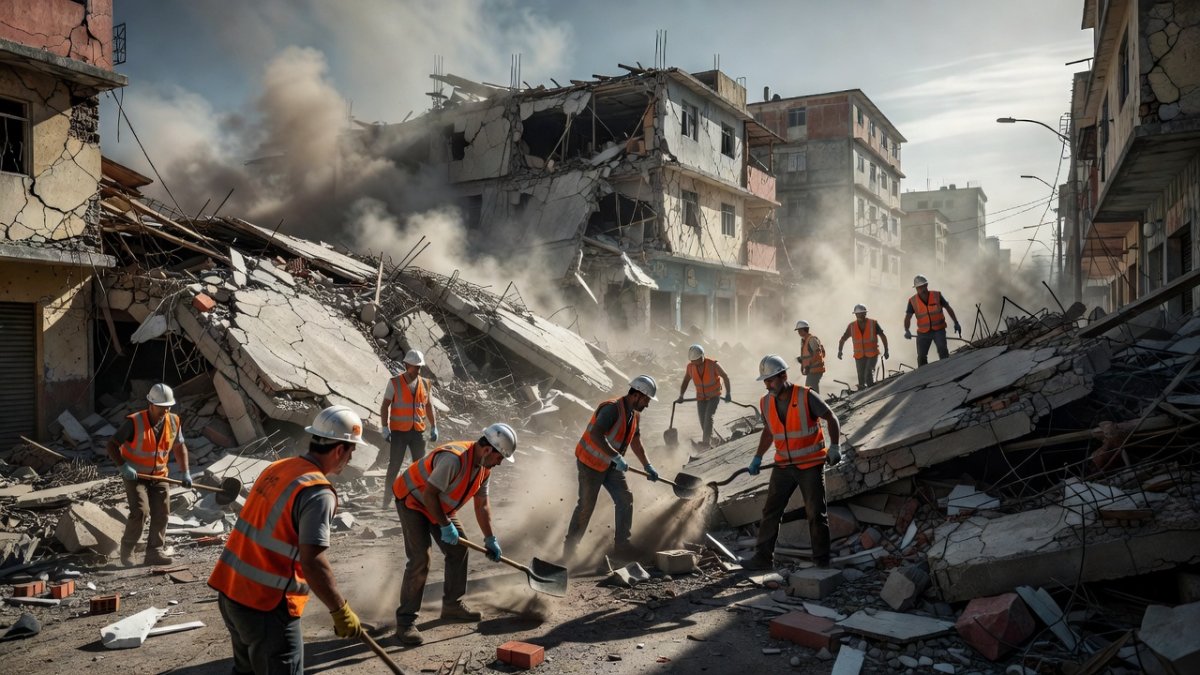
The numbers emerging from the Yaracuy epicenter paint a picture of staggering loss. The 7.2 and 7.5 magnitude quakes, arriving only 39 seconds apart, represent Venezuela’s most violent seismic event in 123 years, surpassing even the devastating 1900 temblor that reshaped the northern coast. Official counts place the death toll above 1,430 and climbing as rescue teams reach remote villages where entire neighborhoods collapsed into liquefaction zones. Between 3,300 and 3,360 people have been hospitalized with crush injuries, fractures, and internal trauma, while preliminary estimates suggest 50,000 to 69,000 remain missing—figures inflated by severed phone lines and blocked roads that prevent families from reporting survivors. The human cost extends far beyond statistics: in La Guaira and Caracas, grieving relatives wait outside collapsed apartment blocks, clutching photographs of the disappeared. FUNVISIS, Venezuela’s seismological institute, continues monitoring relentless aftershocks that keep residents sleeping in the streets, terrified of returning indoors. These figures arrive against the backdrop of Venezuela’s long-running economic and humanitarian emergency, where basic services were already stretched thin, turning a natural disaster into a multiplier of existing suffering across the northern states.
Hospitals Overwhelmed: A System Already in Crisis
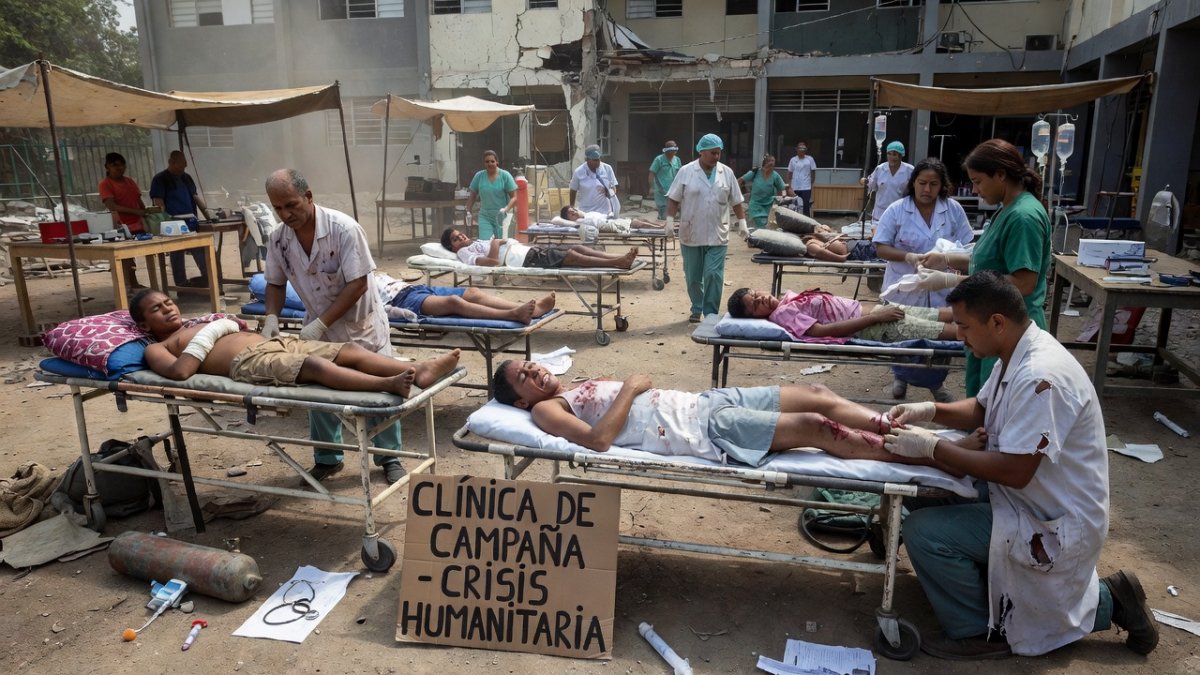
Thirteen hospitals across the affected region now stand damaged or partially destroyed, their corridors transformed into open-air wards where patients lie on gurneys beneath the sun and IV drips hang from tree branches. Morgues designed for two bodies are holding up to thirty corpses, with frequent power failures accelerating decomposition and forcing staff to work amid unbearable odors. At least one major facility operates without running water, compelling nurses to ration saline and clean wounds with bottled supplies that are themselves running low. In greater Caracas, only three ambulances remain functional, forcing families to carry the injured on improvised stretchers or wait hours for help that may never arrive. These conditions reflect not only quake damage but the deeper decay of Venezuela’s health system, already starved of resources before June 24. Doctors describe treating compound fractures with limited anesthesia while aftershocks rattle operating tables. The overwhelmed infrastructure underscores how the twin earthquakes have laid bare years of underinvestment, turning what should be centers of healing into scenes of desperation where the living and the dead share the same limited space.
Children and the Most Vulnerable
UNICEF estimates that 3.9 million children live in the six hardest-hit states, many now separated from parents, sleeping in displacement camps, or receiving treatment in hospital yards. The International Rescue Committee warns that recovery will stretch “monthslong, not weekslong,” as schools lie in ruins and child-protection networks—already fragile—face total collapse. Malnutrition rates that were climbing before the quakes now threaten to spike further amid disrupted food supplies and contaminated water. Pregnant women and the elderly compete for the same scarce medical attention, while orphaned children wander between aid points seeking relatives. The IRC’s assessment highlights that psychological trauma will linger long after rubble is cleared, with limited mental-health resources available in a country whose social services were decimated by the prior economic crisis. International aid workers describe scenes of children clutching toys pulled from collapsed homes, their eyes reflecting both fear and a fragile hope that help will continue arriving. These youngest victims embody the long-term stakes of the disaster, demanding sustained attention beyond the initial rescue phase.
International Rescue: A Global Response
Twenty-five countries have mobilized aid, dispatching more than 1,500 search-and-rescue personnel equipped with specialized tools to comb through pancaked buildings. The United States has pledged $150 million—$100 million routed through UN OCHA and $50 million to NGOs—while the European Union activated its Civil Protection Mechanism to coordinate heavy equipment and medical teams. Mexico has sent experienced urban search-and-rescue units familiar with similar seismic events in Latin America. UNDAC teams are already on the ground assessing needs alongside Venezuelan authorities and FUNVISIS experts tracking aftershocks. This outpouring reflects regional solidarity across Latin America, yet the scale of destruction—6.76 million people requiring emergency support—tests even the most generous donors. Coordination challenges persist as damaged roads and the compromised Maiquetía International Airport slow the arrival of heavy machinery. Still, the convergence of international expertise offers a narrow window of hope that more lives can be saved before the death toll climbs higher in the coming days.
Infrastructure in Ruins: The $6.7 Billion Question
The $6.7 billion in estimated physical damage equals roughly 6 percent of Venezuela’s GDP, a crushing blow to an economy already in freefall. Maiquetía International Airport sustained significant structural harm, grounding flights and complicating the influx of relief supplies. Roads and bridges throughout Yaracuy, La Guaira, and Miranda have buckled or liquefied, isolating communities and delaying heavy equipment. Power grids and water systems, long neglected, failed simultaneously, leaving hospitals without electricity or running water. The pre-existing decay of Venezuela’s infrastructure—exacerbated by years of underfunding—magnified every crack and collapse. Ports along the northern coast remain partially inoperable, threatening supply chains for food and medicine that were already precarious. Economists note that rebuilding costs could climb further once full assessments are complete, potentially pushing the final figure well beyond initial projections. This infrastructure catastrophe does not exist in isolation; it lands atop a nation whose roads, hospitals, and utilities were already failing millions before the ground shook on June 24.
The Bottom Line — A Long Road to Recovery
Recovery will stretch far beyond the initial weeks of search-and-rescue operations, with the IRC projecting a monthslong effort at minimum. Venezuela’s weakened state—marked by chronic shortages, emigration of skilled professionals, and limited state capacity—means that even generous international contributions of $150 million and personnel from 25 nations cannot instantly restore normalcy. Aftershocks continue to rattle nerves and structures alike, while the missing-person count may still rise once communication networks are restored. The 3.9 million children and 6.76 million people needing aid represent not just immediate survival but the future of an entire generation whose education, health, and safety have been further compromised. Regional partners across Latin America have shown solidarity, yet sustained funding and technical support will be essential to prevent this disaster from becoming a permanent scar. As FUNVISIS monitors ongoing seismic activity, the people of northern Venezuela face a test of resilience that will define the country for years to come. The path forward demands both urgent relief and long-term commitment to rebuilding what the earthquakes destroyed and what years of crisis had already eroded.
By Elena Vasquez, Staff Writer
This article was produced with AI-assisted research and editorial support. Reporting is based on sources cited in the article.
What's Your Reaction?
 Like
0
Like
0
 Dislike
0
Dislike
0
 Love
0
Love
0
 Funny
0
Funny
0
 Wow
0
Wow
0
 Sad
0
Sad
0
 Angry
0
Angry
0

Latin America Correspondent at Global1.News. Based in Mexico City, covering politics, economics, energy, and culture across the region. Brings an on-the-ground perspective to stories spanning from the Rio Grande to Patagonia.












Comments (0)