
Herzog Backs Trump's Iran Strategy as Hormuz Risks Mount
In a revealing July 2026 interview, Israeli President Isaac Herzog voiced unqualified support for President Donald Trump's Iran policy even as the recent US-Iran ceasefire unravels, spotlighting how Tehran's nuclear advances and maritime threats are reshaping energy security calculations and intensi
In a revealing July 2026 interview, Israeli President Isaac Herzog voiced unqualified support for President Donald Trump's Iran policy even as the recent US-Iran ceasefire unravels, spotlighting how Tehran's nuclear advances and maritime threats are reshaping energy security calculations and intensifying great-power competition across the Gulf. This stance reflects Israel's post-2023 strategic recalibration while underscoring Riyadh's parallel concerns that any diluted nuclear constraints could empower Iranian proxies and destabilize global oil flows. The developments arrive at a pivotal moment when US maximum-pressure tactics intersect with Chinese and European interests in the Strait of Hormuz.
Herzog Backs Trump's Iran Strategy as Risks Mount
Jerusalem, Israel - July 17, 2026 - Israeli President Isaac Herzog expressed complete trust in President Donald Trump's handling of Iran during his July 16-17, 2026, interview with Al Arabiya English's Counterpoints program. Speaking from Jerusalem, Herzog stated he was not surprised that the June 2026 US-Iran ceasefire and memorandum of understanding had begun to fray within weeks. His remarks illuminate the enduring fault lines of Middle East security where nuclear proliferation, energy chokepoints, and shifting alliances converge.
Section 1: Trust in Trump's Iran Strategy
Herzog's endorsement aligns with a broader Israeli strategic reassessment following the 2023 Hamas attack, which exposed vulnerabilities in deterrence. Israeli PMO statements have repeatedly framed Trump-era maximum pressure as more effective than the 2015 JCPOA, citing Tehran's post-deal uranium enrichment spikes to 60 percent. Carnegie Middle East Center analysts note that Gulf states, particularly Saudi Arabia's MOFA, quietly share this skepticism, fearing any revival of the original deal would embolden Iranian proxies without verifiable caps. Historical precedent reinforces Herzog's stance. The 2020 killing of Qasem Soleimani temporarily disrupted IRGC command chains but accelerated Iran's nuclear hedging. Chatham House reports highlight how this episode, combined with the 2019 Abqaiq attacks that halved Saudi oil output, convinced Riyadh that US credibility hinges on sustained economic and military leverage rather than episodic diplomacy. This convergence of views between Jerusalem and Gulf capitals illustrates how Trump's approach is perceived as a stabilizing deterrent amid rising regional volatility.
Section 2: Nuclear Program at the Core
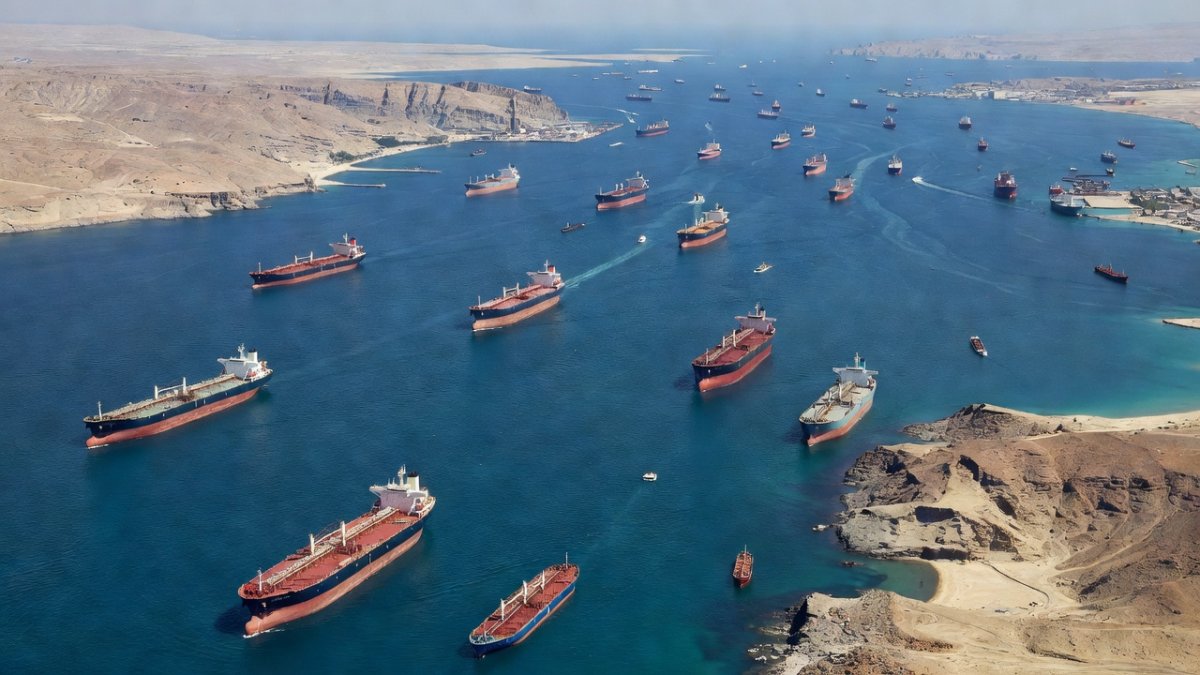
Herzog described Iran's nuclear program as the root cause of the war. He insisted any future agreement must block Tehran from acquiring nuclear weapons and from using the Strait of Hormuz as economic leverage. The waterway carries roughly 20 percent of global oil transit. Iran's Foreign Ministry has countered that enrichment remains peaceful, yet International Atomic Energy Agency data from early 2026 showed stockpiles exceeding 5,000 kg of near-weapons-grade material. This trajectory echoes the pre-JCPOA period when breakout estimates hovered near one year; today, Israeli and US assessments place it at weeks. International Crisis Group assessments warn that Sunni-Shia competition amplifies these fears, with Riyadh viewing a nuclear Iran as an existential shift in regional power balance. Energy security calculations further complicate diplomacy. Brent crude prices climbed above $92 per barrel after the July 2026 naval incidents, prompting Asian importers to accelerate diversification away from Hormuz-dependent supplies. Carnegie experts argue that any durable deal must therefore incorporate verifiable limits on both fissile material and proxy funding, lest economic leverage become a permanent Iranian bargaining chip.
Section 3: Strait of Hormuz as Flashpoint
Herzog condemned Iranian statements threatening to close the Strait. Background developments include the US naval blockade reinstated on July 13, six consecutive days of American strikes on Iranian targets, and Central Command firing on an oil tanker heading to Kharg Island. Iran's armed forces spokesman Ebrahim Zolfaghari declared the Strait would not return to its pre-war status. Germany, France, and the United Kingdom condemned Iranian attacks on shipping. These naval escalations revive memories of the 1980s Tanker War, when similar threats drove insurance rates for Gulf shipments to record highs. Current US Central Command deployments, supported by increased European naval contributions, reflect a coordinated effort to protect the 21 million barrels transiting daily. Iran's IRGC Navy has responded with asymmetric tactics, including drone and mine threats that echo the 2019 Abqaiq precedent of targeting energy infrastructure. Great-power dimensions are equally salient. Beijing's muted criticism of Iranian actions stems from its reliance on Gulf oil, yet Chinese state media have simultaneously accused Washington of militarizing the waterway to constrain Chinese influence. Saudi MOFA statements emphasize that stable Hormuz access remains non-negotiable for Vision 2030 diversification plans, underscoring why Riyadh has quietly expanded Abraham Accords-era security coordination with Israel.
Section 4: Diplomacy Amid Humanitarian Crisis
Herzog affirmed that a diplomatic solution is absolutely what needs to be done. He said his heart aches for every innocent civilian in Gaza. Herzog's call for renewed talks occurs against the backdrop of Gaza's humanitarian crisis. Israeli officials have linked Iranian nuclear ambitions to sustained support for Hamas and Hezbollah, arguing that civilian suffering in Gaza cannot be isolated from Tehran's regional strategy. International Crisis Group field reports document how proxy dynamics prolong fighting, with Iranian-supplied weapons sustaining militant capabilities. European governments have pressed for humanitarian pauses while maintaining sanctions pressure on Iran's nuclear program. French and German statements following the July 2026 shipping incidents tied civilian protection in Gaza to broader de-escalation. This dual emphasis on diplomacy and civilian welfare reveals the intricate balancing act facing Israeli leadership as it navigates domestic pressures and international expectations.
Section 5: Saudi-Israeli Normalization Vision
Herzog voiced his long-standing dream of peace with Saudi Arabia and Crown Prince Mohammed bin Salman. He praised both President Trump and Vice President Vance. Normalization momentum builds on the Abraham Accords framework. Saudi MOFA signals indicate that Crown Prince Mohammed bin Salman continues to condition full ties on US security guarantees and progress on Palestinian issues, yet shared concerns over Iranian nuclear and proxy threats have narrowed gaps with Jerusalem. Think-tank analysis from Chatham House suggests that a Trump-Vance administration could accelerate this trajectory by linking normalization to renewed maximum-pressure sanctions. Such alignment could reshape the regional security architecture by integrating Israeli technological capabilities with Saudi financial resources under a US security umbrella.
Section 6: Regional Strategic Calculus
The interview highlights the intersection of US-Iran competition, Israeli security, and Gulf states' energy vulnerabilities. European condemnation of Iranian shipping attacks reflects concerns over energy routes, while Chinese criticism signals Beijing's interest in limiting US influence. Sunni-Shia competition remains the underlying fault line. Saudi Arabia and the UAE have expanded defense spending - Riyadh's military budget now exceeds $80 billion annually - partly to counter Iranian influence operations. Meanwhile, China's mediation attempts in the Gulf reflect its desire to secure energy flows without ceding strategic ground to Washington. These overlapping interests demonstrate how local conflicts are increasingly embedded in global strategic rivalries.
Regional Implications
Any durable arrangement must address both proliferation risks and economic leverage through the Strait. Gulf capitals, European governments, and Asian energy importers all hold stakes. The 2026 crisis underscores how unresolved nuclear and maritime issues reverberate across multiple theaters, potentially driving further diversification of energy routes and deeper security coordination between Israel and moderate Arab states. Sustained US engagement remains essential to prevent escalation that could spike global oil prices and redraw alliance patterns for years to come.
By Malik Hassan, Staff Writer
This article was produced with AI-assisted research and editorial support. Reporting is based on sources cited in the article.
What's Your Reaction?
 Like
0
Like
0
 Dislike
0
Dislike
0
 Love
0
Love
0
 Funny
0
Funny
0
 Wow
0
Wow
0
 Sad
0
Sad
0
 Angry
0
Angry
0
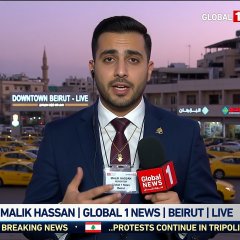
Middle East Correspondent at Global1.News. Based in Beirut, covering politics, conflict, energy, and society across the Middle East. Brings context and depth to a region often reduced to headlines.









Comments (0)