
Oil Spill in the Gulf of Paria — Questions Over Transparency and Shared Waters
The oil spill detected on May 1 at Heritage Petroleum Company Limited's offshore Main Field in the Gulf of Paria has placed fresh scrutiny on how Trinidad and Tobago manages environmental incidents in waters shared with its closest neighbour. Detected at approximately 7:25 a.m., the event involved an estimated 10 barrels of hydrocarbons and immediately raised questions about no
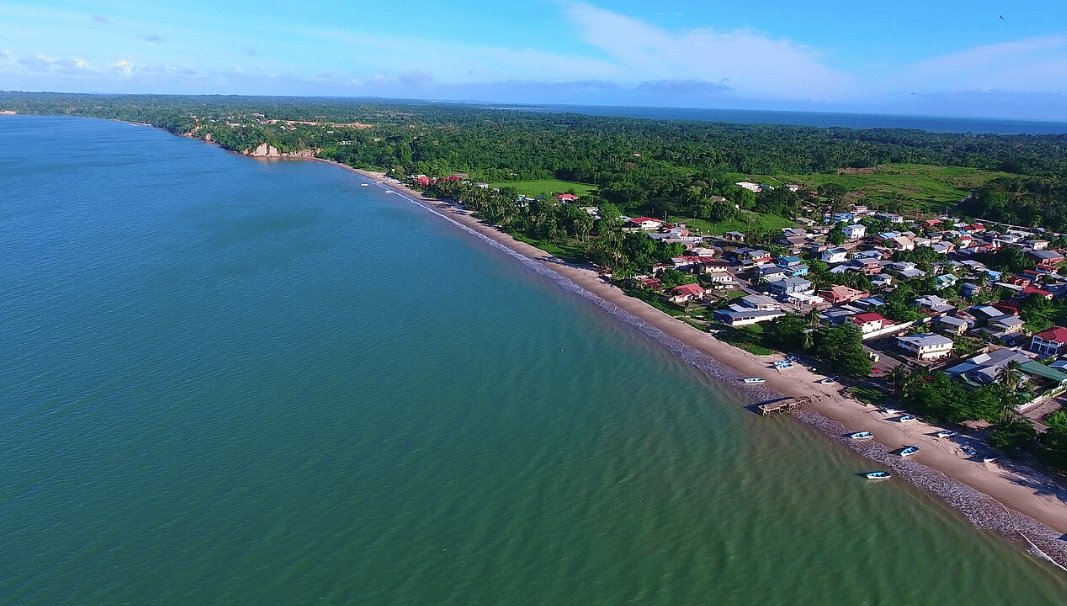
The oil spill detected on May 1 at Heritage Petroleum Company Limited's offshore Main Field in the Gulf of Paria has placed fresh scrutiny on how Trinidad and Tobago manages environmental incidents in waters shared with its closest neighbour. Detected at approximately 7:25 a.m., the event involved an estimated 10 barrels of hydrocarbons and immediately raised questions about notification procedures, community livelihoods, and the wider governance of Caribbean offshore zones.
Heritage Petroleum’s Central Role in the Local Energy Sector
Heritage Petroleum stands as a key player in Trinidad and Tobago’s energy landscape, operating facilities that support jobs and revenue in a country where the petroleum industry remains a major employer. The Main Field incident, though limited in volume, underscores the daily risks faced by workers and the surrounding marine environment. With energy sector employment tied directly to household incomes and the cost of living, any disruption or reputational damage from spills can ripple through families who depend on steady work in exploration and production. The company notified national authorities promptly yet chose not to issue a public statement, a decision that later drew criticism when details emerged through international channels.
Trajectory Modelling and the Decision to Use Chemical Dispersants
Trinidad and Tobago’s own spill trajectory modelling indicated that, if left untreated, the hydrocarbons could have crossed into Venezuelan waters. This finding prompted the deployment of chemical dispersants to contain the spread within local boundaries. While dispersants help break down oil, their use in the Gulf of Paria also highlights the delicate balance between rapid response and long-term ecological effects on shared marine habitats. Coastal communities along Trinidad’s western shore, already concerned about pollution affecting fish stocks and mangroves, now face renewed anxiety over how such incidents might influence the health of the waters they rely upon for fishing and recreation.
Venezuela’s Formal Demand for Information and Compensation
Venezuela formally demanded information and compensation from Trinidad and Tobago, stating that the spill originated in Trinidadian waters and posed risks of serious environmental damage to shared Gulf of Paria ecosystems. The episode has brought renewed attention to the longstanding maritime boundary disagreements between Trinidad and Tobago and Venezuela in the Gulf of Paria, without any assertion of new sovereignty claims. Port of Spain did not publicly disclose the incident until Venezuela raised the alarm internationally, leaving many residents to learn of the event through foreign statements rather than local channels.
Impact on Fishing Communities and Coastal Livelihoods
Fishing communities along the Gulf of Paria have long voiced worries about how even small releases of hydrocarbons can affect catches and the health of marine life. With the cost of living already high, any reduction in fish availability places extra pressure on household budgets and local markets. The May 1 spill, though estimated at only 10 barrels, serves as a reminder that offshore operations sit close to traditional fishing grounds. Families who have fished these waters for generations now question whether stronger safeguards and quicker public communication could prevent future harm to both the environment and their economic stability.
Stuart Young’s Call for an Immediate Investigation
Former Energy Minister Stuart Young, now in opposition, has demanded a full inquiry into the handling of the incident. “There must be an investigation now into who suppressed this information of an oil spill since May 1,” he stated. His remarks reflect broader public frustration over transparency and the need to understand why details remained internal until Venezuela’s intervention. Such calls resonate in a society where energy sector decisions affect employment, environmental quality, and national reputation.
Wider Implications for Caribbean Offshore Governance
The incident has revealed vulnerabilities in bilateral environmental governance between the two neighbours who share the Gulf of Paria. For the wider Caribbean, the dispute highlights the need for robust, pre-agreed notification and response frameworks for offshore incidents in shared maritime zones. Without clear cross-border protocols, small events risk escalating into diplomatic tensions that overshadow the common interest in protecting marine resources. Regional bodies and neighbouring states may now examine how to establish standing agreements that prioritise rapid information sharing and joint response planning.
Strengthening Notification Frameworks for Shared Waters
Trinidad and Tobago’s experience with the May 1 spill points to the practical value of formal notification systems that operate even before modelling confirms potential cross-boundary movement. Such frameworks could reduce uncertainty for coastal communities on both sides of the Gulf and support more coordinated use of resources like chemical dispersants. As the country balances energy production with environmental stewardship, clearer procedures may also help maintain public confidence in the institutions responsible for overseeing offshore activities.
By Sharon Sahatoo, Staff WriterThis article was produced with AI-assisted research and editorial support. Reporting is based on sources cited in the article.
What's Your Reaction?
 Like
0
Like
0
 Dislike
0
Dislike
0
 Love
0
Love
0
 Funny
0
Funny
0
 Wow
0
Wow
0
 Sad
0
Sad
0
 Angry
0
Angry
0

Caribbean Correspondent at Global1.News. Based in Port of Spain, Trinidad, covering Caribbean politics, economy, energy, climate, and culture. Amplifying the voices and stories of the Caribbean region.












Comments (0)