
Ghana's 95th-Minute Miracle Stuns Panama and Ignites African Hopes at World Cup 2026
The roar from township shebeens in Soweto to fan parks in Cape Town echoed across South Africa this week as Ghana snatched a 1-0 victory over Panama in the most dramatic fashion imaginable. Caleb Yirenkyi's 95th-minute strike at Toronto Stadium sent waves of pride through every African household tuned into SuperSport, reminding us all why the World Cup still stirs the soul of a
The roar from township shebeens in Soweto to fan parks in Cape Town echoed across South Africa this week as Ghana snatched a 1-0 victory over Panama in the most dramatic fashion imaginable. Caleb Yirenkyi's 95th-minute strike at Toronto Stadium sent waves of pride through every African household tuned into SuperSport, reminding us all why the World Cup still stirs the soul of a continent that first hosted the tournament in 2010. For South African supporters still chasing Bafana Bafana's next qualification dream, this result carried the same electric charge that filled Soccer City all those years ago.
Ghana's 95th-Minute Miracle Stuns Panama and Ignites African Hopes at World Cup 2026
Toronto, Canada — Ghana defeated Panama 1-0 in their FIFA World Cup 2026 Group L opener on Wednesday at Toronto Stadium, also known as BMO Field, a venue with a capacity of 45,523. Caleb Yirenkyi scored the winner in the 95th minute, the latest winning goal recorded in the tournament so far, after a build-up involving Brandon Thomas-Asante of Coventry City. Ghana manager Carlos Queiroz, contesting his fifth successive World Cup as a head coach after leading Portugal in 2010 and Iran in 2014, 2018 and 2022, watched his side overcome an injury to goalkeeper Lawrence Ati Zigi, who was replaced at halftime by Benjamin Asare. Panama created chances through Jiovany Ramos and Cristian Martinez but could not find the net, while Ghana fielded Marvin Senaya and Jonas Adjetey and missed the unavailable Thomas Partey. Queiroz said afterward: "I am tired. This was a really intensive game. The wins in this World Cup are very expensive. Our players have shown they are ready to pay a high price for victory." Panama largely controlled the first half before Ghana improved after the break. On the same day England beat Croatia 4-2, leaving the Group L standings after matchday one as England on three points with a plus-two goal difference, Ghana on three points with a plus-one goal difference, Croatia on zero points with a minus-two goal difference and Panama on zero points with a minus-one goal difference. Ghana next face England on June 23 and Croatia on June 27.
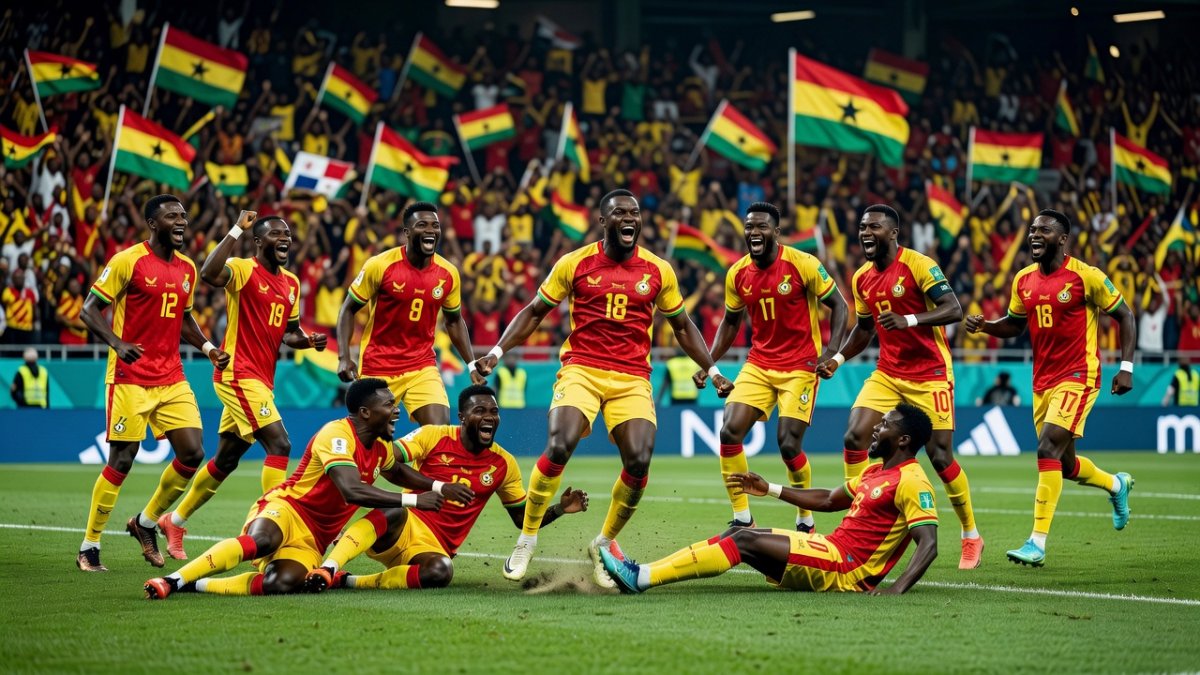
The 95th-Minute Strike That Shook the Continent
Caleb Yirenkyi's goal in the 95th minute arrived after sustained pressure and a clever link-up that featured Brandon Thomas-Asante, turning a tightly contested match into a moment of pure African celebration. South African viewers gathered in shebeens from Durban to the Cape Flats understood immediately what this late drama meant, because they have lived through similar heart-stopping finishes during Bafana Bafana's own World Cup campaigns in 1998, 2002 and 2010. The timing of the strike, the latest winner recorded so far, underlined how expensive every point remains in this expanded tournament, and it sent immediate ripples through SAFA youth structures where coaches constantly preach the value of persistence until the final whistle. For fans who still talk about the 2010 Soccer City nights, this goal revived the same communal electricity that once filled fan parks across Gauteng and the Western Cape.
Queiroz Brings 2010 Memories Back to Life
Carlos Queiroz's presence on the Ghana bench carried special weight for South African supporters because he coached Portugal at the 2010 World Cup right here at Soccer City in Johannesburg. That tournament transformed how the nation viewed itself on the global stage, and Queiroz's return to the World Cup stage with an African side now links those historic fan-park gatherings to the current generation watching via SuperSport. His post-match admission that the wins are expensive resonated deeply with anyone who remembers the sacrifices made by South African football administrators and players alike during the 2010 legacy projects. The Portuguese coach's experience across five successive World Cups gives Ghana a tactical maturity that SAFA development programmes, including the MultiChoice Diski Challenge and the PSL, are still working to replicate at youth level.
Injury, Halftime Changes and First-Half Realities
Lawrence Ati Zigi's first-half injury forced Benjamin Asare into action at the break, testing Ghana's depth at the most critical moment of their Group L opener. Panama had largely controlled proceedings before the interval, with Jiovany Ramos firing over and Cristian Martinez twice coming close, yet the Black Stars refused to fold. South African fans watching from township viewing parties recognised the familiar pattern of an African side absorbing pressure before finding rhythm, a story that mirrors Bafana Bafana's own qualifying campaigns where resilience often decides outcomes. The forced substitution highlighted the physical demands of World Cup football and the importance of squad depth, something SASCOC and SAFA continue to debate when comparing funding models with other African federations.
Second-Half Turnaround and Emerging Stars
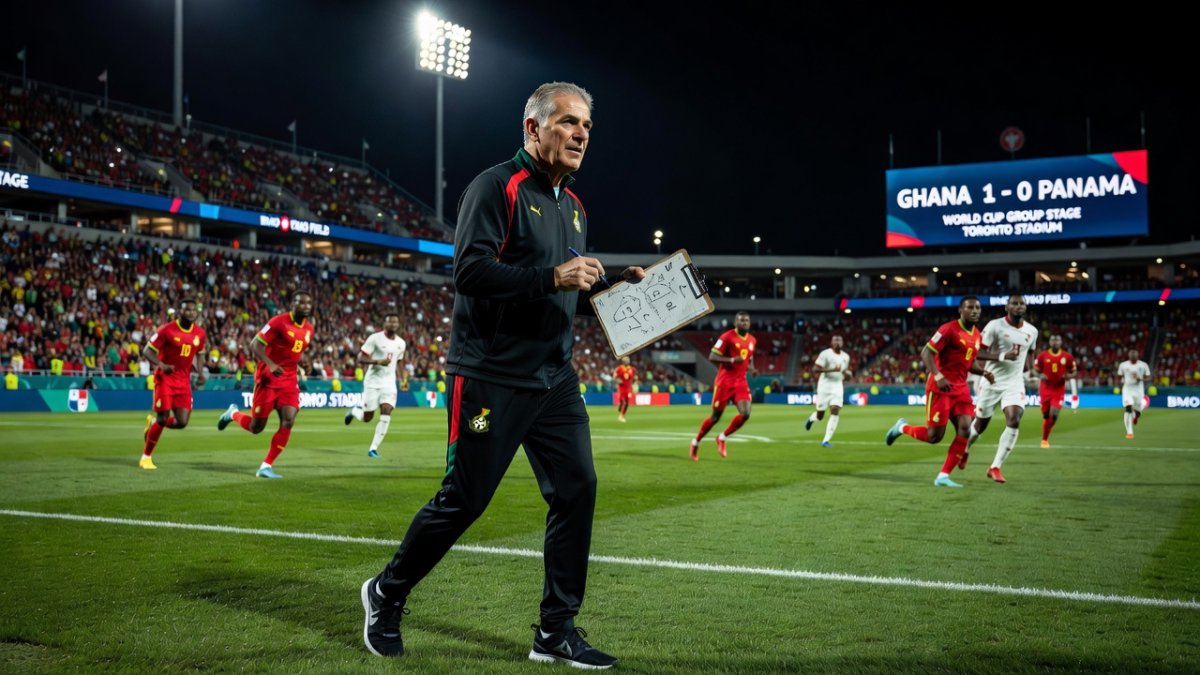
After the restart Ghana grew into the contest, with Marvin Senaya and Jonas Adjetey adding energy and defensive steel that helped shift momentum. Brandon Thomas-Asante's involvement in the build-up to the winning goal showed how players based in European leagues can still deliver for their nations when the stakes are highest. For South African supporters, these individual breakthroughs echo the transformation parallels between SA and Ghanaian football, where both countries have invested in exporting talent while strengthening domestic leagues. The improvement after the break proved that Queiroz's halftime adjustments worked, offering a template that local coaches in the PSL study closely when preparing for high-pressure matches.
What Ghana's Win Means for South African Football Hopes
Ghana's victory carries weight far beyond Group L because every African result at this World Cup reflects on the entire continent, including Bafana Bafana's ongoing 2026 qualifying efforts. South African fans in sports bars and community halls understand that Ghana's success validates the collective push for better SASCOC funding and stronger youth pathways, much like the MultiChoice Diski Challenge aims to do at home. The result also revives conversations about how 2010 legacy infrastructure, from fan parks to community gatherings, still fuels national pride whenever an African team triumphs. When Ghana next line up against England and Croatia, South African viewers will be measuring those matches against their own hopes for greater African representation and deeper runs in future tournaments.
Group L Landscape After Matchday One
England's 4-2 win over Croatia on the same day set a high-scoring tone in Group L, yet Ghana's narrow victory placed them level on points with the English side, albeit with a narrower goal difference. The standings after matchday one show how fine the margins remain, with Croatia and Panama still searching for their first points. South African analysts watching these results immediately draw comparisons to Bafana Bafana's own group-stage experiences, where every goal difference can decide progression. Ghana's position after this opener gives them momentum heading into the June 23 clash with England, a fixture that will test whether the late heroics against Panama can be repeated under even greater scrutiny.
What to Watch For
Ghana face England on June 23 and Croatia on June 27, two fixtures that will determine whether this opening win becomes the platform for a deeper run. South African supporters will be tracking how Carlos Queiroz manages squad rotation after the physical demands already shown against Panama, especially with Benjamin Asare now established as the starting goalkeeper. The continued absence of Thomas Partey adds another layer of tactical planning that local coaches in the PSL will study for their own high-stakes matches. Every Ghana performance carries extra meaning for fans across Gauteng and the Western Cape who still cherish the 2010 memories and want to see African teams build on that foundation. The result has already sparked fresh conversations in shebeens and sports bars about what sustained investment in youth development can achieve when the world is watching.
By Dante Williams, Staff Writer
This article was produced with AI-assisted research and editorial support. Reporting is based on sources cited in the article.
What's Your Reaction?
 Like
0
Like
0
 Dislike
0
Dislike
0
 Love
0
Love
0
 Funny
0
Funny
0
 Wow
0
Wow
0
 Sad
0
Sad
0
 Angry
0
Angry
0

Breaking News and Investigations Correspondent at Global1.News. Based in London, covering global breaking news, security, and investigative stories. Known for digging deeper and connecting the dots across continents.










Comments (0)