
Gaza Doctor Recounts Israeli Arrest and Detention
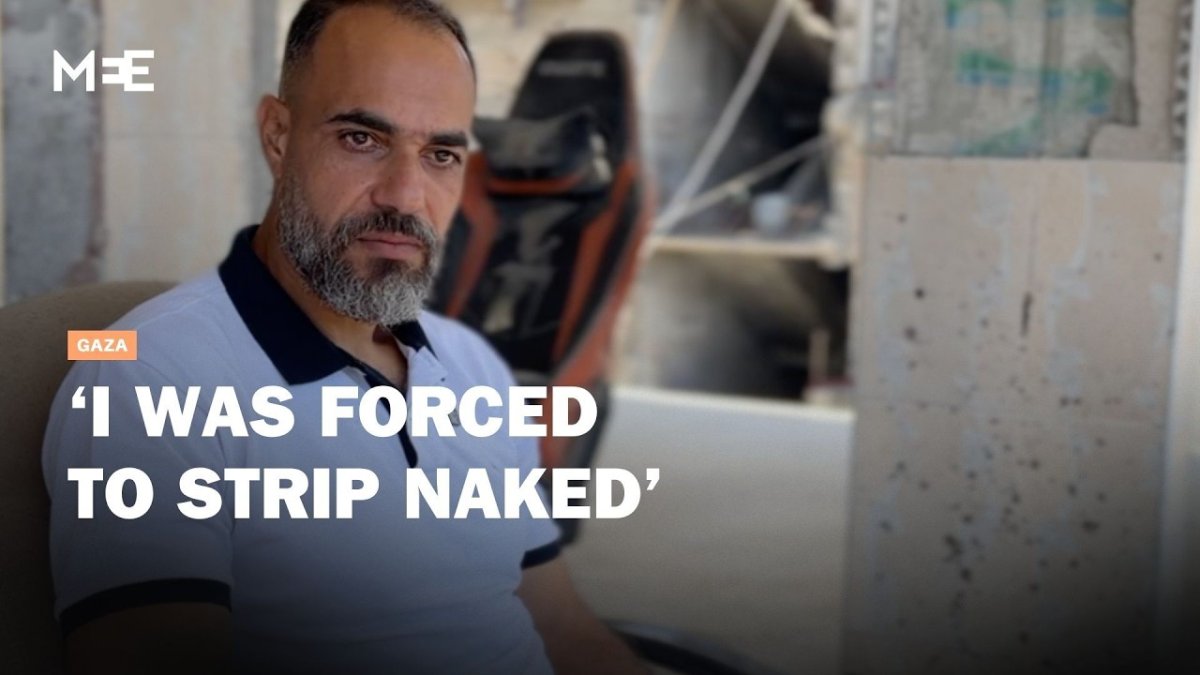
In a Middle East Eye YouTube video titled "Gaza doctor recounts Israeli arrest and detention," a Palestinian physician from Gaza provides a firsthand account of his sudden arrest by Israeli forces, prolonged interrogation under duress, and the dehumanizing conditions he faced during detention. The doctor describes being taken from his home without warning, subjected to psycholo
In a Middle East Eye YouTube video titled "Gaza doctor recounts Israeli arrest and detention," a Palestinian physician from Gaza provides a firsthand account of his sudden arrest by Israeli forces, prolonged interrogation under duress, and the dehumanizing conditions he faced during detention. The doctor describes being taken from his home without warning, subjected to psychological pressure, and held in facilities where basic rights were routinely denied. His testimony underscores the vulnerability of medical workers who continue treating patients amid bombardment and siege. This video has amplified calls for accountability, revealing how such detentions disrupt healthcare delivery and instill fear across Gaza's medical community. The account serves as a stark reminder of the human rights implications in conflict zones where healers are targeted.
The Doctor's Account of Arrest and Interrogation
The Palestinian doctor featured in the Middle East Eye video, identified as a surgeon from Gaza's Al-Shifa Hospital, detailed his arrest on a quiet evening in early 2024. Israeli forces raided his residence in the middle of the night, blindfolding and handcuffing him before transporting him to an undisclosed interrogation center. During sessions lasting up to 18 hours, interrogators accused him of ties to militant groups despite his repeated assertions of neutrality as a surgeon treating all patients. the physician described sleep deprivation tactics, threats against his family, and demands for information on hospital operations. He recounted being questioned about colleagues and medical supply routes, tactics that human rights groups like the Palestinian Center for Human Rights have documented as systematic. Organizations including Amnesty International have highlighted similar cases where medical personnel face accusations without evidence. the physician's release after 45 days came with strict conditions, including movement restrictions that prevent his return to full duties. His story illustrates the erosion of medical neutrality, where doctors are viewed through a security lens rather than as protected civilians under international conventions. Analysis from the United Nations Office for the Coordination of Humanitarian Affairs notes that such interrogations often aim to extract intelligence on resistance networks, placing physicians in impossible positions. The psychological impact lingers, with the physician reporting ongoing anxiety that affects his ability to focus during surgeries. This personal narrative aligns with broader patterns reported by the World Health Organization, emphasizing how arrests fracture trust within Gaza's already strained medical workforce. Families of detained doctors frequently report similar experiences, amplifying community-wide trauma and deterring young professionals from entering the field.
Systematic Targeting of Medical Workers in Gaza
Israeli military operations in Gaza have resulted in the documented detention of over 300 medical workers since October 2023, according to data compiled by the Gaza Health Ministry and corroborated by the World Health Organization. Hospitals such as Al-Shifa and Al-Aqsa Martyrs have seen repeated raids where surgeons, nurses, and paramedics were taken into custody on vague security pretexts. The International Committee of the Red Cross has repeatedly called for the protection of healthcare personnel under the Geneva Conventions, yet reports from Human Rights Watch detail instances of medics being shot while wearing clear insignia. This pattern extends beyond arrests to include the destruction of medical infrastructure, with more than 30 hospitals partially or fully damaged. Analysts from the Euro-Mediterranean Human Rights Monitor argue that targeting medical workers serves to demoralize the population and hinder emergency response capabilities. Specific cases include the detention of Dr. Adnan Al-Bursh, a prominent orthopedic surgeon, whose arrest drew international condemnation from the British Medical Association. Such actions disrupt vaccination campaigns and chronic disease management, leading to preventable deaths. Palestinian medical unions have organized strikes in protest, highlighting how detentions create staffing shortages that force remaining workers to handle triple their normal caseloads. The strategy appears coordinated, with checkpoints often delaying ambulances and medical convoys for hours. This systematic approach violates principles established by the Additional Protocol I to the Geneva Conventions, which mandates respect for medical missions. International observers note that these detentions rarely result in formal charges, suggesting they function more as tools of intimidation than legitimate security measures. The cumulative effect weakens Gaza's ability to respond to both war injuries and endemic health crises like cholera outbreaks.
Conditions Inside Israeli Detention Facilities
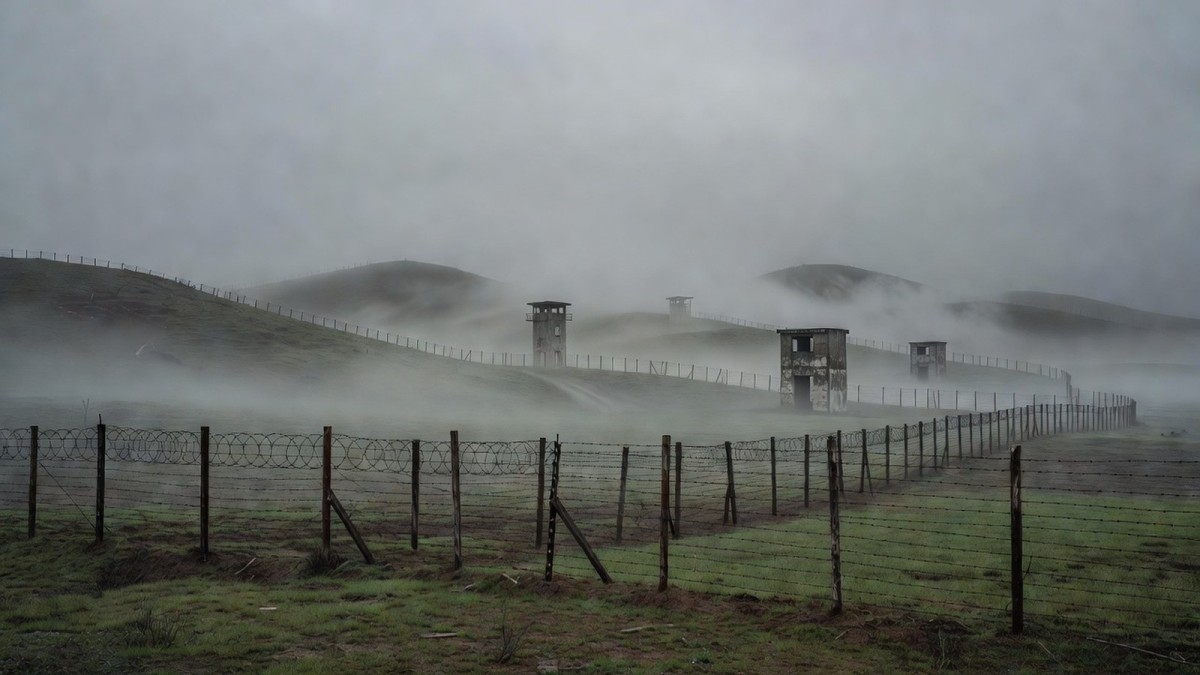
Detainees like the physician describe Israeli facilities such as the Sde Teiman camp and Ofer Prison as sites of routine mistreatment, including prolonged solitary confinement and inadequate medical care for existing conditions. The Public Committee Against Torture in Israel has documented cases where Palestinian prisoners, including medical professionals, endure beatings during transfers and denial of necessary medications. the physician reported being held in overcrowded cells with limited access to sanitation, leading to skin infections that went untreated for weeks. Food rations were minimal, consisting mainly of bread and water, causing significant weight loss among detainees. The United Nations Special Rapporteur on the situation of human rights in the Palestinian territories has flagged these conditions as potential violations of the Convention Against Torture. Medical workers face additional hardships, such as interrogators pressuring them to sign confessions implicating colleagues in fabricated plots. Release often occurs without explanation, leaving individuals to navigate reentry into a devastated healthcare system. Families receive little information during detention periods, exacerbating emotional distress. Reports from Addameer Prisoner Support and Human Rights Association indicate that over 40 percent of detained medics experience long-term health complications post-release, including post-traumatic stress disorder. These conditions contrast sharply with Israel's obligations under international humanitarian law to ensure humane treatment. The lack of independent monitoring in many facilities allows abuses to persist unchecked, as noted in annual reports by the International Commission of Jurists.
Collapse of Gaza's Healthcare System Under War and Arrests
Gaza's healthcare infrastructure has neared total collapse due to the combined effects of military strikes and the detention of essential personnel. With more than 800 healthcare workers killed or detained since the conflict escalated, according to WHO tallies, remaining staff struggle to maintain basic services at facilities like Nasser Medical Complex. The arrest of specialists in fields such as oncology and pediatrics has halted critical treatments, resulting in rising mortality rates from treatable conditions. The Palestinian Ministry of Health reports that over 70 percent of medical equipment is non-functional due to power shortages and lack of spare parts, compounded by staffing gaps from detentions. International aid organizations like Médecins Sans Frontières have withdrawn personnel citing safety concerns, further straining resources. Economic analyses from the World Bank estimate reconstruction costs exceeding $10 billion, with human capital losses from detained doctors representing an irreplaceable setback. Community health programs for maternal care and mental health support have been suspended, leading to increased cases of malnutrition among children. The systematic removal of medical expertise creates a vacuum that local volunteers attempt to fill, often without adequate training. This collapse not only affects immediate war casualties but also long-term public health outcomes, including the spread of infectious diseases in displacement camps. Efforts by the United Nations Relief and Works Agency to coordinate mobile clinics face repeated obstructions at checkpoints.
International Law and Accountability for Targeting Medics
Under the Geneva Conventions and their Additional Protocols, medical personnel enjoy protected status during armed conflicts, a principle repeatedly violated in Gaza according to legal experts at the International Court of Justice. The Rome Statute of the International Criminal Court classifies intentional attacks on healthcare workers as war crimes, prompting calls from Amnesty International for investigations into Israeli practices. Despite these frameworks, accountability remains elusive, with few prosecutions recorded in similar past conflicts. The UN Human Rights Council has passed resolutions condemning the targeting of medics, yet enforcement mechanisms lack teeth without state cooperation. Palestinian human rights groups such as Al-Haq have submitted detailed dossiers to the ICC detailing patterns of arrests and facility raids. Scholars from the Harvard Program on Humanitarian Policy argue that the failure to uphold medical neutrality sets dangerous precedents for future wars. Diplomatic efforts by the European Union to impose sanctions on responsible officials have stalled amid geopolitical divisions. This legal vacuum allows the cycle of detentions to continue, undermining global norms established after World War II. Civil society campaigns, including those led by the International Physicians for the Prevention of Nuclear War, seek to raise awareness and pressure for independent inquiries. Without robust accountability, the protection of healthcare in conflict zones risks becoming symbolic rather than substantive.
Families Left Behind: The Human Cost of Detention
The detention of Gaza's doctors imposes profound emotional and economic burdens on their families, many of whom face poverty after losing primary breadwinners. Wives and children of detained physicians, such as those of the physician, describe months of uncertainty marked by limited communication and financial hardship. Local charities like the Palestine Children's Relief Fund have stepped in to provide food baskets, yet demand far exceeds supply. Psychological support remains scarce, with trauma manifesting in children's behavioral issues and academic decline. Extended family networks absorb some caregiving responsibilities, but the absence of fathers during critical developmental years leaves lasting scars. Economic studies by the Palestinian Economic Policy Research Institute show household incomes dropping by an average of 60 percent following such arrests. Women often assume new roles in informal economies, selling handmade goods to sustain households. Community solidarity events organized by women's groups offer temporary relief but cannot replace systemic support. The human cost extends intergenerationally, as young relatives reconsider medical careers due to perceived risks. These stories humanize the statistics, revealing how detentions fracture social fabrics already strained by prolonged conflict and blockade.
By Fatima Al-Rashid, Staff WriterThis article was produced with AI-assisted research and editorial support. Reporting is based on sources cited in the article.
What's Your Reaction?
 Like
0
Like
0
 Dislike
0
Dislike
0
 Love
0
Love
0
 Funny
0
Funny
0
 Wow
0
Wow
0
 Sad
0
Sad
0
 Angry
0
Angry
0

Gulf/MENA Correspondent at Global1.News. Based in Doha, covering Gulf politics, energy markets, diplomacy, and development across the Middle East and North Africa. Tracks the economic transformation of the Gulf states.











Comments (0)