
Israeli Strike on Gaza Tents Kills 2 Palestinians, Injures 7
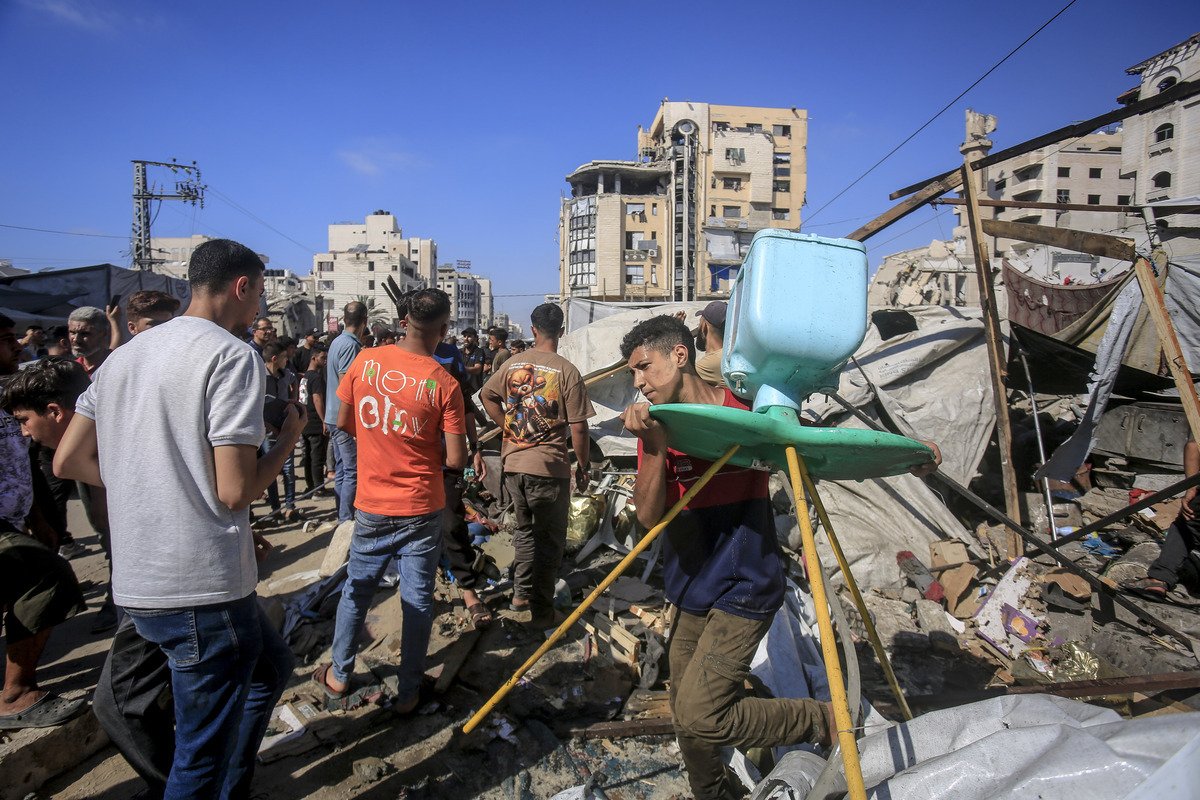
Strike on Displacement Tents: What Happened Displaced Palestinians in the Al-Mawasi area west of Khan Younis faced another direct attack when an Israeli drone struck two adjacent tents on Al-Rashid Street near the entrance to Roni Street. The strike killed two Palestinians, including Islam Hassan Abu Shamala, and injured seven others according to medical sources. Witnesses desc
Strike on Displacement Tents: What Happened
Displaced Palestinians in the Al-Mawasi area west of Khan Younis faced another direct attack when an Israeli drone struck two adjacent tents on Al-Rashid Street near the entrance to Roni Street. The strike killed two Palestinians, including Islam Hassan Abu Shamala, and injured seven others according to medical sources. Witnesses described how the drone hit the shelters directly, destroying both tents completely and damaging nearby structures while causing multiple casualties in the immediate area.
The targeted site lies outside any zone designated for Israeli military deployment under the existing ceasefire terms. Families living in these displacement tents had already been forced from their homes and were seeking safety in the open area when the attack occurred. The destruction left the shelters in ruins, with survivors and responders attending to the injured amid the debris of what had been temporary homes.
Local accounts emphasize the sudden nature of the strike on Saturday, turning two family shelters into sites of loss and injury. The seven wounded individuals received medical attention while the community assessed the extent of the damage to surrounding tents. This incident adds to the pattern of strikes on civilian displacement sites in southern Gaza.
Ceasefire Under Strain
The attack on the two tents in Al-Mawasi represents the latest reported violation of the ceasefire that has been in place since October 2025. Witnesses confirmed that the location on Al-Rashid Street falls outside the area of Israeli military deployment and control specified in the agreement terms. Such strikes undermine the fragile pause in hostilities that was intended to bring relief to the population.
Under the ceasefire framework, displacement sites like those in Al-Mawasi were meant to remain protected from military action. The drone strike on Saturday directly contradicted these provisions, resulting in deaths and injuries among civilians who had sought refuge in the tents. Gaza authorities have documented repeated breaches since the ceasefire began, highlighting the ongoing challenges to maintaining the agreement.
Residents in the area expressed concern that violations continue to erode any sense of security provided by the October 2025 truce. The incident on Al-Rashid Street demonstrates how quickly the terms can be disregarded, leaving displaced families exposed to further harm despite the formal ceasefire status.
The Human Toll: A Ceasefire in Name Only
According to Gaza's Health Ministry, Israeli ceasefire violations have killed 1,031 Palestinians and injured 3,309 others as of Thursday. These figures reflect the cumulative impact of repeated strikes on civilian areas during the period since October 2025. The deaths and injuries in Al-Mawasi fit into this broader pattern of harm that persists despite the formal truce.
Displacement remains a central feature of daily life for many in Gaza, with families moving between temporary shelters in search of safety. The strike on the two tents in Al-Mawasi illustrates the lived reality for those already uprooted multiple times, where even designated safe zones offer little protection. Survivors must contend with destroyed shelters and the loss of relatives while managing injuries from the attack.
The Health Ministry statistics capture only part of the ongoing toll, as communities continue to face the consequences of strikes on displacement sites. In Al-Mawasi, the destruction of the tents left families without basic shelter, compounding the difficulties of survival under strained ceasefire conditions. This reality underscores how the agreement has failed to halt violence against civilians.
A War Without End: Gaza's Unimaginable Loss
More than 73,000 Palestinians have been killed and over 173,000 others injured since the start of the war in Gaza on October 8, 2023, according to local authorities. Around 90 percent of civilian infrastructure has been destroyed during this period, leaving vast areas uninhabitable. The recent strike in Al-Mawasi connects directly to this extended history of loss that began nearly three years ago.
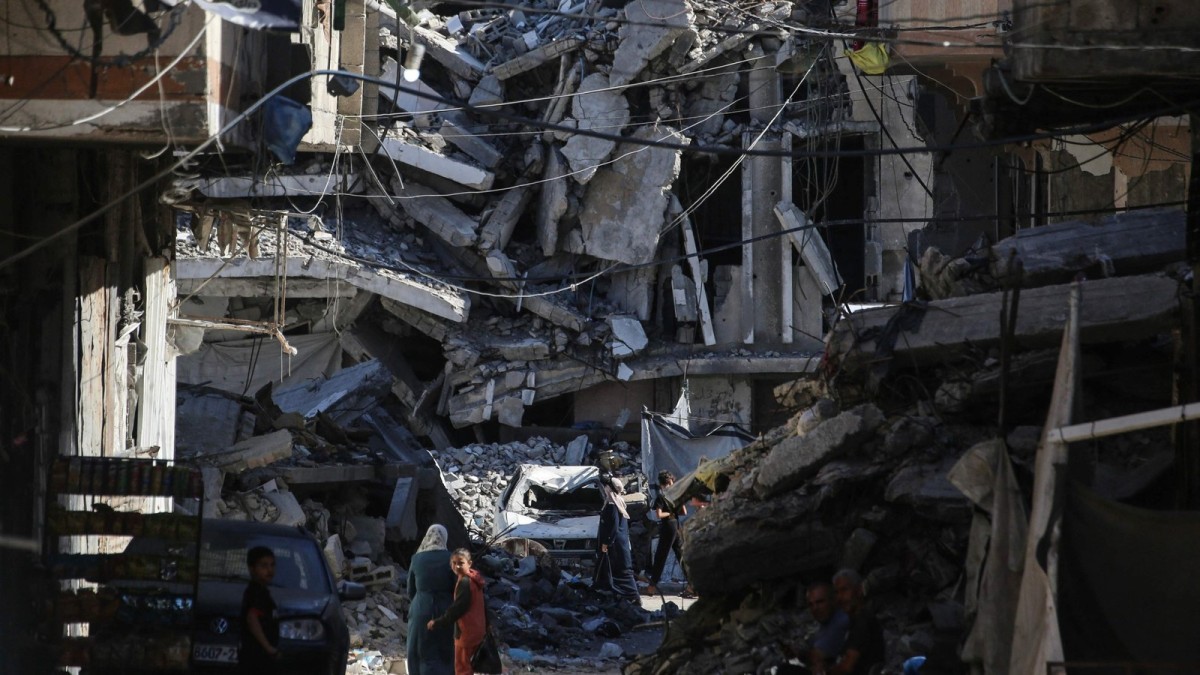
The cumulative destruction has reshaped the landscape of Gaza, with displacement camps and tents becoming the primary form of housing for survivors. The attack on the two tents west of Khan Younis adds to the infrastructure damage already recorded, further reducing available shelter for those who have lost homes. Families in Al-Mawasi now navigate the aftermath alongside the long-term effects of the war's scale.
Local authorities continue to track the rising numbers of casualties and the extent of ruined buildings, roads, and services. The strike that killed Islam Hassan Abu Shamala and injured seven others occurs within this context of sustained devastation, where each new incident builds on the foundation of widespread destruction established since October 2023.
Displacement and the Struggle for Survival
Life in displacement camps and tents in areas like Al-Mawasi involves constant adaptation to limited resources and repeated moves. Families already displaced multiple times from their original homes now face the additional loss of their temporary shelters after the drone strike on Al-Rashid Street. The destruction of the two tents left residents without protection from the elements and without the basic stability they had sought in the area.
Al-Mawasi has served as a destination for many seeking refuge outside zones of active conflict, yet the strike demonstrates the vulnerability of these sites. Witnesses noted damage to nearby shelters as well, expanding the impact beyond the initial targets. Daily survival requires securing food, water, and medical care amid the ruins of what were meant to be safe locations.
The struggle extends to rebuilding even minimal living arrangements after each attack. In the wake of the Saturday strike, injured individuals and remaining residents must reorganize their limited belongings while coping with the deaths of family members including Islam Hassan Abu Shamala. This pattern of displacement followed by further displacement defines the current existence for many in southern Gaza.
The International Response
Information about the strike in Al-Mawasi reaches international audiences through reports from medical sources and witnesses, yet the gap between awareness and tangible change remains wide. The documented violations, including the deaths of two Palestinians and injuries to seven others, highlight how local realities continue despite global attention to the ceasefire terms.
Communities in Gaza experience the direct effects of these incidents while external responses often remain limited to statements or calls for adherence to agreements. The location of the attack outside the designated military zone underscores the disconnect between the ceasefire provisions and their enforcement on the ground.
Residents in displacement tents must focus on immediate needs such as treating the wounded and clearing debris, regardless of international discussions. The Health Ministry figures of 1,031 killed and 3,309 injured in violations provide context for the scale of harm that persists beyond any single reported incident.
What the Numbers Mean
The statistics of more than 73,000 killed and over 173,000 injured since October 8, 2023, represent profound losses for Palestinian society in Gaza. Each number corresponds to families disrupted, communities fractured, and futures altered by the destruction of 90 percent of civilian infrastructure. The recent deaths in Al-Mawasi, including that of Islam Hassan Abu Shamala, add to this total and illustrate the ongoing human cost.
These figures also encompass the 1,031 killed and 3,309 injured specifically from ceasefire violations, showing that the period since October 2025 has not brought the expected reduction in harm. Palestinian society faces the challenge of supporting survivors, rebuilding basic services, and addressing the needs of those repeatedly displaced to sites like the tents on Al-Rashid Street.
The scale of injury and death affects every aspect of life, from medical capacity to economic activity and social structures. In Al-Mawasi, the strike on the two tents demonstrates how individual incidents contribute to the larger toll, leaving lasting impacts on the families and communities that must continue amid the documented destruction.
By Fatima Al-Rashid, Staff Writer Source: Middle East Monitor / Anadolu AgencyThis article was produced with AI-assisted research and editorial support. Reporting is based on sources cited in the article.
What's Your Reaction?
 Like
0
Like
0
 Dislike
0
Dislike
0
 Love
0
Love
0
 Funny
0
Funny
0
 Wow
0
Wow
0
 Sad
0
Sad
0
 Angry
0
Angry
0
Gulf/MENA Correspondent at Global1.News. Based in Doha, covering Gulf politics, energy markets, diplomacy, and development across the Middle East and North Africa. Tracks the economic transformation of the Gulf states.












Comments (0)