
DILG Eyes Hazing Charges Against Ex-Ateneo Coach Tab Baldwin After Drowning of Two Student-Athletes
In a recent ANC 24/7 report, DILG Secretary Jonvic Remulla confirmed that the Department of the Interior and Local Government is pursuing hazing charges against former Ateneo men's basketball head coach Tab Baldwin and 10 others following the drowning deaths of two student-athletes during a team-building activity in Dipaculao, Aurora. The development follows the PNP-CIDG recomm
In a recent ANC 24/7 report, DILG Secretary Jonvic Remulla confirmed that the Department of the Interior and Local Government is pursuing hazing charges against former Ateneo men's basketball head coach Tab Baldwin and 10 others following the drowning deaths of two student-athletes during a team-building activity in Dipaculao, Aurora. The development follows the PNP-CIDG recommendation to file charges under Republic Act 11053, the Anti-Hazing Act, marking a significant expansion of the law's application to university athletic programs.
DILG Eyes Hazing Charges Against Ex-Ateneo Coach Tab Baldwin After Drowning of Two Student-Athletes
Manila, Philippines – This Week — Two young athletes lost their lives in the waters off Dipaculao, Aurora, turning what was meant to be a UAAP roster selection exercise into a tragedy that has reached families in Talacogon, Agusan del Sur, and Nigeria. The case now sits before the Department of Justice for review, placing the entire collegiate sports community under scrutiny.
What Happened in Dipaculao, Aurora
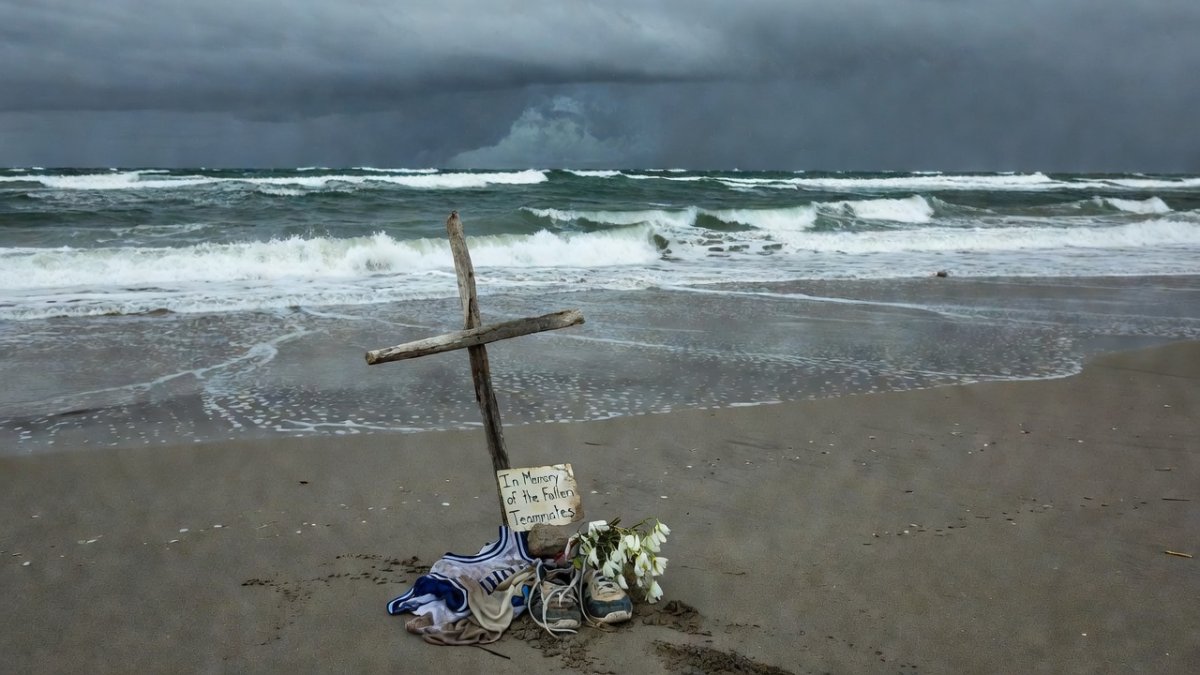
The team-building activity took place on the shores of Dipaculao, Aurora, where 20 participants gathered to determine the final UAAP roster for the Ateneo men's basketball team. Organizers planned for 17 athletes to advance while three would be eliminated through a series of physical challenges. The event included forced calisthenics and prolonged exposure to weather conditions along the coastline, activities that DILG officials later linked directly to the drownings.
Two student-athletes, Rene Baterbonia and Divine Adili, drowned during the session. The location's strong currents and open-water setting created immediate risks that participants had to navigate without adequate safeguards. The activity was framed as essential preparation, yet the outcome left two families mourning sons who traveled from distant provinces and countries to compete in Manila.
Utility staff and coaching personnel oversaw the drills that morning. The sequence of events unfolded rapidly once the athletes entered the water, turning a standard team exercise into an irreversible loss for the Ateneo community and the broader Philippine sports system.
PNP-CIDG Recommendation under RA 11053
The PNP-CIDG formally recommended the filing of anti-hazing charges under RA 11053 against Tab Baldwin, members of the coaching staff, student managers Paolo Manuel Adevoso and Andrew Lorenzo Salud, physical therapist John Eric Quiambao Rueca, and utility boys Aris Ramos Pronce and Joel Palmiano Rapa. The recommendation treats the drownings as violations of the Anti-Hazing Act, which defines hazing as any act that causes physical or psychological suffering, extending beyond traditional initiation rites to include forced physical exertion and environmental exposure.
RA 11053 explicitly covers forced calisthenics and exposure to weather as potential hazing elements when they inflict harm. CIDG investigators determined that the Dipaculao activity met these criteria because the drills placed athletes in dangerous conditions without sufficient protection. The case file now moves to the Department of Justice for further review before any formal charges are filed in court.
This legal step marks a significant application of the 2018 law to university sports programs. Prosecutors will examine whether the pressure to secure a roster spot contributed to the suffering experienced by the 20 participants, three of whom faced elimination.
Justice for Baterbonia and Adili
Rene Baterbonia was laid to rest in Talacogon, Agusan del Sur, after his family received his remains from Aurora. His relatives in the Caraga region now confront the permanent absence of a young man who had traveled to Manila to pursue a basketball scholarship at Ateneo. The burial drew local officials and community members who knew Baterbonia as a dedicated athlete from Mindanao.
Divine Adili's remains were returned to his family in Nigeria, closing a chapter that began when he arrived in the Philippines to compete at the collegiate level. His death has resonated across borders, reminding Filipino sports administrators that student-athletes from overseas also depend on institutional safeguards. Both families await the DOJ decision on whether the recommended charges will proceed.
The human cost extends beyond the two deaths. Teammates who survived the Dipaculao activity must now process the loss while continuing their studies and training under a cloud of investigation. The case underscores how recruitment and roster decisions in Philippine universities directly shape the safety and futures of young athletes from provinces and abroad.
Ateneo's Response and Position
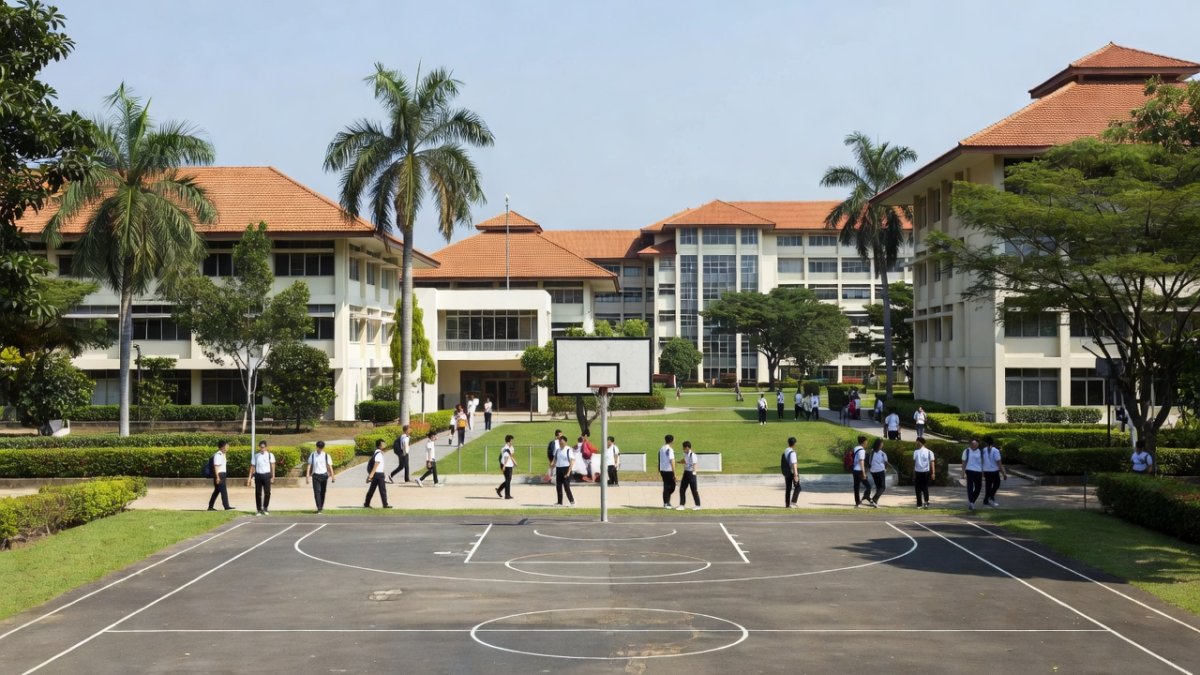
Ateneo spokesperson Fr. RB Hizon SJ stated that the university acknowledges the CIDG's recommendation and respects the work it has undertaken. "We acknowledge the CIDG's recommendation and respect the work it has undertaken in the course of its investigation," Hizon said. The statement emphasized institutional cooperation with government processes while the school conducts its own internal review of the team-building protocols.
The university has maintained regular communication with the families of Baterbonia and Adili since the incident. Administrators are examining how the 20-participant roster selection process was structured and whether additional safety measures could have altered the outcome in Dipaculao. The response reflects Ateneo's position as a member of the UAAP, an organization that must balance competitive standards with student welfare.
Fr. Hizon's remarks signal that the school will not obstruct the legal proceedings. This approach aligns with Ateneo's public commitment to transparency during the DOJ review period. "We are confident that the facts will be fully and fairly evaluated through the proper process," he added.
DILG Secretary Remulla's Statements
Secretary Jonvic Remulla told ANC 24/7 that Baldwin was aware of the dangers associated with training on the shores of Dipaculao, Aurora. Remulla stressed that the Anti-Hazing Act applies to forced physical activities that place participants at risk, including those conducted under the guise of team preparation. His comments clarified the department's intent to pursue charges against the 11 respondents.
Remulla noted that the law covers situations where athletes face physical suffering through calisthenics or weather exposure, even when the stated goal is roster selection. The DILG position treats the Dipaculao activity as falling within the statute's reach because three athletes were slated for elimination. This interpretation broadens accountability for coaching decisions in Philippine collegiate sports.
The secretary's public remarks have set expectations for how similar incidents will be handled nationwide. Local government units and university athletic departments are now on notice that water-based or high-risk team-building exercises require documented safety protocols.
Legal Implications of the Anti-Hazing Act for Philippine Sports
RA 11053's broad definition of hazing now directly influences how Philippine universities design athletic training. The Dipaculao case demonstrates that activities intended to cut rosters can trigger criminal liability when they cause death. Legal experts expect the DOJ to clarify whether psychological pressure to perform under dangerous conditions qualifies as suffering under the law.
Coaches and staff across the UAAP and NCAA must reassess drills that involve open water or extreme physical demands. The statute's coverage of weather exposure means that any future incident in locations such as Aurora or other coastal provinces could lead to similar CIDG investigations. This shift places greater responsibility on athletic directors to document consent, supervision, and emergency plans.
The case also tests the law's application to non-traditional hazing. Because the activity aimed to finalize a 17-member roster from 20 candidates, prosecutors may argue that the elimination component added coercive elements that the Anti-Hazing Act was designed to prevent.
Impact on Student-Athlete Safety Nationwide
Student-athletes from provinces like Agusan del Sur and from countries such as Nigeria now face heightened awareness that their safety depends on institutional compliance with RA 11053. The Dipaculao drownings have prompted athletic associations to review all off-campus activities scheduled for the current UAAP season. Schools are being asked to submit risk assessments before conducting any physical evaluations.
The tragedy has reached high school programs that feed into collegiate teams. Parents in Metro Manila and the provinces are questioning whether tryout formats that involve water or endurance tests meet legal standards. This national conversation centers on protecting young Filipinos who view sports scholarships as pathways to education and professional careers.
Communities in Aurora province have also expressed concern about the use of local shorelines for university events without coordination with municipal authorities. The incident has opened discussions on how local governments can require permits and lifeguard presence for any athletic gathering near bodies of water.
Reactions from UAAP and Philippine Sports Community
Ateneo's public acknowledgment of the CIDG recommendation has set a tone of cooperation that other UAAP member schools are expected to follow. League officials have begun internal consultations on updating safety guidelines for team-building activities across all sports. The focus remains on preventing similar losses while preserving the competitive integrity of the university league.
Coaches and former players have noted that roster selection processes must now incorporate explicit medical and safety clearances. The involvement of student managers and utility staff in the Dipaculao activity has prompted questions about the chain of command during high-risk drills. These discussions are occurring in locker rooms and athletic offices throughout the country.
The Philippine sports community recognizes that the DOJ review will establish precedent for how RA 11053 applies to collegiate athletics. Families of current student-athletes are watching closely, aware that the outcome will shape the environment in which their children train and compete.
What to Watch For
The Department of Justice will review the CIDG recommendation before deciding whether to file formal charges against Tab Baldwin and the 10 other respondents. Observers expect the process to include examination of training logs, participant statements, and weather reports from Dipaculao on the day of the incident. Any decision will likely be announced within the coming weeks.
Potential reforms include mandatory lifeguard requirements and written risk assessments for all UAAP-sanctioned activities held near water. Lawmakers may also consider amendments that require universities to report all serious injuries during team-building events to the Commission on Higher Education. These measures would extend protections beyond the current language of RA 11053.
Next steps for the families include continued coordination with legal counsel while awaiting the DOJ determination. The case remains a focal point for advocates pushing for stronger enforcement of student-athlete welfare rules across Philippine higher education.
The Dipaculao tragedy has placed the safety of every Filipino student-athlete at the center of a national conversation that will continue through the DOJ review and beyond. As universities prepare for the next UAAP season, the memory of Rene Baterbonia and Divine Adili calls on administrators, coaches, and parents to demand clearer safeguards. The path forward requires concrete changes that honor the lives lost while protecting those still competing for their futures on Philippine courts and fields.
By Bella Reyes, Staff Writer
This article was produced with AI-assisted research and editorial support. Reporting is based on sources cited in the article.
What's Your Reaction?
 Like
0
Like
0
 Dislike
0
Dislike
0
 Love
0
Love
0
 Funny
0
Funny
0
 Wow
0
Wow
0
 Sad
0
Sad
0
 Angry
0
Angry
0

Philippines/Southeast Asia Correspondent at Global1.News. Manila-based journalist covering Philippine politics, environment, maritime security, and social issues. Passionate about marine conservation and the communities protecting the Philippines' natural heritage.











Comments (0)