
Dettol apologises after ad to clean up 'toxic men' backfires in China
Dettol apologises after ad to clean up 'toxic men' backfires in China Foreign Brand Missteps Reveal Recurring Cultural Disconnects Reckitt-owned Dettol's recent withdrawal of a five-minute micro-drama advertisement in China follows a familiar pattern among Western consumer brands attempting to engage local audiences through provocative messaging. The spot portrayed a man seekin
Foreign Brand Missteps Reveal Recurring Cultural Disconnects
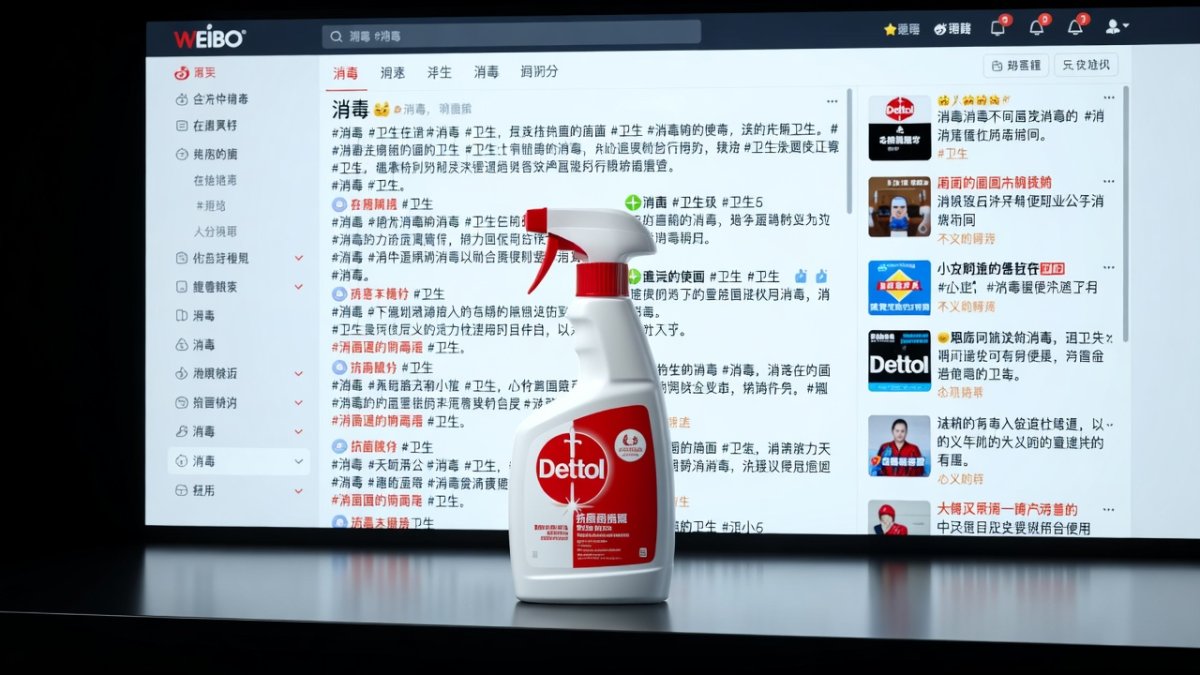
Reckitt-owned Dettol's recent withdrawal of a five-minute micro-drama advertisement in China follows a familiar pattern among Western consumer brands attempting to engage local audiences through provocative messaging. The spot portrayed a man seeking a "clean" partner untainted by prior relationships, only for his girlfriend to expose the misogyny, with Dettol positioned as the remedy against "toxic men [who] are just like bacteria." Chinese social media users on Weibo quickly condemned the execution as sexist, prompting the company to remove the content and issue an apology stating its intent had been to critique gender stereotypes.
Such incidents underscore the challenges foreign firms face when importing narrative styles without sufficient calibration to domestic sensitivities. Historical precedents include earlier campaigns by international hygiene and fashion labels that similarly misjudged public sentiment, resulting in temporary sales dips and prolonged image rehabilitation efforts. These episodes occur against China's Dual Circulation strategy, which prioritizes domestic consumption while encouraging brands to align with national cultural priorities rather than external framing devices.
Micro-Drama Format Draws Heightened Regulatory Attention
The advertisement adopted the micro-drama format, a short-form serialized style that has gained popularity for its accessibility on mobile platforms. This approach now operates under increasing scrutiny from Chinese regulators concerned about content quality, narrative excess, and potential social influence. Authorities have signaled tighter oversight on platforms hosting such dramas, citing risks of sensationalism and inadequate alignment with public values.
Foreign brands entering this space encounter additional hurdles because the format's rapid production cycle often bypasses layered cultural review. Dettol's attempt to leverage the style for a gender-themed message illustrates how external companies may underestimate the regulatory environment's emphasis on measured messaging. The National Radio and Television Administration's ongoing reviews of micro-drama platforms reflect broader efforts to maintain narrative standards amid rapid digital expansion, creating an environment where miscalibrated campaigns face swift public and administrative pushback.
Gender Discourse Remains a High-Stakes Terrain
China's evolving conversation around women's rights and gender roles has grown more visible in recent years, with online debates frequently highlighting expectations of mutual respect and resistance to reductive stereotypes. Dettol's advertisement triggered accusations that it trivialized these discussions by reducing complex social dynamics to a hygiene metaphor, despite the brand's stated aim of challenging misogyny.
Public reaction on Weibo, including characterizations of the spot as a "trashy advertisement," demonstrates the narrow margin for error when brands address gender themes. Manya Koetse of the Eye on Digital China newsletter noted the irony for a company whose core business centers on cleanliness. This sensitivity aligns with Beijing's broader interest in social stability, where messaging that appears to exploit or distort gender issues can quickly mobilize consumer sentiment against perceived external interference.
Previous Incidents Compound Reputational Exposure
Dettol's current difficulties follow a 2025 advertisement that drew criticism for a line suggesting a woman could be "returned" before her wedding. The recurrence indicates systemic gaps in pre-launch cultural assessment rather than isolated creative errors. For multinational corporations, repeated controversies erode trust among Chinese consumers who increasingly favor domestic alternatives under the 14th Five-Year Plan's push for technological and commercial self-reliance.
Reckitt's response, limited to removal and a clarifying statement, reflects standard crisis protocols but offers limited insight into preventive adjustments. Western brands operating in tightening regulatory conditions must weigh the leverage of global marketing templates against the risk of alienating a market that accounts for substantial revenue growth targets.
Strategic Calculus for Multinationals Amid Regulatory Tightening
Each side in this episode pursues distinct objectives. Dettol sought differentiation through socially resonant storytelling, while Chinese consumers and regulators prioritized content that respects prevailing norms without external moral framing. The leverage held by domestic platforms and audiences lies in rapid mobilization via Weibo and similar channels, which can accelerate boycotts before brands complete internal reviews.
Second-order effects extend beyond the hygiene sector. ASEAN and European firms observing the case may accelerate localization of creative teams and content pipelines to mitigate similar exposure. For the Global South, the episode reinforces perceptions that Western brands sometimes apply universalist messaging that clashes with sovereign consumer cultures, potentially tilting preferences toward regional suppliers.
Long-Term Implications for Market Access and Brand Positioning
Foreign companies navigating China's consumer landscape must integrate ongoing monitoring of regulatory signals from bodies such as the Ministry of Commerce and content authorities into routine operations. The Dettol case illustrates how even well-intentioned campaigns can intersect with domestic priorities around cultural sovereignty and gender equity, producing outcomes that affect not only immediate sales but also longer-term partnership prospects.
Brands that treat China as a testing ground for experimental formats without robust local governance structures face elevated risks in an environment where enforcement mechanisms continue to evolve. Sustained success will depend on aligning commercial narratives with the strategic objectives of self-sufficiency and social cohesion that define current policy directions.
Source: BBC News By Prof. Marcus Chen, Staff WriterThis article was produced with AI-assisted research and editorial support. Reporting is based on sources cited in the article.
What's Your Reaction?
 Like
0
Like
0
 Dislike
0
Dislike
0
 Love
0
Love
0
 Funny
0
Funny
0
 Wow
0
Wow
0
 Sad
0
Sad
0
 Angry
0
Angry
0

World Politics Analyst at Global1.News. Based in Beijing, covering US-China relations, global trade, and geopolitical strategy. Brings deep analytical perspective to the power dynamics shaping international affairs.














Comments (0)