
Rubio to Visit Manila for ASEAN Meetings as PH-US Ties Deepen
US Secretary of State Marco Rubio visits Manila July 19-23 for ASEAN meetings and talks with President Marcos, covering West Philippine Sea tensions, energy security amid the Iran conflict, and the future of PH-US relations under the Marcos administration.
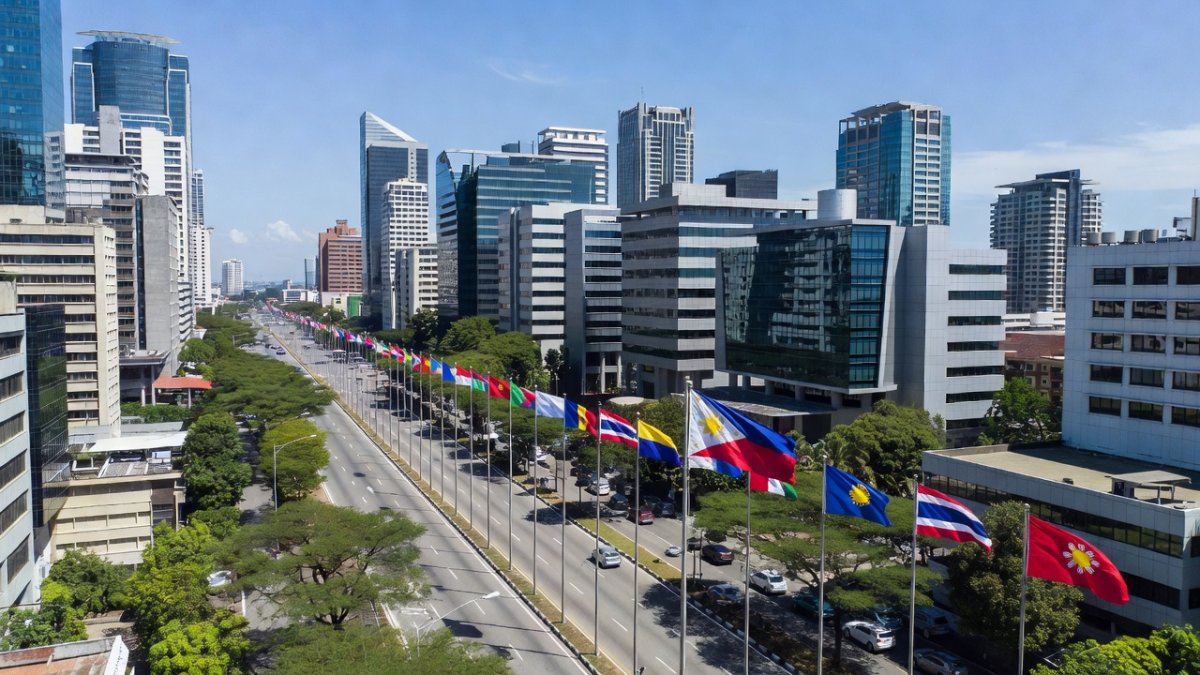
Rubio to Visit Manila for ASEAN Meetings as PH-US Ties Deepen
The Visit Details and Schedule
US Secretary of State Marco Rubio is scheduled to arrive in Manila on July 19 and stay through July 23, 2026, for a packed series of ASEAN meetings and bilateral talks with President Ferdinand Marcos Jr. State Department spokesperson Tommy Pigott announced the trip on Friday, July 17, confirming that Rubio will join the ASEAN Post-Ministerial Conference, the East Asia Summit Foreign Ministers' Meeting, and the ASEAN Regional Forum Foreign Ministers' Meeting.
The timing places the visit right in the middle of the Philippines' year as ASEAN chair, with Manila serving as host for these key gatherings. Rubio will also hold talks with senior officials from Indo-Pacific nations during his stay. Pigott noted that the trip advances a clear US priority of a free and open Indo-Pacific that delivers safety, security, and prosperity for the region and for the American people.
For many Filipinos, these dates carry extra weight because high-level visits like this often ripple into everyday conversations at sari-sari stores and family gatherings. The presence of such a senior US official in the capital can signal steadier ties that matter to households relying on stable jobs and regional peace.
ASEAN Meetings Agenda and PH Chairmanship
The Philippines holds the ASEAN chairmanship this year and is hosting the ministerial meetings in Manila, giving the country a central role in shaping the regional agenda. Rubio's participation is expected to highlight tangible results from the US-ASEAN partnership while deepening the comprehensive partnership with the Philippines.
Discussions will cover a range of shared concerns, from economic cooperation to security matters that affect all member states. Because the Philippines is chair, local officials and diplomats are working closely with barangay-level networks and national agencies to ensure smooth logistics for the gatherings.
Ordinary Filipinos often feel the effects of ASEAN decisions through trade policies that influence prices at public markets or through labor agreements that open doors for OFWs. When Manila hosts these talks, it brings a sense of pride mixed with the practical hope that outcomes will support families across the archipelago.
West Philippine Sea and South China Sea Tensions
The West Philippine Sea is expected to rank among the key issues during the meetings, as tensions between Manila and Beijing continue despite the landmark 2016 arbitral ruling. Just days before Rubio's arrival, Manila and Beijing exchanged fresh criticisms following the 10th anniversary of that ruling on July 12.
On that date, the Philippines joined 13 partner countries, including the United States and Japan, in issuing a joint statement that affirmed the award as legally binding. China rejected the statement, describing it as a distortion of the facts intended to vilify Beijing. Chinese Foreign Minister Wang Yi is also expected to attend the ASEAN meetings in Manila.
Fisherfolk from coastal communities in Palawan and Zambales know these tensions firsthand, as they navigate waters where traditional livelihoods meet modern disputes. The 2016 ruling remains a point of reference in many households, reminding people that legal clarity can still shape daily decisions about where boats can safely go.
For families in these provinces, fishing is not just livelihood but heritage passed across generations. Data from the Bureau of Fisheries and Aquatic Resources show a 30 percent drop in municipal fish production in Palawan since 2018, partly linked to restricted access. Similar pressures in Zambales have forced many to seek work in Manila or abroad, fracturing tight-knit communities. ASEAN neighbors like Vietnam and Malaysia have faced parallel challenges yet pursued joint patrols; the Philippines could draw lessons while asserting its legal victory. The human cost remains clear in empty dinner tables and children growing up without the sea as their classroom.
US-China Rivalry and Wang Yi's Expected Attendance
Rubio's trip will unfold against the backdrop of ongoing US-China rivalry, with both powers sending top diplomats to the same Manila gatherings. Wang Yi's presence means the meetings will bring together voices from competing sides, all while the Philippines manages its role as host and chair.
The visit is also described as a chance to demonstrate concrete outcomes from US-ASEAN cooperation and to prepare possible groundwork for a Trump-Xi summit later this year. For the Philippines, balancing these relationships has long been part of its foreign policy story, especially under the Marcos administration.
Communities across the country watch these dynamics closely because they influence everything from infrastructure projects to security assistance. Kapitbahay discussions in many neighborhoods often turn to how stronger US ties might complement existing ASEAN partnerships without forcing difficult choices.
Iran Conflict and Energy Security Concerns for Asia
The meetings come as renewed conflict involving Iran raises concerns over global energy security, with Asian economies closely monitoring possible disruptions to shipping through the Strait of Hormuz. According to the International Energy Agency, about 80 percent of the hydrocarbons transported through the strategic waterway are bound for Asian countries.
During the ASEAN Summit in Cebu in May, President Marcos said ASEAN leaders discussed establishing a regional fuel reserve to help cushion member states from possible supply disruptions caused by global conflicts. This idea reflects the region's shared interest in protecting economies that depend heavily on imported energy.
Jeepney drivers and tricycle operators in cities like Manila and Cebu feel energy price swings directly, as do families preparing for Pasko celebrations when fuel costs affect transportation and food prices. A regional reserve could one day offer a buffer that reaches ordinary households when distant conflicts threaten supply lines.
The renewed Iran conflict and threats to the Strait of Hormuz have sent ripples straight to Philippine fuel pumps. With 80 percent of the country's crude imports passing through the vital waterway, any disruption risks pushing gasoline prices above P80 per liter, according to recent DOE monitoring. The department has assured the public that current stockpiles remain stable for at least 45 days, yet the uncertainty already affects planning for the holiday season. ASEAN's proposal for a regional fuel reserve offers a potential buffer, modeled after similar mechanisms in Europe, but requires swift coordination among members still recovering from pandemic-era supply shocks.
As families prepare for Pasko, higher transport and LPG costs threaten traditional gatherings and gift-giving. While the DOE emphasizes diversification toward renewables, the immediate reality for households in Cebu or Davao remains tied to global events far beyond their control. Regional precedents, such as Singapore's strategic reserves, highlight how collective ASEAN action could shield the most vulnerable.
PH-US Relations Under the Marcos Administration
Rubio's visit is set to further deepen the comprehensive partnership between the United States and the Philippines under President Marcos. The trip builds on existing cooperation in defense, trade, and people-to-people exchanges that have grown in recent years.
Pigott's statement emphasized that the Secretary's presence advances US priorities while delivering results for the region. For the Philippines, these ties include support for maritime security and economic initiatives that align with national development goals.
Many OFWs in the United States and across the Indo-Pacific see these strengthened links as reassurance that their welfare remains a shared concern. The relationship also touches students and professionals who benefit from educational and training programs tied to bilateral agreements.
What This Means for Ordinary Filipinos
Regional stability discussed in these meetings can translate into steadier conditions for families who depend on remittances from OFWs and on affordable fuel for daily commutes. When ASEAN and partner nations address energy security, it connects directly to the cost of riding a jeepney or keeping a sari-sari store stocked.
The West Philippine Sea issue affects not only fishermen but also the broader sense of national pride and resource protection that resonates in classrooms and town halls. A free and open Indo-Pacific, as described by US officials, carries the promise of safer seas that support trade routes vital to Philippine exports.
ASEAN diplomacy and the recent Rubio visit carry tangible weight for the millions of overseas Filipino workers whose remittances reached $36 billion last year. Stable regional relations help protect deployment channels to Malaysia, Singapore, and the Middle East, where many domestic workers and seafarers earn the income that supports siblings' schooling back home. Trade agreements discussed in these forums can lower costs for imported rice and medicines, directly easing pressures on sari-sari store owners in rural towns. Job creation in renewable energy and logistics sectors also hinges on the steady partnerships forged through such meetings.
The spirit of bayanihan runs through these developments, reminding Filipinos that collective strength has always carried communities through uncertainty. When ASEAN leaders prioritize supply-chain resilience, it translates to steadier prices for jeepney operators and more opportunities for young graduates. From the Rubio visit, many hope for clearer commitments on worker protections and investment that reach beyond Manila. As the holidays approach, these diplomatic threads weave into everyday hopes for secure jobs, affordable goods, and the simple dignity of providing for loved ones without fear of sudden global shocks.
By Bella Reyes, Staff Writer
This article was produced with AI-assisted research and editorial support. Reporting is based on sources cited in the article.
What's Your Reaction?
 Like
0
Like
0
 Dislike
0
Dislike
0
 Love
0
Love
0
 Funny
0
Funny
0
 Wow
0
Wow
0
 Sad
0
Sad
0
 Angry
0
Angry
0

Philippines/Southeast Asia Correspondent at Global1.News. Manila-based journalist covering Philippine politics, environment, maritime security, and social issues. Passionate about marine conservation and the communities protecting the Philippines' natural heritage.













Comments (0)