
Ernesto Ruffo Appel Arrested on Fuel Smuggling and Organized Crime Charges
In a stunning development that has sent shockwaves through Mexican politics, former Baja California Governor Ernesto Ruffo Appel—a pioneering figure who broke decades of PRI dominance—was arrested on serious charges including fuel smuggling and organized crime. This arrest marks a dramatic fall from
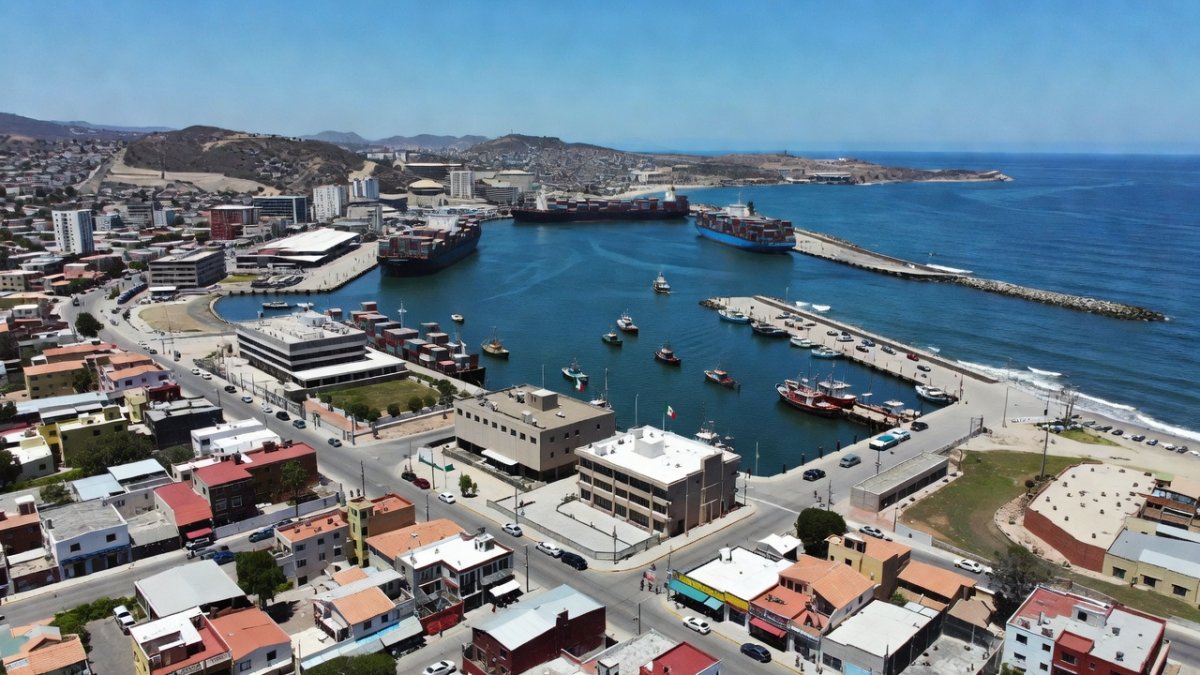
In a stunning development that has sent shockwaves through Mexican politics, former Baja California Governor Ernesto Ruffo Appel—a pioneering figure who broke decades of PRI dominance—was arrested on serious charges including fuel smuggling and organized crime. This arrest marks a dramatic fall from grace for the historic PAN leader. Authorities detained the 74-year-old at his Ensenada home amid a major federal investigation.
Ernesto Ruffo Appel Arrested on Fuel Smuggling and Organized Crime Charges
Ensenada, Baja California — Article continues...
Arrest at His Ensenada Home
The quiet morning in Ensenada was broken when officers from the Fiscalía General de la República and the Secretaría de Seguridad y Protección Ciudadana arrived at the residence of Ernesto Ruffo Appel. The 74-year-old former governor was taken into custody on Thursday, July 16, 2026, without incident at his home in the coastal city he has long called home.
Neighbors in the colonia watched as the operation unfolded, many expressing surprise that such a well-known figure from Baja California's political history was being led away. The coordinated action was overseen by security chief Omar García Harfuch, reflecting the federal government's focus on cross-border fuel networks.
Residents later gathered at nearby taquerías to discuss what the arrest might mean for their families. Many recalled Ruffo's long presence in the region and wondered how the investigation could touch ordinary lives in the port city.
Local vendors at the tianguis near the waterfront noted that news spread quickly through word of mouth, with families pausing their daily routines to share updates about the former governor's situation.
A Life Rooted in Baja California
Ernesto Ruffo Appel was born in San Diego on July 25, 1952, and went on to become the first opposition governor elected in modern Mexican history when he won the Baja California governorship in 1989 as a PAN candidate. His victory ended decades of uninterrupted PRI control and opened new paths for political competition across the country.
After leaving office in 1995, Ruffo turned to business, becoming majority shareholder of Ingemar. The company's operations later drew scrutiny in the current federal probe, though many in Ensenada still remember him as a local leader who once walked the same streets families use today.
His 1989 election remains a landmark moment taught in schools and discussed in community gatherings, symbolizing the possibility of change for generations of Baja Californians who had known only one ruling party.
Today, his family and longtime associates in the region are processing the latest chapter in a life that began across the border yet became deeply tied to Mexican border communities.
In the wake of Ernesto Ruffo's groundbreaking 1989 triumph, Baja California's communities experienced a profound shift from decades of centralized rule. Families in Ensenada and Tijuana recall how the victory opened doors to local decision-making, allowing residents to influence everything from school funding to port development projects that had long been dictated from Mexico City. This moment marked the first time many everyday citizens felt their voices could reshape governance, fostering a sense of ownership over regional resources and sparking grassroots organizing that strengthened neighborhood associations across the state.
The PAN's evolution from a small opposition voice to a national contender reflected broader aspirations among working-class Mexicans for accountability and economic opportunity. Ruffo's win laid groundwork for the party's later successes, culminating in Vicente Fox's 2000 presidential victory, which many border families viewed as validation of their long-held belief that change was possible through persistent civic engagement. Local perspectives often highlight how this progression brought renewed investment in infrastructure, though it also introduced new challenges in balancing growth with the preservation of Baja's agricultural and fishing traditions that sustain multigenerational households.
Charges Involving Organized Crime and Fuel
The FGR has charged Ruffo with delincuencia organizada, huachicol fiscal, and tax evasion. Investigators allege that Ingemar played a role in moving fuel across the US-Mexico border in ways that avoided proper taxation and regulations.
These accusations stem from a lengthy inquiry described by authorities as highly complex. The case connects to broader efforts to disrupt networks that transport fuel from the United States into Mexico without following fiscal requirements.
Community leaders in Ensenada note that fuel costs directly affect daily life for taxi drivers, fishermen, and small business owners who rely on affordable diesel and gasoline to earn their living.
Families in rural parts of Baja California have long felt the pinch when smuggling distorts local markets, and many hope the investigation will bring clearer rules that protect honest workers.
Fuel theft, known as huachicol, has long plagued Mexico's energy sector, draining PEMEX of an estimated $3 billion annually in recent years through sophisticated networks that divert refined products from pipelines and storage facilities. For ordinary Mexicans, this systemic issue translates into higher pump prices that strain household budgets, particularly for truck drivers hauling produce from Baja's fields to markets in Mexicali or families commuting across the border for work. Gas station owners in Ensenada frequently describe the ripple effects, noting how inconsistent supply forces them to raise costs, which in turn affects everything from delivery services to public transportation relied upon by low-income neighborhoods.
The Sheinbaum administration has intensified efforts through PEMEX leadership to combat these losses with advanced monitoring technology and community reporting programs, aiming to protect the national oil company's revenues that fund social programs. These initiatives resonate deeply in border states like Baja California, where fuel costs directly influence cross-border trade and the affordability of daily essentials. Residents often share stories of how stable energy prices support not only personal mobility but also the broader economic vitality that keeps local businesses thriving amid fluctuating international markets.
Link to the Coahuila Fuel Seizure
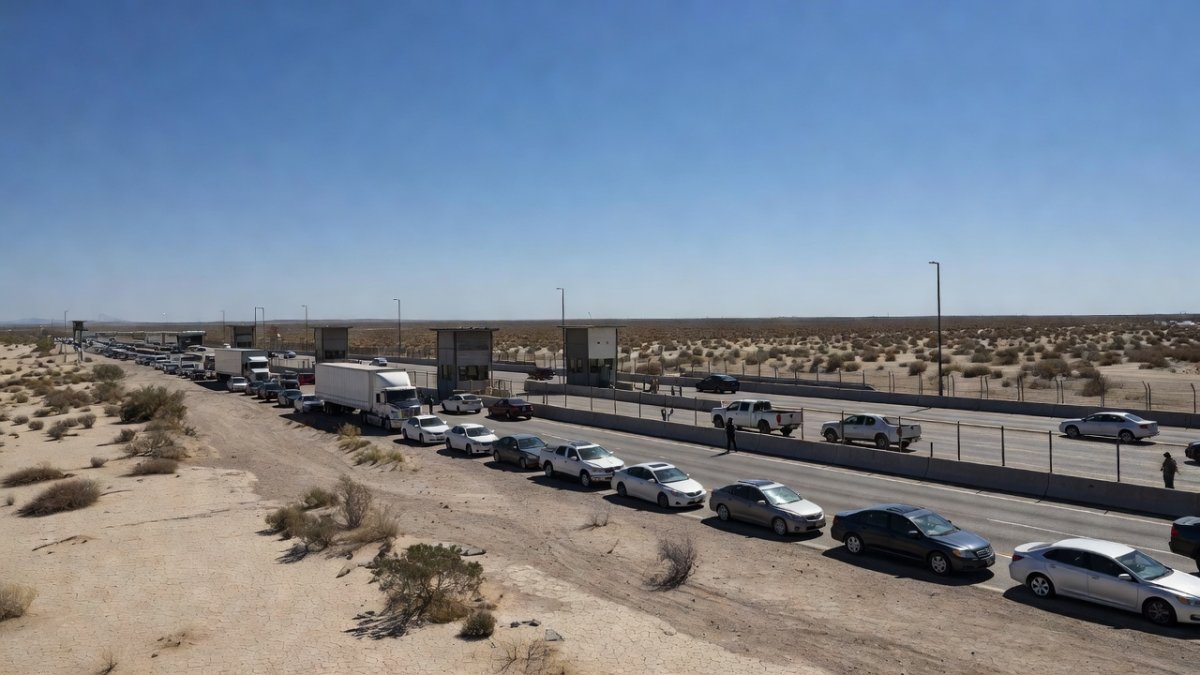
The Ensenada arrest ties into a large-scale operation in Coahuila where authorities seized 5.5 million liters of fuel and 129 tanker trucks. US-based Belar Fuels has also been named in connection with the wider probe.
FGR agents have been tracing how fuel moved through multiple states, with the investigation spanning both sides of the border. This scale shows how such networks can reach far beyond any single community.
Truck drivers and transport workers in northern Mexico have followed the news closely, aware that legitimate fuel businesses can suffer when illegal flows undercut prices and create uncertainty.
Symbolism for Mexican Political History
Ruffo's 1989 victory broke 60 years of PRI dominance and helped launch a new era of competition that eventually included parties like Morena. His arrest by the current Morena-led federal institutions carries strong symbolic weight for those who remember the transition.
At the Friday, July 17 mañanera in Tulum, President Sheinbaum and Omar García Harfuch addressed the case while also discussing the sargassum crisis affecting Caribbean coasts. The timing underscored how federal priorities now span environmental and security matters.
Older residents in Baja California colonias recall the excitement of that first PAN win and now reflect on how political figures from every party can face accountability under the law.
The case is being called a political earthquake in local conversations because it involves a founding figure of modern opposition politics, yet many emphasize that justice should apply equally regardless of past roles.
The arrest of a figure like Ruffo under a Morena-led government carries powerful symbolism, illustrating the current administration's commitment to pursuing accountability regardless of political affiliation. Former PAN officials have voiced a mix of concern and cautious support, with some praising the emphasis on rule of law while others worry it could be perceived as selective targeting ahead of future contests. This development underscores how investigations into corruption now span party lines, signaling a maturing democratic process where no legacy is immune from scrutiny.
For the PAN as an institution, the case arrives at a pivotal juncture before the 2027 elections, prompting internal reflections on its foundational values and strategies to reconnect with voters in states like Baja California. Community voices in the region often frame this moment as an opportunity for all parties to prioritize transparency, strengthening public trust in institutions that have shaped Mexico's political landscape for generations.
Effects on Families and Local Economies
In Ensenada's fishing communities and agricultural ejidos, people are considering how the investigation might influence fuel prices and cross-border trade that supports thousands of jobs. Small business owners worry about any ripple effects on their supply chains.
Teachers and healthcare workers in the region note that stable public finances depend on proper tax collection, and they hope the case highlights the need for transparent systems that benefit schools and clinics serving ordinary families.
Indigenous communities and migrant workers along the border often feel the impact of fuel costs most directly, as transportation is essential for reaching markets and medical services.
Local leaders stress that the focus remains on protecting honest livelihoods while the legal process moves forward for all involved.
Ensenada's port economy feels the direct weight of fuel price volatility, as higher costs for diesel ripple through fishing fleets and cargo operations that connect local seafood and produce to U.S. markets. Families in the fishing industry describe how elevated transportation expenses reduce their margins, affecting the fresh catches available at neighborhood mercados and ultimately raising prices at the tortillería for staple goods that anchor daily meals. These pressures highlight the interconnected nature of border economies, where Baja California communities in Tijuana and Mexicali closely monitor U.S. economic signals that influence everything from remittances to cross-border shopping patterns.
Local economies thrive when fuel remains affordable, enabling small vendors and agricultural workers to maintain steady livelihoods that support extended family networks. In this border context, residents often express a deep sense of shared destiny with U.S. conditions, noting how stable energy access fosters resilience and cultural exchange that enriches both sides of the frontier. Such dynamics remind communities that political and economic decisions in distant capitals ultimately shape the warmth of daily life in Baja's vibrant towns.
Looking Ahead for Baja California
As the investigation continues, residents across the state are watching how federal agencies balance enforcement with the daily needs of border communities. The case touches on long-standing questions about fair commerce and accountability that affect everyone from taquería owners to maquiladora workers.
Many in Ensenada are turning to trusted local sources for updates, gathering at plazas and mercados to share perspectives on what the arrest means for their shared future.
The story serves as a reminder that political history and present-day enforcement intersect in ways that shape the lives of families who call Baja California home.
By Rosa Martinez, Staff Writer
This article was produced with AI-assisted research and editorial support. Reporting is based on sources cited in the article.
What's Your Reaction?
 Like
0
Like
0
 Dislike
0
Dislike
0
 Love
0
Love
0
 Funny
0
Funny
0
 Wow
0
Wow
0
 Sad
0
Sad
0
 Angry
0
Angry
0

Latin America/Andes Correspondent at Global1.News. Based in Bogota, covering politics, environment, energy, and social movements across the Andean region. Passionate about environmental journalism and communities protecting their land.














Comments (0)