
Belgium Approves Import Ban on Goods from Occupied Palestinian Territories
Belgium approves import ban on goods from occupied Palestinian territories in response to Gaza crisis. Ceasefire violations since Oct. 10, 2025 killed over 1,100 and injured 3,600; total since 2023 exceeds 73,000 dead and 173,000 wounded with 90% infrastructure destroyed. Article explores human rights, economic, solidarity and political impacts.
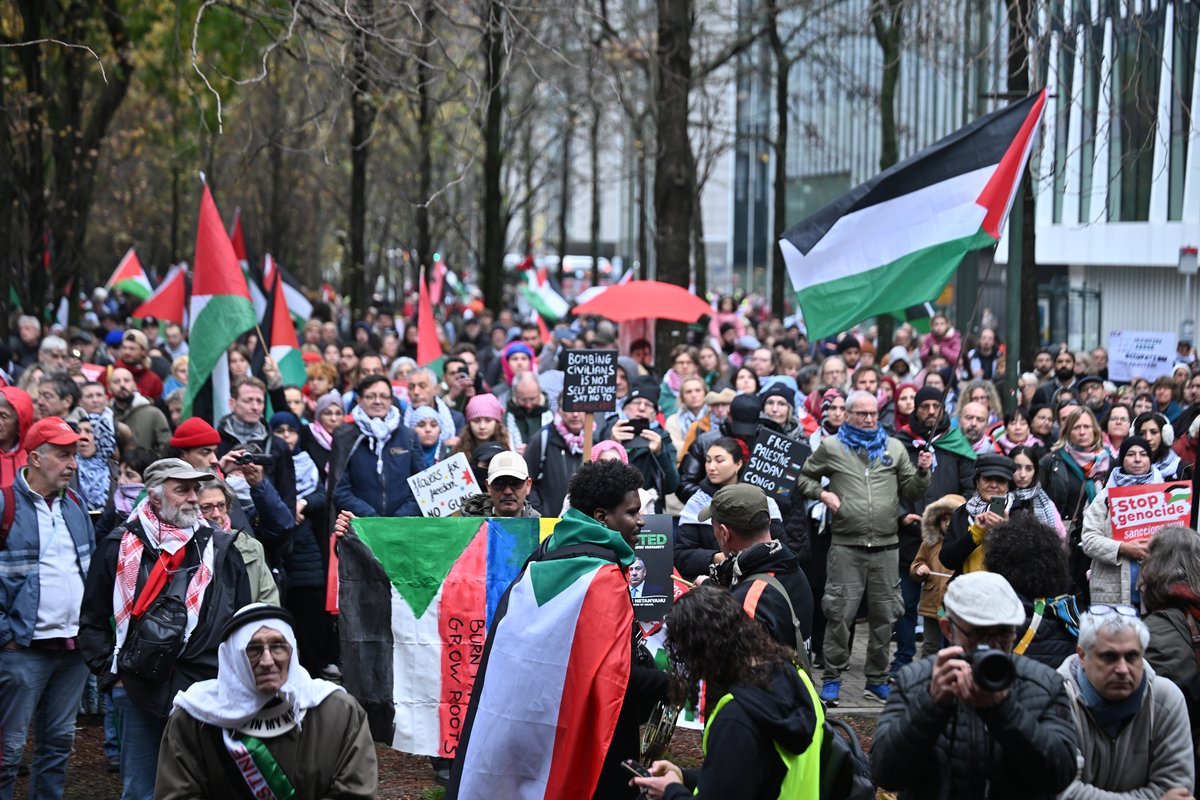
In a significant move reflecting growing international concern over the situation in Gaza, the Belgian federal government has taken decisive action by approving an import ban on goods from the occupied Palestinian territories. This decision emerged during the government's final meeting before the summer recess, marking a concrete response to the ongoing crisis.
Belgium's Historic Import Ban Approval
The Belgian federal government approved a series of measures that include the import ban on goods originating from the occupied Palestinian territories. This step forms part of an agreement reached at the end of last summer. Details on implementation remain to be finalized, according to Belga News Agency, yet the approval itself signals a clear policy shift.
Response to Israel's Actions in Gaza
The import ban was crafted in direct response to Israel's military offensive in Gaza and the mounting civilian death toll. Israel has continued to violate the ceasefire agreement that has been in effect since Oct. 10, 2025. Such violations underscore the urgency that prompted Belgium's measures amid persistent tensions.
Mounting Civilian Casualties and Destruction
According to Gaza's Health Ministry, Israeli ceasefire violations had killed more than 1,100 Palestinians and injured over 3,600 others. The ministry further reports that Israel's military campaign in Gaza since October 2023 has killed more than 73,000 Palestinians and wounded over 173,000. These figures highlight the scale of suffering endured by civilians across the enclave.
Widespread destruction has affected about 90% of Gaza's civilian infrastructure, leaving communities devastated and essential services crippled. The humanitarian toll continues to weigh heavily on families striving to survive amid the ruins.
Gaza’s health system has effectively collapsed under sustained bombardment and blockade, with hospitals operating at minimal capacity due to fuel shortages, destroyed generators, and targeted strikes on medical facilities. The Health Ministry’s figure of more than 73,000 killed includes a demographic skew toward civilians: approximately 70 percent are women and children, reflecting the density of residential strikes and the destruction of schools and shelters. This toll, combined with over 173,000 wounded, has overwhelmed remaining clinics, leaving thousands untreated and accelerating disease outbreaks.
The reported destruction of 90 percent of civilian infrastructure has severed access to clean water, electricity, and sanitation for nearly the entire population. Daily life now revolves around queuing for aid under precarious conditions, with medical evacuations nearly impossible and chronic illnesses untreated. Children face acute malnutrition and psychological trauma, while women bear disproportionate burdens as caregivers amid the loss of homes and family networks. These conditions compound long-term developmental harm across generations.
Economic Ramifications for Palestinian Territories
The import ban targets goods from occupied areas, potentially reshaping trade dynamics that have long sustained certain economic activities. For Palestinian communities, restrictions on such exports could compound existing hardships, limiting revenue streams vital for daily livelihoods and recovery efforts.
Rights to economic self-determination remain central, as the ban draws attention to how occupation influences access to markets. This development may encourage reevaluation of supply chains that inadvertently support settlement economies, fostering greater awareness of economic justice issues.
Distinguishing settlement goods from Palestinian products remains technically challenging yet legally significant. Settlement items are typically labeled with Israeli addresses or export codes tied to West Bank industrial zones, whereas Palestinian goods originate from areas under Palestinian Authority or local producer control. Belgium’s ban aims to enforce this distinction at import points, pressuring supply chains that have historically blurred lines to access European markets.
Palestinian farmers and producers face intensified economic pressure as settlement agriculture undercuts local output through subsidized water, land access, and export infrastructure. The ICJ’s 2024 advisory opinion declaring the occupation unlawful reinforces the rationale for such trade measures, aligning Belgium with emerging state practice. Compared with earlier sanctions on Russian or Myanmar goods, the Belgian step is narrower but symbolically potent, signaling that occupation-related commerce can be isolated without broad economic rupture.
Advancing Human Rights Through Trade Measures
Belgium's decision carries profound human rights significance by linking trade policy to accountability for civilian harm. It affirms the principle that economic relations should not perpetuate conditions of occupation and displacement affecting Palestinian populations.
Compassion for those impacted drives recognition that such bans can serve as tools to uphold international humanitarian standards. The move highlights the interconnectedness of global commerce and the protection of fundamental rights in conflict zones.
Global Solidarity and Its Growing Momentum
International solidarity movements have long advocated for measures addressing the Palestinian situation, and Belgium's approval adds momentum to these efforts. Civil society campaigns worldwide emphasize ethical trade practices that prioritize human dignity over unchecked economic ties.
This action resonates with broader calls for justice, inspiring activists to push similar policies in other nations. It demonstrates how collective pressure can translate into governmental responses that acknowledge the realities faced by Palestinians under occupation.
Belgium joins Spain, Ireland, Norway, and Slovenia in adopting targeted restrictions on settlement-linked trade, reflecting a gradual European shift. These measures vary in scope yet share a common legal premise rooted in non-recognition of settlements. The BDS movement has supplied the organizing framework, translating consumer campaigns into concrete policy demands across multiple capitals.
In Belgium, sustained civil-society advocacy—petitions, parliamentary hearings, and municipal resolutions—created the domestic pressure that aligned with the government’s pre-recess timetable. Acting before summer recess allowed the decision to be locked in without immediate legislative follow-up, giving activists a concrete victory to leverage in other EU states. The timing amplifies visibility, positioning Belgium as a precedent-setter ahead of potential autumn reviews of EU trade instruments.
Broader Political Implications
Politically, the import ban may influence European Union discussions on trade with Israel, prompting member states to consider aligned approaches. It challenges existing frameworks that have tolerated ongoing violations despite ceasefire commitments.
The decision underscores shifting dynamics in international relations, where humanitarian concerns increasingly intersect with foreign policy. As implementation details emerge, the ban could set precedents for addressing occupation-related trade in future diplomatic engagements.
The EU remains divided, with several member states prioritizing security cooperation with Israel while others emphasize international humanitarian law. Belgium’s ban tests the limits of the EU-Israel Association Agreement, whose human-rights clause has rarely been invoked. If implementation proceeds, it could prompt the European Commission to reassess preferential tariff treatment for goods from occupied territory.
A successful Belgian precedent may encourage domino effects in states already leaning toward similar steps, though larger economies will weigh commercial retaliation risks. Diplomatically, the move reflects calculations that reputational costs of inaction now exceed those of modest trade friction, recalibrating how EU capitals balance alliance management against mounting domestic and legal pressure over the occupation.
Looking Ahead Amid Ongoing Challenges
While the import ban represents progress, the path to meaningful change requires sustained attention to the ceasefire violations and their human cost. Palestinian communities continue to navigate profound losses, with the Health Ministry's data serving as a stark reminder of resilience amid adversity.
Belgium's stance invites reflection on how nations can contribute to de-escalation and rights protection. The focus remains on alleviating suffering and supporting equitable solutions that honor the aspirations of those affected.
By Fatima Al-Rashid, Staff WriterThis article was produced with AI-assisted research and editorial support. Reporting is based on sources cited in the article.
What's Your Reaction?
 Like
0
Like
0
 Dislike
0
Dislike
0
 Love
0
Love
0
 Funny
0
Funny
0
 Wow
0
Wow
0
 Sad
0
Sad
0
 Angry
0
Angry
0

Gulf/MENA Correspondent at Global1.News. Based in Doha, covering Gulf politics, energy markets, diplomacy, and development across the Middle East and North Africa. Tracks the economic transformation of the Gulf states.











Comments (0)