
Ontario Wildfires: Thunder Bay 36 Fire Grows to 800,000 Acres, Forcing Mass Evacuations
Wildfires continue to challenge northern Ontario this summer, with the Thunder Bay 36 Fire emerging as one of the most significant blazes in provincial history. Reports from CBC News highlight the fire's origins and rapid growth, underscoring broader pressures on communities and resources across the country. This situation reflects ongoing environmental and logistical complexities faced by residents and governments alike. Toronto, Ontario — Article continues... In a recent CB
Wildfires continue to challenge northern Ontario this summer, with the Thunder Bay 36 Fire emerging as one of the most significant blazes in provincial history. Reports from CBC News highlight the fire's origins and rapid growth, underscoring broader pressures on communities and resources across the country. This situation reflects ongoing environmental and logistical complexities faced by residents and governments alike.
Toronto, Ontario — Article continues...
In a recent CBC News video report detailing the rapid expansion of wildfires in northwestern Ontario, the Thunder Bay 36 Fire stands out as a central focus, having originated on July 12 in Wabakimi Provincial Park approximately 14 kilometres northeast of Wabakimi Lake west of the Berg River.
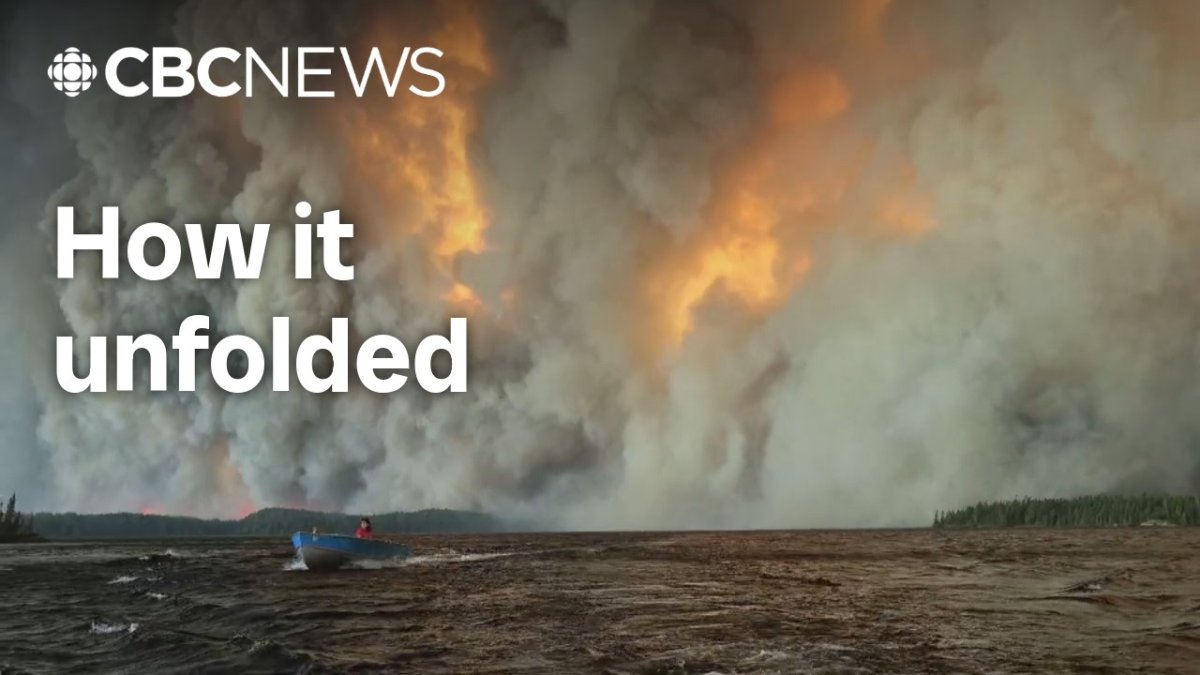
The Scale of the Thunder Bay 36 Fire
The Thunder Bay 36 Fire, designated THU036, has expanded to between 787,802 and 867,300 acres or 318,812 hectares, ranking it among the largest wildfires in Ontario's recorded history.
This blaze formed when the Dryden 13 fire merged with nearby fires in the Wabakimi area, creating a single massive front that continues to advance through remote boreal forest.
A companion fire, Thunder Bay 37 or THU037, burns nearby though it remains smaller in size and has not yet merged with the primary blaze.
Nearly 200 wildfires burn across northern Ontario at present, while 113 fires across Canada are categorised as out of control.
Ontario has recorded 453 wildland fires this year, an increase from 349 at the same point in 2025 and well above the 10-year average of 312 for the period.
More than 850 fires remain active nationwide, placing sustained pressure on provincial and federal resources.
The Thunder Bay 36 Fire, which ignited on July 12 within Wabakimi Provincial Park, has rapidly expanded to between 787,802 and 867,300 acres, positioning it among the largest blazes in Ontario's recorded history. This surpasses the scale of the 2011 Slave Lake fire in Alberta and rivals portions of the 2023 Quebec fires that consumed over 1.5 million hectares across the province. In contrast to the 2016 Fort McMurray wildfire, which displaced 88,000 residents primarily through urban interface destruction, the current Ontario event highlights a shift toward expansive boreal burns amid a season already recording 453 wildland fires, well above the ten-year average of 312. Such growth underscores how prolonged drought and record heat, with temperatures exceeding seasonal norms by several degrees, have desiccated fuels and accelerated spread under strong winds.
Ecologically, a fire of this magnitude in Wabakimi's boreal forest carries profound implications for carbon sequestration and biodiversity. The park's peatlands and coniferous stands, vital for storing millennia of accumulated carbon, risk releasing vast greenhouse gases upon combustion, potentially exacerbating climate feedback loops. Wildlife such as woodland caribou and migratory birds face habitat fragmentation, while post-fire regeneration may favour invasive species over native flora if recovery windows narrow due to recurring dry spells. These dynamics mirror patterns observed in the record 2023 season, where similar fires altered forest composition across vast northern landscapes.
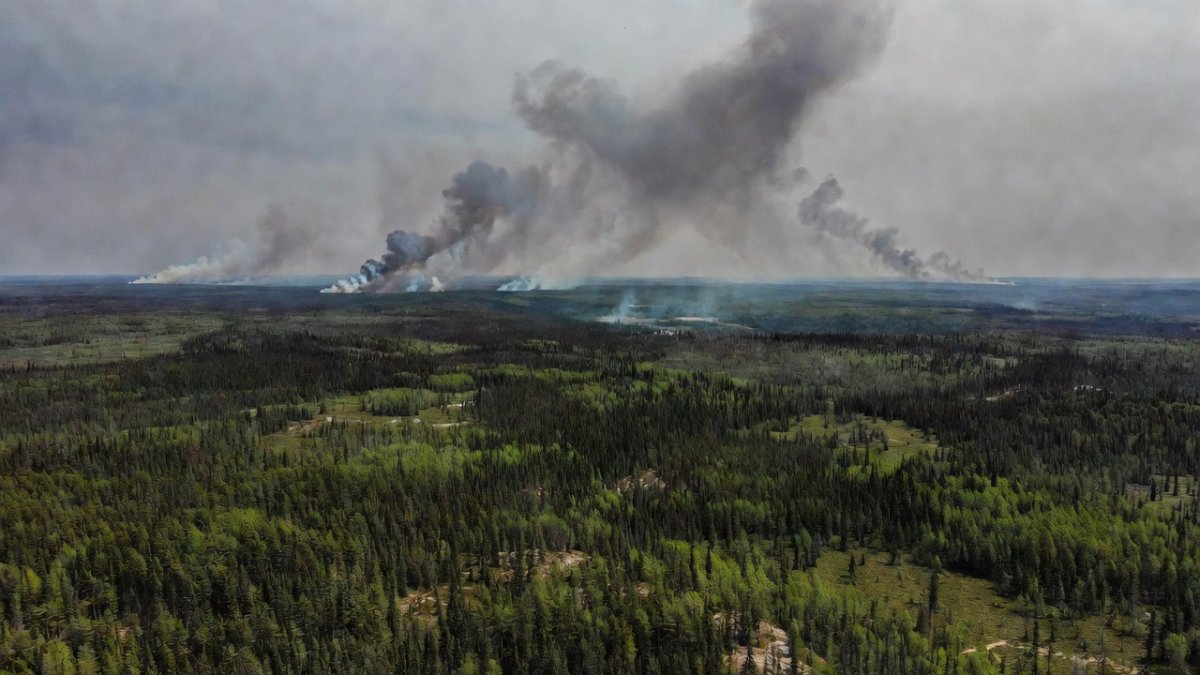
Evacuation Efforts in Affected Communities
Mandatory evacuations are underway in Armstrong, Whitesand First Nation and Collins First Nation, also known as Namaygoosisagagun First Nation.
More than 15 communities face direct impacts, with over 1,500 people displaced from their homes.
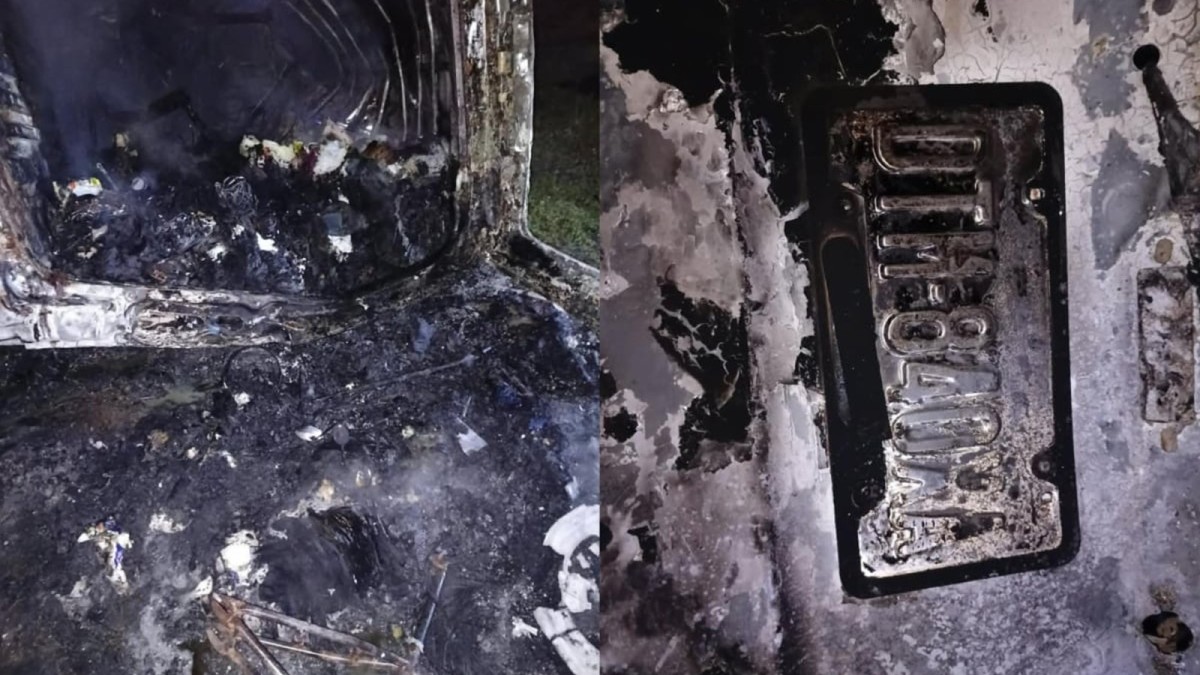
Homes and buildings have been destroyed on Collins First Nation, compounding challenges for residents already navigating remote conditions.
The Ontario Provincial Police assist evacuation operations in five communities and First Nations, coordinating ground transport amid limited road access.
Sections of highways in northern Ontario remain fully closed, disrupting supply lines and travel for residents and responders alike.
Evacuations from remote First Nations communities like Armstrong, Whitesand, and Collins present formidable logistical hurdles, including limited road access and reliance on airlifts amid highway closures. Over 1,500 individuals from 15-plus communities have been displaced, with many now housed in Thunder Bay facilities such as community centres and hotels, though overcrowding strains local resources. Indigenous evacuees often endure heightened psychological distress, including anxiety from cultural disconnection and uncertainty over traditional territories, effects compounded compared to previous years' events where shorter displacements allowed quicker returns. Social impacts include disrupted education and health services, echoing challenges from 2023 when similar northern Ontario evacuations lasted weeks.
Provincial Government Response
Ontario Premier Doug Ford stated that the province is directing all available resources to the response and will spare no expense in keeping people safe.
More than 150 fire crews and nearly 50 firefighting aircraft operate around the clock to contain the blazes.
Ontario Minister of Natural Resources Mike Harris emphasised that the government will keep politics out of the firefighting effort.
These measures reflect Ontario's commitment to public safety in a province where wildfire seasons increasingly overlap with summer tourism and resource industries.
Federal Support and National Firefighting Capacity
The federal government allocated 316 million dollars over five years in the 2025 budget to establish national aerial firefighting surge capacity.
A federal minister confirmed that nothing went wrong with Ottawa's response to the current outbreaks.
This funding builds on longstanding federal-provincial arrangements for disaster response, yet questions persist about whether the scale of recent fires exceeds planned surge thresholds.
Coordination between Ottawa and Queen's Park remains essential given that wildfire management falls primarily under provincial jurisdiction while federal assets provide critical reinforcement.
Air Quality Crisis in Southern Ontario
Severe smog has reached Toronto, where air quality ranked worst in the world on recent days, and has also affected Ottawa.
Outdoor workers in both cities received instructions to stay home or mask up to limit exposure to smoke particulates.
The smoke plume originates from fires hundreds of kilometres north, illustrating how northern resource regions directly influence air quality in the densely populated south.
These conditions strain Ontario's healthcare system, already managing summer heat and existing respiratory cases under medicare.
Wildfire smoke has driven Toronto's air quality to the world's worst levels at times, with fine particulate matter infiltrating southern Ontario and prompting outdoor workers in Ottawa and beyond to remain indoors or use masks. Health risks encompass aggravated asthma, cardiovascular strain, and increased emergency visits, particularly among vulnerable populations. Hospitals report surges in respiratory cases, managing capacity through extended triage protocols while clinics distribute air purifiers. Economically, lost productivity from work absences and school closures could tally millions in daily costs, exceeding 2023 impacts when Canadian smoke affected U.S. cities but prompted less domestic disruption in Ontario itself.
Strains on Canada-US Relations
US President Trump and Republican politicians have blamed Canada for wildfire smoke drifting across the border and have threatened increased tariffs.
Ontario Premier Doug Ford responded that US politicians should instead send assistance, noting Canada's past support for American wildfire efforts.
The exchange highlights vulnerabilities in cross-border environmental cooperation at a time when trade relations already face scrutiny over energy exports and supply chains.
Canadian officials continue to stress that climate-driven fire behaviour affects both nations and requires joint mitigation rather than unilateral trade measures.
Trump's tariff threats over transboundary smoke lack clear legal grounding under existing trade frameworks, appearing more rhetorical than rooted in enforceable agreements. Past Canada-U.S. wildfire cooperation, including mutual aid through the Northwest Wildland Fire Protection Agreement, has facilitated resource sharing effectively during joint seasons. These tensions risk spilling into broader trade relations involving softwood lumber disputes, energy exports, and the auto sector, where retaliatory measures could disrupt integrated supply chains. Canadian diplomats are prioritising quiet engagement through established channels to de-escalate, emphasising shared environmental challenges over unilateral criticism from Republican politicians.
Impacts on First Nations and Indigenous Relations
Evacuations from Whitesand First Nation and Collins First Nation disrupt community life and cultural practices tied to the land in Wabakimi Provincial Park.
Destroyed structures on Collins First Nation add to the recovery burden for communities engaged in ongoing land claims processes under UNDRIP principles.
Ontario's response must incorporate Truth and Reconciliation commitments by ensuring Indigenous knowledge informs containment strategies and post-fire rehabilitation.
Federal-provincial funding flows will need to address not only immediate safety but also long-term support for displaced residents returning to affected reserves.
Broader Wildfire Trends Across Canada
The current outbreaks fit a pattern of elevated fire activity that exceeds historical averages and coincides with drier conditions linked to climate change.
Canada's carbon pricing framework and emissions targets face renewed scrutiny as provinces balance resource development in the oil sands and hydro sectors with forest protection.
Public safety agencies including the RCMP and provincial police maintain readiness for secondary impacts such as organised crime exploiting evacuated areas or increased pressure on border security.
For Canadian readers, these fires underscore the need for sustained investment in prevention, Indigenous partnership and intergovernmental coordination to safeguard both northern communities and southern urban centres from escalating environmental risks.
By Alex Thompson, Staff WriterThis article was produced with AI-assisted research and editorial support. Reporting is based on sources cited in the article.
What's Your Reaction?
 Like
0
Like
0
 Dislike
0
Dislike
0
 Love
0
Love
0
 Funny
0
Funny
0
 Wow
0
Wow
0
 Sad
0
Sad
0
 Angry
0
Angry
0

Canada Correspondent at Global1.News. Based in Toronto, covering Canadian politics, energy, trade, and US-Canada relations. Provides the Canadian perspective on North American and global affairs.












Comments (0)