
B.C. First Nation marks 5 years since potential burial sites found on grounds of former school
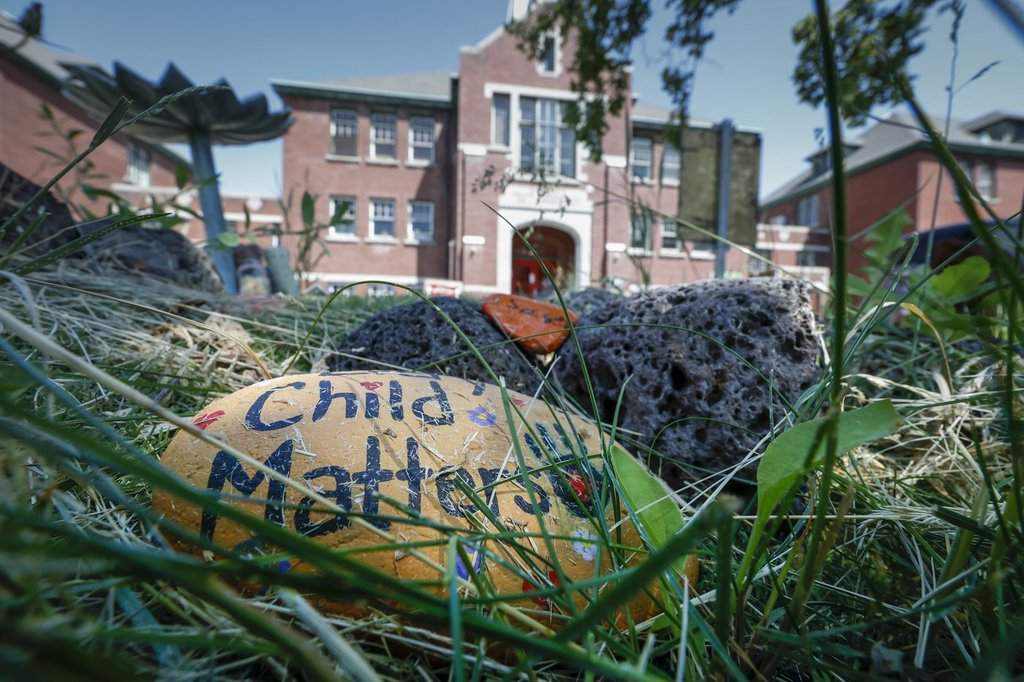
Five Years After Ground-Penetrating Radar Survey, Tk’emlúps te Secwépemc Reflect on Unmarked Sites at Former Kamloops Residential School
Marking a Solemn Anniversary
Tk’emlúps te Secwépemc leadership gathered this week to mark five years since the May 27, 2021, release of preliminary ground-penetrating radar results that identified 215 subsurface anomalies on the grounds of the former Kamloops Indian Residential School. The announcement, delivered by then-Chief Rosanne Casimir, prompted nationwide reflection and accelerated searches at dozens of other former residential school sites across Canada. Community members describe the intervening years as a period of measured progress amid persistent grief.
Background on the Kamloops School and Residential School System
The Kamloops Indian Residential School operated from 1890 until 1969 under the Roman Catholic Church, with federal oversight continuing until its closure in 1977. It was one of the largest such institutions in the country, housing children from multiple Secwépemc communities as well as neighbouring First Nations. Federal records indicate that at least 51 children died while attending the school, though community oral histories suggest the true number is higher. These deaths were often attributed to disease, malnutrition, and accidents, with limited documentation provided to families.
The broader residential school system, authorized by the Indian Act and operating from the 1880s to the 1990s, involved more than 130 institutions. The Truth and Reconciliation Commission documented 3,200 named deaths and estimated the actual toll could exceed 6,000. Its 2015 final report characterized the system as cultural genocide, citing policies of forced assimilation that separated children from families, language, and traditions.
The 2021 Survey and Initial Findings
The 2021 radar survey was commissioned by Tk’emlúps te Secwépemc after archival research and survivor testimony pointed to possible unmarked burials near the school’s apple orchard and other locations. The anomalies appeared at depths consistent with child-sized graves. No excavations have taken place at the Kamloops site; the First Nation has emphasized that any further work must remain community-directed and culturally appropriate. Similar surveys at other sites, including Marieval in Saskatchewan and Kuper Island in British Columbia, have produced comparable results, prompting federal funding commitments exceeding $320 million for search and commemoration efforts.
Developments Over Five Years
In the years since the announcement, the federal government passed legislation implementing the United Nations Declaration on the Rights of Indigenous Peoples and allocated resources for the National Advisory Committee on Residential Schools Missing Children and Unmarked Graves. Several First Nations have completed or advanced technical surveys, while others have paused work to prioritize survivor wellness and cultural protocols. Tk’emlúps te Secwépemc has focused on archival digitization, support for intergenerational trauma programs, and collaboration with forensic anthropologists who stress that radar anomalies require careful verification before any conclusions about cause or manner of death can be drawn.
Legal proceedings related to residential schools continue. Class-action lawsuits concerning unmarked graves remain in early stages, and the Catholic Church has faced renewed pressure to release all relevant records. Public commemorations, including the annual National Day for Truth and Reconciliation on September 30, have become fixtures in Canadian civic life, though participation rates and educational integration vary by province.
Expert Perspectives on Verification and Healing
Dr. Sarah Beaulieu, a forensic anthropologist who has advised multiple First Nations on ground-penetrating radar methodology, notes that anomalies detected in 2021 remain “targets of interest” rather than confirmed burials until invasive testing occurs. She emphasizes that communities retain decision-making authority over whether and how to proceed. Historian Dr. John Milloy, author of “A National Crime,” observes that the 2021 findings aligned with long-standing survivor accounts previously dismissed by officials. Indigenous scholars such as Dr. Niigaanwewidam James Sinclair stress that reconciliation requires sustained action on the Truth and Reconciliation Commission’s 94 Calls to Action, particularly those addressing education and child welfare.
Community health workers in Kamloops report increased demand for mental-health services in the wake of the announcement, alongside renewed interest in language revitalization programs. Some elders have described the period as one of “painful remembering” that also created space for younger generations to engage with family histories previously kept private.
Analysis: Lasting Implications for Policy and Public Understanding
The Kamloops findings shifted public discourse by providing physical corroboration of documentary and oral evidence. Federal and provincial curricula have incorporated more residential-school content, though implementation remains uneven. Corporate and institutional land acknowledgments have proliferated, yet critics argue these gestures sometimes substitute for structural change in areas such as child welfare overrepresentation and resource revenue sharing.
Funding for searches and memorials has increased, yet Tk’emlúps te Secwépemc leaders continue to advocate for full access to church and government archives. International observers, including United Nations rapporteurs, have cited the Canadian experience when examining similar histories in other settler-colonial states. The five-year mark arrives as some communities weigh the emotional cost of further investigation against the value of definitive answers.
This is Alex Thompson for Global1 News, reporting from Toronto. 🇨🇦
This article was produced with AI-assisted research and editorial support. Reporting is based on sources cited in the article.
What's Your Reaction?
 Like
0
Like
0
 Dislike
0
Dislike
0
 Love
0
Love
0
 Funny
0
Funny
0
 Wow
0
Wow
0
 Sad
0
Sad
0
 Angry
0
Angry
0
Canada Correspondent at Global1.News. Based in Toronto, covering Canadian politics, energy, trade, and US-Canada relations. Provides the Canadian perspective on North American and global affairs.










Comments (0)