
US-Iran War Hits Critical Crossroads: Direct Strikes Pause, Blockade Tightens
The US-Iran war just slammed on the brakes after 13 nights of relentless American strikes, but anyone buying the "diplomacy wins" line is swallowing pure spin. Direct hostilities paused on July 25 for the first time in two weeks, yet CENTCOM's naval blockade of Iranian ports in the Strait of Hormuz remains ironclad, with two tankers already disabled for trying to run it. This is no ceasefire—it's a calculated reset while Washington figures out its next move. Washington, D.C.
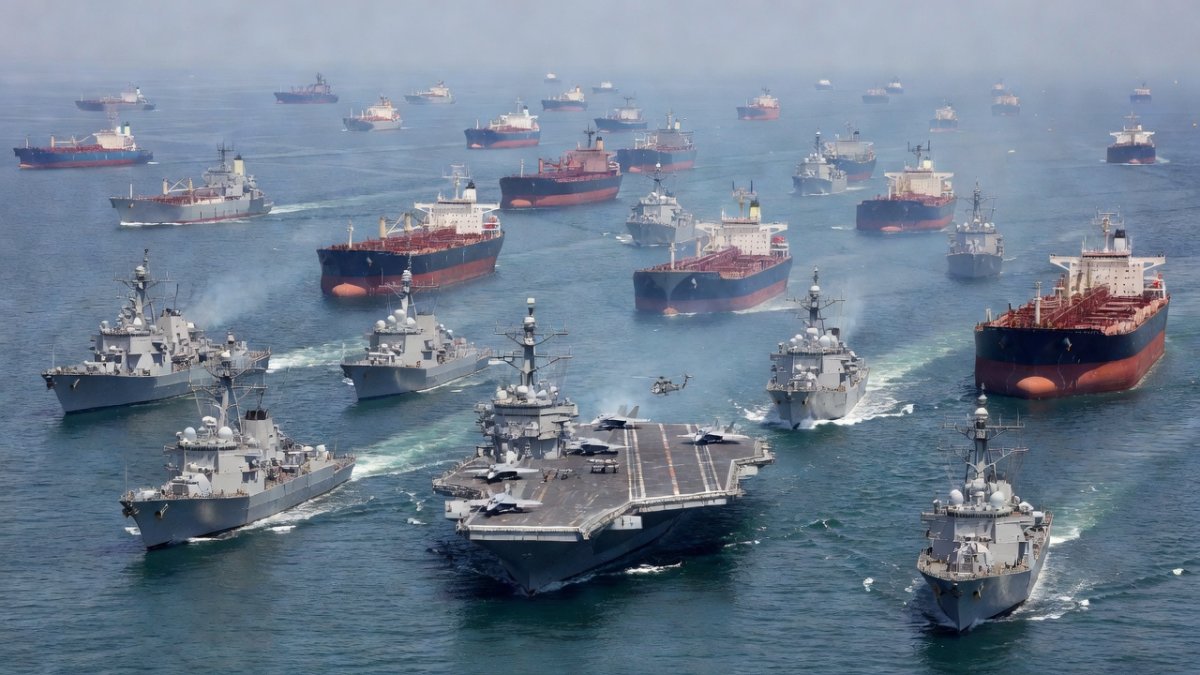
The US-Iran war just slammed on the brakes after 13 nights of relentless American strikes, but anyone buying the "diplomacy wins" line is swallowing pure spin. Direct hostilities paused on July 25 for the first time in two weeks, yet CENTCOM's naval blockade of Iranian ports in the Strait of Hormuz remains ironclad, with two tankers already disabled for trying to run it. This is no ceasefire—it's a calculated reset while Washington figures out its next move.
Washington, D.C. — The pause in direct US strikes against Iran marks the first break since the war's latest flare-up, but the facts on the ground tell a story of enforced containment rather than de-escalation. After US-Israeli airstrikes kicked off the conflict on February 28, 2026, killing Supreme Leader Ali Khamenei and other top officials, a mid-June ceasefire collapsed in early July when Iran drone-struck a cargo ship in the Strait of Hormuz. That triggered the US resumption of strikes and the full reinstatement of the blockade. Now, with 13 consecutive nights of American operations wrapping on July 24, the military pressure has shifted to sea control, where two tankers including the M/T Lavine were disabled in the Gulf of Oman after ignoring warnings. This isn't about ending the fight—it's about strangling Iran's ability to export oil and sustain its proxies while Trump floats a London conference with UK backing.
The Blockade Bites Hard
Let's cut through the fog: CENTCOM's announcement that the naval blockade stays "in full effect" means business. US forces have redirected 12 commercial vessels, boarded two tankers for compliance checks including the M/T Charminar, and taken out two others attempting to breach the line. The M/T Lavine got disabled on July 24 after repeated warnings went ignored, with CENTCOM footage showing the boarding of one ship and the disabling of another. This isn't some symbolic show—it's choking off Iran's economic lifeline through the Strait of Hormuz, where Janes confirms limited commercial transit is being assisted only under strict US oversight. The real message here is that Iran can't just wait this out; every tanker turned away or sunk tightens the noose on their regime's funding.
What this blockade really exposes is the limits of Iran's asymmetric tactics. Their earlier drone strikes on ships after the ceasefire collapse were meant to provoke and disrupt, but the US response has been methodical and overwhelming. Two disabled tankers in quick succession send a clear signal to any vessel thinking about testing the perimeter. Oil markets are already reacting with eased prices as the pause holds, but that relief is fragile. If the blockade drags on, global energy costs could spike again, hitting American drivers and industries hardest. This is power projection at its rawest, and it shows the US isn't backing down from controlling one of the world's most critical chokepoints.
History offers a stark warning here. The 1980s Tanker War during the Iran-Iraq conflict saw both sides targeting oil shipments through the same strait, with the US eventually reflagging Kuwaiti vessels and deploying warships to protect flows. Today's American enforcement echoes that era but with far greater precision and technological edge, turning the waterway into a controlled corridor rather than a free-for-all. Unlike the scattered attacks of the 1980s, CENTCOM's current approach combines boarding parties with real-time satellite tracking, effectively recreating the kind of chokehold that once forced Iraq into prolonged economic isolation under sanctions regimes of the 1990s.
Expert analysts at the Center for Strategic and International Studies note that sustained blockades like this historically erode regime resilience within 18 to 24 months by slashing export revenues. Iran's current predicament mirrors the post-1991 Iraq sanctions squeeze, where oil income plummeted and proxy funding dried up, though Tehran’s Revolutionary Guard has proven more adaptive at smuggling than Saddam’s forces ever were. The message remains blunt: Washington is betting that economic attrition will achieve what airstrikes alone could not.
Trump's Diplomacy Signal Versus Pentagon Realities
Trump is out there signaling openness to talks and a potential London conference, but reports from the New York Times highlight a key constraint: the Pentagon is reportedly running low on air-defense missiles after those 13 nights of strikes. That detail changes everything about why the pause happened now. It's not some grand strategic pivot toward peace—it's logistics forcing a breather. Holding off on a major follow-on attack makes sense when your stockpiles are thinning, yet the blockade keeps the pressure on without burning through more munitions. This is classic Trump maneuvering: talk tough on diplomacy while the military enforces the status quo.
The spin from some corners is that this opens a door for real negotiations, but history from this conflict says otherwise. The original ceasefire in mid-June fell apart fast once Iran hit that cargo ship, proving Tehran's proxies and hardliners won't play ball. Hezbollah continues its support for Iran, and the Houthis have claimed missile attacks on targets, keeping the regional fire burning. Any London conference will likely be theater unless the US maintains the blockade leverage. What it means for Americans is higher defense spending ahead and the risk of drawn-out involvement if diplomacy flops again.
The New York Times reporting on depleted air-defense interceptors reveals a deeper strategic bind. After expending dozens of high-end missiles against Iranian salvos, US stocks of systems like the SM-3 and Patriot PAC-3 have dipped below comfortable thresholds, forcing commanders to prioritize defensive coverage over offensive follow-through. This shortage isn't just a footnote—it signals that prolonged high-intensity operations against a peer adversary like Iran expose vulnerabilities in America's industrial base, where replenishment rates lag behind consumption.
Strategically, the pause buys time for munitions factories to ramp up while the naval cordon maintains leverage without additional missile expenditure. Yet this also hands Iran a propaganda win, allowing hardliners to claim they forced a US retreat. The 1990s Iraq sanctions parallel applies again: economic pressure worked only when paired with credible military threat, and any perception of American hesitation could embolden Tehran to test the limits sooner rather than later.
Israel Stays on the Sidelines This Round
One underreported shift is Israel's absence from the latest hostilities. While the initial February 28 strikes were joint US-Israeli operations that took out Khamenei, Tel Aviv has not participated in this round. That could reflect internal Israeli calculations or US pressure to keep the focus bilateral for now. Either way, it leaves the US carrying the load in the Strait of Hormuz enforcement, with CENTCOM handling the vessel boardings and disablements solo. This isolation of the fight might buy time for broader talks, but it also risks leaving gaps that Iranian-backed groups like Hezbollah could exploit.
The bigger picture here is alliance fatigue. Israel took heavy risks early on, and now the US is managing the maritime endgame alone. If the pause holds, expect more calls for burden-sharing, but don't hold your breath. The facts show a war that started with joint action now resting on American naval power alone.
Israeli restraint likely stems from domestic political calculations after the Khamenei strikes, where public support for further entanglement has waned amid ongoing Gaza operations. By stepping back, Tel Aviv avoids stretching its own air and missile defenses thin while still benefiting from the US-led containment of Iranian oil revenues that fund Hezbollah rockets.
This division of labor echoes the 1980s Tanker War, when the US shouldered most naval escort duties while regional allies contributed minimally. The risk is that Iranian proxies interpret American solo action as a green light for asymmetric retaliation elsewhere, particularly along Israel's northern border where Hezbollah remains poised.
Oil Prices Ease but the Threat Lingers
Gulf News reports oil prices have eased as the pause in strikes takes hold and Trump opens the diplomacy door. That's welcome news for consumers after weeks of volatility, but it's no guarantee of stability. The blockade remains the wildcard—if Iran can't move tankers freely, supply disruptions could return fast. Two vessels already disabled prove the enforcement is real, and any attempt to challenge it further will keep markets on edge. This economic pressure is the point: starve the regime of revenue while avoiding full-scale escalation.
Analysis of the numbers shows why this matters. The Strait of Hormuz handles a massive chunk of global oil transit, and US redirection of 12 vessels plus the boardings demonstrate control. Prices dipping now reflects hope for de-escalation, yet the underlying tensions from the collapsed July ceasefire mean this calm could shatter. Americans paying at the pump should watch the blockade updates, not the press conferences.
Brent crude has slipped roughly $4 per barrel since the pause announcement, easing pressure on US gasoline prices that had climbed above $4.10 per gallon in several coastal states. Yet the International Energy Agency warns that any prolonged closure or restriction through Hormuz—which carries 20 percent of global oil trade—could add $20–30 to a barrel within weeks, directly translating to 40-cent spikes at American pumps and higher costs for trucking and aviation fuel.
The 1980s precedent is instructive: tanker attacks then drove insurance rates skyward and forced rerouting around Africa, adding weeks to delivery times and billions in extra costs. Today's markets are even more sensitive, with algorithmic trading amplifying every CENTCOM update into immediate price swings that hit working families hardest through inflated heating bills and grocery runs.
The Human Cost
Beyond the strategic chessboard, the conflict's toll on ordinary people remains staggering and largely invisible in official briefings. Iranian civilians in port cities like Bandar Abbas have faced power outages and supply shortages as the blockade tightens, while displaced families from earlier airstrikes crowd into makeshift shelters with limited access to medicine or clean water. Regional displacement has surged, with thousands fleeing border areas into neighboring countries already strained by prior refugee flows.
The humanitarian parallels to the 1990s Iraq sanctions era are impossible to ignore. Those measures, intended to pressure Saddam, instead produced widespread malnutrition and collapsed healthcare systems among civilians who bore no responsibility for regime decisions. Iran's current isolation risks repeating that pattern, where proxy funding cuts coincide with domestic hardship that hardliners exploit to rally nationalist support.
Children in southern Iran and Yemen bear the brunt through disrupted schooling and rising disease rates, while American families watch fuel costs climb and worry about loved ones deployed to enforce the very measures causing distant suffering. This is the unspoken ledger of great-power confrontation: lives upended on both sides of the strait without a single additional missile fired.
Regional Proxies Keep the Pot Boiling
Even with the US-Iran direct pause, the Houthis and Hezbollah aren't standing down. Their continued claims and support for Iran show the conflict's tentacles reach far beyond the Strait. The original war trigger—strikes killing Iranian leadership—hasn't resolved the proxy network that Iran built over years. This pause might give the US breathing room on missiles, but it doesn't neutralize those threats. Expect more low-level attacks testing the limits of the current standoff.
What Comes Next in This Crossroads
The US-Iran war sits at a genuine inflection point after those 13 nights and the July 25 pause. The blockade's full effect, combined with missile concerns and Trump's diplomatic overtures, points to a strategy of sustained economic strangulation over immediate further strikes. Yet the facts from the collapsed ceasefire warn against optimism. This isn't over—it's paused under American terms, with two tankers as proof of enforcement. The coming weeks will reveal if the London conference produces anything or if the naval pressure forces Iran's hand first. Stay sharp; the next move could come from the sea or the negotiating table, but it won't be handed to us on a silver platter.
By Jessica Ali, Staff Writer
This article was produced with AI-assisted research and editorial support. Reporting is based on sources cited in the article.
What's Your Reaction?
 Like
0
Like
0
 Dislike
0
Dislike
0
 Love
0
Love
0
 Funny
0
Funny
0
 Wow
0
Wow
0
 Sad
0
Sad
0
 Angry
0
Angry
0

Editor-in-Chief at Global1.News. Atlanta-based journalist who cuts through the BS and tells it like it is. Lead anchor, host, and the voice you hear when the spin stops and the truth starts.













Comments (0)