
Trump Tariffs on Mexico Ignite Border Economy Fears
US President Donald Trump announced on Monday that Washington would apply previously delayed 25% tariffs against Mexico and Canada, sending immediate shockwaves through northern Mexican manufacturing hubs. President Claudia Sheinbaum's administration is now coordinating responses through the Secretaría de Economía while families in border colonias brace for reduced shifts at maquiladoras.
US President Donald Trump announced on Monday that Washington would apply previously delayed 25% tariffs against Mexico and Canada, sending immediate shockwaves through northern Mexican manufacturing hubs. President Claudia Sheinbaum's administration is now coordinating responses through the Secretaría de Economía while families in border colonias brace for reduced shifts at maquiladoras. The peso weakened sharply in Mexico City trading as the USMCA review clock started on July 1 2026 without renewal.
Trump Tariffs Hit Mexico Hard as Sheinbaum Responds
Mexico City, Mexico — Article continues with expanded reporting on trade tensions, peso movements, and daily impacts for Mexican workers and families across industrial states.
Markets React Sharply After Trump Tariff Announcement
In a recent DW News report, US President Donald Trump announced on Monday that Washington would apply previously delayed 25% tariffs against Mexico and Canada. US stocks closed sharply lower in afternoon trading following the comments. The move also includes 10% tariffs on Chinese products imposed in February, with the rate rising to 20%.
Analysts at Banxico noted the announcement reversed recent gains in the Mexican stock exchange, with the IPC index dropping 3.2 percent by close of business on Monday. Investors shifted funds into US Treasury bonds as uncertainty spread through supply chain financing tied to cross-border auto parts. This reaction mirrors the 2019 tariff threats when similar announcements caused a 4 percent peso slide within 48 hours.
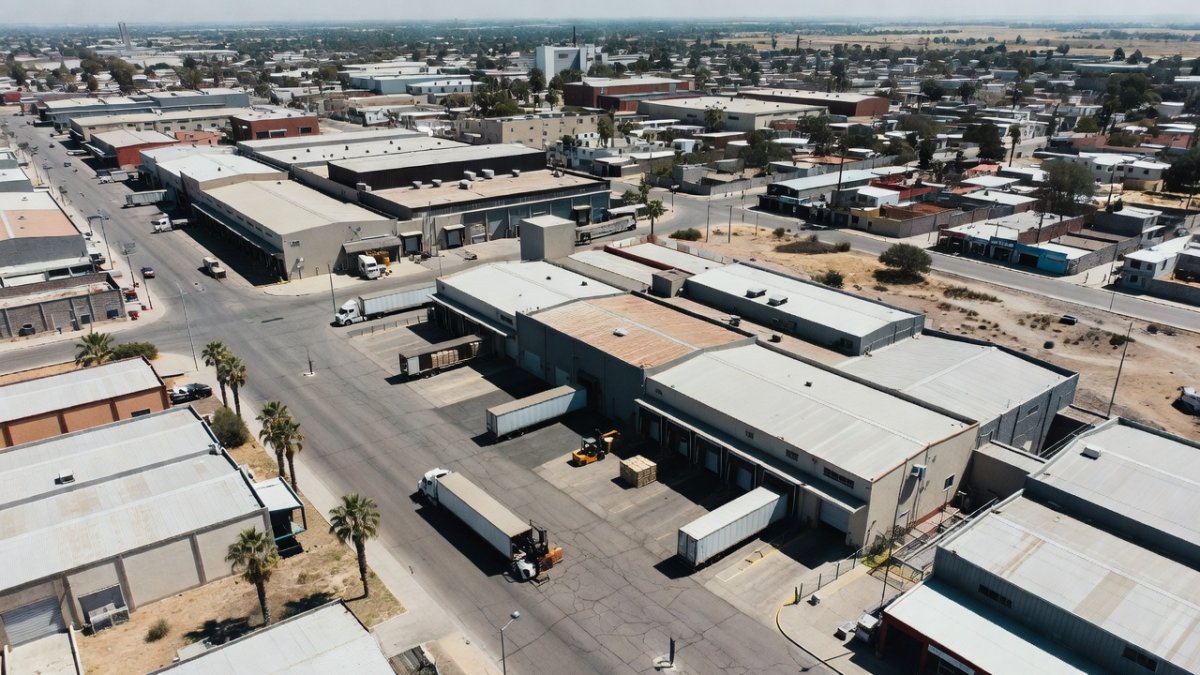
Border Cities Brace for Direct Hits to Manufacturing
Communities in Ciudad Juárez, Tijuana, and Monterrey depend heavily on cross-border manufacturing. The 25% tariffs apply to most goods from Mexico and Canada, though USMCA-compliant goods may have carve-outs. Mexico's auto industry, maquiladora sector, agriculture, and manufacturing face immediate pressure because supply chains cross borders multiple times before final assembly.
Workers in maquiladoras in Ciudad Juárez assemble parts that return to the United States several times during production. A tariff at each crossing raises costs that companies pass along or absorb by cutting shifts. Families in these colonias already stretch wages across rent, school supplies, and medical visits at IMSS clinics.
INEGI data from the first quarter of 2026 shows manufacturing employment in Chihuahua and Baja California reached 1.1 million workers, many in tariff-exposed sectors. A sustained 25 percent duty could reduce orders by 15 to 20 percent according to estimates from the Consejo Nacional de la Industria Maquiladora. Local chambers of commerce in Monterrey report early signs of delayed payments from US buyers awaiting clarification on carve-outs.
Sheinbaum Administration Addresses Existing Tariff Reality
Mexico's President Claudia Sheinbaum responded that Mexico had already been paying tariffs on non-USMCA goods. The Secretaría de Economía continues to track shipments through customs points in Nuevo Laredo and Tijuana. Officials in the Palacio Nacional emphasize that compliant exports under the current USMCA framework remain the priority for the Sheinbaum administration.
The response focuses on protecting existing trade flows rather than new concessions. Morena legislators in the Cámara de Diputados have called for targeted support to affected sectors while the Senado reviews budget allocations for export promotion through ProMéxico programs.
Sheinbaum met with industry leaders from the automotive cluster in Aguascalientes this week to review certification processes. Government data indicates 85 percent of current Mexican exports to the US already meet USMCA rules, limiting the immediate scope of new duties. Officials are preparing technical assistance teams to help smaller suppliers in Guanajuato complete compliance paperwork by September.
USMCA Review Clock Begins Without Auto-Extension
The USMCA review officially began July 1, 2026. Trump declined to renew or auto-extend the pact, triggering its sunset clause and starting a 10-year countdown clock. This timeline affects long-term investment decisions by automakers in Monterrey and agricultural exporters in Sinaloa and Michoacán.
Without renewal, companies must plan for possible higher barriers after 2036. Farmers who sell avocados and berries to US markets now weigh whether to expand domestic sales through tianguis networks or seek new buyers in Europe and Asia.
The 10-year window creates planning pressure for nearshoring projects announced in 2024 and 2025. Firms considering new plants in Querétaro now include higher contingency costs in their models. Agricultural cooperatives in Michoacán have begun mapping alternative shipping routes through Pacific ports to reach Asian markets if US access tightens further.
Peso Pressure and Remittance Concerns for Families
The Mexican peso came under pressure against the US dollar after the announcement. Currency traders in Mexico City watched the exchange rate move in real time. A weaker peso raises the cost of imported medicine and machinery used by small manufacturers in Guadalajara.
Mexican families rely on remittances from workers in the US, which could be affected by broader economic slowdown. Households in Oaxaca and rural Puebla count on monthly transfers to cover CONEVAL-measured basic needs. Wall Street analysts warned of recession risks and higher consumer prices that could reduce hiring in US sectors that employ Mexican migrants.
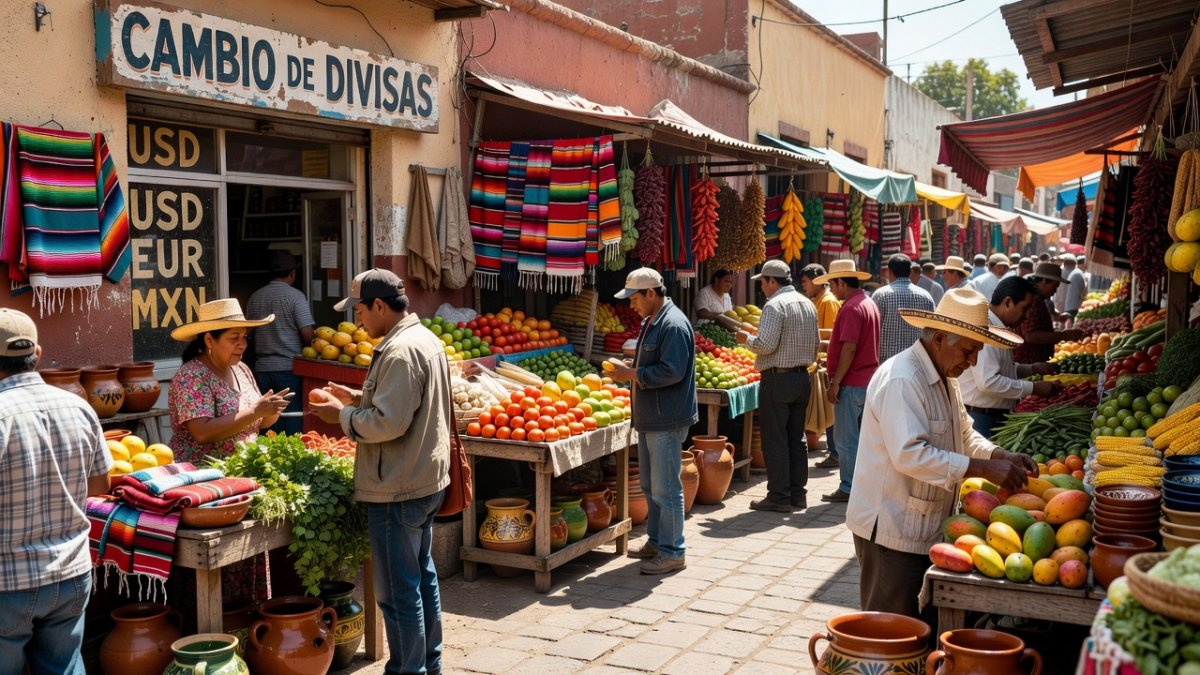
Integrated Supply Chains and Worker Livelihoods
Supply chains are deeply integrated across borders. A single vehicle part may cross the border three times before final assembly in Michigan. Tariffs at each stage increase total costs for the finished product sold in both countries.
Maquiladora workers in Tijuana who assemble electronics and medical devices now face possible reduced hours. Teachers in local schools report that parents already discuss cutting after-school programs if factory overtime disappears. Healthcare workers at ISSSTE hospitals in border states anticipate higher demand for stress-related care if job losses materialize.
CONACYT studies show that each maquiladora job supports 2.3 additional positions in local services. A 10 percent drop in production orders would therefore affect roughly 250,000 indirect jobs in northern states within six months. Union leaders in Ciudad Juárez have scheduled meetings with state labor officials to prepare unemployment support applications.
Canadian Response and Mexico's Trade Options
Canadian PM Mark Carney said Canada is ready to respond if tariffs go into effect. Mexican trade officials at the Secretaría de Relaciones Exteriores have begun quiet consultations with partners in the European Union and Pacific Alliance countries. These talks focus on diversifying markets for manufactured goods currently routed through US distribution centers.
Small business owners in the auto parts cluster around Saltillo examine whether they can qualify for remaining USMCA carve-outs. Cooperatives of campesinos in Chihuahua study domestic processing options to reduce reliance on fresh export shipments that face the new 25% levy.
Mexico's exports to the European Union grew 12 percent last year, offering one potential buffer. Trade negotiators are accelerating talks with Pacific Alliance members to ease rules for processed agricultural goods. Business groups in Saltillo are also exploring financing from Nacional Financiera to retool lines for domestic market production.
Political Fallout and Congressional Dynamics
Morena legislators in the Cámara de Diputados have pushed for immediate budget reallocations to support export promotion while PAN and PRD members from Nuevo León and Chihuahua demand stronger retaliatory measures. The debate centers on whether to mirror US tariffs on select agricultural imports or focus resources on legal challenges through USMCA dispute panels. Industrial state governors from both parties have formed a working group to coordinate state-level responses ahead of the 2027 midterm elections.
The upcoming midterms add urgency as candidates in border districts highlight job protection. Morena's majority allows quick passage of support packages, yet opposition voices argue for broader diversification funding. Lawmakers from Chihuahua have introduced proposals to expand ProMéxico offices in Europe by early 2027.
Outlook for Ordinary Mexicans Under New Trade Pressure
The tariffs arrive as the Sheinbaum administration manages post-pandemic recovery and nearshoring investments. Daily life in manufacturing colonias now includes conversations about possible layoffs and the cost of USMCA-compliant certification. Students at technical universities in Monterrey question whether their training will lead to stable jobs if cross-border production contracts.
INEGI data already shows manufacturing employment concentrated in the northern states. Any sustained drop in orders will register quickly in those figures and in household spending tracked by CONEVAL. The coming months will test how quickly Mexican producers can shift portions of their output while the 10-year USMCA countdown continues.
What to Watch For
USMCA negotiations are scheduled to intensify in September with the first formal review session set for Washington. President Sheinbaum plans a visit to the United States in October to meet with congressional leaders and industry groups. Mexican officials are preparing a list of potential retaliatory tariffs on US agricultural products including corn and pork if talks stall.
The peso is expected to remain volatile ahead of the next Federal Reserve rate decision in November. Analysts at Banxico project further depreciation of 5 to 8 percent if tariffs remain in place through year-end. Families in border states will monitor factory overtime announcements in the coming weeks as companies finalize Q4 production schedules.
By Rosa Martinez, Staff WriterThis article was produced with AI-assisted research and editorial support. Reporting is based on sources cited in the article.
What's Your Reaction?
 Like
0
Like
0
 Dislike
0
Dislike
0
 Love
0
Love
0
 Funny
0
Funny
0
 Wow
0
Wow
0
 Sad
0
Sad
0
 Angry
0
Angry
0

Latin America/Andes Correspondent at Global1.News. Based in Bogota, covering politics, environment, energy, and social movements across the Andean region. Passionate about environmental journalism and communities protecting their land.














Comments (0)