
Mexico Defeats $1.53 Billion Vulcan Claim in ICSID Ruling
The Historic Ruling in Favor of Mexico The International Centre for Settlement of Investment Disputes delivered a clear victory for Mexico on July 27, 2026, when its tribunal dismissed the vast majority of claims brought by Calica, a subsidiary of the U.S.-based Vulcan Materials Company.
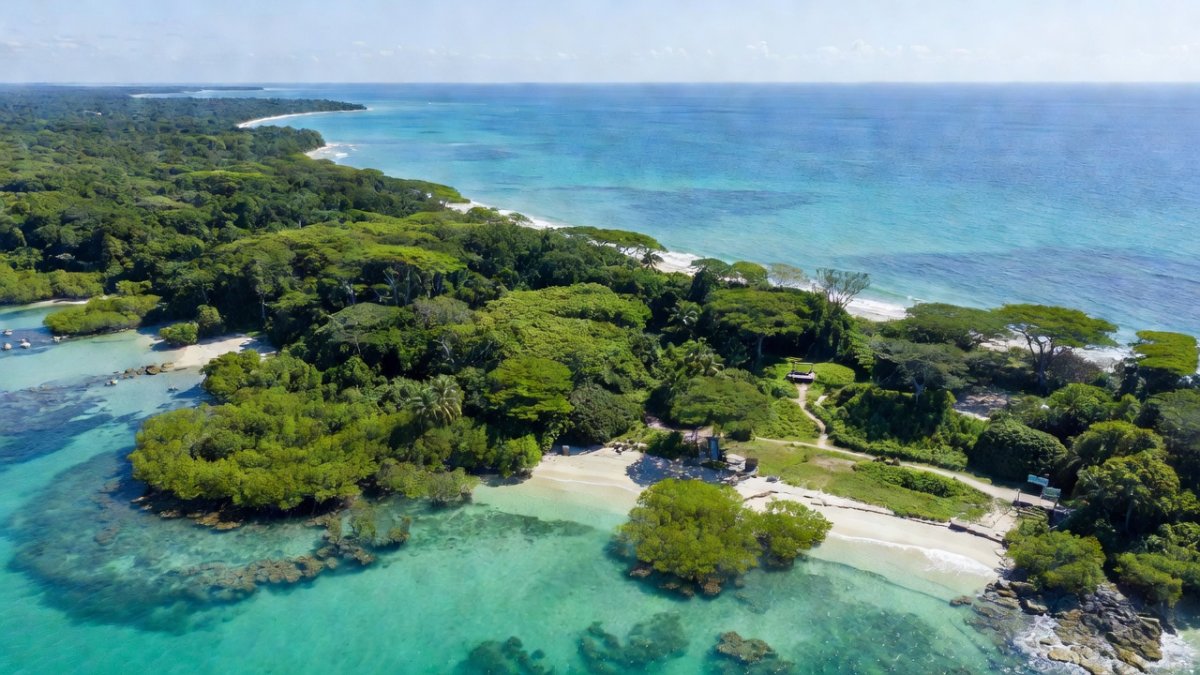
The Historic Ruling in Favor of Mexico
The International Centre for Settlement of Investment Disputes delivered a clear victory for Mexico on July 27, 2026, when its tribunal dismissed the vast majority of claims brought by Calica, a subsidiary of the U.S.-based Vulcan Materials Company. The decision ends an eight-year arbitration process that began in 2018 and centered on limestone mining operations along the coast of Quintana Roo. Mexico now faces payment of only about fifteen million dollars, representing less than one percent of the one point five three billion dollars originally sought.
This outcome reflects the strength of Mexico's legal arguments regarding environmental protections and regulatory authority. Communities across Quintana Roo have long voiced concerns about the operations that extracted millions of tons of limestone from the seafloor and jungle for nearly forty years. The ruling affirms that Mexico retains the right to enforce its laws when foreign investments cause significant harm to natural resources.
Local families in the region, many of whom depend on tourism and fishing, see the decision as validation of their longstanding calls for accountability. The tribunal upheld only one minor measure from 2018, underscoring that broader claims lacked merit under the USMCA framework.
" class="img-fluid" alt="Coastal landscape in Quintana Roo showing protected areas">

Decades of Extraction and Its Toll on Quintana Roo
Calica's limestone operations ran for nearly four decades, removing vast quantities of material from the coastal zone of Quintana Roo and shipping it primarily to construction projects in the United States. The company exceeded authorized extraction limits, prompting the federal government under President Andrés Manuel López Obrador to order a definitive shutdown in 2022. This action followed years of documented violations that affected both terrestrial and marine environments.
The federal government later decreed the affected lands as the Felipe Carrillo Puerto Flora and Fauna Protection Area, establishing permanent safeguards for the region. This designation recognizes the ecological importance of the area, which includes sensitive underground systems vital to local water supplies. Residents in nearby communities have described how the mining altered the landscape they have known for generations.
Quintana Roo's economy relies heavily on its natural beauty and biodiversity, sectors that support thousands of jobs in hospitality and related services. The prolonged extraction created tensions between industrial activity and the preservation of resources that sustain daily life for Mexican families in the state.
Environmental assessments highlighted irreversible changes to the aquifer system, underscoring why regulatory intervention became necessary. The case illustrates how long-term industrial practices can conflict with community priorities centered on sustainability and cultural connection to the land.
Environmental Devastation and Community Concerns
Over twelve hundred hectares of jungle were devastated by the mining activities, with cenotes destroyed and the underground aquifer system suffering irreversible damage. These impacts reached beyond the immediate site, affecting water quality and habitat for species that local residents have protected through traditional knowledge. Families in Quintana Roo have shared stories of how these changes disrupted fishing grounds and altered the natural features that draw visitors to the region.
The protection area decree issued by the Mexican government directly addresses these harms by limiting future development that could compound the existing damage. Community leaders emphasize that environmental justice means ensuring that economic activities do not come at the expense of the health and livelihoods of Mexican people living in the area.
Local organizations have worked for years to document the effects on the coastal ecosystem, providing evidence that supported Mexico's position in the arbitration. The ruling reinforces the principle that foreign companies must operate within the environmental standards set by Mexican authorities.
Residents express relief that the decision prioritizes long-term ecological stability over short-term extraction gains. This outcome aligns with broader national efforts to balance economic growth with the protection of natural heritage that defines Mexican identity in the Caribbean region.
Details of the ICSID Decision
The tribunal's July 27, 2026 ruling rejected nearly all claims presented by Calica under the USMCA investment provisions. Only a single 2018 property closure measure was upheld, accounting for a minimal portion of the total amount requested. Mexico will pay approximately fifteen million dollars to resolve that limited aspect of the dispute.
Arbitrators found insufficient grounds for the larger compensation demands tied to the 2022 shutdown and subsequent regulatory actions. The decision highlights Mexico's authority to enforce extraction limits and establish protected zones when operations exceed permitted boundaries.
Legal experts note that the outcome demonstrates the effectiveness of Mexico's defense strategy throughout the eight-year process. The modest award stands in sharp contrast to the original one point five three to one point seven billion dollar claim, reflecting the tribunal's assessment of the evidence presented.
This result provides clarity for future cases involving environmental regulations and foreign investment in Mexico. It confirms that international arbitration mechanisms respect the sovereign right of nations to safeguard their natural resources.
President Sheinbaum's Vision for Sustainable Development
President Claudia Sheinbaum's administration stated it is analyzing the decision in detail while reaffirming Mexico's commitment to foreign investment that delivers innovation, good salaries, and strong environmental protections. This approach builds on the foundation laid during the previous administration's decisive actions in 2022.
Sheinbaum's government continues to prioritize policies that integrate economic opportunities with ecological responsibility, particularly in states like Quintana Roo where natural assets drive local prosperity. The ruling supports this balanced framework by validating regulatory measures taken to address documented harms.
Communities in the region welcome the emphasis on investments that respect Mexican environmental laws and contribute positively to local economies. The administration's response underscores a national strategy focused on sustainable growth that benefits Mexican workers and families.
By upholding the protection area designation, the government signals its dedication to preserving biodiversity and water resources for future generations. This stance resonates with residents who have advocated for development models that honor both cultural heritage and ecological limits.
Implications for Mexican Sovereignty and Foreign Investment
The ICSID outcome strengthens Mexico's position in defending its regulatory sovereignty under international trade agreements. It sends a clear message that companies must adhere to environmental standards or face the consequences of enforcement actions. Quintana Roo communities stand to benefit from this precedent as they seek to protect their surroundings from similar industrial pressures.
Foreign investment remains welcome when it aligns with national priorities of innovation, fair wages, and environmental stewardship. The modest payment required reflects the tribunal's recognition that Mexico acted appropriately in most aspects of the case.
Local economies in Quintana Roo can now focus more fully on sectors such as eco-tourism that align with the newly reinforced protection area. This shift supports jobs that sustain families while preserving the natural features central to Mexican coastal identity.
The decision contributes to ongoing discussions about responsible investment practices across Mexico. It highlights how environmental justice and economic policy can advance together when grounded in respect for Mexican laws and community well-being.
Tags: Mexico ICSID ruling, Vulcan Materials, Calica mine, Quintana Roo environment, President Sheinbaum, AMLO policy, USMCA arbitration, Felipe Carrillo Puerto reserve, Mexican sovereignty, environmental justice
By Rosa Martinez, Staff Writer
This article was produced with AI-assisted research and editorial support. Reporting is based on sources cited in the article.
What's Your Reaction?
 Like
0
Like
0
 Dislike
0
Dislike
0
 Love
0
Love
0
 Funny
0
Funny
0
 Wow
0
Wow
0
 Sad
0
Sad
0
 Angry
0
Angry
0

Latin America/Andes Correspondent at Global1.News. Based in Bogota, covering politics, environment, energy, and social movements across the Andean region. Passionate about environmental journalism and communities protecting their land.













Comments (0)