
Sheinbaum Defends Mexico at Mañanera Against Miller Claims
At the mañanera, Sheinbaum defends Mexico against Stephen Miller's criticism, calls for US cooperation on drugs, and urges America to address its own issues.
Tags: Sheinbaum, Miller, mañanera, sovereignty, US-Mexico, families, cartels, coordination
Sheinbaum Stands Firm at the Mañanera
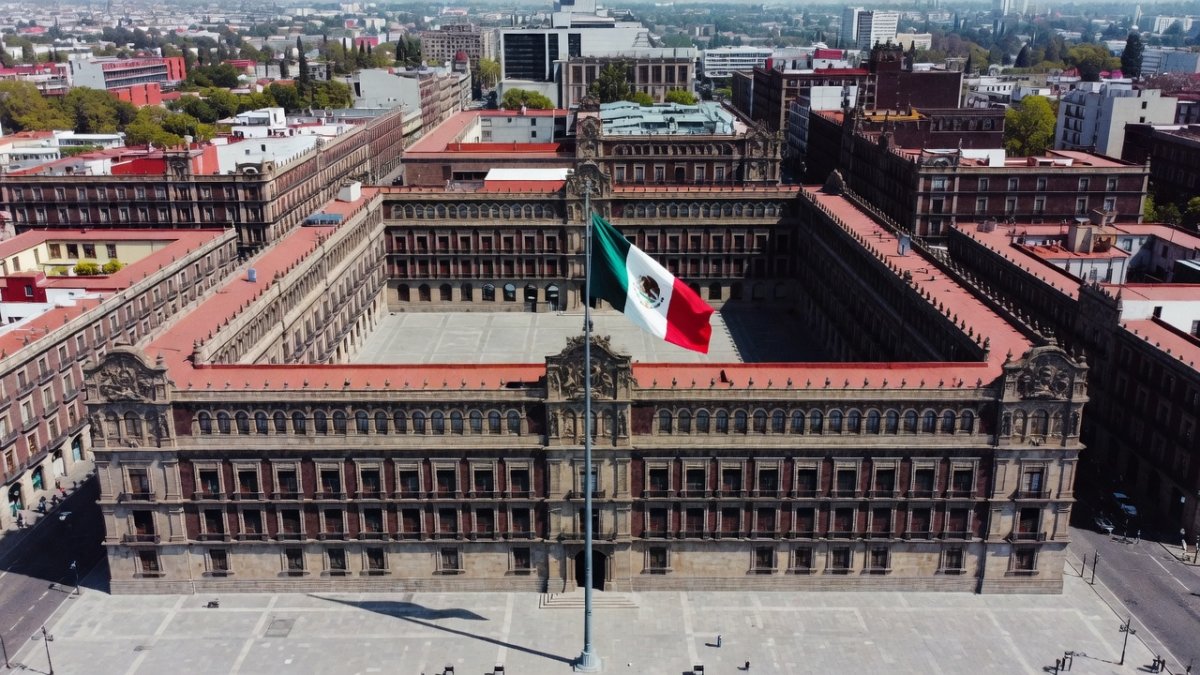
From the historic halls of Palacio Nacional, President Claudia Sheinbaum delivered a measured yet resolute message during Tuesday's mañanera. She addressed recent comments by US National Security Advisor Stephen Miller without engaging in personal debate. Her words carried the warmth of someone who understands the daily struggles of Mexican families across colonias and rural communities.
Sheinbaum emphasized that in Mexico the people govern, no one else. This declaration resonated deeply with ordinary citizens who have long navigated the challenges of cartel influence in certain regions. She refused to turn the exchange into a spectacle, instead highlighting ongoing coordination with US authorities through established channels.
The president pointed to the November US midterm elections as context for the timing of such statements. She urged that Mexico should not become a defining element in any political campaign north of the border. This approach reflects her administration's focus on protecting national dignity while maintaining practical cooperation.
The mañanera has become a cornerstone of Mexican political culture, born during the AMLO administration and carried forward by President Sheinbaum. Every morning, from the Salon de la Tesoreria at Palacio Nacional, the president fields questions from the press corps, addresses national concerns, and speaks directly to the people without filters. This tradition of transparency is something many Mexican families have come to rely on, offering a direct line between the Palacio Nacional and everyday life in colonias, ejidos, and barrios across the republic.
Miller's Remarks and the Reality on the Ground
Stephen Miller spoke at an event alongside Secretary of Defense Pete Hegseth, claiming Mexico's judicial and political systems do not work because cartels control parts of the country. He referenced murders, extortion, and kidnappings as proof. These statements echo long-standing US concerns but land heavily on Mexican soil where families live with the consequences every day.
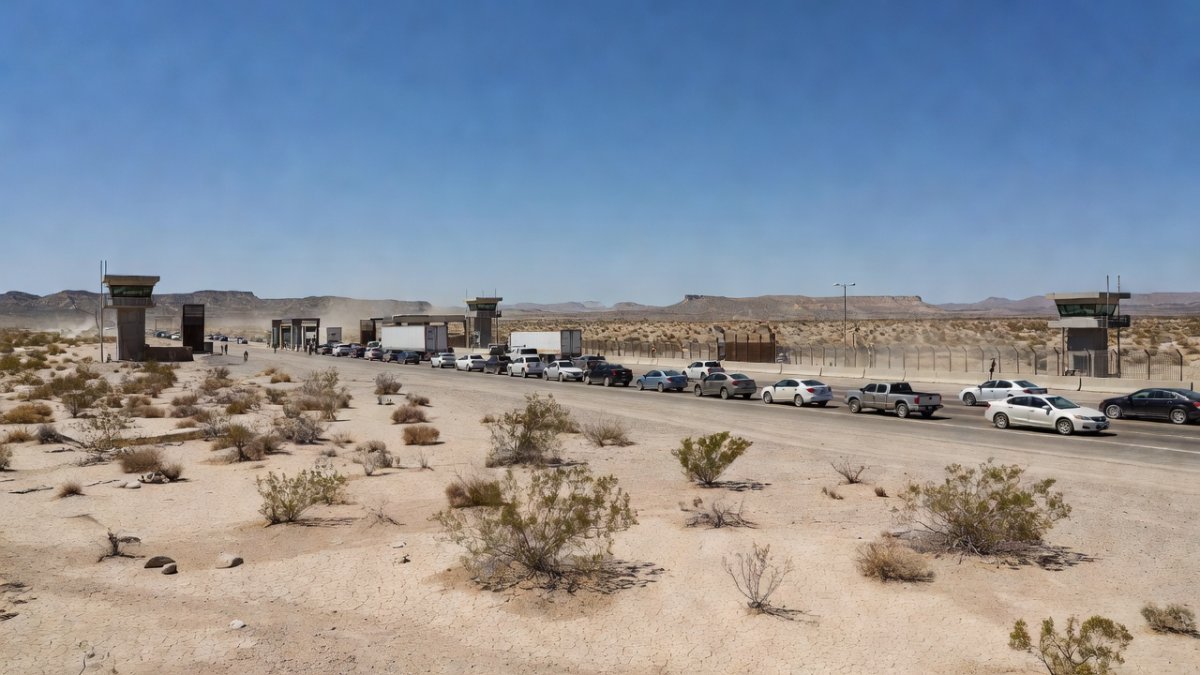
In border communities and interior states alike, residents know the pain of lost loved ones and disrupted lives. Campesinos and migrant workers often bear the brunt when violence flares. Sheinbaum's team recognizes these hardships without allowing foreign voices to define Mexico's story.
The administration has instructed the SSPC and SRE to prepare an official report with concrete figures for US counterparts. This step shows a commitment to transparency rooted in facts rather than rhetoric. It also connects to the legacy of previous efforts under the AMLO administration to strengthen institutions.
Over the years, cross-border relations have moved through periods of tension and partnership, with both nations learning to balance strong statements with the need for steady dialogue. Community leaders note that these exchanges often reflect deeper histories of cooperation on shared challenges, even when words from afar feel distant from daily realities.
How This Affects Everyday Mexican Families
Ordinary families in places like Ciudad Juárez or rural Michoacán feel the ripple effects of such high-level exchanges. Parents worry about safety for their children while trying to maintain livelihoods tied to cross-border trade. Indigenous groups and workers in the informal economy often face the sharpest pressures from both cartel activity and shifting US policy signals.
Sheinbaum has called on Morena officials to close ranks in defense of sovereignty. This political unity aims to shield communities from becoming pawns in external narratives. The focus remains on practical measures like bolstering the Guardia Nacional to support local security needs.
Many households see the value in balanced relations. They appreciate cooperation on security while rejecting portrayals that paint all of Mexico as lawless. The president's response offers reassurance that their voices and realities matter in these diplomatic moments.
Across many communities, families demonstrate quiet resilience by leaning on one another, sharing resources, and keeping routines alive despite outside pressures. Daily life continues with a focus on small acts of support, as neighbors and local networks help ease the weight of uncertainty while holding onto hopes for steadier times.
Looking Inward on Drug Use and Laundering
Sheinbaum called on the United States to examine its own challenges, particularly regarding drug consumption and money laundering networks. This perspective highlights how demand north of the border fuels much of the violence that Mexican communities endure. Families here often ask why the conversation stays one-sided.
By directing attention to shared responsibilities, the administration seeks a more honest dialogue. This includes acknowledging how financial flows from the US sustain criminal groups. Such points land with residents who witness the human cost in their neighborhoods and towns.
The instruction to send detailed reports underscores a desire for data-driven talks. It avoids escalation while defending Mexico’s position on the world stage. This measured stance aligns with the Sheinbaum administration’s broader approach to foreign affairs.
Political Reactions Across Mexico
Morena leaders quickly rallied behind President Sheinbaum, with party president Mario Delgado issuing a statement from party headquarters in Mexico City praising her defense of national dignity. Senators from the ruling party, including Citlalli Hernández and César Cravioto, used their social media accounts to highlight how Miller’s remarks ignore the progress made by the Guardia Nacional in states like Zacatecas. Local Morena mayors in border municipalities organized small community forums where residents could voice their own experiences rather than accept foreign characterizations.
Opposition voices offered a more mixed response. PAN national leader Marko Cortés called for stronger bilateral cooperation but warned against any rhetoric that could damage investor confidence in northern industrial zones. PRI senator Miguel Ángel Osorio Chong urged the government to release the full SSPC report quickly so that facts could counter emotional claims. Movimiento Ciudadano coordinator Clemente Castañeda stressed that Mexico must address internal corruption while rejecting any notion that sovereignty can be negotiated away in Washington meeting rooms.
Protecting Sovereignty Amid Ongoing Pressures
Following events like the Rubén Rocha indictment and continued US focus on narcopolitics, Mexico continues to navigate complex waters. Sheinbaum's response reinforces that coordination exists without surrendering control over internal matters. This balance matters for communities that rely on stable bilateral ties for economic and social stability.
Trump's past descriptions of Mexico City as one of the worst places in the world still echo in public memory. Yet the current emphasis stays on forward-looking cooperation rather than past insults. Families across the country hope this path leads to reduced violence and stronger institutions.
Looking ahead, the emphasis on sovereignty opens space for more balanced conversations that honor each country's path while seeking common ground. This approach may help build trust over time, allowing communities to feel more secure in the knowledge that their voices shape the future of these ties.
Ultimately, the mañanera served as a reminder that Mexico's story belongs to its people. Through warm yet firm leadership, Sheinbaum connects national policy to the lived experiences of colonias, indigenous communities, and working families who seek peace and dignity above all.
By Rosa Martinez, Staff Writer
This article was produced with AI-assisted research and editorial support. Reporting is based on sources cited in the article.
What's Your Reaction?
 Like
0
Like
0
 Dislike
0
Dislike
0
 Love
0
Love
0
 Funny
0
Funny
0
 Wow
0
Wow
0
 Sad
0
Sad
0
 Angry
0
Angry
0
Latin America/Andes Correspondent at Global1.News. Based in Bogota, covering politics, environment, energy, and social movements across the Andean region. Passionate about environmental journalism and communities protecting their land.











Comments (0)