
US Lifts Iran Naval Blockade After Trump Order
US Central Command Ends Naval Blockade US Central Command confirmed on June 18, 2026, via its official X account that naval forces had lifted the blockade of Iranian ports in line with President Trump's direct order. The move followed the June 15 signing of the 14-point US-Iran Memorandum of Understanding at the G7 summit in Évian-les-Bains, with 12.5 million barrels of oil tra
US Central Command Ends Naval Blockade
US Central Command confirmed on June 18, 2026, via its official X account that naval forces had lifted the blockade of Iranian ports in line with President Trump's direct order. The move followed the June 15 signing of the 14-point US-Iran Memorandum of Understanding at the G7 summit in Évian-les-Bains, with 12.5 million barrels of oil transiting the Strait of Hormuz in the first night after implementation. Central Command noted that select vessels would remain in the area to verify compliance rather than enforce restrictions.
The blockade had been in place for 110 days following the February 28 US-Israeli strikes that killed Ayatollah Ali Khamenei. Its termination represents the most immediate operational change under the new framework, allowing Iranian crude exports to resume without prior naval interdiction. Regional analysts note that this shift directly affects Sunni-Shia power balances because Gulf Sunni states had previously benefited from constrained Iranian shipments that supported higher prices for their own diversified energy portfolios.

Strategic calculus for Washington centers on de-escalation to stabilize global energy markets while preserving leverage through the 60-day final deal timeline. Tehran gains immediate sanctions relief on fossil fuels, yet must accept IAEA supervision and destroy its enriched uranium stockpile. Second-order effects include reduced risk of direct naval confrontation in the Strait, though proxy tensions in Lebanon and Yemen remain unresolved pending the broader ceasefire Trump demanded on Truth Social.
Supreme Leader Mojtaba Khamenei Breaks Silence
Supreme Leader Mojtaba Khamenei, who assumed office in March 2026 after his father's death, publicly approved the MoU and described President Trump's decision as driven by desperation. His statement emphasized that Iran would comply with core provisions only after sanctions on oil and gas exports were fully lifted. The new leader's endorsement signals continuity in Tehran's nuclear posture while opening space for limited economic recovery.
Mojtaba Khamenei's position reflects Iran's strategic need to rebuild after the February strikes that destroyed key military infrastructure. By accepting the $300 billion reconstruction fund—without US contributions—Iran secures capital from other signatories while committing to halt proxy funding. This calculus aims to preserve Shia influence networks across Iraq and Syria even as direct financial support to Hezbollah and the Houthis is curtailed.
Regional dynamics show that the deal weakens Iran's ability to project power through non-state actors, potentially benefiting Sunni Gulf states seeking diversification away from hydrocarbon dependence. However, the 60-day window creates uncertainty because any Iranian delay in destroying enriched uranium could trigger renewed US sanctions. Mojtaba Khamenei's rhetoric suggests Tehran will test the limits of enforcement before full implementation.
Israel's Strategic Isolation Deepens
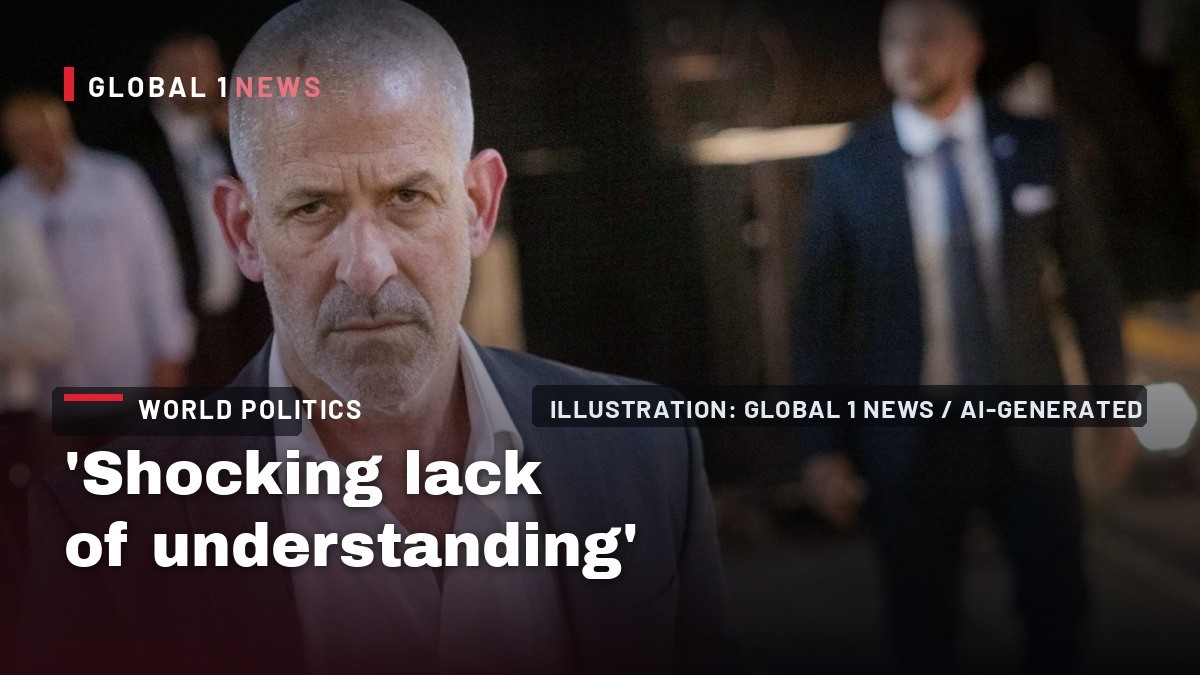
Israeli officials expressed immediate concern after the MoU announcement, with Vice President JD Vance publicly stating that the Israeli cabinet had experienced a "weird panic" and "freakout" over the terms. Vance urged Israeli leaders to "wake up and smell the reality," highlighting Washington's pivot toward a negotiated outcome rather than sustained military pressure. Former IDF intelligence representative to the United States Danny Citrinowicz stated that Israel now finds itself isolated within the emerging framework.
The deal's requirement for an all-fronts ceasefire, including between Israel and Hezbollah, directly constrains Israeli operational freedom in southern Lebanon. With the US no longer enforcing the naval blockade, Israel's ability to interdict Iranian weapons shipments has diminished. This shift alters the balance because Hezbollah retains significant rocket inventories despite the MoU's prohibition on Iranian proxy funding.
Strategic analysis indicates that Israel's leverage has decreased because the 14-point agreement prioritizes energy market stability over regime change objectives. Sunni Arab states such as Saudi Arabia and the UAE may accelerate their own diversification plans, reducing the urgency of an anti-Iran coalition. Second-order effects include potential domestic pressure on Israeli leadership to accept the 60-day timeline or risk further diplomatic marginalization.
Fourteen-Point Framework Reshapes Regional Architecture
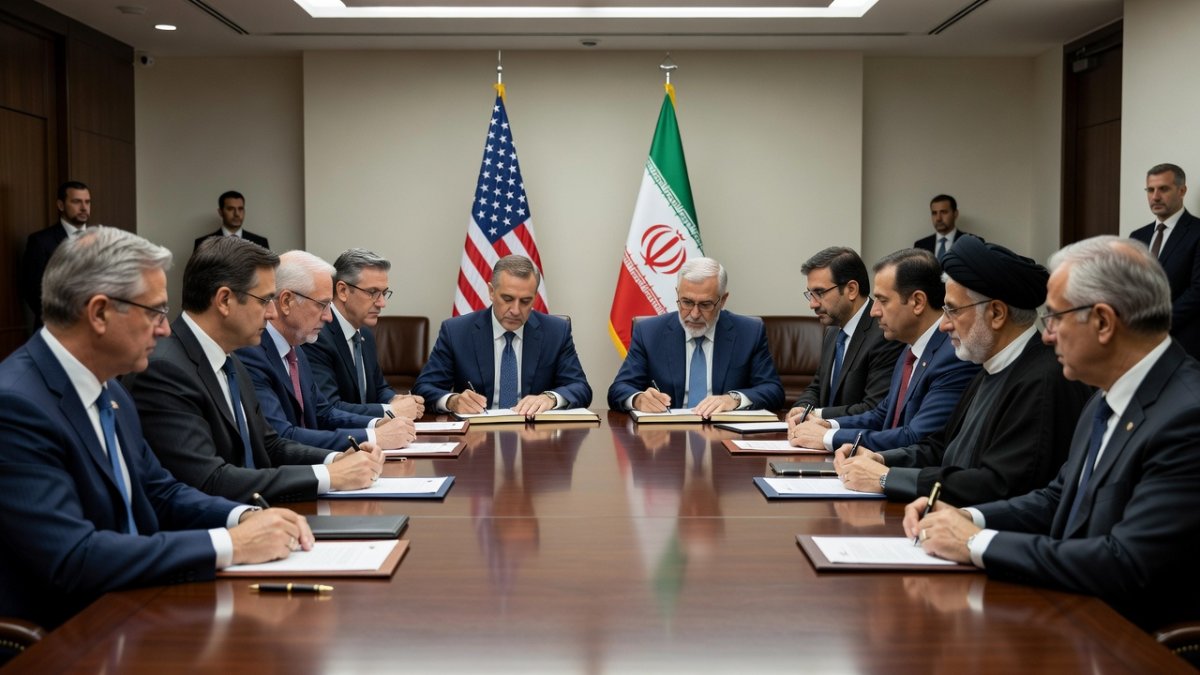
The 14-point US-Iran Memorandum of Understanding, signed remotely with Pakistan's mediation after the Geneva ceremony was cancelled, establishes IAEA nuclear supervision and mandates destruction of Iran's enriched uranium stockpile. Sanctions on fossil fuels are lifted immediately, while a $300 billion reconstruction fund—financed by non-US contributors—supports Iranian economic recovery. The framework sets a strict 60-day deadline for a final comprehensive agreement.
Each side's calculus reveals clear trade-offs. The United States secures reduced nuclear breakout risk and lower energy price volatility, while Iran regains export revenues critical for domestic stability. Gulf states gain predictability in oil flows but must adjust to a less constrained Iranian economy that could fund Shia political movements in Iraq and Bahrain.
Regional dynamics tied to Sunni-Shia competition intensify because the deal limits Iran's proxy financing yet does not dismantle existing networks. Israel faces pressure to align with the ceasefire provisions, potentially altering its deterrence posture against Hezbollah. Energy markets benefit from reopened Hormuz transit, yet any violation during the 60-day period could reignite broader conflict involving multiple actors.
Energy Markets Stabilize as Hormuz Reopens
Following the blockade's end, 12.5 million barrels transited the Strait of Hormuz in a single night, marking the highest daily volume recorded since February 2026. Brent crude prices eased by approximately 8 percent within 48 hours as traders priced in sustained Iranian exports. Gulf producers including Saudi Arabia and the UAE adjusted output quotas to maintain market share amid the increased supply.
The MoU's sanctions relief on fossil fuels directly supports Iran's return to global markets, providing Tehran with revenue streams previously blocked. This development benefits energy diversification strategies in the Gulf because stable prices allow states like Qatar and Oman to advance non-oil investments without immediate fiscal pressure. However, the arrangement ties regional security to Iranian compliance with IAEA inspections.
Strategic implications extend to global supply chains because Hormuz remains the chokepoint for 20 percent of world oil trade. The 60-day timeline creates a narrow window for verification; any Iranian hesitation on stockpile destruction could trigger renewed volatility. Sunni Gulf capitals view the deal as a temporary stabilization measure rather than a permanent shift in the Iran-Israel confrontation.
Domestic US Criticism and Political Fallout
Senator Bill Cassidy labeled the agreement the "worst foreign policy blunder in decades," arguing that lifting the blockade without ironclad guarantees on proxy funding rewards Iranian aggression. Republican lawmakers highlighted the absence of US funding for the $300 billion reconstruction package as evidence of uneven burden-sharing among allies. Public statements from Capitol Hill emphasized concerns over verification mechanisms during the 60-day period.
Vice President Vance's remarks defending the deal as a pragmatic recognition of battlefield realities underscore internal administration divisions. The "freakout" characterization of Israeli reactions signals that Washington prioritizes energy market stability over indefinite support for Israeli military objectives. This stance risks alienating traditional allies while appealing to domestic constituencies focused on lower gasoline prices.
Political calculus in Washington reflects competing pressures from energy consumers and defense contractors. The MoU's structure allows the administration to claim de-escalation success, yet sustained criticism could influence midterm positioning. Regional actors watch closely because any US policy reversal would immediately affect Hormuz transit volumes and proxy dynamics across Lebanon and Yemen.
Gulf States and Regional Recalibration
Saudi Arabia and the United Arab Emirates have accelerated diversification projects under Vision 2030 and similar programs, using the temporary stability from reopened Hormuz transit to attract foreign investment. The MoU reduces immediate Iranian military pressure on shipping lanes, allowing Gulf Sunni states to focus resources on non-oil sectors rather than defense spending. Pakistan's mediation role further illustrates shifting diplomatic alignments away from exclusive reliance on US security guarantees.
The prohibition on Iranian proxy funding creates opportunities for Gulf states to expand influence in Shia-majority areas of Iraq and Lebanon through economic rather than military means. However, the 60-day timeline introduces uncertainty because incomplete implementation could restore Iranian leverage. Sunni capitals therefore maintain hedging strategies that include continued coordination with Israel on intelligence matters despite the US pivot.
Strategic analysis shows that energy market stabilization benefits Gulf diversification timelines, yet the deal does not resolve underlying sectarian competition. Second-order effects include potential Iranian attempts to test proxy funding limits before the final agreement, forcing Gulf states to recalibrate their own engagement with reconstruction funds and IAEA oversight processes.
Forward Outlook: The 60-Day Window
The 60-day period ending in mid-August 2026 will determine whether the 14-point framework produces a durable ceasefire across all fronts, including Israel-Hezbollah. Iranian compliance with enriched uranium destruction and proxy funding cuts remains the central verification challenge, monitored by the IAEA under the MoU terms. Any shortfall could prompt rapid reimposition of sanctions and renewed naval activity.
Regional actors face clear incentives during this window. Israel must decide whether to accept the ceasefire provisions or pursue unilateral action that risks US isolation. Gulf states will continue diversification while monitoring Hormuz flows, which reached 12.5 million barrels on the first night post-deal. Mojtaba Khamenei's government seeks maximum economic relief before full commitments are locked in.
Strategic calculus across capitals indicates that the MoU has temporarily altered power balances by prioritizing energy stability over military confrontation. Second-order effects will depend on enforcement during the 60-day timeline, with potential for renewed conflict if Iran delays stockpile destruction or if Israeli concerns about Hezbollah rearmament intensify. The framework's success hinges on sustained international pressure and verifiable steps from all parties.
By Malik Hassan, Staff WriterThis article was produced with AI-assisted research and editorial support. Reporting is based on sources cited in the article.
What's Your Reaction?
 Like
0
Like
0
 Dislike
0
Dislike
0
 Love
0
Love
0
 Funny
0
Funny
0
 Wow
0
Wow
0
 Sad
0
Sad
0
 Angry
0
Angry
0

Middle East Correspondent at Global1.News. Based in Beirut, covering politics, conflict, energy, and society across the Middle East. Brings context and depth to a region often reduced to headlines.











Comments (0)