
Trump, Netanyahu and Zelensky Meet at White House Amid Wars
In a recent BBC News report, US President Donald Trump hosted back-to-back White House meetings this week with Israeli Prime Minister Benjamin Netanyahu and Ukrainian President Volodymyr Zelensky, as both leaders attended the funeral of Senator Lindsey Graham — a rare convergence of two wartime allies at a critical moment for both conflicts.
In a recent BBC News report, US President Donald Trump hosted back-to-back White House meetings this week with Israeli Prime Minister Benjamin Netanyahu and Ukrainian President Volodymyr Zelensky, as both leaders attended the funeral of Senator Lindsey Graham — a rare convergence of two wartime allies at a critical moment for both conflicts.
Trump Meets Netanyahu and Zelensky at White House as Wars in Ukraine and Iran Define New Diplomatic Landscape
Washington, DC – 29 July 2026 — US President Donald Trump held separate closed-door meetings with Israeli Prime Minister Benjamin Netanyahu and Ukrainian President Volodymyr Zelensky at the White House on Tuesday, with discussions covering Patriot interceptor missile production for Ukraine and the shared goal of preventing Iran from acquiring nuclear weapons. The meetings, described by White House Press Secretary Karoline Leavitt as "positive and productive," came as both foreign leaders travelled to Washington to attend the funeral of Senator Lindsey Graham, a staunch ally of both nations who died suddenly at the age of 71.
Netanyahu Seeks to Repair Strained Relationship With Trump
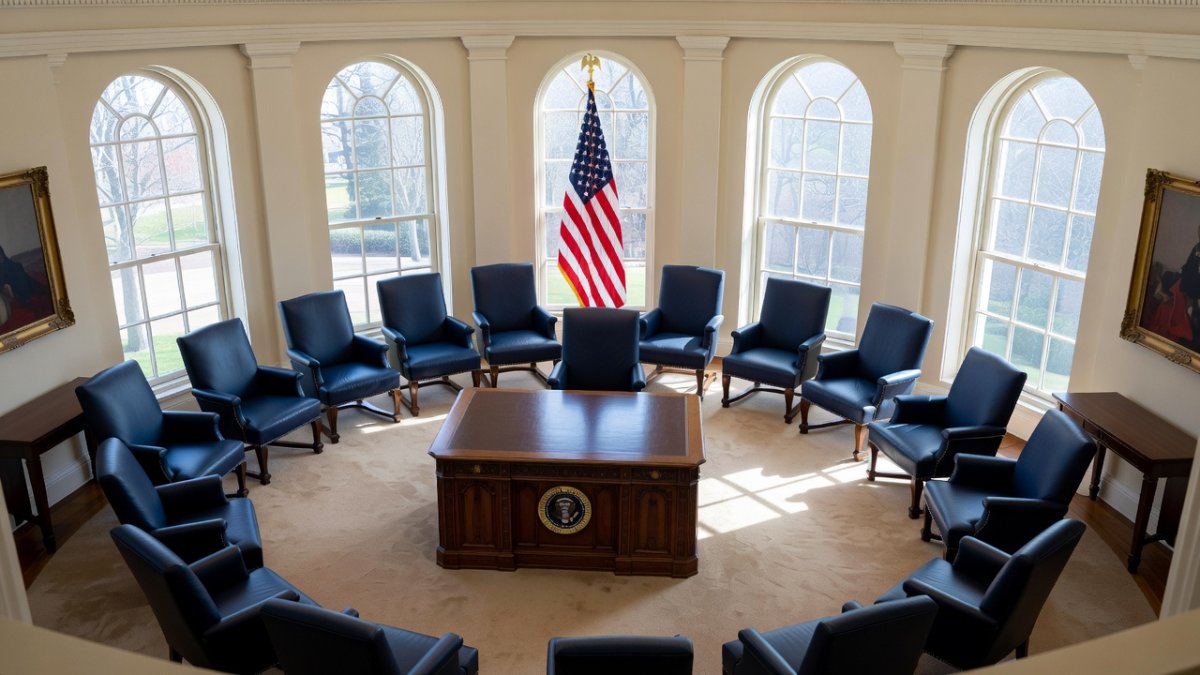
Israeli Prime Minister Benjamin Netanyahu's meeting with President Trump marked his first visit to the Oval Office since the launch of the joint US-Israel military campaign against Iran on 28 February, a conflict that has now entered its fifth month with no clear resolution in sight. According to sources familiar with the discussions, Netanyahu described the meeting as "one of the best conversations" he had ever had with the US president, with the two leaders focusing on their shared objective of ensuring Iran does not develop nuclear weapons.
Yet beneath the diplomatic language, the relationship between the two leaders has been increasingly fraught in recent weeks. Trump has expressed growing frustration with Netanyahu's determination to continue military operations against both Iran and Hezbollah in Lebanon, even as the US president explored diplomatic openings with Tehran. In private remarks that have since become public, Trump reportedly called the Israeli premier "crazy" and declared that "without me, there would be no Israel" — an extraordinary rebuke of a longstanding ally.
The one-hour closed-door meeting was expected to cover not only Iran but also a framework deal the US and Israel recently signed with Lebanon, as well as a possible expansion of the Abraham Accords, according to a White House official. The discussions came as both leaders face considerable political pressure at home — Netanyahu is in a tough re-election fight, while Trump is under pressure to end an unpopular war that has pushed up prices ahead of November's midterm elections.
Zelensky Secures Progress on Patriot Missile Production and Peace Talks
Ukrainian President Volodymyr Zelensky emerged from his meeting with Trump reporting substantive progress on two fronts. In a statement following the discussions, Zelensky said he had addressed licensing arrangements that would allow Ukraine to manufacture its own interceptor missiles for Patriot air defence systems — a development that could significantly strengthen Kyiv's ability to defend against Russian missile barrages.
"We also spoke about diplomacy — it's important that the diplomatic process be reinvigorated," Zelensky said in his statement. "Our teams will arrange the details of their further communication. I am grateful to the United States for its firm support." The Ukrainian leader opened his remarks by offering condolences over the death of Senator Lindsey Graham, calling the late foreign policy hawk "a true friend of Ukraine." Graham had visited Kyiv just days before his sudden death.
Zelensky's meeting with Trump reflected a notable improvement in relations between the two leaders since their angry confrontation at the White House last year. BBC News North America Editor Sarah Smith noted that both the Ukrainian and Israeli leaders "appear satisfied that — for now — they continue to have US support for their causes," even as the wars in their respective countries grind on.
Lindsey Graham's Funeral: A Gathering of Wartime Allies
The meetings at the White House were scheduled around the funeral of Senator Lindsey Graham, held at Washington National Cathedral on Tuesday evening. President Trump delivered a eulogy for the South Carolina Republican, calling him a "legend," an "American original," and "a tough cookie" — an unusually warm tribute for a president known for holding grudges. Trump spoke of Graham's humble upbringing in the backroom of a bar, his adoption of his younger sister after their parents died, and his hawkish foreign policy instincts.
"He was extremely hawkish," Trump said during his eulogy. "I will tell you he never saw a war that he didn't like. Only his true friends would understand that, but he wanted it for the good of our country." Fox News host Sean Hannity also spoke, telling Netanyahu that Graham "would've been blown away that you took this long journey to be here today" and addressing Zelensky about Graham's private admiration for Ukraine's resistance.
The presence of both Netanyahu and Zelensky at the same funeral underscored Graham's extraordinary influence on US foreign policy. He was one of the most vocal advocates for military aid to both Ukraine and Israel, and had recently introduced legislation imposing harsher sanctions on Russia and extending sanctions on Iran.

Domestic Pressures and Political Calculations
Both foreign leaders are navigating complex domestic political landscapes that intersect directly with their meetings in Washington. Netanyahu faces a re-election campaign in which his handling of the Iran war and relations with Washington are central issues. A faction within Trump's own political base has grown visibly exasperated with Israel, viewing the alliance as having dragged the United States into an unpopular war. The head of the National Counterterrorism Center, Joe Kent — a figure popular within the MAGA movement — resigned from his post over his belief that Israel and its US lobby helped push Trump to launch military strikes.
Polling data from Pew Research published earlier this year revealed a generational divide within the Republican Party on Israel: while older Republicans remain broadly supportive of the Jewish state, 57 per cent of Republicans between the ages of 18 and 49 hold an unfavourable view of the country. This demographic shift presents a long-term challenge for Netanyahu's Washington strategy, regardless of his personal relationship with Trump.
Outside the White House gates, protesters made their sentiments clear, chanting "Netanyahu, you're a tyrant" and "Bibi, you're not welcome here" on Tuesday — a reminder that public opinion, both American and international, is increasingly sceptical of Israel's military campaign.
Graham's Legislative Legacy: Sanctions Bill Advances
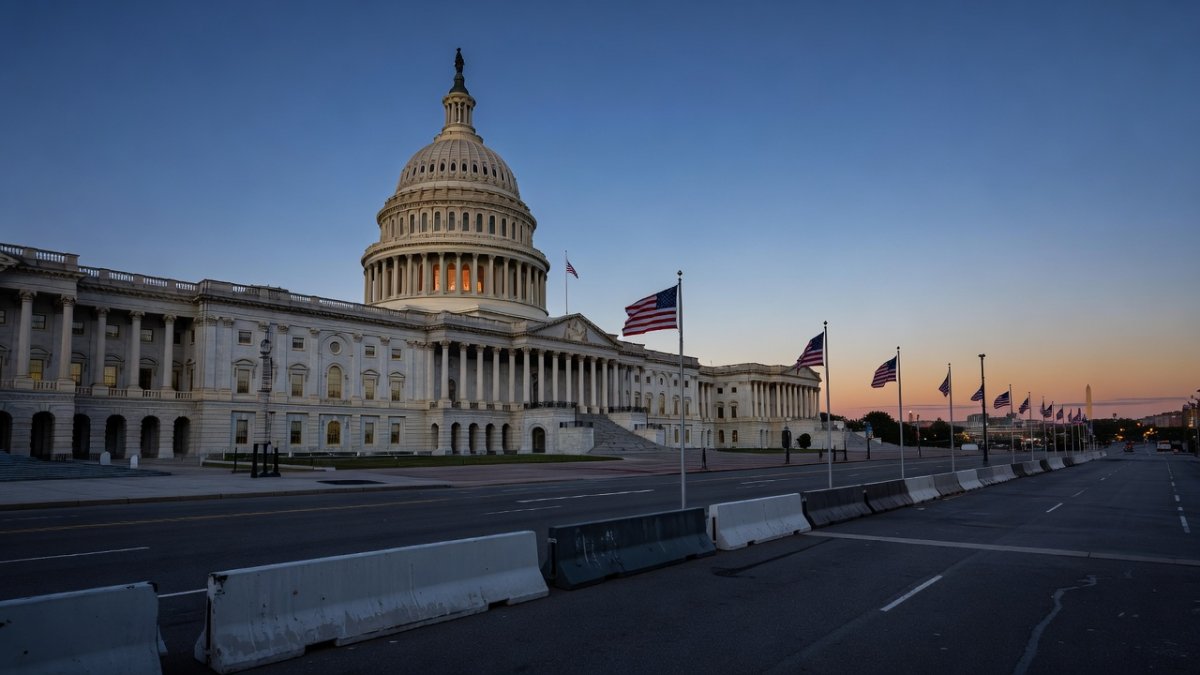
Later on Tuesday, with Zelensky watching from the Senate gallery, the chamber advanced the sweeping "Lindsey O Graham Sanctioning Russia and Iran Act of 2026," a bill the late senator had introduced in April. The legislation easily cleared a procedural hurdle with a vote of 86 to 12, enjoying bipartisan support and over 60 cosponsors. The bill would impose harsher sanctions on Russia and extend some sanctions on Iran, cementing Graham's hawkish approach to US foreign policy even after his death.
All US senators were also invited to a meeting with Zelensky on Tuesday evening, hosted by Republican Chairman of the Armed Services Committee Roger Wicker and Democratic Senators Richard Blumenthal and Jeanne Shaheen. The meeting provided Zelensky with an opportunity to press Ukraine's case directly to the lawmakers who control military aid packages.
International Reactions from European Capitals
European officials reacted cautiously to the White House meetings. German Chancellor Olaf Scholz emphasised in a statement that any expansion of sanctions on Russia must align with European Union coordination mechanisms to avoid unintended disruptions to energy markets. French Foreign Minister Jean-Noël Barrot noted that Paris supports renewed diplomatic channels with Tehran but stressed the need for verifiable limits on Iran's nuclear programme, according to a statement from the Quai d'Orsay. These remarks reflect ongoing European concerns that unilateral US moves could sideline multilateral frameworks established through the Joint Comprehensive Plan of Action.
Analysts at the European Council on Foreign Relations suggest that the convergence in Washington may accelerate talks on coordinated missile defence support for Ukraine, though implementation timelines remain unclear. Ukrainian officials have welcomed the licensing progress on Patriot systems, yet they continue to press for accelerated delivery schedules from European suppliers as well.
Supply Chain Realities Behind Missile Licensing
Discussions on Patriot interceptor production highlighted practical hurdles in scaling manufacturing. Raytheon Technologies, the primary contractor, has faced documented delays in component sourcing for guidance systems, according to industry filings reviewed by congressional staff. Zelensky's team sought assurances that licensing would include technology transfer provisions allowing Ukrainian facilities to assemble key modules under US oversight. White House officials indicated that preliminary agreements could be finalised within weeks, though full operational capacity would require additional months of training and certification.
Russian state media responded to the developments by claiming that expanded Ukrainian production would prolong the conflict without altering battlefield realities. Kremlin spokesperson Dmitry Peskov stated that Moscow views such measures as escalatory, a position echoed in statements from the Russian Foreign Ministry.
Looking Ahead: Sustaining Alliances Amid Shifting Priorities
The convergence of these three leaders in Washington — Trump, Netanyahu, and Zelensky — represents a significant diplomatic moment, but one whose lasting significance remains uncertain. On one level, the meetings demonstrated continued US engagement with two of the world's most active conflict zones. On another, they exposed the fractures beneath the surface: Trump's apparent frustration with Netanyahu's military strategy, the domestic political headwinds facing all three leaders, and the extraordinary role that a single senator's death played in bringing these encounters about.
Senator Graham's passing has robbed both Ukraine and Israel of one of their strongest advocates in Washington, as BBC North America Editor Sarah Smith observed. Whether the relationships forged in his absence can sustain the same level of support for both countries remains an open question — one that will be answered not in the cathedral, but on the battlefields and at the ballot boxes in the months ahead. Continued engagement from figures such as Senator Roger Wicker and Senator Richard Blumenthal will prove critical in maintaining legislative momentum for aid packages.
By Irina Volkov, Staff Writer
This article was produced with AI-assisted research and editorial support. Reporting is based on sources cited in the article.
What's Your Reaction?
 Like
0
Like
0
 Dislike
0
Dislike
0
 Love
0
Love
0
 Funny
0
Funny
0
 Wow
0
Wow
0
 Sad
0
Sad
0
 Angry
0
Angry
0

Russia/Eastern Europe Correspondent at Global1.News. Covering Russian politics, energy, security, and the shifting dynamics of the post-Soviet space. Provides clear-eyed analysis on one of the world's most opaque regions.














Comments (0)