
Trump Declares Ceasefire Over Yet Keeps Iran Channel Open as Qatar Mediates in Tehran
The Strait of Hormuz crisis sits at the volatile crossroads of Sunni-Shia rivalry, Gulf energy security, and intensifying great-power competition. Roughly 20 percent of global oil flows through the narrow waterway, making any disruption an immediate threat to economies from Riyadh to Beijing. The assassination of Ayatollah Khamenei and subsequent collapse of the Oman-Qatar ceas
The Strait of Hormuz crisis sits at the volatile crossroads of Sunni-Shia rivalry, Gulf energy security, and intensifying great-power competition. Roughly 20 percent of global oil flows through the narrow waterway, making any disruption an immediate threat to economies from Riyadh to Beijing. The assassination of Ayatollah Khamenei and subsequent collapse of the Oman-Qatar ceasefire have left regional actors scrambling for leverage while Brent crude remains 64 percent higher than pre-crisis levels.
Trump Declares Ceasefire Over Yet Keeps Iran Channel Open as Qatar Mediates in Tehran Doha, Qatar - July 11, 2026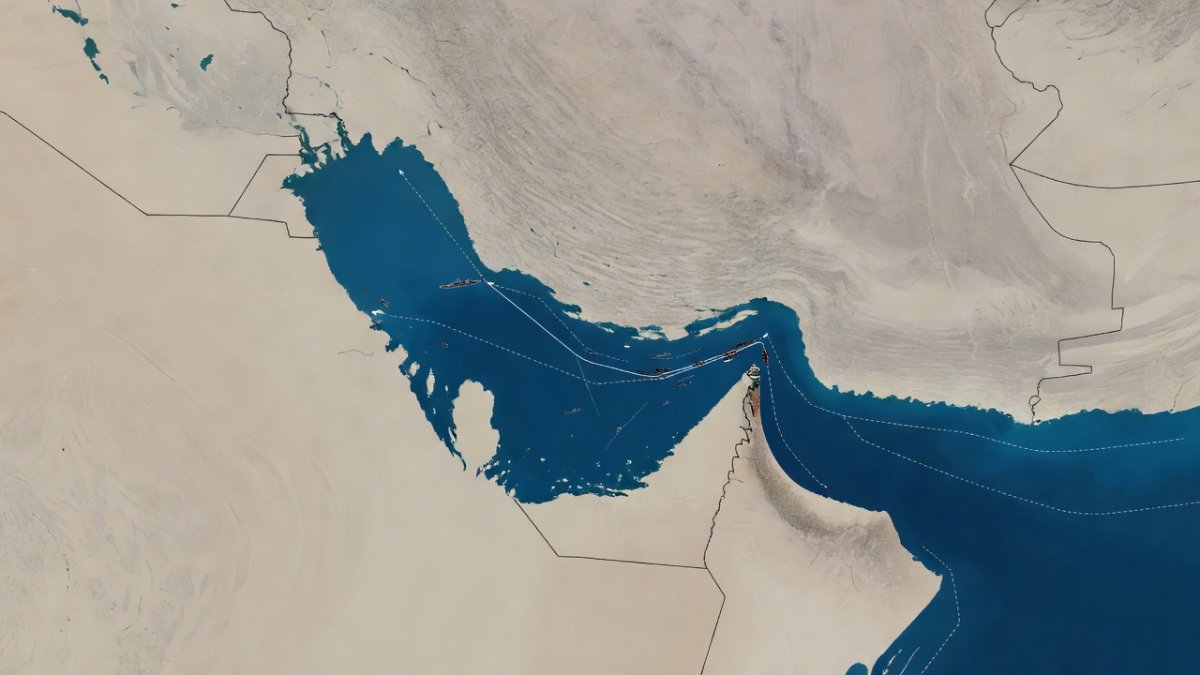
Trump Declares Ceasefire Over Yet Keeps Iran Channel Open as Qatar Mediates in Tehran Doha, Qatar - July 11, 2026
Section 1: The Collapse of the Ceasefire
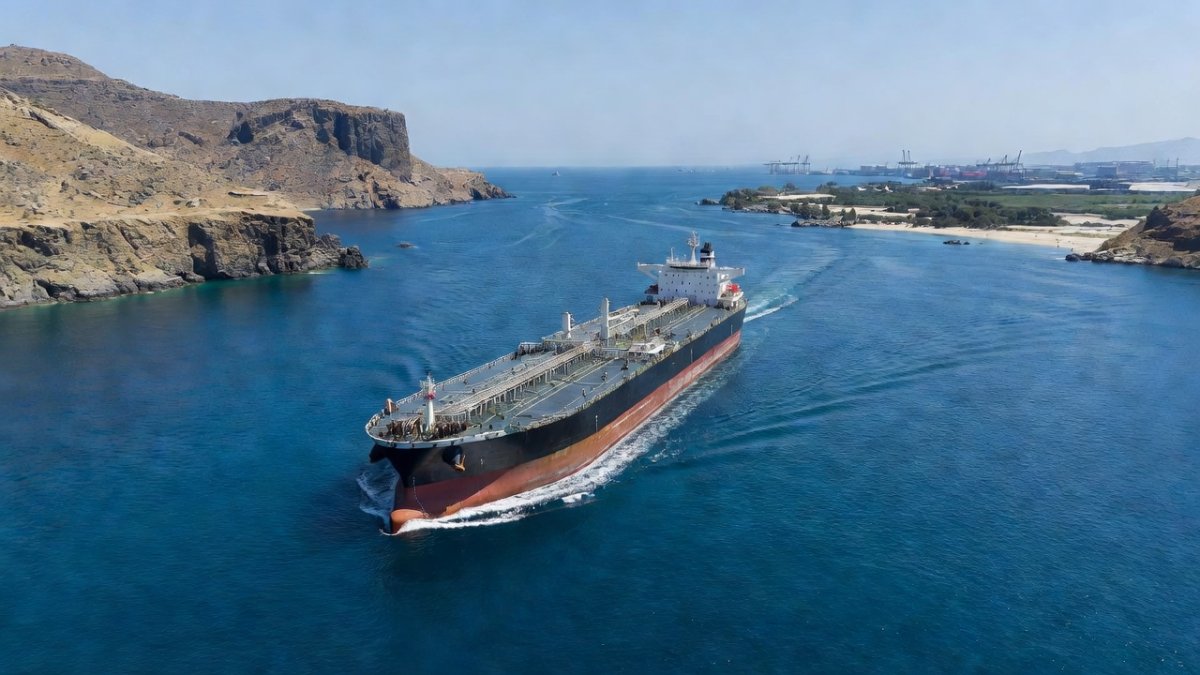
On July 8, President Trump stood before NATO leaders in Ankara and pronounced the fragile US-Iran ceasefire “over,” citing repeated violations including missile and drone strikes on tankers transiting the Strait of Hormuz. Hours later he posted on Truth Social that Iran had requested continued talks and Washington had agreed, adding in capital letters that the “Cease Fire is OVER!” Iranian Foreign Ministry spokesman Nasser Kanaani immediately rejected the claim, insisting Tehran had issued no such request and accusing Washington of fabricating diplomacy to mask renewed military pressure. Bahrain’s air defenses intercepted two waves of Iranian drones and cruise missiles on July 9, underscoring the ceasefire’s total breakdown. US Central Command officials, speaking on condition of anonymity, confirmed that at least three commercial tankers suffered minor hull damage in the previous 72 hours. Washington now insists Iran must issue a public, verifiable guarantee that the Strait of Hormuz will remain open to all commercial traffic. Failure to do so, US officials warn, will trigger additional sanctions and possible kinetic measures. Gulf Arab states, already absorbing higher insurance premiums, view the demand as the minimum price for any future de-escalation.
Section 2: How the Strait of Hormuz War Unfolded
The conflict ignited on February 28, 2026, when Iranian forces attempted to interdict US naval escorts accompanying Kuwaiti and Emirati tankers. Within hours, a joint US-Israeli operation assassinated Supreme Leader Ayatollah Ali Khamenei near Tehran, decapitating Iran’s command structure. The Islamic Revolutionary Guard Corps (IRGC) immediately assumed operational control, launching asymmetric attacks on shipping and closing the strait for 11 days. Brent crude surged from $78 to $128 per barrel within three weeks, a 64 percent increase that added roughly $180 million per day in lost Iranian export revenue. A mid-June ceasefire brokered by Oman and Qatar lasted barely three weeks. On July 7–8, mutual strikes resumed after IRGC speedboats harassed a Saudi-flagged very-large crude carrier. Saudi Energy Minister Prince Abdulaziz bin Salman and UAE counterpart Suhail al-Mazrouei publicly warned that any prolonged closure would force Gulf producers to activate the East-West pipeline at maximum capacity, yet even that route cannot fully offset Hormuz losses. The economic shock has rippled outward: Kuwait and Bahrain face acute budget shortfalls, while Asian importers scramble for alternative LNG cargoes. The war has thus transformed a bilateral US-Iran dispute into a systemic energy-security crisis affecting every littoral state.
Section 3: Qatar's Role as Mediator
Qatari Foreign Minister Mohammed bin Abdulrahman Al Thani arrived in Tehran on July 10 with a small team of negotiators carrying proposals developed in coordination with Oman. Emir Sheikh Tamim bin Hamad Al Thani has positioned Qatar as the indispensable interlocutor, leveraging both its hosting of Al Udeid Air Base and its shared ownership of the South Pars/North Dome gas field with Iran. Qatari diplomats are reportedly offering a phased reopening of the strait in exchange for a temporary suspension of new US sanctions and a US commitment to avoid targeting IRGC leadership. Doha’s track record includes the 2023–2024 prisoner swaps and the 2025 maritime deconfliction talks after Houthi attacks on Red Sea shipping. Current proposals reportedly include a joint maritime monitoring center staffed by Qatari, Omani, and Iranian officers, plus a US-Iranian back-channel renewed through Swiss intermediaries. While Washington has welcomed the effort, Saudi and Emirati officials remain skeptical, privately warning that Qatar’s dual role as US ally and Iranian economic partner risks legitimizing IRGC control over the strait. Nevertheless, the absence of any other credible mediator has elevated Qatar’s diplomatic profile at a moment when every Gulf capital fears energy-market collapse.Section 4: Strategic Calculus of All Sides
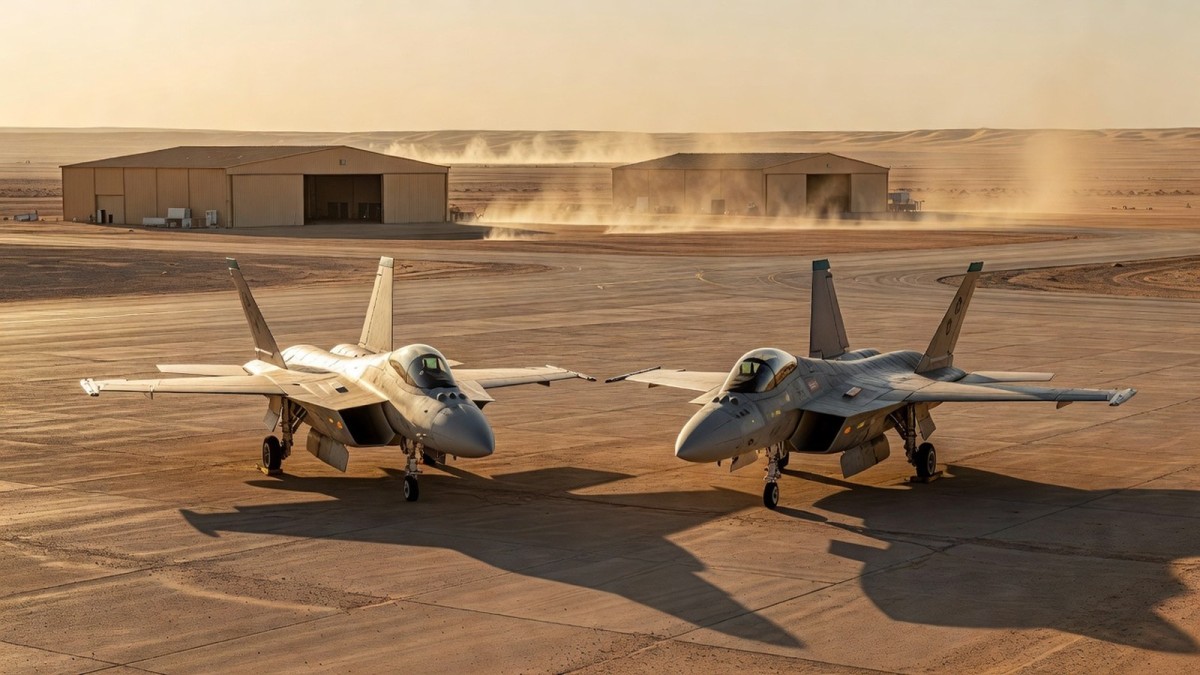
Washington’s core demand—a public Iranian guarantee of Hormuz transit—reflects both economic necessity and domestic political signaling ahead of the 2026 midterms. US officials calculate that sustained high oil prices will erode support for any Democratic challenger while strengthening Trump’s “peace through strength” narrative. Inside Iran, the post-Khamenei leadership vacuum has empowered IRGC commanders who view closure threats as their primary deterrent; pragmatic voices in the Foreign Ministry appear sidelined. Saudi Arabia and the UAE have aligned behind the US demand but privately urge Washington to avoid actions that could trigger Iranian missile barrages against their desalination plants and oil facilities. Bahrain, already intercepting Iranian projectiles, has granted US forces expanded access to its naval base. Economically, the Gulf Cooperation Council estimates cumulative losses exceeding $40 billion since February, prompting accelerated talks on a joint maritime security force. Iran’s fragmented leadership, meanwhile, must balance revolutionary rhetoric with the reality that prolonged closure inflicts greater pain on its own treasury than on Washington’s allies.Section 5: Regional Implications and What Comes Next
Energy volatility is now the dominant variable shaping Gulf security planning. GCC states are accelerating joint maritime patrols and exploring insurance-pooling mechanisms to keep premiums manageable. Turkey’s hosting of the NATO summit in Ankara signals Ankara’s desire to play a larger regional role, though its influence remains limited by strained relations with both Riyadh and Tehran. Iran’s post-Khamenei succession battle continues behind closed doors, with IRGC influence likely to grow regardless of who ultimately assumes the supreme-leader title. Three scenarios dominate current forecasting: a short-term tactical reopening of the strait followed by renewed brinkmanship; a broader US-Iran understanding that sidelines hardliners on both sides; or escalation into direct strikes on Iranian oil infrastructure. Qatar’s mediation offers the narrowest path to de-escalation, yet success hinges on Washington’s willingness to accept an imperfect guarantee and Tehran’s ability to restrain IRGC field commanders. Absent such restraint, the Hormuz crisis risks becoming the defining energy shock of the decade. By Malik Hassan, Staff WriterThis article was produced with AI-assisted research and editorial support. Reporting is based on sources cited in the article.
What's Your Reaction?
 Like
0
Like
0
 Dislike
0
Dislike
0
 Love
0
Love
0
 Funny
0
Funny
0
 Wow
0
Wow
0
 Sad
0
Sad
0
 Angry
0
Angry
0
Malik Hassan
Middle East Correspondent at Global1.News. Based in Beirut, covering politics, conflict, energy, and society across the Middle East. Brings context and depth to a region often reduced to headlines.










Comments (0)