
Netanyahu Speaks to 'In Sharon's Salon' Podcast on Iran, World Cup, and Security
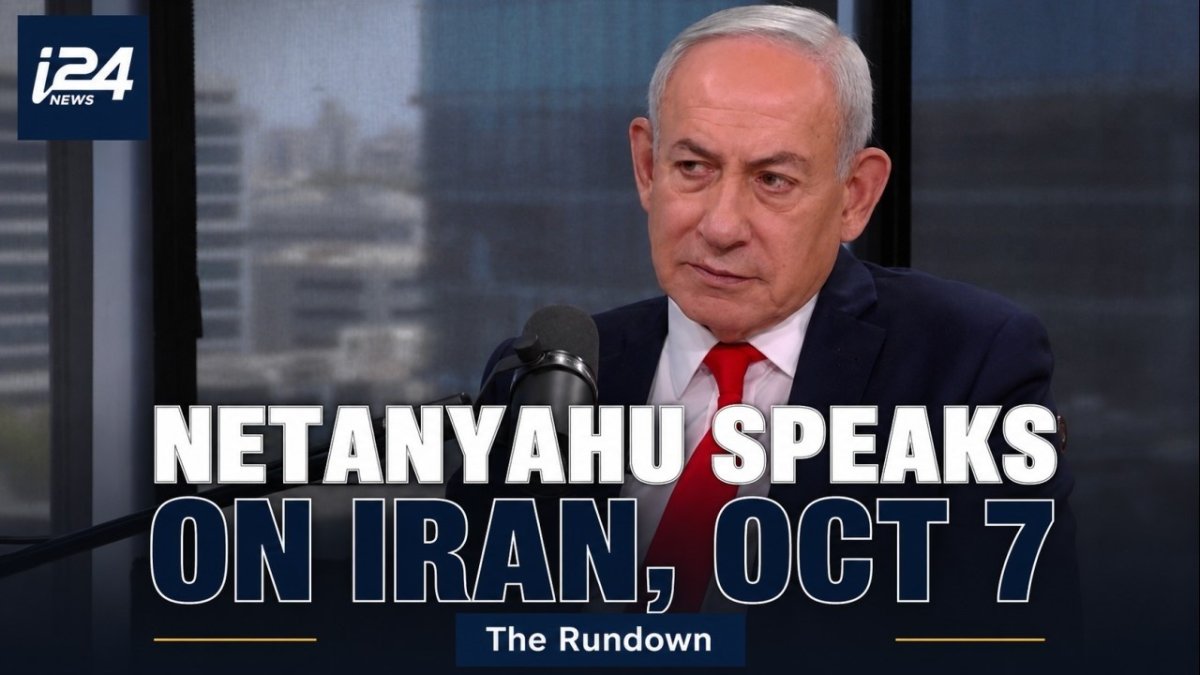
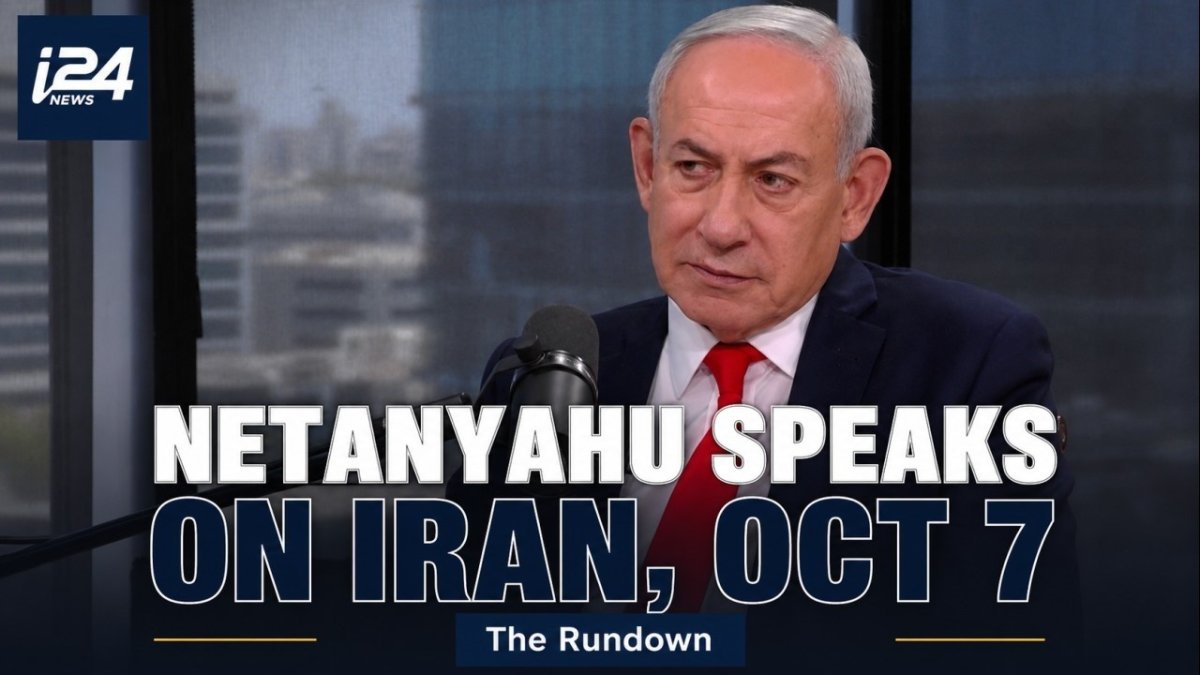
<p>In a wide-ranging interview broadcast by i24NEWS English, Israeli Prime Minister Benjamin Netanyahu sat down with the "In Sharon's Salon" podcast to address Iran's internal instability, Israel's security posture, the US-Iran ceasefire deal, and his support for Argentina at the 2026 FIFA World Cup. The conversation came at a pivotal moment for Israeli diplomacy as the Prime Minister navigates tensions with both Iran and Turkey while preparing for upcoming national elections.</p> <hr> <p><str

In a wide-ranging interview broadcast by i24NEWS English, Israeli Prime Minister Benjamin Netanyahu sat down with the "In Sharon's Salon" podcast to address Iran's internal instability, Israel's security posture, the US-Iran ceasefire deal, and his support for Argentina at the 2026 FIFA World Cup. The conversation came at a pivotal moment for Israeli diplomacy as the Prime Minister navigates tensions with both Iran and Turkey while preparing for upcoming national elections.
Netanyahu Opens Up on Iran, World Cup, and Regional Security in Candid Podcast Interview
Jerusalem, Israel — July 10, 2026 — Israeli Prime Minister Benjamin Netanyahu told the "In Sharon's Salon" podcast that the Iranian regime remains destabilized after recent events. He stated the regime is "internally it is very strongly destabilized" and added that Israel is "prepared for any scenario" because "the business isn't over."
Netanyahu on Iran: 'The Business Isn't Over'
Netanyahu pointed to remnants of the regime that could persist despite the pressure. These comments come amid ongoing tensions with Iran following US retaliatory strikes on Iranian targets in recent weeks. The Prime Minister's Office in Jerusalem has coordinated with IDF Northern Command and Southern Command to maintain readiness along the northern and southern borders.
Netanyahu also claimed in the same interview that he had saved Israel from an Iranian nuclear weapon. This assertion ties directly to decisions made in the Prime Minister's Office regarding strikes on Iranian-linked facilities in Syria and Iraq over the past year. Foreign Ministry officials in Jerusalem have echoed similar warnings about Tehran's nuclear timeline in briefings to Knesset committees.
The destabilized state of the regime affects daily security calculations for communities near the Gaza border and in northern Israel. IDF Home Front Command continues to update civilian shelter protocols in response to potential missile threats from Iranian proxies such as Hezbollah in Lebanon.
Diplomatic Tightrope: US-Iran Deal and F-35s
The US-Iran ceasefire agreement has placed Netanyahu in a difficult political position inside Israel. The Prime Minister must balance support for the US-brokered deal with concerns that it leaves Iranian proxies intact along Israel's borders. Knesset Foreign Affairs and Defense Committee members have questioned the long-term impact on Israeli deterrence.
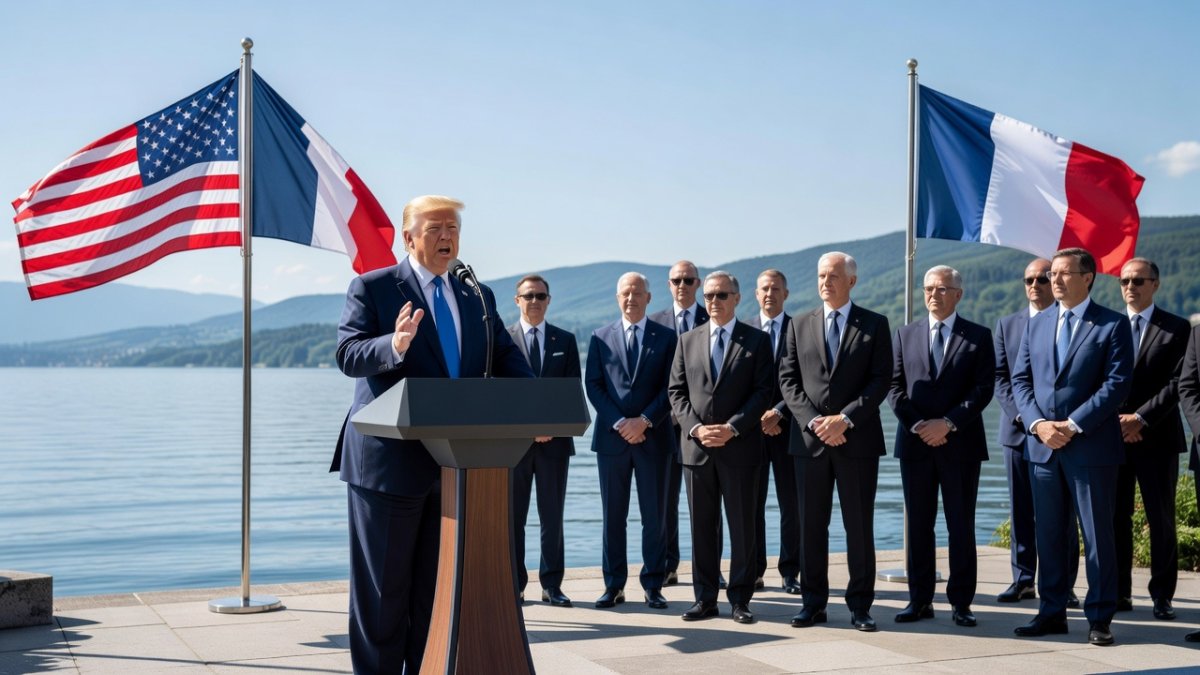
Netanyahu has publicly opposed US President Trump's consideration of selling F-35 stealth fighter jets to Turkey. Israeli defense officials in the Ministry of Defense have argued that such a transfer could alter the regional balance, particularly given Turkey's NATO membership and its relations with Hamas in Gaza. The IDF Air Force maintains its own F-35 squadron at Nevatim Airbase in the Negev.
Diplomatic cables between the Israeli Foreign Ministry and the US State Department have focused on ensuring qualitative military edge commitments remain intact. Netanyahu raised these issues during recent calls with US officials while preparing for the fall election cycle.
Milei, Messi, and the World Cup
Netanyahu revealed on the podcast that he supports Argentina in the 2026 FIFA World Cup. He made clear the choice stems from Argentine President Javier Milei rather than footballer Lionel Messi. Netanyahu described Milei as "a great friend of Israel."
The Israeli leader praised Milei's free-market economic reforms and said the Argentine president had accomplished "remarkable things" for Argentina's economy. These remarks come as the Israeli Foreign Ministry explores expanded trade ties with Buenos Aires in technology and agriculture sectors.
Milei's public support for Israel during the Gaza conflict has included visits to Jerusalem and statements at the United Nations. Netanyahu's endorsement of Argentina reflects efforts to strengthen ties with Latin American governments that back Israel's positions in international forums.
The 2026 World Cup preparations involve Israeli sports officials coordinating with FIFA through the Israel Football Association based in Ramat Gan. Netanyahu's comments highlight how personal diplomatic relationships influence even cultural events for Israeli audiences.
Domestic Politics and the Election Landscape
Upcoming Israeli elections expected in the fall have intensified scrutiny of Netanyahu's handling of the US-Iran ceasefire. Coalition partners in the Knesset have pressed the Prime Minister's Office for clearer timelines on security achievements. Opposition parties have used the interview remarks to question the durability of recent gains against Iran.
Netanyahu's appearance on the podcast offered a relaxed format to address voters directly. The podcast, hosted by Sharon and broadcast by i24NEWS English, reached audiences inside Israel and abroad during a period of heightened political tension.
Polls conducted this week by Israeli research firms show security issues remain the top voter concern ahead of the vote. Netanyahu's claims about preventing an Iranian nuclear weapon feature prominently in Likud party messaging distributed from party headquarters in Tel Aviv.
Coalition negotiations in the Knesset continue to revolve around budget allocations for the IDF and border security. Finance Ministry officials in Jerusalem have warned that prolonged uncertainty could affect military readiness funding through the end of the fiscal year.
Israel's Regional Security Calculus
Netanyahu's statements on the destabilized Iranian regime underscore Israel's multi-front security posture. The IDF General Staff in Tel Aviv maintains operational plans covering threats from Iran, Hezbollah in Lebanon, and Hamas in Gaza. Recent days have seen increased reconnaissance flights over the Golan Heights.
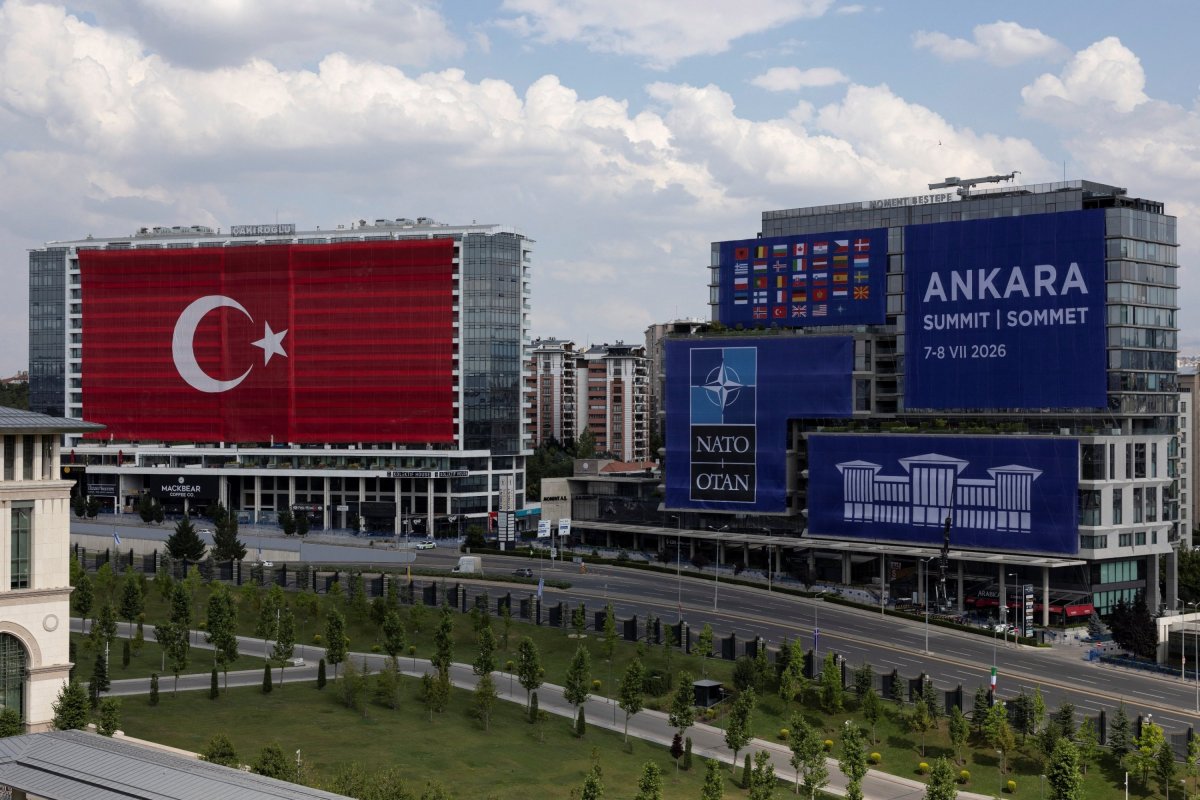
Relations with Turkey remain strained over the proposed F-35 sale and Ankara's stance on Hamas. Israeli diplomats at the Foreign Ministry have coordinated with European counterparts to monitor Turkish actions in NATO forums.
Argentina's alignment under President Milei provides a counterpoint in Latin America where several governments have criticized Israeli operations. Netanyahu's praise for Milei's economic reforms signals interest in deepening bilateral cooperation beyond security matters.
Daily life in Israel continues under the shadow of these regional tensions. Residents in border communities receive regular updates from IDF Home Front Command while the government prepares for potential escalation scenarios outlined in the Prime Minister's Office assessments.
By Hannah Berg, Staff Writer
What's Your Reaction?
 Like
0
Like
0
 Dislike
0
Dislike
0
 Love
0
Love
0
 Funny
0
Funny
0
 Wow
0
Wow
0
 Sad
0
Sad
0
 Angry
0
Angry
0







Comments (0)