
Cartel Drone Attack in Guerrero Shakes Mexico Security
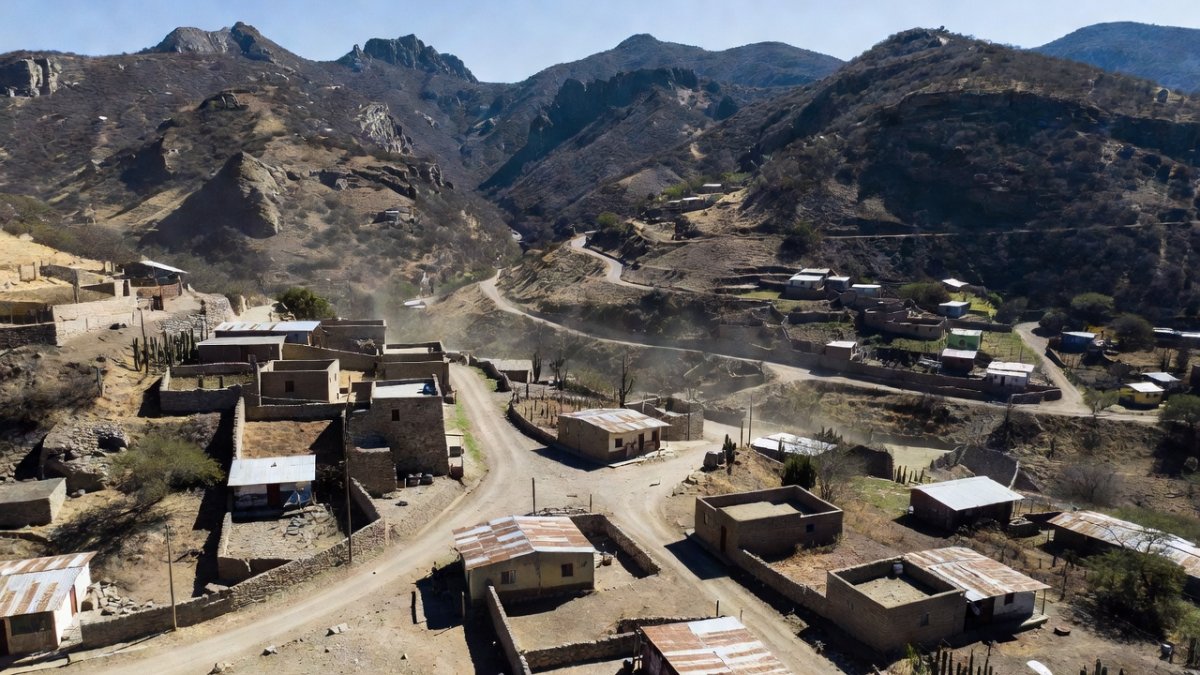
In a recent DW News report titled "Cartel violence: Is Mexico's security situation any different than usual?" analysts examined ongoing cartel activity across multiple states. On July 8, 2026, members of La Nueva Familia Michoacana launched drone strikes on the village of Guajes de Ayala in Guerrero state beginning at 6 a.m., dropping explosive devices on homes and fields. Dron
In a recent DW News report titled "Cartel violence: Is Mexico's security situation any different than usual?" analysts examined ongoing cartel activity across multiple states. On July 8, 2026, members of La Nueva Familia Michoacana launched drone strikes on the village of Guajes de Ayala in Guerrero state beginning at 6 a.m., dropping explosive devices on homes and fields.
Drone Bombs Strike Guajes de Ayala at Dawn
In a recent DW News report titled "Cartel violence: Is Mexico's security situation any different than usual?" analysts examined ongoing cartel activity across multiple states. On July 8, 2026, members of La Nueva Familia Michoacana launched drone strikes on the village of Guajes de Ayala in Guerrero state beginning at 6 a.m., dropping explosive devices on homes and fields.
Residents had sent repeated warnings to state law enforcement in Guerrero for weeks about increasing threats from the group, yet no additional patrols arrived. Dozens of families took shelter inside an abandoned clinic while the drones circled overhead.
World Cup Security Pulls Forces from Rural Areas
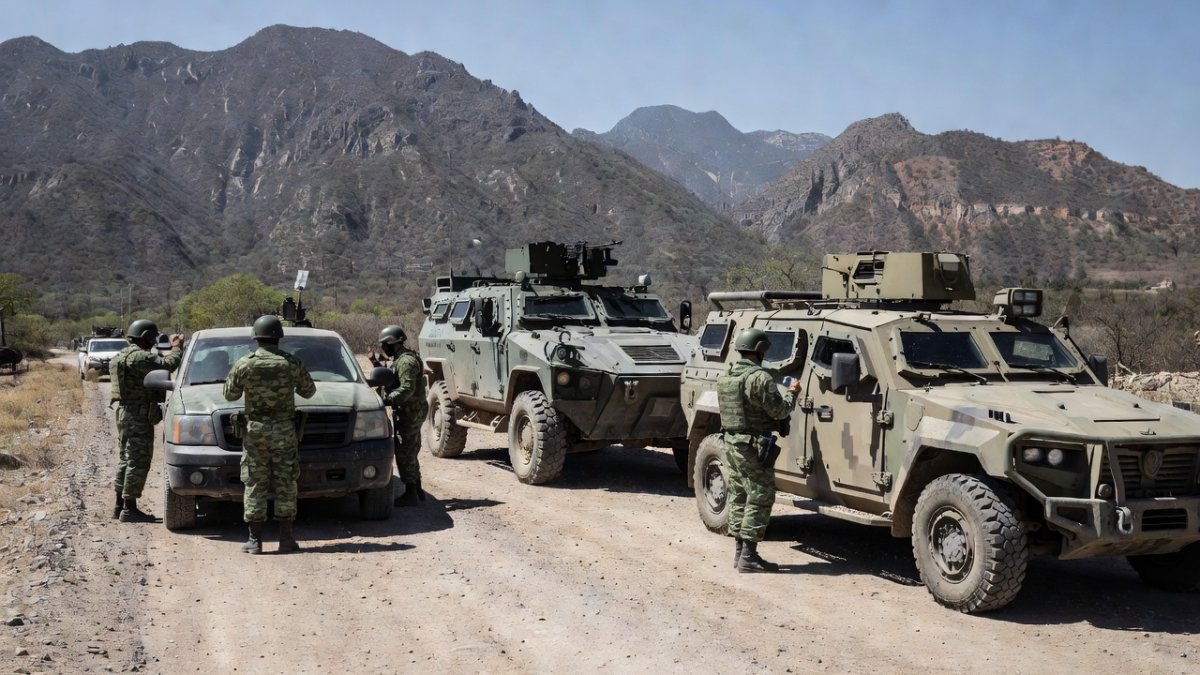
President Claudia Sheinbaum's administration deployed up to 100,000 security personnel from SEDENA, SEMAR and Guardia Nacional to protect the 2026 FIFA World Cup host cities of Mexico City, Guadalajara and Monterrey. The redeployment left rural zones in Guerrero and other states with reduced coverage during the June 11 to July 19 tournament period.
Mexican security analyst David Saucedo stated that the attacks represent "the fallout of the government's World Cup security strategy." One resident of Guajes de Ayala said, "While some are celebrating goals, others are getting massacred by drones carrying bombs."
A local autodefensa group formed by residents has conducted its own patrols since March 2026 after earlier cartel incursions in the region.
El Mencho Killing Triggers Violence Wave
In February 2026, Mexican military forces killed Nemesio "El Mencho" Oseguera Cervantes, leader of the CJNG cartel. The operation sparked clashes that produced more than 73 deaths across 20 states in the following months.
Sheinbaum's Morena administration has highlighted a national homicide rate of 17.5 per 100,000 people, yet analysts note that rural communities continue to face targeted attacks. The US provided intelligence support for several anti-cartel operations during this period.
Sinaloa Cartel Fractures and US Investigation
On July 9, 2026, Mexico opened an inquiry into whether US authorities provided inaccurate information about their role in the 2024 capture of Sinaloa Cartel leader Ismael "El Mayo" Zambada. The Sinaloa Cartel has split into competing factions since the arrests of Zambada and Joaquín "El Chapo" Guzmán's son.
These divisions have increased pressure on groups such as La Nueva Familia Michoacana to expand territory in states like Guerrero while federal forces focus on World Cup venues.
Families and Autodefensas Bear the Human Cost
Residents of Guajes de Ayala, many of them campesinos who work small plots near the ejido lands, described hiding children and elders inside the clinic for hours. The community lies far from the tianguis markets and tortillerías that normally sustain daily life in the region.
Teachers and healthcare workers in nearby colonias report that families now limit travel after dark. The autodefensa patrols, organized without official backing from the FGR or SSPC, have become the primary defense for these rural populations.
Implications for Sheinbaum Administration and Daily Life
The July 8 attack shows how concentrating SEDENA and Guardia Nacional units in Mexico City, Guadalajara and Monterrey can leave communities in Guerrero exposed. Local leaders in the state congress have called for renewed coordination between the Presidencia and state authorities.
Small business owners and farmers in affected areas face disrupted harvests and reduced access to markets in places such as Acapulco and Chilpancingo. The events underscore ongoing challenges for indigenous and rural populations during the Sheinbaum administration's security focus on the World Cup.
By Rosa Martinez, Staff WriterThis article was produced with AI-assisted research and editorial support. Reporting is based on sources cited in the article.
What's Your Reaction?
 Like
0
Like
0
 Dislike
0
Dislike
0
 Love
0
Love
0
 Funny
0
Funny
0
 Wow
0
Wow
0
 Sad
0
Sad
0
 Angry
0
Angry
0

Latin America/Andes Correspondent at Global1.News. Based in Bogota, covering politics, environment, energy, and social movements across the Andean region. Passionate about environmental journalism and communities protecting their land.











Comments (0)