
Trump Gutted ESA Habitat Protections – What It Means
What Just Happened On Friday, July 10, 2026, the Trump administration dropped the hammer on one of America's most vital environmental safeguards. The Interior Department and Commerce Department jointly finalized a rule that rescinds the long-standing definition of "harm" under the Endangered Species Act. Folks, this isn't some minor tweak. Since 1981, that definition explicitly
What Just Happened
On Friday, July 10, 2026, the Trump administration dropped the hammer on one of America's most vital environmental safeguards. The Interior Department and Commerce Department jointly finalized a rule that rescinds the long-standing definition of "harm" under the Endangered Species Act. Folks, this isn't some minor tweak. Since 1981, that definition explicitly included habitat modification or degradation that actually kills or injures wildlife. Now, destroying an endangered species' nest or habitat is no longer considered illegal. The administration just handed developers, loggers, miners, and drillers a free pass to tear through protected lands without consequence.
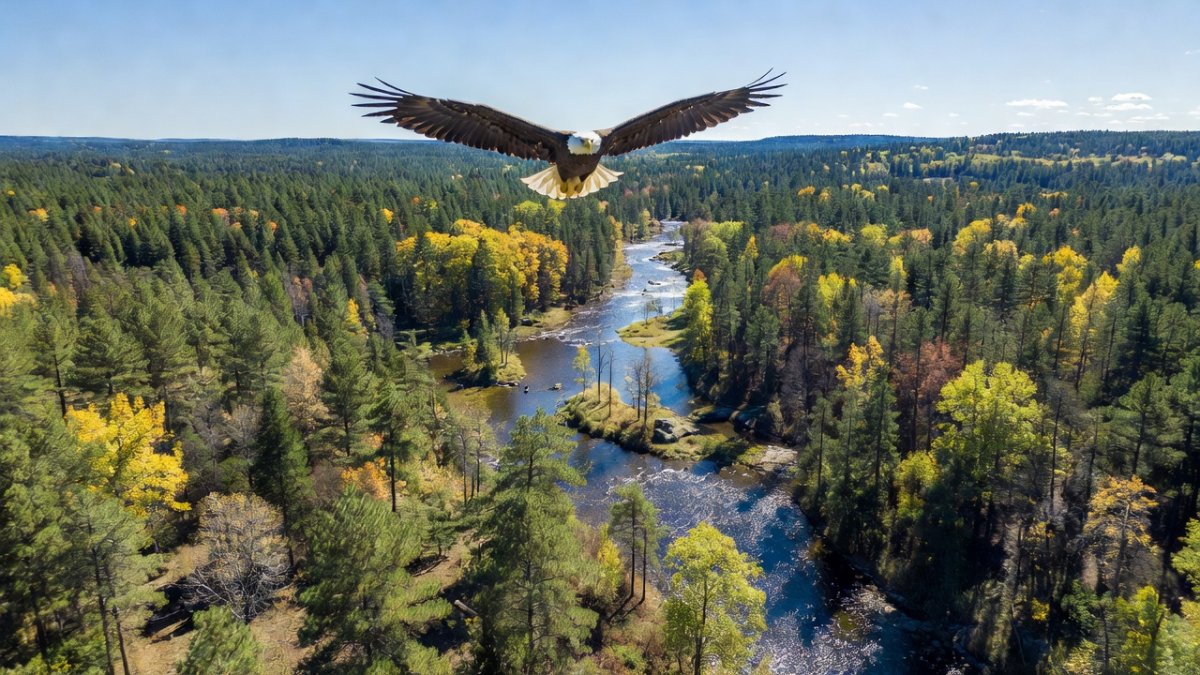
American wilderness — the kind of habitat the new ESA rule no longer protects from development. (Global 1 News)
This move reverses a 50-year understanding of the law, plain and simple. NBC News reported that the administration removed habitat destruction from the definition of harm entirely. The Washington Times confirmed the Interior Department yanked out a definition that had stood firm since 1981. AFP warned that conservationists see this as the door swinging wide open to widespread habitat destruction across the country. And let's not forget the earlier slash this year when the administration already cut more than 3 million acres of protected northern spotted owl habitat in Oregon, Washington, and California. This rule builds on that assault with chilling efficiency.
The timing screams political payback. Announced on a Friday to bury the news cycle, the change opens up habitats for more than 1,600 protected species to logging, mining, drilling, and development. Sen. Brian Schatz from Hawaii called it outright "outrageous" and labeled it the most significant weakening of the ESA in history. He's not exaggerating. This is the Trump team gutting protections that have stood the test of time, and they're doing it with zero shame.
The 50-Year Protection That Just Vanished
The Endangered Species Act itself dates back to 1973 when President Richard Nixon signed it into law with bipartisan support. It has worked. The bald eagle soared back from the brink. The California condor clawed its way out of extinction's shadow. Hundreds of other species owe their survival to this law's teeth. For decades, the definition of "harm" gave regulators the power to stop projects that would wipe out critical habitat. That power just evaporated under this new rule.
Think about what that 1981 definition actually meant in practice. It wasn't abstract. If a logging operation or mining claim would degrade habitat enough to kill or injure listed wildlife, it was illegal. The Trump administration just erased that line. Environmentalists from the Center for Biological Diversity, Earthjustice, and the Natural Resources Defense Council are already vowing lawsuits, and they should. This isn't policy evolution. It's a deliberate rollback that ignores five decades of proven success.
The ESA currently shields 1,638 species, including the Florida panther, gray wolf, manatees, and hundreds of plants. These aren't abstract numbers. They represent living creatures that have survived because the law treated habitat destruction as harm. The new rule pretends otherwise, and the consequences will land hard on species already fighting for survival.
What This Means for America's Wildlife
Environmentalists are calling this a "death sentence" for imperiled wildlife, and The Guardian captured that sentiment exactly. Without habitat protections, species like the northern spotted owl face accelerated decline after already losing millions of acres earlier this year. The Florida panther loses breathing room in Florida's shrinking wild spaces. Gray wolves and manatees lose the legal shield that kept development at bay. This rule doesn't just weaken the law. It removes the core mechanism that made the ESA effective for half a century.
Conservation groups aren't mincing words because the science is clear. Habitat loss remains the leading driver of species decline. By redefining harm to exclude habitat destruction, the administration has told industry that nests, dens, and breeding grounds are fair game. AFP's reporting highlighted how this could trigger widespread destruction, and they're right. The 1,600-plus species now sit exposed to projects that were previously blocked or modified.
Folks, this isn't theoretical. The bald eagle and California condor recoveries happened because the law had real enforcement power. Strip that away and the same species that clawed back from extinction could slide toward it again. The Trump administration just made America's wildlife more vulnerable than at any point since the ESA's passage.
The Economic Argument — And Why Critics Aren't Buying It
Supporters of the rule will claim it boosts jobs in logging, mining, and energy sectors. They'll argue that habitat rules were holding back economic growth. But that line falls apart when you look at the actual record. The ESA has coexisted with robust industries for decades while still delivering species recoveries. The administration's own earlier decision to slash 3 million acres of spotted owl habitat already showed the pattern: prioritize extraction over protection.
Critics from the Center for Biological Diversity and Earthjustice point out that short-term gains for developers come at the expense of long-term ecological stability. Healthy ecosystems support tourism, fishing, and clean water that benefit far more people than any single mining project. Sen. Brian Schatz called the move the most significant weakening in history for good reason. It trades proven safeguards for promises of economic activity that rarely materialize as advertised.
The numbers tell the story. The ESA protects 1,638 species across the country. Opening their habitats to unrestricted development doesn't create sustainable jobs. It creates boom-and-bust cycles that leave communities and wildlife worse off. The administration's rhetoric about economic freedom ignores the documented success of the original law in balancing both needs.
Legal Challenges Ahead
The lawsuits are already lining up. Center for Biological Diversity, Earthjustice, and the Natural Resources Defense Council have made clear they will fight this rule in court. They have strong grounds. The change reverses a definition that stood since 1981 and was upheld through multiple administrations. Courts have historically recognized habitat protection as central to the ESA's purpose.
Sen. Brian Schatz's outrage reflects broader congressional concern. Democrats are already signaling they will use every tool available to reverse course once power shifts. The rule's timing on July 10, 2026, looks designed to lock in damage before potential legal or legislative pushback can fully organize. But conservation groups have beaten back similar attacks before, and they intend to do it again.
Expect months of litigation that will test whether courts accept the administration's narrow reading of "harm." The stakes couldn't be higher. If the rule survives initial challenges, the door stays open for projects that would have been stopped under the old definition. The groups suing know this is the most direct assault on the ESA's core in its 50-year history.
The Bottom Line
This rule is a calculated attack on the Endangered Species Act dressed up as regulatory reform. It removes the legal tool that stopped habitat destruction for decades and exposes 1,638 species to immediate risk. The Trump administration has made its priorities clear: industry access over wildlife survival. Folks, the bald eagle didn't recover by accident. It recovered because the law had teeth. Those teeth just got pulled.
The damage won't stop at one species or one region. From the northern spotted owl's shrinking forests to the Florida panther's remaining range, the ripple effects will hit hard and fast. Conservation groups are ready to sue, and they need public support to win. Contact your representatives. Demand they defend the ESA. Share the facts about what this rule actually does. The 50-year legacy of protecting America's wildlife is worth fighting for, and the clock is already ticking.
By Jessica Ali, Global 1 NewsThis article was produced with AI-assisted research and editorial support. Reporting is based on sources cited in the article.
What's Your Reaction?
 Like
0
Like
0
 Dislike
0
Dislike
0
 Love
0
Love
0
 Funny
0
Funny
0
 Wow
0
Wow
0
 Sad
0
Sad
0
 Angry
0
Angry
0

Editor-in-Chief at Global1.News. Atlanta-based journalist who cuts through the BS and tells it like it is. Lead anchor, host, and the voice you hear when the spin stops and the truth starts.















Comments (0)