
Trump Declares Iran Ceasefire Over, Talks Continue
In a recent BBC News report on the escalating tensions in the Persian Gulf, the video detailed the sequence of attacks on commercial vessels, subsequent US strikes on Iranian ports, and the resulting diplomatic maneuvering by Qatari mediators amid slowed tanker traffic through the Strait of Hormuz. Trump Declares Ceasefire With Iran Over But Agrees to Continue Talks London – 11
In a recent BBC News report on the escalating tensions in the Persian Gulf, the video detailed the sequence of attacks on commercial vessels, subsequent US strikes on Iranian ports, and the resulting diplomatic maneuvering by Qatari mediators amid slowed tanker traffic through the Strait of Hormuz.
Trump Declares Ceasefire With Iran Over But Agrees to Continue Talks
London – 11 July 2026 — President Donald Trump announced on Friday that while the United States has agreed to Iran's request to continue negotiations, the ceasefire between the two countries is officially over. The contradictory signals have left allies, adversaries, and energy markets scrambling to assess what comes next.
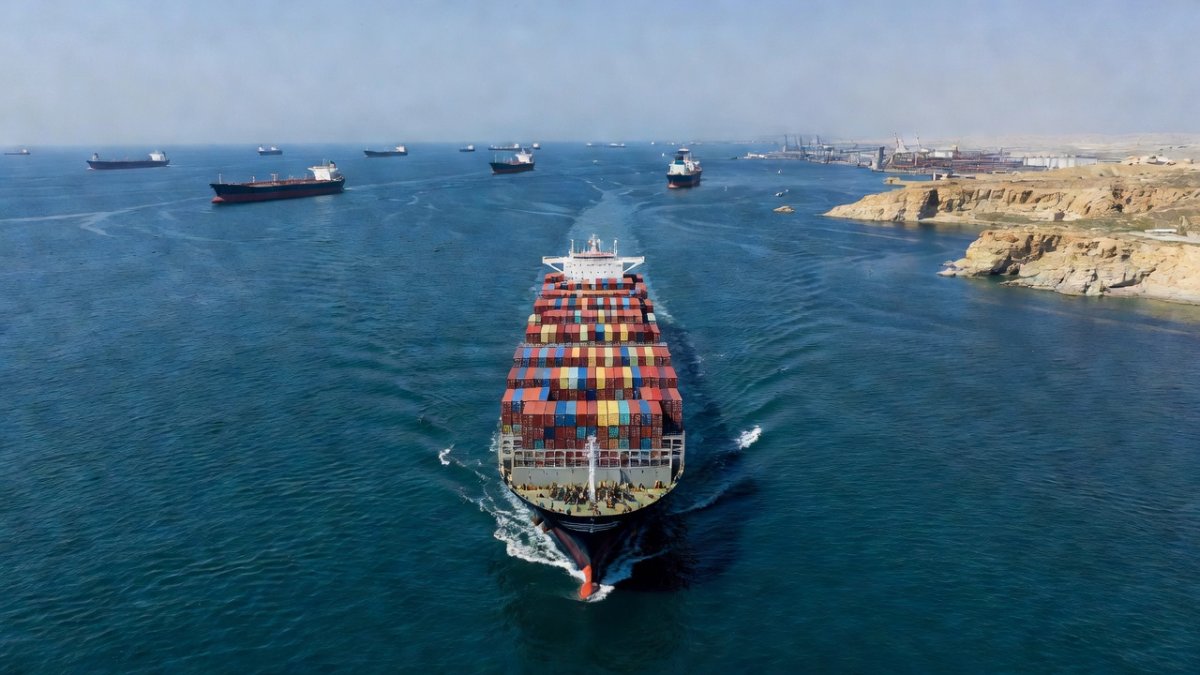
Ceasefire Collapses — Trump Declares the Truce Over
On Friday, President Donald Trump published a blistering post on his Truth Social platform declaring that the ceasefire with Iran was "OVER" even as he confirmed the United States would continue to engage in negotiations at Tehran's request. The announcement marked the latest and most dramatic turn in a conflict that has seesawed between diplomacy and open hostilities since the signing of a 14-point Memorandum of Understanding on June 17. Trump's language was characteristically blunt — he characterised Iranian leaders as "scum" and "cuckoo" during the NATO summit in Ankara earlier this week — but his willingness to keep talking suggested a more nuanced calculation behind the bellicose rhetoric. The post explicitly stated that Iran had asked to continue talks and that Washington had agreed, yet the ceasefire itself stood terminated in no uncertain terms. This dual message created immediate confusion among allies and adversaries alike about Washington's true intentions.
The ceasefire agreement, which Trump himself had heralded as a historic breakthrough just three weeks ago, had been fraying for days. Its collapse was triggered when Iranian forces attacked three commercial tankers — vessels owned by Qatari and Saudi interests — transiting the Strait of Hormuz. Washington responded with what the US Central Command called "powerful" strikes on Iranian military sites in the southern port cities of Bandar Abbas and Bushehr. Iranian state media reported that eight members of the country's armed forces were killed in the bombardment. Over 20 US Navy warships remain on patrol in the region under Central Command oversight, underscoring the sustained military presence even as talks were reaffirmed.
Iran retaliated in kind on Thursday, striking US military installations in Bahrain and Kuwait. The exchange marked the most serious direct confrontation between the two sides since the June ceasefire was signed, and effectively shattered the fragile calm that had allowed limited shipping traffic to resume through one of the world's most critical energy chokepoints. Unclaimed airstrikes on Iranian targets followed the official conclusion of US operations, raising questions about additional actors involved in the campaign.
What Was in the Ceasefire Deal — and Why It Unravelled
The Memorandum of Understanding signed in mid-June contained 14 carefully negotiated points. Among its core provisions were a 60-day cessation of hostilities during which both sides would continue negotiations, an Iranian commitment to ensure the safe passage of commercial vessels through the Strait of Hormuz, and a US undertaking to lift sanctions on Iranian oil sales. The deal was never intended to be a permanent settlement — it was an interim framework designed to buy time for a comprehensive peace agreement. But from the start, implementation proved contentious as each side accused the other of selective compliance. Iran's parliamentary speaker Mohammad Bagher Ghalibaf repeatedly charged that Washington had failed to deliver on sanctions relief while continuing limited operations.
Iran's parliamentary speaker and chief negotiator Mohammad Bagher Ghalibaf accused the United States of violating the MoU from the outset, pointing to continued US strikes on Iranian territory and what he described as Washington's failure to deliver meaningful sanctions relief. "The era of bullying and extortion is over. It leads nowhere. We don't fold," Ghalibaf declared after the latest American strikes. On the American side, Trump and his administration accused Iran of breaching the deal's core commitment by continuing to target commercial shipping in the strait. The United Nations subsequently suspended plans to evacuate trapped vessels, further illustrating the breakdown in coordinated maritime operations.
Regional Fallout — Gulf States Caught in the Middle
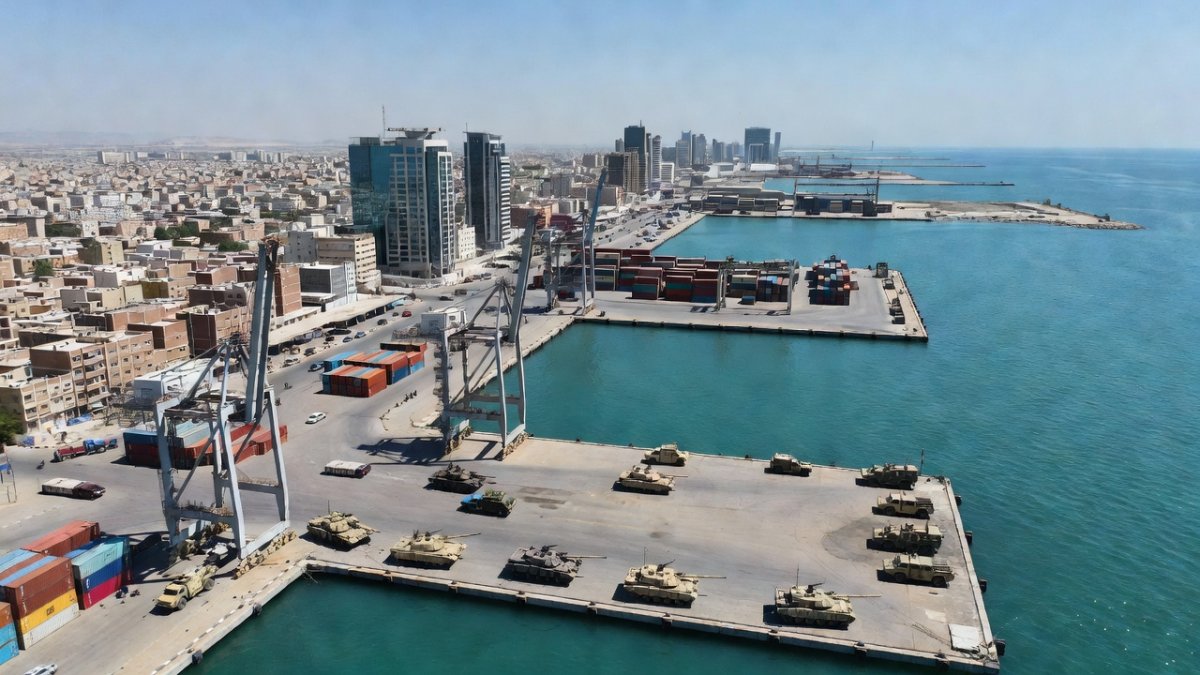
The collapse of the ceasefire has placed Gulf Arab states in an increasingly precarious position. Qatar, which has positioned itself as a key mediator between Washington and Tehran, dispatched negotiators to the Iranian capital on Friday in a bid to prevent a full-scale return to hostilities. A source with knowledge of the discussions told Reuters that the talks were focused on implementing the terms of the MoU — particularly the disputed navigation provisions in the Strait of Hormuz — and addressing the triggers that had caused the latest escalation. Qatari officials sought to consolidate Doha's longstanding role as an intermediary amid the mourning period following the burial of Iran's late Supreme Leader Ayatollah Ali Khamenei. Saudi Arabia and the United Arab Emirates have pursued parallel hedging strategies, quietly reinforcing security ties with Washington while preserving limited economic and diplomatic channels with Tehran to protect their own energy export routes and avoid direct entanglement in any renewed escalation.
Iran's targeted strikes on US military installations in Bahrain and Kuwait — both of which host American bases — underscored the regional dimension of the conflict. Gulf governments have tried to maintain a neutral posture throughout the US-Iran war, but each escalation forces them to choose sides. None of the Gulf Arab states issued an immediate response to Friday's developments, suggesting a cautious wait-and-see approach as the diplomatic and military tracks diverged in opposite directions. NATO Secretary General Mark Rutte described the earlier US strikes as "absolutely necessary," providing public backing from the alliance.
Oil Markets and the Strait of Hormuz
The Strait of Hormuz — the narrow waterway through which approximately 20 percent of the world's oil passes — has once again become the epicentre of global energy anxiety. Daily tanker traffic slowed to a trickle this week as shipping companies assessed the risks of transiting a contested waterway where three commercial vessels had already been attacked. Oil prices jumped following Trump's ceasefire declaration but remained below the crisis-level highs recorded when the strait was fully closed earlier in the conflict. Analysts noted that crude was on track for a 5 percent weekly gain, reflecting renewed supply concerns without yet reaching panic levels. China, which depends on roughly 40 percent of its imported crude passing through the Strait, has viewed the renewed instability with alarm, privately urging both sides toward restraint to safeguard its energy security and broader economic interests amid fragile global supply chains.
The United Nations, meanwhile, suspended its plan to evacuate trapped vessels still anchored in the Strait — a humanitarian and logistical setback that illustrated how the collapse of the ceasefire has frozen even non-combat maritime operations. The US Navy's Central Command confirmed that more than 20 American warships continue to patrol Middle Eastern waters, a visible reminder of the military posture underlying the diplomatic standoff. These developments have kept markets on edge despite the agreement to resume talks.
Tehran's Perspective — Defiance Amid Mourning
Iran's leadership responded to Trump's escalation with a carefully calibrated mix of defiance and openness to continued dialogue. Foreign Minister Abbas Araghchi struck a measured tone, stating on social media that Tehran would answer "not with vulgarity, but with action: fearlessly and with great valour." Deputy Foreign Minister Kazem Gharibabadi went further, characterising Trump's outburst as "not a sign of strength, but rather an admission of the failure of a policy built on brute force, sanctions, and threats for years, which could not bring the Iranian nation to its knees." These statements came as six days of public mourning concluded with the burial of the late Supreme Leader Ayatollah Ali Khamenei in Mashhad.
The diplomatic signalling came against the sombre backdrop of national mourning for the late Supreme Leader Ayatollah Ali Khamenei, who was killed on the first day of US-Israel strikes in late February. Six days of public ceremonies culminated this week with Khamenei's burial in Mashhad — a moment of profound transition for the Islamic Republic that has coincided with its most serious military confrontation with the United States in decades. The question of who will succeed Khamenei as Supreme Leader remains unresolved, injecting an additional layer of uncertainty into Iran's decision-making process.
Analysis — What Comes Next
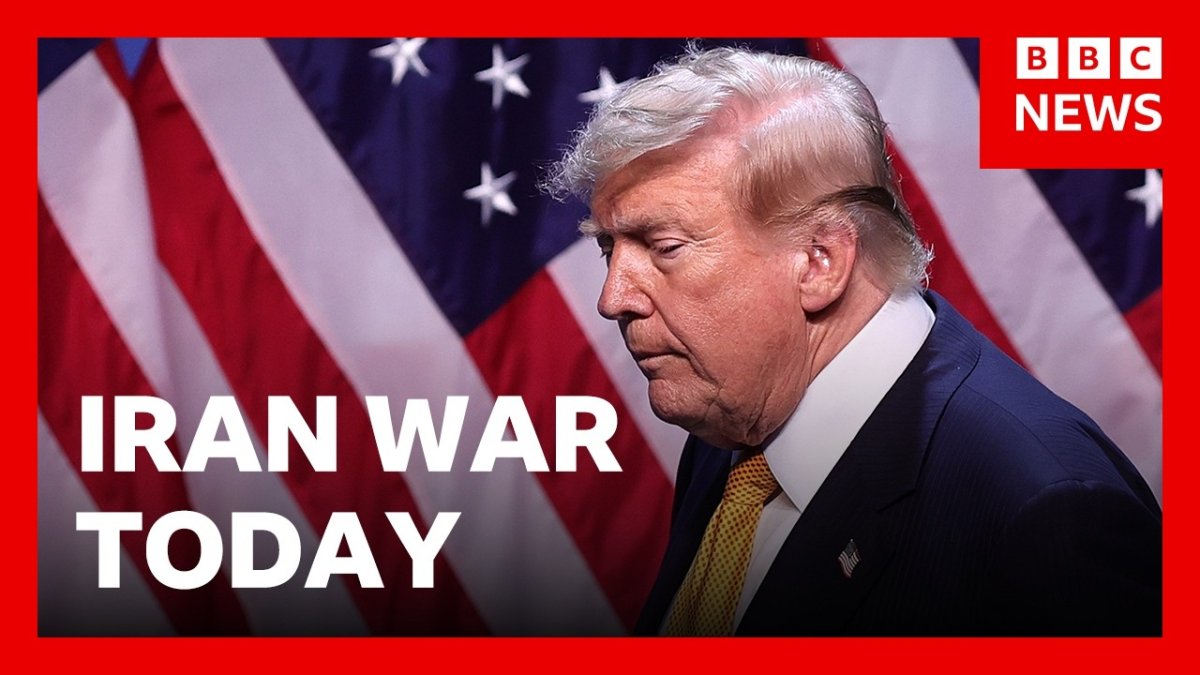
The contradictory signals emanating from Washington — a ceasefire declared "over" coupled with an agreement to continue talks — reflect the fundamental tension at the heart of Trump's approach to Iran. The president has oscillated between negotiating and striking since the war began, and his latest posture suggests he sees the dual-track strategy as leverage rather than inconsistency. In his earlier comments at the NATO summit, Trump said he considered further talks "a waste of time" but added that his negotiators — including special envoy Steve Witkoff and son-in-law Jared Kushner — could continue if Iran was serious. This approach leaves room for backchannel diplomacy even as public rhetoric hardens. From Moscow and Beijing, the renewed volatility is interpreted as further evidence of Washington's unreliability as a security partner, prompting both capitals to deepen energy and diplomatic coordination with Tehran as a hedge against prolonged regional disorder.
The unanswered question is who in Iran has the authority to negotiate a permanent settlement. With Khamenei gone and no successor yet named, the Islamic Republic's leadership structure is in flux. The Supreme Leader traditionally held ultimate authority over matters of war and peace. Without a clear successor, decision-making may become more fragmented, making it harder for any Iranian interlocutor to deliver on commitments — and increasing the risk that both sides stumble into a wider conflict neither claims to want. Qatari mediators continue their efforts in Tehran to bridge these gaps.
By Irina Volkov, Staff Writer
This article was produced with AI-assisted research and editorial support. Reporting is based on sources cited in the article.
What's Your Reaction?
 Like
0
Like
0
 Dislike
0
Dislike
0
 Love
0
Love
0
 Funny
0
Funny
0
 Wow
0
Wow
0
 Sad
0
Sad
0
 Angry
0
Angry
0
Russia/Eastern Europe Correspondent at Global1.News. Covering Russian politics, energy, security, and the shifting dynamics of the post-Soviet space. Provides clear-eyed analysis on one of the world's most opaque regions.










Comments (0)