
Displaced Yemeni Women Face Harassment and Confinement in Rural Camps
The Journey from Taiz: Displacement and Loss Afnan al-Soroori was a 22-year-old middle-class student at Taiz University in Yemen's third-largest city where she enjoyed a life of relative comfort and freedom. She wore fashionable clothes and moved about the city without restriction as part of her daily routine as a young woman pursuing her education. Her family home included mod
The Journey from Taiz: Displacement and Loss
Afnan al-Soroori was a 22-year-old middle-class student at Taiz University in Yemen's third-largest city where she enjoyed a life of relative comfort and freedom. She wore fashionable clothes and moved about the city without restriction as part of her daily routine as a young woman pursuing her education. Her family home included modern conveniences such as an electric oven and a washing machine that made household tasks manageable and efficient. These elements defined a stable existence before conflict disrupted everything she knew. The arrival of Houthi rebels advancing on Taiz forced her family to confront an immediate threat to their safety and way of life. They made the difficult decision to abandon their home and belongings in search of security elsewhere.
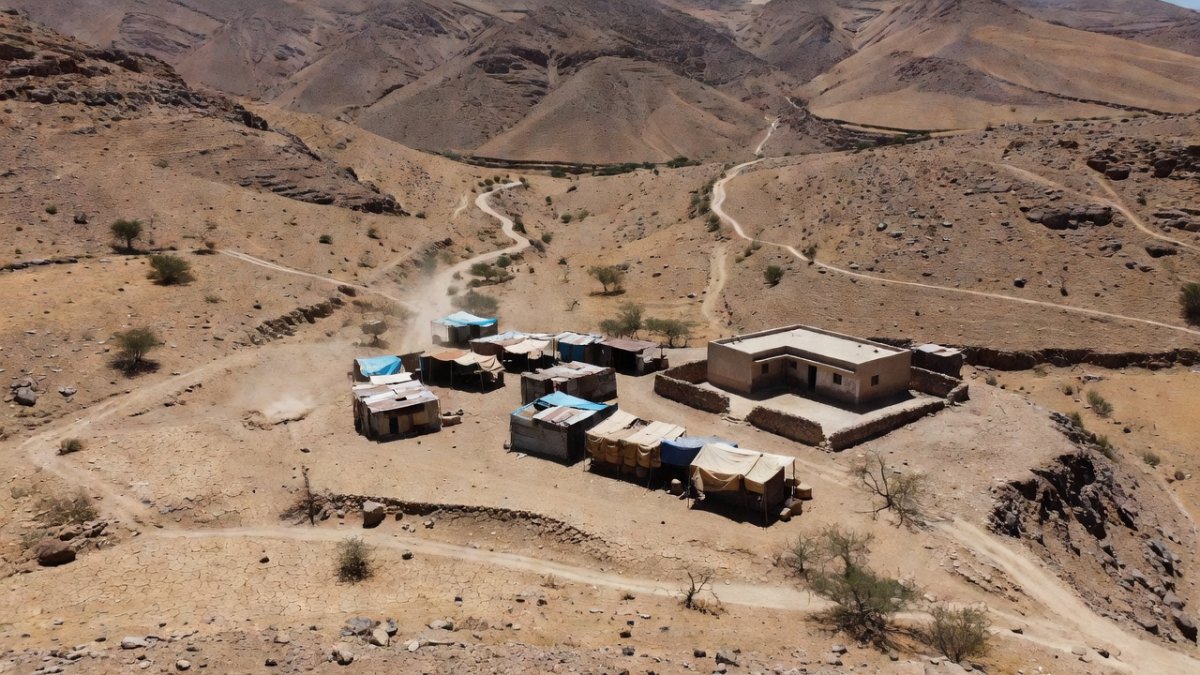
The advance of the Houthi rebels created an atmosphere of fear that compelled Afnan's family to flee their familiar surroundings in Taiz. As the situation escalated the family packed what little they could carry and sought refuge in a makeshift camp set up at a school in the al-Safia area. This location lay approximately 65 kilometers from their original home in Taiz marking a significant physical and emotional distance from everything familiar. The journey represented not only a loss of material possessions but also the abrupt end to Afnan's academic pursuits and personal independence. Her family arrived at the camp with hopes of temporary safety yet soon realized the permanence of their displacement. The transition from urban comfort to rural hardship began immediately upon their arrival.
Displacement brought profound loss to Afnan and her family as they adjusted to life far from Taiz University and their previous routines. The father found himself unable to secure employment in the new environment leaving the household without its primary source of income. Afnan and her relatives had to confront the reality that their middle-class status offered no protection against the ravages of war. The makeshift camp at the school became their only shelter amid ongoing instability in Yemen. This forced relocation highlighted the broader human rights violations faced by civilians caught in conflict zones. Afnan's story illustrates how war strips individuals of dignity and opportunity in an instant.
Life Inside the al-Safia Camp
Inside the al-Safia camp Afnan al-Soroori faced daily challenges that contrasted sharply with her previous access to modern appliances. She now cooked meals using two stones placed over an open firewood fire a method that required constant attention and physical effort. The absence of an electric oven meant longer preparation times and exposure to smoke that affected her health and comfort. These tasks consumed much of her day leaving little room for other activities or rest. The camp environment offered no relief from these primitive conditions that tested her resilience at every turn. Afnan endured these hardships while mourning the loss of her student life in Taiz.
Washing clothes by hand in a simple bowl became another exhausting routine for Afnan in the camp replacing the convenience of her former washing machine. Her hands grew hard and calloused from the repetitive scrubbing and exposure to harsh water and soap. This physical change served as a visible reminder of how displacement had altered her body and spirit. The father remained jobless throughout their stay in al-Safia contributing to the family's growing sense of helplessness and economic strain. Without income the family struggled to obtain basic necessities beyond what the camp could provide. Afnan witnessed her family's gradual decline under these unrelenting pressures.
The camp life imposed a new reality on Afnan where every chore demanded manual labor and patience she had never needed before. Cooking over firewood and hand-washing clothes occupied hours that once allowed for study and social interaction at university. Her father's inability to work compounded the emotional toll as the family depended entirely on limited resources. These conditions reflected the severe human rights impacts of Yemen's ongoing conflict on ordinary citizens. Afnan adapted as best she could yet the physical toll on her hands and the mental strain of uncertainty persisted daily. The makeshift school camp became a symbol of lost opportunities and enduring hardship.
Harassment and Forced Confinement
Afnan al-Soroori discovered that she could not leave the camp without encountering groups of young men who crowded around her path. These youths shouted abuse and made sexual advances that created an atmosphere of constant threat and intimidation. The harassment intensified especially during afternoon hours when movement outside the camp became particularly dangerous. Afnan learned to restrict her movements to avoid these encounters that violated her basic right to safety and freedom. The camp which was meant to offer refuge instead became a place of confinement due to external aggression. This situation underscored the additional vulnerabilities faced by displaced women in conflict settings.
The young men in the surrounding area targeted Afnan and other women from the camp with obscene gestures and verbal harassment that left lasting emotional scars. She described the experience by stating that if you leave the camp especially in the afternoon you will hear bad words and see obscene gestures. These words captured the daily reality of fear that prevented her from venturing beyond the school grounds. Afnan's inability to move freely represented a direct infringement on her human rights as a young woman seeking basic mobility. The presence of these hostile groups transformed simple errands into risky endeavors that she ultimately avoided. Her family recognized the danger and supported her decision to remain inside the camp boundaries.
Even attempts to navigate the area cautiously failed to protect Afnan from the persistent advances and name-calling that defined life near the camp. The sexual harassment created a climate where women felt unsafe and isolated from the wider community. Afnan endured these violations while already coping with the trauma of displacement from Taiz. The combination of war-induced flight and subsequent confinement highlighted the compounded injustices suffered by female refugees. Her story reveals how conflict exacerbates gender-based violence in displacement settings across Yemen. Afnan chose safety over freedom by staying within the camp limits despite the restrictions this imposed.
The forced confinement affected Afnan's mental well-being as she grappled with the loss of her previous independence in Taiz. Young men continued their abusive behavior whenever she or other women attempted to step outside the camp area. This pattern of harassment forced her family to accept a life of limited movement and heightened vigilance. Afnan reflected on these experiences with a sense of injustice that the war had brought such dangers into her life. The sexual advances and verbal abuse stood as stark reminders of the human rights abuses that accompany displacement. She remained in the camp to protect herself while longing for the day when safety would allow greater freedom.
Cultural Clash Between City and Countryside
The cultural differences between city women like Afnan and the rural residents around the al-Safia camp created immediate tensions that affected daily interactions. City women typically wore fitted abayas that left their faces exposed reflecting urban norms of modest yet visible attire. In contrast rural women covered their entire faces adhering to stricter traditional practices that had long defined the area. These distinctions marked Afnan and her family as outsiders from the moment they arrived at the school camp. The clash extended beyond clothing to behaviors and expectations that rural communities viewed as disruptive. Afnan experienced this divide as another layer of isolation in her displaced life.
Rural residents expressed resentment toward the newcomers whose presence they believed upset long-standing age-old customs in the region. Afnan's fashionable background and free movement in Taiz stood in sharp contrast to the conservative expectations enforced in the countryside. This cultural gap fueled misunderstandings and hostility that manifested in the harassment she faced outside the camp. The differences in dress and demeanor became points of criticism rather than opportunities for understanding among the local population. Afnan and her family found themselves judged for habits that had been normal in their urban setting. The resulting friction deepened their sense of alienation in the al-Safia area.
The clothing variations highlighted broader societal divides that the war had forced into close proximity through displacement. Afnan navigated these expectations while trying to maintain some sense of her identity from Taiz. Rural norms demanded greater concealment that felt foreign and restrictive to city women accustomed to different standards. This clash contributed to the overall atmosphere of rejection that confined Afnan and others to the camp. The resentment from locals underscored how conflict amplifies existing cultural tensions in Yemen. Afnan endured these challenges as part of the human cost of fleeing her home.
Failed Appeals to Tribal Elders and Mosque Leaders
Afnan's father made repeated appeals to tribal elders and leaders at village mosques seeking protection for his wife and three daughters from the ongoing harassment. He hoped these respected figures would intervene and address the abusive behavior of the young men around the camp. Instead the elders and mosque leaders sided against the women criticizing their clothes and loud voices as inappropriate. This response left the family without any external support or recourse in their vulnerable situation. The father's efforts highlighted the systemic barriers that displaced families encounter when seeking justice. Afnan witnessed the failure of these appeals with growing despair for her family's safety.
The tribal elders and mosque authorities blamed the city women for the problems rather than confronting the perpetrators of abuse. They viewed the newcomers' attire and mannerisms as violations of local customs that justified the hostility directed at them. Afnan's father received clear instructions to keep his wife and daughters confined to the camp to avoid further conflict. This outcome reinforced the power imbalances that left women without advocates in the rural setting. The appeals which had been a last hope for resolution ended in disappointment and further restriction. The family accepted the advice out of necessity despite its unfairness.
These failed attempts to gain support from community leaders exposed the lack of protection available to displaced women in al-Safia. Afnan's father returned to the camp with the message that staying inside was the only option for safety. The criticism from elders and mosques added to the emotional burden already carried by the family after fleeing Taiz. This experience illustrated how traditional structures sometimes perpetuate harm rather than alleviate it during crises. Afnan and her sisters remained confined as a direct result of these rejections. The absence of solidarity from local authorities compounded the human rights challenges they faced daily.
Adaptation That Offers No Protection
Mariam Abdul-Qader a 23-year-old resident of the same camp attempted to adapt by wearing traditional clothes yet still faced recognition and harassment from local youths. They identified her by her sandals and the way she walked which set her apart despite her efforts to blend in. This experience showed that even conformity to rural norms provided no guarantee of safety for displaced women. Mariam joined groups of other women when venturing out but name-calling persisted regardless of their numbers. The adaptation she pursued offered little protection against the cultural resentment directed at all newcomers. Her story paralleled Afnan's in revealing the pervasive nature of the threats.
Even when women traveled together in groups the harassment continued with verbal abuse that targeted their presence in the area. Mariam expressed her frustration by stating that she hated this atrocious war that drove them away from their houses and forced them to accept life among these savage people. These words conveyed the deep resentment and pain caused by displacement and subsequent mistreatment. The war had stripped her of her home and placed her in an environment where basic dignity was denied. Adaptation through clothing changes failed to shield her from the ongoing aggression. Mariam endured these conditions while longing for a return to normalcy.
Local sheikh Mohammed Gobah acknowledged that harassment represented a major problem in the area yet he attributed it to the supposed immodesty of city women. This perspective shifted blame onto the victims rather than addressing the behavior of the harassers. Rural residents continued to resent the newcomers for upsetting established customs which fueled the cycle of abuse. Mariam's attempts at adaptation highlighted the futility of individual efforts in the face of collective hostility. The sheikh's comments reflected broader attitudes that perpetuated the vulnerability of displaced families. Afnan and Mariam both navigated these dynamics with limited options for relief.
The Human Cost of Yemen's Displacement Crisis
The experiences of Afnan al-Soroori and Mariam Abdul-Qader reveal the profound human cost of Yemen's displacement crisis triggered by the atrocious war. Families like theirs fled advancing Houthi rebels only to encounter new forms of hardship and rights violations in makeshift camps. The loss of education employment and personal freedom compounded the trauma of leaving Taiz behind. Women in particular bore the brunt of cultural clashes and harassment that confined them to unsafe environments. These stories underscore the urgent need for protections that address gender-specific vulnerabilities in conflict zones. The war's impact extends far beyond battlefields into the daily lives of civilians seeking safety.
Displacement forced Afnan and her family into conditions where basic human rights such as freedom of movement and protection from violence were routinely denied. The father's joblessness and the physical toll of manual chores illustrated the economic and health consequences that followed flight from Taiz. Appeals to community leaders yielded no relief instead reinforcing restrictive measures that limited women's lives further. Mariam's adaptation efforts demonstrated how even compliance failed to shield displaced individuals from resentment and abuse. The broader crisis in Yemen has created countless similar situations where civilians endure layered injustices. These accounts call attention to the enduring scars left by conflict on vulnerable populations.
The human rights implications of such displacement demand greater international awareness and action to support families trapped in camps like the one in al-Safia. Afnan and Mariam represent the many women whose voices highlight the intersection of war cultural tensions and gender-based threats. Their confinement and the failed interventions by elders point to systemic failures that prolong suffering. The war continues to drive people from their homes while offering no clear path to restoration or justice. Compassionate responses must prioritize the safety and dignity of those affected by these crises. Afnan's journey from university student to camp resident embodies the tragic transformation wrought by ongoing violence in Yemen.
By Fatima Al-Rashid, Staff WriterThis article was produced with AI-assisted research and editorial support. Reporting is based on sources cited in the article.
What's Your Reaction?
 Like
0
Like
0
 Dislike
0
Dislike
0
 Love
0
Love
0
 Funny
0
Funny
0
 Wow
0
Wow
0
 Sad
0
Sad
0
 Angry
0
Angry
0

Gulf/MENA Correspondent at Global1.News. Based in Doha, covering Gulf politics, energy markets, diplomacy, and development across the Middle East and North Africa. Tracks the economic transformation of the Gulf states.













Comments (0)