
NATO Summit Positions Turkey as Central Diplomatic Force in Global Affairs
NATO Summit Positions Türkiye as Central Diplomatic Force in Global Affairs NATO Summit Ankara: Türkiye Gains Strategic Influence Analysis of NATO summit in Ankara shows Türkiye's growing role in diplomacy, defense industry, and alliance strategy amid Russia-Ukraine and Middle East tensions. NATO summit Ankara, Recep Tayyip Erdoğan, Türkiye NATO role, US Türkiye relations, Dona
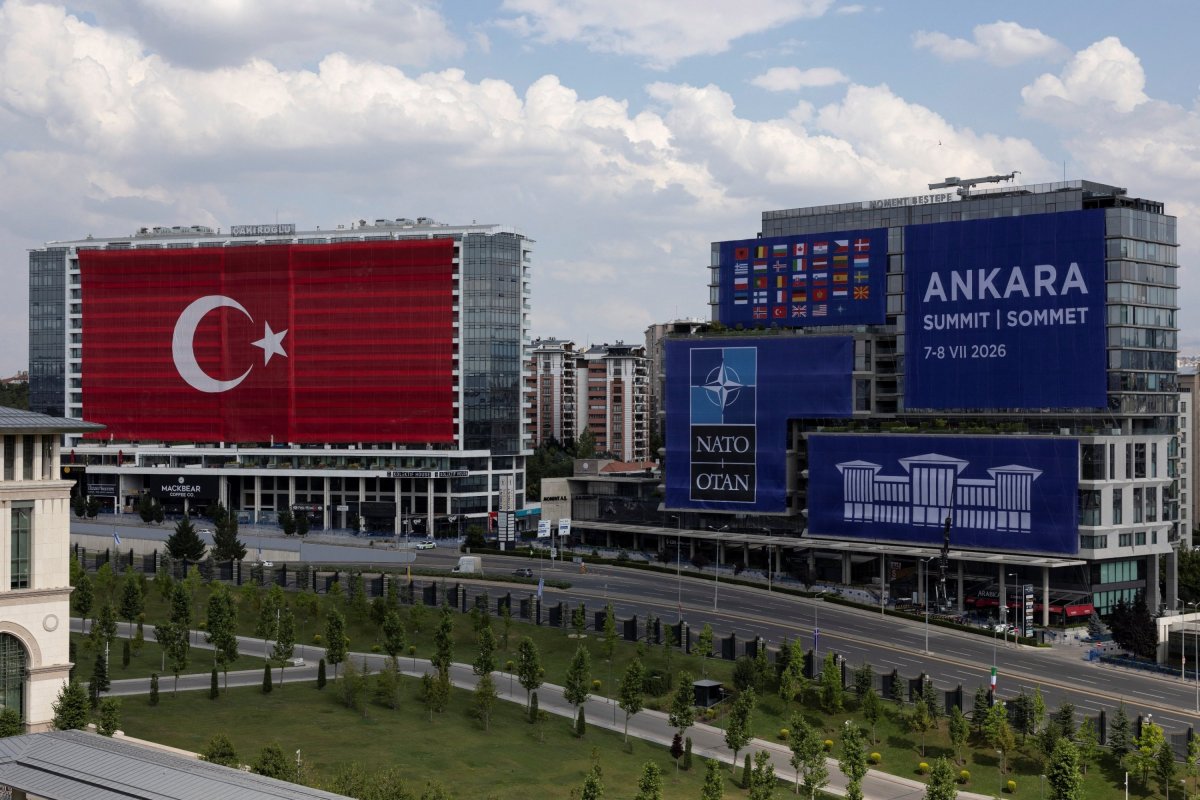
The Transformative Nature of the Ankara NATO Summit
The Ankara gathering surpassed typical NATO annual meetings by placing Türkiye at the heart of discussions on structural changes in global security. Agenda items covered the Russia-Ukraine conflict, Iran-Israel-U.S. frictions, broader Middle East instability, energy routes, joint defense production, and the alliance's refreshed strategic outlook. Hosting the world's leading figures in the Turkish capital underscored Türkiye's value extending past its geographic location, affirming its emergence as a key political and strategic player.
Throughout the proceedings, Türkiye's diplomatic leverage grew evident on the world stage. The summit's timing aligned with ongoing transformations in international relations, allowing Türkiye to demonstrate how its recent foreign policy has positioned it as an essential contributor not just inside NATO but in wider global forums. This shift highlighted the country's ability to bridge divides and facilitate dialogue on pressing issues.
Erdoğan's Intensive Diplomatic Engagements on the Sidelines
President Recep Tayyip Erdoğan conducted numerous bilateral meetings alongside the main sessions, reinforcing Türkiye's constructive involvement in crisis resolution. These encounters drew attention to the country's renewed prominence as a diplomatic force. Demand for Turkish perspectives on conflicts ranging from the Ukraine-Russia war and the Gaza situation to Syria, Black Sea security, and Europe's energy supplies illustrated the depth of influence achieved.
Such engagements confirmed that Türkiye's multidimensional approach has made it indispensable within NATO and beyond. The meetings provided platforms to advance practical solutions, with international observers noting how Erdoğan's schedule reflected the alliance's reliance on Turkish input for coordinated responses to interconnected threats.
Renewed US-Türkiye Relations Under Trump and Erdoğan
A standout development involved the meeting between Erdoğan and U.S. President Donald Trump. Positive signals emerged regarding a fresh chapter in bilateral ties, raising prospects for resolving longstanding differences. Indications included potential easing of defense industry restrictions, renewed consideration of the F-35 program, U.S. engine support for Türkiye's Kaan fifth-generation fighter jet, and commitments to strengthen the overall strategic partnership.
These exchanges pointed toward a more constructive phase between the two nations. The discussions aligned with broader summit goals, suggesting that improved U.S.-Türkiye coordination could enhance NATO cohesion on shared priorities like regional stability and technological collaboration.
Boosting NATO's Defense Capabilities Through Turkish Industry
Summit decisions to raise defense spending and expand collective production capacity opened economic and technological avenues for Türkiye. The country's indigenous defense infrastructure has drawn global notice, prompting interest in expanded joint projects with allies in areas such as aviation, drones, ammunition, electronic warfare, missile systems, and air defense.
This development positions the defense sector as a dual asset for security and economic growth through exports and advanced manufacturing. NATO's emphasis on integrated capabilities allows Türkiye to contribute specialized technologies while benefiting from allied partnerships, fostering innovation across the alliance.
Türkiye's Pivotal Role in Energy and Security Corridors
NATO's updated security framework casts Türkiye as a key player across the expanse from the Black Sea to the Mediterranean and from the Caucasus to the Middle East. Responsibilities in protecting energy corridors, handling irregular migration, countering terrorism, advancing grain corridor diplomacy, and addressing regional crises represent vital assets for the alliance.
The Ankara event illustrated that Türkiye has evolved beyond simply guarding NATO's southern flank. It now actively shapes alliance direction through expanded participation in decision-making. These roles tie directly into managing interconnected challenges that affect both European stability and Middle East dynamics.
International Media Recognition of Türkiye's Influence
Global coverage highlighted Türkiye's rising profile. The New York Times observed that Türkiye holds critical importance for NATO's future owing to its expanding defense sector and its military, the second largest in the alliance after the United States. Reports noted Trump's statement that Erdoğan's role as host influenced his attendance decision.
European outlets stressed Türkiye's growing strategic worth and successes in defense and diplomacy. Trump's positive remarks about Erdoğan received wide attention. Politico described Erdoğan as a clear winner at the summit's close, citing his effectiveness as a negotiator and leader in indigenous defense development. Organizational aspects of the event also earned praise in international reporting.
Regional Implications for Middle East Stability
The summit's outcomes carry direct consequences for Middle East dynamics, where Türkiye's mediation on issues like Gaza and Syria intersects with NATO priorities. Strengthened defense ties and energy security measures could influence proxy competitions and alliance alignments involving actors such as Iran and regional partners. By facilitating grain diplomacy and migration management, Türkiye helps mitigate spillover effects that extend from Black Sea routes into broader Middle Eastern stability.
These developments suggest potential for more coordinated responses to crises, though success depends on sustained bilateral progress and alliance-wide implementation. Türkiye's central position offers leverage to balance competing interests while advancing collective security goals across connected theaters.
By Malik Hassan, Staff WriterThis article was produced with AI-assisted research and editorial support. Reporting is based on sources cited in the article.
What's Your Reaction?
 Like
0
Like
0
 Dislike
0
Dislike
0
 Love
0
Love
0
 Funny
0
Funny
0
 Wow
0
Wow
0
 Sad
0
Sad
0
 Angry
0
Angry
0

Middle East Correspondent at Global1.News. Based in Beirut, covering politics, conflict, energy, and society across the Middle East. Brings context and depth to a region often reduced to headlines.












Comments (0)