
Sexual harassment: Displaced Yemeni women accuse villagers of abuse
Displaced in al-Safia: Afnan al-Soroori's Confinement Begins (Global 1 News) In the al-Safia area of Yemen, 65 kilometres from Taiz, Afnan al-Soroori, 22, now spends her days inside the gates of a school turned displacement camp. A year ago Houthi forces advanced on her family's middle-class neighbourhood in Taiz, forcing the family of seven to abandon their home and all applia
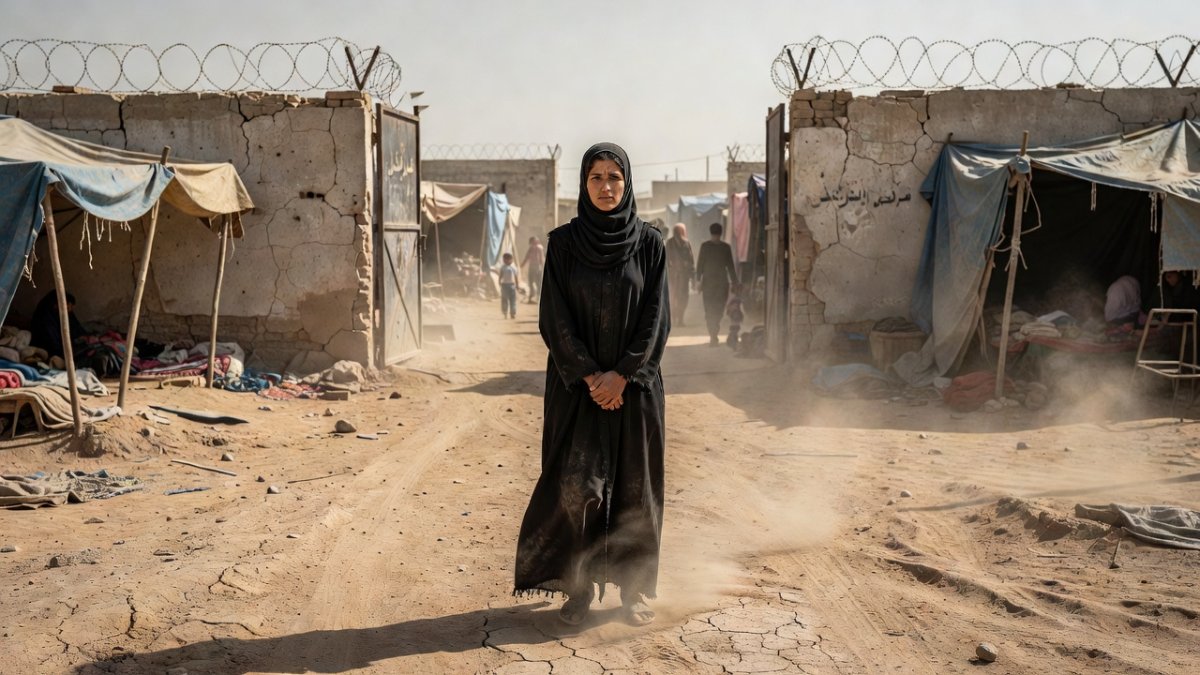
Displaced in al-Safia: Afnan al-Soroori's Confinement Begins
(Global 1 News)
In the al-Safia area of Yemen, 65 kilometres from Taiz, Afnan al-Soroori, 22, now spends her days inside the gates of a school turned displacement camp. A year ago Houthi forces advanced on her family's middle-class neighbourhood in Taiz, forcing the family of seven to abandon their home and all appliances. They arrived with nothing and found themselves sharing space with other urban families who had fled the same fighting.
Soroori once attended Taiz University and moved freely through the city wearing the fitted abayas common among educated young women. Today she cooks over two stones and washes clothes by hand in a courtyard bowl. Her hands have hardened from the labour, yet she says the physical work is easier to bear than the loss of movement.
She explains that any attempt to step outside the camp brings immediate harassment. Young men gather at the gates, shouting abuse or making sexual advances. The threat keeps her inside from dawn until after dusk, turning the camp into both shelter and prison. This is the lived reality of Yemen's internally displaced women — a war that follows them even after they have fled the front lines.
For Soroori and thousands like her, displacement did not end with reaching safety. It merely changed shape. The bullets of the Houthi advance were replaced by the verbal assaults of strangers, and the loss of her home was compounded by the loss of her freedom to move, to study, and to live without constant surveillance.
Yemen's War and the Secondary Crisis for Women
The conflict in Taiz, Yemen’s third-largest city, has created layers of hardship that extend far beyond the battlefield. Families like Soroori’s fled Houthi rebels only to encounter new restrictions shaped by displacement itself. Women who once studied at Taiz University now navigate daily survival within the confines of a school compound in al-Safia.
Displacement camps in rural areas such as al-Safia, 65 kilometres from Taiz, expose urban women to forms of control that were absent in their previous lives. The absence of electric appliances forces prolonged manual labour, yet the greater constraint remains the inability to leave the camp without facing harassment from local youths.
These conditions reflect how war amplifies existing gender inequalities. Women who previously enjoyed relative mobility in Taiz now measure their days by the boundaries of the camp gates. The shift from city life to rural confinement illustrates the secondary crisis that follows initial displacement.
Harassment at the Gates: The Failure of Protection
Afnan al-Soroori described the immediate barrier she encounters when attempting to step outside the camp. “If I try to leave, I will find several youths waiting to harass me,” she said. The pattern repeats each afternoon, with young men shouting abuse or making sexual advances that force her to remain inside.
She further explained the daily reality: “If you leave the camp, especially in the afternoon, you will hear bad words and see obscene gestures. Once this happens, it forces you to stay in the camp and not leave again.” The threat has become so consistent that Soroori has chosen permanent confinement within the school grounds.
Mariam Abdul-Qader, 23, who shares the same camp, reported similar experiences despite attempts to blend in. Even when women leave in groups, the harassment persists. Abdul-Qader noted that local youths recognise displaced women by their walk or sandals, continuing the pattern of verbal abuse regardless of efforts to adapt.
Urban-Rural Divides Sharpened by Conflict
The arrival of families from Taiz has highlighted deep cultural differences between urban and rural communities in al-Safia. Soroori’s fitted abayas, common among students at Taiz University, stand in contrast to the more conservative dress worn by local women. This difference has become a focal point for tension.
Local residents have expressed frustration that the newcomers disrupt long-standing customs. Sheikh Mohammed Gobah told MEE that sexual harassment had regrettably become a major problem in the area, yet he attributed it to the immodesty of the city women rather than the actions of local youths.
Displaced women such as Mariam Abdul-Qader have tried wearing the same dress as women in the al-Safia area, yet recognition by sandals or manner of walking still draws abuse. The clash reveals how conflict forces urban families into environments where their previous norms are viewed with suspicion.
The Collapse of Traditional Support Structures
Soroori’s father, along with other men in the camp, appealed to local tribal elders and religious leaders in the village mosques. He recounted the response: “We went to the mosques in the village and told the religious people about this problem, but all of them were against the women and criticised their fashionable clothes and loud voices.”
The appeals produced no protection. Instead of addressing the harassment by local youths, community leaders directed criticism toward the displaced women. This outcome left fathers with no option but to instruct their wives and daughters to remain inside the camp indefinitely.
Soroori observed that the city families reject the interpretation of Islam and Yemeni culture offered by the villagers, yet they lack any means to change the situation. The failure of these traditional channels has reinforced the sense of isolation felt by women who once moved freely in Taiz.
War's Disproportionate Burden on Women
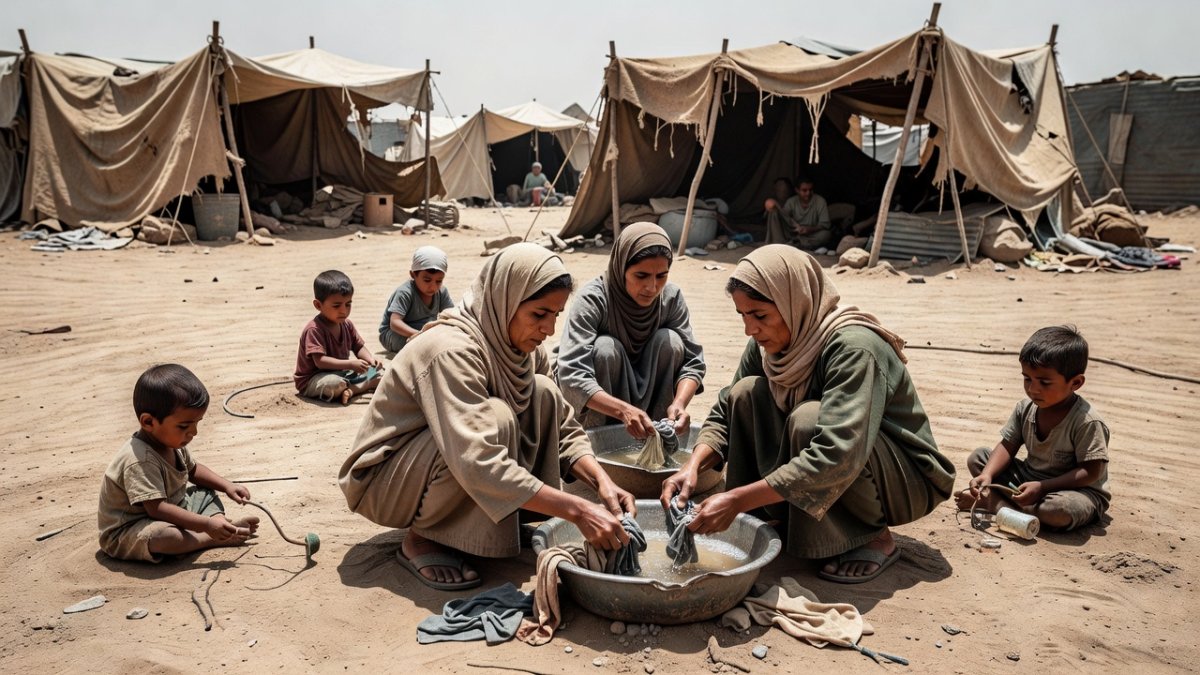
(Global 1 News)
The experiences of Afnan al-Soroori and Mariam Abdul-Qader illustrate how armed conflict imposes distinct restrictions on women after they reach supposed safety. The loss of household appliances and the need for manual labour compound the psychological weight of lost independence.
Abdul-Qader expressed the cumulative toll: “I hate this atrocious war that drove us away from our houses and forced us to accept life among these savage people who don't appreciate our suffering.” Her words capture the double displacement felt by women who fled Houthi advances only to face new forms of confinement.
Women in the al-Safia camp have grown close over the past year, yet even collective movement offers limited protection. The pattern of harassment at the gates shows how gender-based restrictions become entrenched when external authorities fail to intervene.
A Call for Accountability and Protection
Soroori has accepted that she cannot enjoy the green land visible beyond the camp because no one can help her in this area. Her decision to remain inside at all times reflects the absence of any effective mechanism to ensure safety for displaced women.
The situation in al-Safia demonstrates the need for protection measures that address harassment specifically targeting urban women in rural displacement settings. Without such steps, the confinement described by Soroori and Abdul-Qader will continue to shape daily life for families who fled Taiz.
Sheikh Mohammed Gobah acknowledged that sexual harassment had become a major problem, yet the responses from local leaders have so far placed the burden on the women themselves. Sustained attention to these accounts remains essential if displaced women are to regain any measure of the freedom they once held in Taiz.
By Fatima Al-Rashid, Staff WriterThis article was produced with AI-assisted research and editorial support. Reporting is based on sources cited in the article.
What's Your Reaction?
 Like
0
Like
0
 Dislike
0
Dislike
0
 Love
0
Love
0
 Funny
0
Funny
0
 Wow
0
Wow
0
 Sad
0
Sad
0
 Angry
0
Angry
0

Editor-in-Chief at Global1.News. Atlanta-based journalist who cuts through the BS and tells it like it is. Lead anchor, host, and the voice you hear when the spin stops and the truth starts.













Comments (0)