
The billion-shekel industry celebrating on the backs of pre-army youth
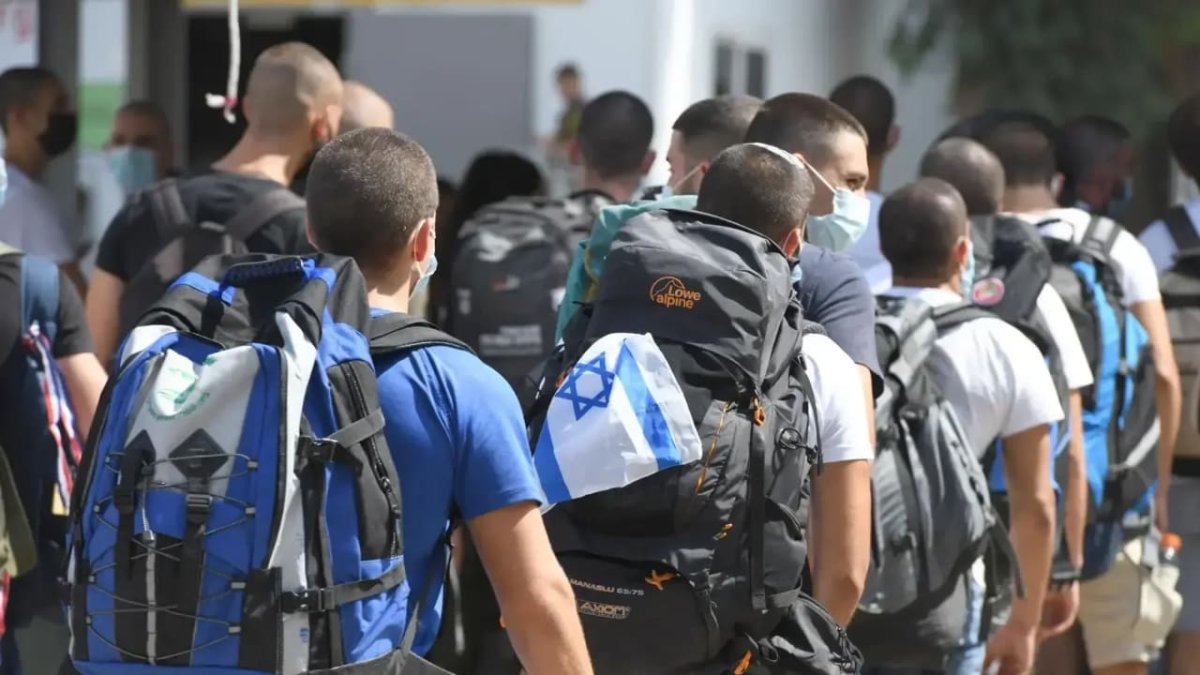
<h2>The Quiet Shift in Israel's People's Army</h2> <p>The old and holy Israeli equation of the people's army has undergone a quiet privatization. Even before the average pre-army youth manages to don B-uniforms at the induction center, they already become a captive customer in a breached, competitive, and aggressive market. Every step on the way to the IDF now carries a clear price tag that parents must consider. This development affects families across Israel as they navigate the path from civi

The Quiet Shift in Israel's People's Army
The old and holy Israeli equation of the people's army has undergone a quiet privatization. Even before the average pre-army youth manages to don B-uniforms at the induction center, they already become a captive customer in a breached, competitive, and aggressive market. Every step on the way to the IDF now carries a clear price tag that parents must consider. This development affects families across Israel as they navigate the path from civilian life to military service in units that defend the country's borders.
Teenagers with peak motivation dream of a coveted elite commando unit or a golden entry ticket to high-tech through technology units. On the other side stand exhausted parents who are ready to swipe thousands of shekels just to buy their child an equal chance. The system places candidates according to relative scores that determine future roles in the IDF. This dynamic plays out in cities like Tel Aviv and Jerusalem where families discuss options amid ongoing regional security demands.
The competition begins long before induction and touches every aspect of pre-military preparation. Parents weigh costs against the need for their children to serve effectively in an army that faces threats from multiple directions. The result is a market that has grown around the IDF's placement processes without replacing the core structure of conscription. Israeli society continues to value military service as a shared national responsibility even as these private options expand.
The DAPAR Test and Its Growing Preparation Market
The first expense arrives around the DAPAR test, the psychotechnical exam. The score between 10 and 90 is determined in comparison to the rest of the examinees and affects placement, invitations to intelligence selections, and entering officer training which requires at least 60. The veteran KABA score was canceled and replaced by new suitability data including a dedicated score for officer training and the Yom Meah assessment. These changes shape how pre-army youth from across the country prepare for their roles in defending Israel.
The IDF provides a free practice software on the Mitgaysim website for all candidates. Private institutes sell digital kits from NIS 39, simulations with personal guidance for about NIS 500, and a package of private lessons reaches NIS 1,500. A private psychodidactic diagnosis costs between NIS 1,500 and NIS 4,500. Families in the West Bank settlements and central Israel alike consider these options as they plan for their children's future contributions to national security.
In the US the ASVAB test prep costs 30 to 80 dollars per hour while in India a full preparation boarding school charges up to 350,000 rupees a year which equals about NIS 11,000. These international comparisons highlight how Israel's market has developed around the specific needs of its conscript army. Parents seek every available tool to improve their child's relative standing in the DAPAR results. The process connects directly to the IDF's need for qualified personnel in intelligence and command positions.
Medical Profiles and Vision Correction Procedures
Elite units require a profile of 97. Pre-army youth who wear glasses with a prescription of up to 7 receive a 97 with a vision clause. A prescription higher than 7 lowers the profile to 72. This medical threshold influences which young Israelis can pursue the most demanding combat roles that protect the nation's borders from Gaza to the northern front.
Laser surgery is recognized by the IDF with three months deferment then profile redetermination. Assuta Optic reports a dozens of percent increase in pre-enlistment youth undergoing this procedure. Families calculate the financial and scheduling impact of such medical steps alongside regular school and training commitments. The decision often determines whether a teenager can aim for units that require top physical standards.
The profile system remains central to IDF placement decisions across all branches. Parents in places like Beersheba and Haifa discuss these medical options as part of broader preparations for service. The increase in procedures reflects the high motivation among youth to meet the requirements for elite positions. This trend ties into Israel's ongoing need for capable soldiers in technologically advanced and physically demanding roles.
Preparation Courses for Technological Units
Technological unit preparation has become a significant expense for many families. A Calcalist investigation found dedicated courses by John Bryce College for about NIS 20,000. These programs target the skills needed for entry into units that support Israel's defense technology edge. Pre-army youth from across the country enroll with the goal of contributing to cyber and intelligence efforts.
Pre-military academies surged in 2025-2026 combining cyber, software, leadership, and fitness for NIS 9,000 to NIS 12,000 a year. The academies prepare candidates for the competitive selection processes that feed into high-demand IDF positions. Parents view these investments as a way to give their children an advantage in a system where scores determine access. The programs operate alongside regular high school studies in cities throughout Israel.
The focus on technology reflects the IDF's growing reliance on advanced capabilities in regional conflicts. Families weigh the costs against the potential long-term benefits of service in units that often lead to civilian high-tech careers. This preparation market has expanded steadily as more youth target these paths. The academies and courses connect directly to Israel's security needs in an era of evolving threats.
Training for Elite Commando and Pilot Selections
Elite unit selection draws thousands of motivated pre-army youth each year. Shayetet 13, Sayeret Matkal, Shaldag, 669, Chovlim, and the pilots course attract candidates from every region of Israel. The path goes through Commando Day then selection trials lasting up to five days. These processes test physical and mental limits in ways that prepare soldiers for operations along Israel's borders.
Training frameworks run some weekly and some three times a week for years before induction. An online training program costs NIS 350 to NIS 395. Group guidance throughout high school accumulates to thousands of shekels in total expenses. Parents support these efforts because successful placement in elite units strengthens the IDF's operational capabilities.
The selections connect to Israel's need for highly trained forces capable of rapid response in varied terrains. Youth from Tel Aviv suburbs to northern kibbutzim participate in the same competitive environment. The training builds endurance and skills that serve both military and personal development goals. This segment of the market has grown alongside the prestige attached to these specific units.
Personality Suitability Assessments and Guidance
Personality suitability preparation involves institutes that employ psychologists and former psychotechnical interviewers. These sessions conduct simulations and feedback for NIS 300 to NIS 500 per meeting. Candidates practice responses that align with IDF expectations for various roles. The process helps pre-army youth present their strengths during official assessments.
Families integrate these sessions into broader preparation schedules that already include physical training and academic work. The guidance aims to improve performance in interviews that influence placement decisions. Israeli parents see this support as part of ensuring their children can contribute effectively to national defense. The market for such services has developed in response to the competitive nature of IDF assignments.
These assessments occur alongside other preparations and add to the overall financial commitment. Psychologists provide targeted feedback that candidates apply in subsequent practice rounds. The approach reflects the detailed evaluation system the IDF uses to match personnel with operational needs. This layer of preparation remains common among families pursuing officer tracks or specialized positions.
Equipment Requirements at Induction Time
The IDF distributes a kitbag, uniforms, shoes, and basic equipment at induction. The Meitav unit attaches a list of dozens of items from home including shirts, socks, bedding, watch, and flashlight. The Yoter club estimates the equipment basket ranges between NIS 700 and NIS 1,200 with an average of about NIS 950. These additional purchases complete the personal kit that soldiers carry during initial training periods.
The IDF provides a digital Stars Card two months before enlistment with an initial budget and at least 25 percent discount at arranged chains. Families use the card to manage costs for the required items. The list ensures uniformity while shifting some expenses to the private market. This system operates at induction centers across the country as new recruits begin their service.
Equipment needs connect to the practical realities of daily life in IDF bases from the south to the north. Parents plan these purchases as the final step before their children enter active duty. The average cost reflects choices between basic and upgraded versions of listed items. This stage marks the transition from civilian preparation to full military integration.
By Hannah Berg, Staff WriterWhat's Your Reaction?
 Like
0
Like
0
 Dislike
0
Dislike
0
 Love
0
Love
0
 Funny
0
Funny
0
 Wow
0
Wow
0
 Sad
0
Sad
0
 Angry
0
Angry
0










Comments (0)