
Dartmouth Fire Displaces Families, Closes Local Grocery
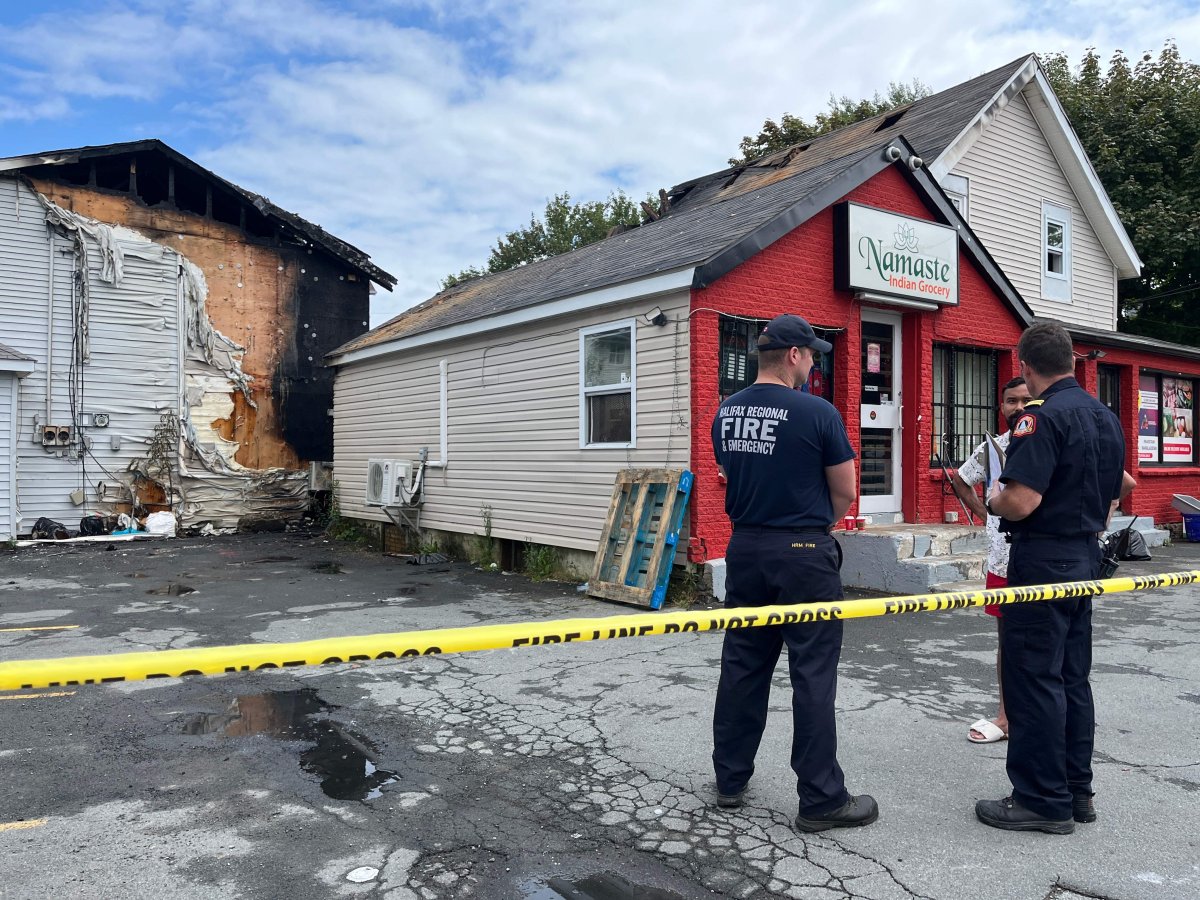
A sudden fire in Dartmouth has upended lives in a tight-knit neighbourhood, destroying homes and a vital local grocery store while exposing deeper strains on housing and community support across Atlantic Canada. As flames raced through mixed-use buildings on Gaston Road, residents faced immediate displacement in a region already grappling with low vacancy rates and rising costs.
Dartmouth Fire Displaces Families, Closes Local Grocery
Dartmouth, N.S. – this week —
Fire crews from across the Halifax Regional Municipality responded to a significant blaze on Gaston Road in Dartmouth on the evening of Monday. The incident destroyed three semi-connected buildings that housed both residential units and commercial space, including a grocery store that has since closed its doors. Residents were forced from their homes as flames spread through the structures just after 6 p.m.
The event highlights ongoing challenges with housing displacement in Atlantic Canada, where tight rental markets already strain many households. Halifax Regional Fire and Emergency coordinated the response, drawing personnel and equipment from multiple stations throughout the region to contain the fire and protect neighbouring properties.
Emergency Response by Halifax Regional Fire and Emergency
Halifax Regional Fire and Emergency received the initial call shortly after 6 p.m. on Monday. Crews arrived to find fire actively involving three linked buildings on Gaston Road. The mixed-use structures contained apartments above and beside commercial space, a common layout in older Dartmouth neighbourhoods.
Firefighters worked through the evening to bring the blaze under control. Additional units travelled from stations across the Halifax Regional Municipality to support the effort. No injuries were reported among residents or first responders, though the buildings sustained extensive damage that rendered them uninhabitable.
Halifax Regional Fire and Emergency operates as a unified service across the entire Halifax Regional Municipality, encompassing dozens of stations that cover urban, suburban, and rural zones from Dartmouth to the Eastern Shore. In responding to the Gaston Road incident at 6 p.m. on Monday, multiple stations from the Dartmouth district were dispatched to address the three linked mixed-use buildings, deploying a combination of pumper trucks for water supply and suppression alongside aerial ladder trucks to access upper levels and conduct ventilation. This coordinated approach reflects the municipality's emphasis on rapid resource allocation, where initial units establish incident command while subsequent arrivals focus on containment to prevent spread through shared structural elements. Mutual aid protocols within the Halifax Regional Municipality allow seamless integration of crews from adjacent districts, ensuring that even during peak demand periods, sufficient personnel and apparatus remain available without depleting coverage elsewhere.
Typical response times in the Dartmouth area average between four and six minutes for the first arriving unit during evening hours, supported by strategic station placement and traffic signal pre-emption systems that prioritise emergency vehicles. Firefighter safety protocols, mandated under provincial occupational health standards, require full personal protective equipment, two-in-two-out accountability systems, and continuous air monitoring during interior operations, particularly in older mixed-use structures where hidden voids can accelerate fire progression. These measures not only protect responders but also enable more effective rescue and overhaul phases, reducing the likelihood of re-ignition after initial knockdown. Analysis of such responses highlights how integrated training across the municipality enhances interoperability, allowing crews to adapt quickly to complex scenarios involving both residential and commercial occupancies.
Practical implications of this response model include reduced property loss through aggressive early intervention and improved outcomes for surrounding neighbourhoods by limiting smoke and water damage. Historical context from previous multi-building incidents in the region demonstrates that pre-incident planning and regular joint exercises between stations have shortened overall incident durations, freeing resources for concurrent calls. Policy details embedded in municipal bylaws further require annual equipment inspections and staffing minimums that directly influence operational effectiveness during events like the Gaston Road fire.
Displacement of Dartmouth Residents and Housing Pressures
Several households lost their homes in the fire. Finding immediate alternative accommodation remains difficult in the Halifax area, where vacancy rates stay low and rents have risen steadily in recent years. Atlantic Canada continues to face broader housing affordability concerns that affect families displaced by sudden events such as this one.
Municipal officials are working with local agencies to identify temporary shelter options. The situation underscores the vulnerability of residents in older multi-unit buildings when fire occurs. Community organisations in Dartmouth have begun organising donation drives for clothing and household items.
The Halifax rental vacancy rate has been reported near one per cent in recent housing market analyses, creating acute challenges for households displaced by the Gaston Road fire as they seek immediate temporary accommodations in an already constrained market. Average rents in Dartmouth have risen by more than twenty per cent over the past three years, outpacing wage growth and placing additional strain on families who must now navigate higher costs for short-term housing while insurance processes unfold. Comparisons to other parts of Atlantic Canada reveal similar pressures in Saint John and Charlottetown, yet Halifax's larger population amplifies competition, often forcing displaced residents to consider options in more distant suburbs or even temporary relocation outside the municipality. Municipal officials coordinate with provincial housing authorities to identify available units, but the tight supply means many households face prolonged hotel stays or reliance on extended family networks.
Impact on displaced families extends beyond immediate shelter needs, affecting school continuity for children, access to workplaces, and mental health amid uncertainty. Nova Scotia's Department of Community Services provides emergency social services that include financial assistance for food and transportation, yet these supports are time-limited and require rapid application through designated channels. Analysis of similar past displacements shows that families with limited savings or those in lower-income brackets experience the greatest barriers, sometimes leading to overcrowding in remaining affordable units. Policy details around rent control exemptions for new builds have contributed to overall market tightening, underscoring the need for expanded social housing stock to buffer against sudden losses like those at Gaston Road.
Practical implications involve longer-term municipal planning to integrate emergency housing protocols with existing rental registries, potentially reducing recovery times for affected residents. Historical context from Atlantic Canada's recurring housing shortages illustrates how fires in mixed-use buildings compound existing affordability crises, prompting calls for accelerated construction of purpose-built rentals. Community-level analysis suggests that proactive partnerships between the municipality and provincial bodies could mitigate future displacements by prioritising resilient housing development in high-density Dartmouth neighbourhoods.
Closure of Grocery Store and Effects on Local Business
One commercial tenant, a neighbourhood grocery store, was forced to close following the destruction of its premises. The business served residents in the immediate Gaston Road area and provided convenient access to fresh food for many households without vehicles.
Small commercial operations like this one form an important part of Dartmouth's local economy. Their sudden loss can ripple through nearby streets, affecting both customers and employees. Business owners in similar mixed-use buildings across the Halifax Regional Municipality often carry insurance, yet full recovery can take months.
The destruction of the neighbourhood grocery store located in mixed-use buildings on Gaston Road has created immediate challenges for residents in the surrounding area who rely on it for daily essentials. Many individuals without access to personal vehicles now face longer walks or the need to arrange alternative transportation to reach other food retailers farther away. This disruption affects not only convenience but also nutrition, as the store provided fresh produce, dairy, and other staples that supported quick shopping trips for families and seniors. Neighbouring businesses housed in the same structures have also suffered from the fire, with smoke and water damage forcing temporary closures that reduce foot traffic and compound economic strain across the block. Staff members employed at the grocery store and adjacent establishments have lost their immediate sources of income, leading to uncertainty about when or if positions will be restored once rebuilding begins.
Recovery for small businesses following a fire typically spans several months to over a year, depending on the extent of structural damage and the efficiency of insurance settlements. Commercial tenants must navigate a detailed insurance claim process that involves documenting losses, obtaining estimates for repairs or replacements, and coordinating with adjusters to verify coverage under their policies. Delays often arise from disputes over valuation or the need for municipal inspections before work can proceed. The municipality offers economic development support through grants, low-interest loans, and advisory services aimed at helping affected enterprises resume operations and retain local employment. These measures seek to stabilise the commercial corridor while encouraging investment in fire-resistant upgrades during reconstruction.
This incident alters the local food landscape by removing a convenient anchor that served a diverse mix of households in the mixed-use development. Residents may turn to more distant supermarkets or emerging delivery services, potentially increasing costs and reducing spontaneous purchases of healthy options. Over time, the absence could encourage new entrants into the market or prompt existing retailers to expand their reach, though the transition period leaves gaps in accessibility that community planning efforts must address to prevent long-term shifts in shopping patterns.
Role of Canadian Red Cross and Community Support Networks
The Canadian Red Cross has been contacted to assist displaced residents with emergency lodging and basic needs. In past incidents across Nova Scotia, the organisation has provided registration services, financial support, and connections to longer-term recovery programs.
Local volunteers and municipal emergency services frequently coordinate during such events. Dartmouth's strong sense of community resilience has already been evident, with neighbours offering assistance to those affected. These efforts reflect Canadian values of mutual aid and civic responsibility during times of crisis.
The Canadian Red Cross provides targeted services in Nova Scotia fire responses, including emergency lodging for displaced residents, financial assistance to cover immediate needs such as clothing and meals, and a structured registration process that connects individuals with available resources. Volunteers assess eligibility on site and facilitate access to temporary housing while longer-term solutions are developed in coordination with local authorities. This support helps bridge the gap until families can return to stable accommodations or secure permanent alternatives. Community organisations in Dartmouth have mobilised quickly to distribute donated goods, offer counselling, and coordinate volunteer efforts that supplement official relief channels.
Neighbourhood fundraising efforts commonly emerge after local disasters, with residents organising collection drives, bake sales, and online campaigns to raise funds for rebuilding or direct support to those impacted. Local churches and non-profit groups contribute by opening their facilities as donation centres or hosting information sessions that connect survivors with additional services. Dartmouth's sense of community resilience shines through these collective actions, where neighbours check on one another and share resources to speed recovery. Previous examples from Nova Scotian communities demonstrate how such rallying after fires leads to stronger social bonds and improved preparedness for future events, with lessons shared across regions to enhance response networks.
These combined efforts underscore the importance of layered support systems that blend formal agency involvement with grassroots initiatives. By addressing both material and emotional needs, the response helps maintain stability in the affected area while fostering a culture of mutual aid that extends beyond the immediate crisis.
Fire Safety Considerations in the Halifax Regional Municipality
Investigators from Halifax Regional Fire and Emergency will examine the cause of the fire once it is safe to enter the site. Older buildings with shared walls can allow flames to spread quickly, a factor that fire prevention officials have noted in previous reviews of the region's building stock.
Residents are reminded to practise regular smoke alarm checks and maintain clear escape routes. The municipality continues to promote public education campaigns on fire safety, particularly in areas with mixed residential and commercial properties. Such measures help reduce the likelihood of similar losses in the future.
The fire cause investigation process conducted by Halifax Regional Fire and Emergency involves systematic examination of the scene, interviews with witnesses, and analysis of burn patterns to determine origin and contributing factors in mixed-use structures on Gaston Road. Investigators document electrical systems, heating equipment, and potential ignition sources before compiling reports that inform prevention strategies. Nova Scotia building code requirements for mixed-use buildings emphasise fire separations between residential and commercial spaces, along with adequate exits and suppression systems to limit spread. Compliance inspections ensure these standards are met during construction or renovations, reducing risks in older developments.
Fire prevention programs in the Halifax Regional Municipality include public education campaigns on smoke alarm maintenance, escape planning, and safe storage of flammables, delivered through community workshops and school visits. Previous significant fires in Dartmouth have highlighted vulnerabilities in multi-unit buildings, prompting reviews of enforcement practices and updates to local bylaws. Lessons learned from those incidents stress the value of regular maintenance and tenant awareness in preventing recurrence. Recommendations for tenants in older multi-unit buildings include installing interconnected smoke alarms, keeping clear pathways to exits, and reporting hazards promptly to landlords or authorities.
These measures collectively aim to enhance safety across the municipality by combining regulatory oversight with proactive community engagement. Ongoing evaluations help adapt strategies to evolving building stock and population needs.
Tags: Dartmouth fire, Halifax Regional Fire and Emergency, Gaston Road, housing displacement, grocery store closure, Red Cross, Atlantic Canada, community resilience
By Alex Thompson, Staff Writer
This article was produced with AI-assisted research and editorial support. Reporting is based on sources cited in the article.
What's Your Reaction?
 Like
0
Like
0
 Dislike
0
Dislike
0
 Love
0
Love
0
 Funny
0
Funny
0
 Wow
0
Wow
0
 Sad
0
Sad
0
 Angry
0
Angry
0

Canada Correspondent at Global1.News. Based in Toronto, covering Canadian politics, energy, trade, and US-Canada relations. Provides the Canadian perspective on North American and global affairs.














Comments (0)