
Russian regions ration gasoline as fuel crisis deepens
The Spread of License-Plate Rationing At least six Russian regions have implemented an odd-even gasoline purchase plan in response to persistent fuel shortages. The central Oryol region introduced the license plate-based rationing scheme last month, establishing the model that other areas later followed. Under the rules, drivers whose license plates begin with an odd digit may
The Spread of License-Plate Rationing
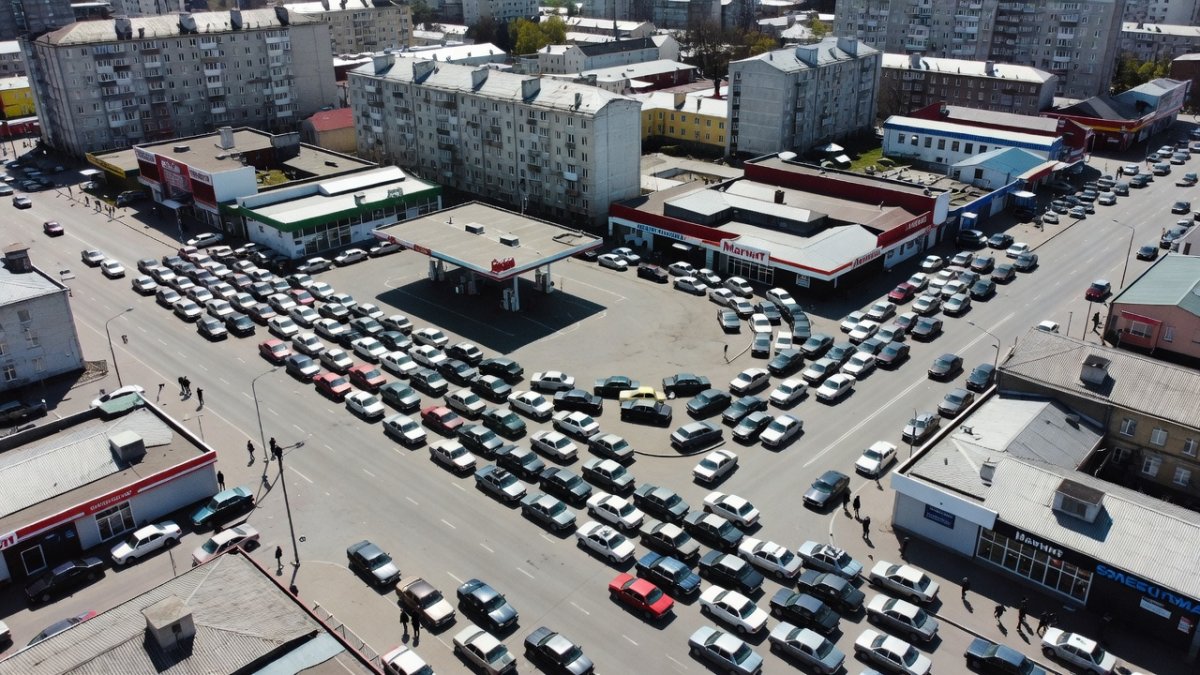
At least six Russian regions have implemented an odd-even gasoline purchase plan in response to persistent fuel shortages. The central Oryol region introduced the license plate-based rationing scheme last month, establishing the model that other areas later followed. Under the rules, drivers whose license plates begin with an odd digit may purchase gasoline only on odd-numbered days of the month, while those with plates starting with an even digit, including zero, are limited to even-numbered days.
The Nizhny Novgorod region, the republic of Mordovia, and the city of Astrakhan adopted identical restrictions on Thursday, according to a tally compiled by the exiled news outlet Meduza. The Pskov region joined the system on Friday. The Lipetsk and Kirov regions brought the same measures into effect on Saturday. Reports indicate that the Ivanovo, Tambov, and Yaroslavl regions are also considering comparable rules to manage demand at local stations.
These coordinated steps reflect the geographic spread of supply constraints that began in Oryol and quickly reached additional territories. Each new region applied the same digit-based calendar to allocate limited fuel volumes without altering the underlying mechanics of the original Oryol framework. The pattern demonstrates how authorities in multiple locations responded to identical pressures on gasoline availability.
Ukrainian Drone Strikes: The Root of the Crisis
Since the spring, Ukraine has directed drone strikes at most of Russia's oil refineries. The stated objectives include raising the costs of the Kremlin's full-scale invasion and disrupting daily life for Russian citizens. Facilities accounting for a large share of domestic gasoline output have either halted operations or scaled back production following the attacks.
The resulting shortfalls have produced nationwide fuel shortages and rising prices at the pump. On Friday the Ilsky Oil Refinery in Krasnodar, which has a capacity of 138,000 barrels per day, caught fire after a Ukrainian drone attack. Fires also broke out at two fuel depots in Taganrog, prompting evacuations in the area.
Russia's Defense Ministry reported that it intercepted 376 Ukrainian drones overnight during one such wave of strikes. Last month a major drone attack shut down the Gazprom Neft-operated refinery southeast of Moscow, an event that directly triggered shortages in the capital. These incidents illustrate the direct link between targeted infrastructure damage and the supply disruptions now affecting multiple regions.
Putin's Acknowledgment and Federal Response
In June, President Vladimir Putin acknowledged that Russia is facing a "certain shortage" of fuel caused by Ukrainian attacks. The federal government responded by introducing temporary export bans on diesel, gasoline, and jet fuel to retain supplies for domestic use. Authorities have also begun importing gasoline from abroad, including shipments from Belarus and India.
Industry sources told Reuters that supply problems in Russia's domestic fuel market are expected to improve later in July once refineries resume operations and fuel imports increase. The combination of export restrictions and foreign purchases represents the central government's immediate measures to stabilize availability.
Further Ukrainian attacks on energy infrastructure could nevertheless exacerbate existing problems, according to the same industry assessments. The temporary nature of the export bans and the reliance on imports underscore the fragility of current arrangements while refineries remain vulnerable.
Daily Life Disrupted: Queues, Rationing, Costs
Motorists across affected regions have faced long lines at gas stations as supplies tightened. The odd-even system was introduced precisely to manage these queues by spreading demand across the calendar. Many stations have imposed additional per-customer limits to stretch remaining inventories.
Trucking companies have reported higher shipping costs stemming from both fuel scarcity and the need to adjust routes around closed or rationed outlets. Road freight rates for grain have risen 20-30 percent in regions where the shortages are most acute. Farmers in the Krasnodar region alone face an estimated 14 billion rubles, or $184 million, in additional fuel expenses.
The cumulative effect has altered routine travel and commercial logistics for residents and businesses alike. Stations that remain open often close early once daily allocations are exhausted, forcing drivers to return on subsequent permitted days. These patterns of disruption have become common wherever the license-plate rules have been enacted.
Regional Spotlight: Bashkortostan
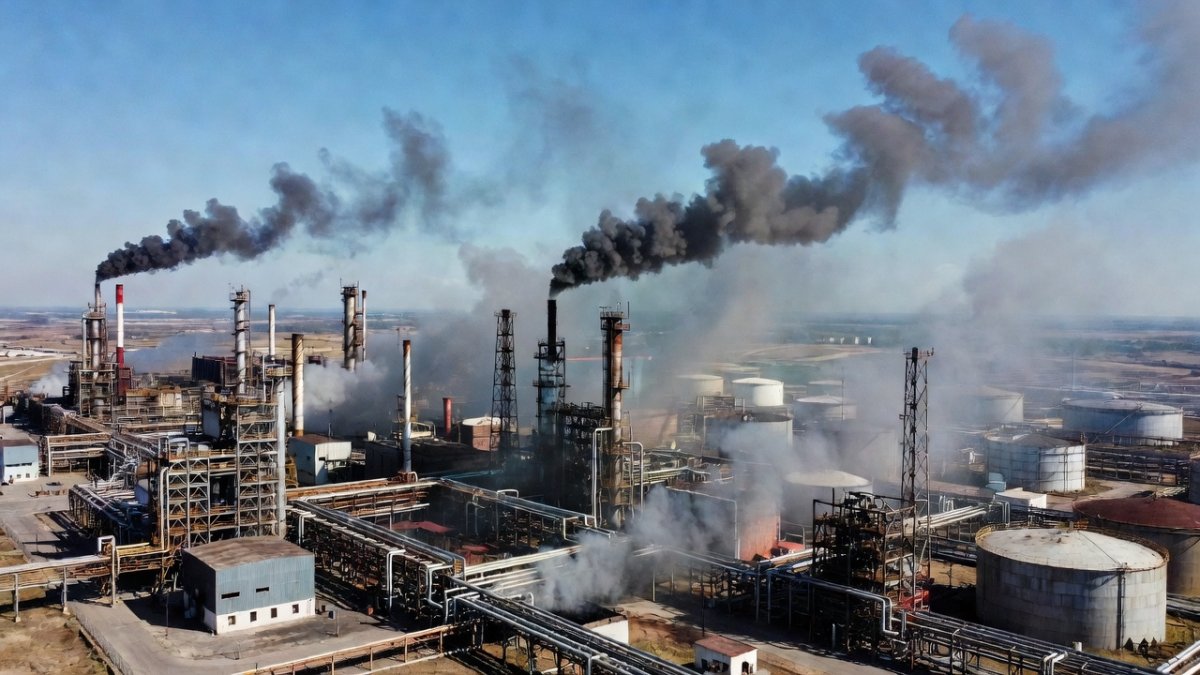
Bashkortostan, Russia's leading producer of diesel and gasoline, operates four refineries with a combined annual capacity of 34.1 million metric tons. In the republic's capital, Ufa, residents waited in line for hours to buy gasoline, with purchases rationed at 30 liters per customer. Many gas stations were forced to close entirely during peak demand periods.
An economist told RFE/RL that the core issue is not an absolute absence of fuel but rather the government's failure to address logistics and planning for timely delivery to all consumers. Deputy Prime Minister Alexander Sheldyayev confirmed that the republic had been tasked with ensuring the energy security of the entire country.
Authorities recorded up to 800 cars lining up at Ufa's gas stations at the height of the shortages. The concentration of vehicles at individual outlets highlighted the strain on local distribution networks despite Bashkortostan's substantial refining capacity. Trucking firms operating in the region have already passed increased fuel costs along supply chains.
Outlook: Fragile Recovery and Continued Risk
Industry sources anticipate that domestic supply problems will ease later in July as damaged refineries return to service and imported volumes from Belarus and India reach the market. The temporary export bans are expected to remain in place only until these additional supplies stabilize inventories.
Nevertheless, the same sources caution that renewed Ukrainian drone strikes on energy infrastructure could reverse any short-term gains. The experience of the Gazprom Neft facility southeast of Moscow and the Ilsky refinery in Krasnodar demonstrates how quickly production can be curtailed by a single successful attack.
Regional authorities continue to monitor the situation in Ivanovo, Tambov, and Yaroslavl, where similar license-plate restrictions remain under consideration. The spread of rationing measures across at least six regions already illustrates the breadth of the challenge facing Russia's fuel distribution system.
By Irina Volkov, Staff Writer
This article was produced with AI-assisted research and editorial support. Reporting is based on sources cited in the article.
What's Your Reaction?
 Like
0
Like
0
 Dislike
0
Dislike
0
 Love
0
Love
0
 Funny
0
Funny
0
 Wow
0
Wow
0
 Sad
0
Sad
0
 Angry
0
Angry
0
Russia/Eastern Europe Correspondent at Global1.News. Covering Russian politics, energy, security, and the shifting dynamics of the post-Soviet space. Provides clear-eyed analysis on one of the world's most opaque regions.










Comments (0)