
Russia Bans Diesel Exports as Ukrainian Strikes Cripple Refinery Capacity
The Ban Announcement and Its Immediate Scope Russia introduced a ban on diesel exports on Wednesday as part of a raft of measures to support the domestic fuel market. The prohibition applies to producers of the fuel and will remain in place until the July 31 deadline. Supplies under pre-existing government agreements, such as the deal with Mongolia, will be exempt from the rest
The Ban Announcement and Its Immediate Scope
Russia introduced a ban on diesel exports on Wednesday as part of a raft of measures to support the domestic fuel market. The prohibition applies to producers of the fuel and will remain in place until the July 31 deadline. Supplies under pre-existing government agreements, such as the deal with Mongolia, will be exempt from the restrictions.
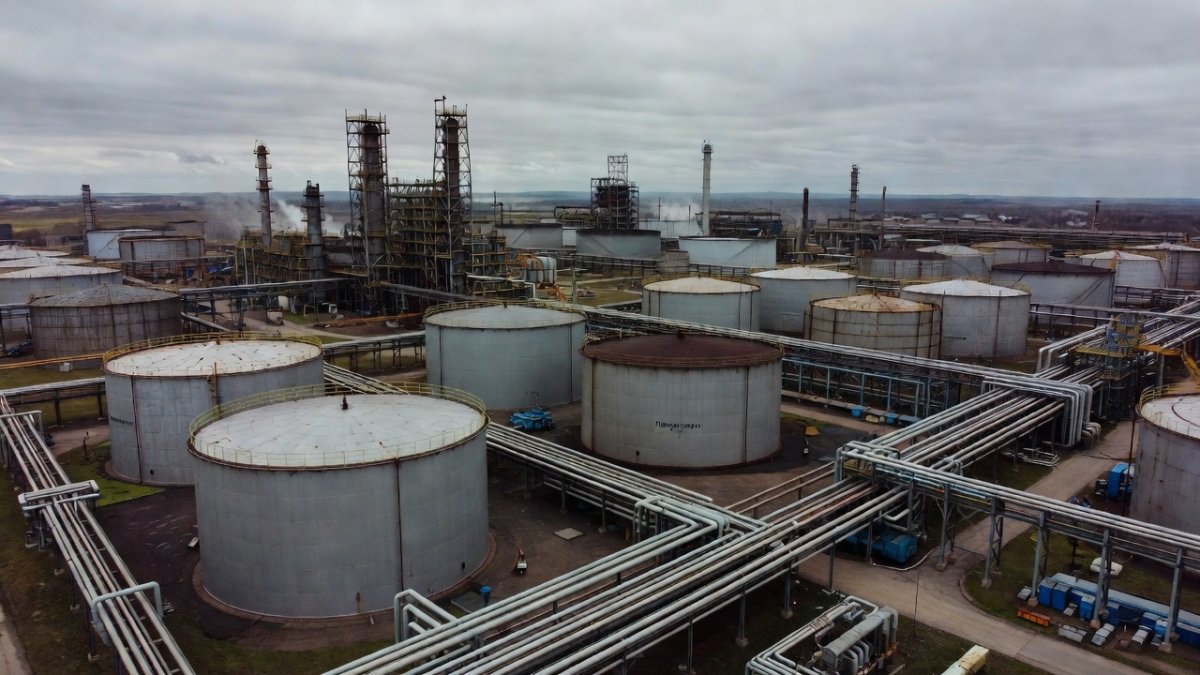
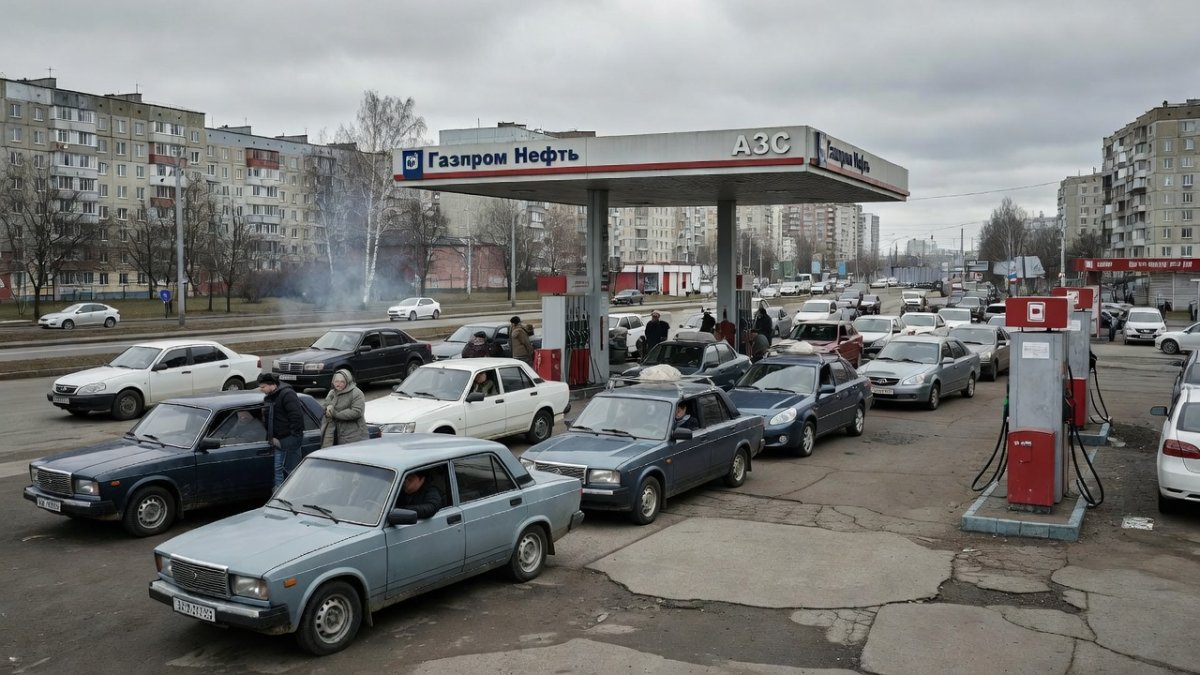
The decision followed systematic Ukrainian drone attacks on oil refineries that triggered gasoline shortages and price spikes across multiple regions. Drivers in many areas now face hours-long lines to refuel as supplies of both diesel and gasoline tighten. Government officials framed the export ban as a direct response to these infrastructure pressures.
Industry observers noted that the measure aims to redirect volumes previously shipped abroad back into Russian territory. The July 31 cutoff provides a clear timeline for the policy, though extensions remain possible if refinery output does not recover. Exemptions for Mongolia underscore the selective nature of the restrictions.
Deputy Prime Minister Novak's Televised Remarks
Deputy Prime Minister Alexander Novak addressed a televised government meeting chaired by President Vladimir Putin. He stated that the fuel situation remained complex and that the current situation at filling stations is causing concern among the public. Novak confirmed the introduction of the diesel export ban and explained that it would increase supplies to the domestic market.
He further announced that Russia would begin importing fuel in July. Industry sources indicated that seaborne imports of gasoline from India had already started the previous week. These comments positioned the ban as one element within a broader set of supply stabilization efforts.
Novak's remarks highlighted the urgency of redirecting diesel volumes away from foreign buyers. The televised format ensured the statements reached a wide domestic audience amid growing public anxiety. Officials emphasized that the policy would help ease pressure at pumps nationwide.
Putin's Assessment of Ukrainian Intentions
President Vladimir Putin told the same government meeting that Ukraine was attempting to damage Russia's economy through strikes on energy infrastructure. He added that the primary goal appeared to be creating a sense of anxiety in society. Putin asserted that this objective would remain unattainable given the high resilience of Russia's power system.
The president described Russia's energy infrastructure as possessing resilience among the highest in the world. His comments framed the Ukrainian campaign as an effort to sow domestic instability rather than achieve lasting economic disruption. Officials present at the meeting echoed the view that the system could withstand sustained pressure.
Putin linked the attacks directly to broader wartime objectives. He maintained that the resilience of Russian energy networks would prevent any significant societal breakdown. These statements came as refinery outages continued to affect fuel distribution in several regions.
Scale of the June Export Collapse
Russia's exports of seaborne diesel and gasoil plunged 39 percent from the previous month to around 1.8 million metric tons in June. The figure also represented a 46 percent decline from the 3.35 million tons recorded in the same month a year earlier. Shipping data confirmed the sharp contraction across major trade routes.
Turkey and Brazil together absorbed at least half of the available cargoes during June, remaining the dominant buyers even as overall volumes fell. Other destinations including Morocco, Egypt, and Senegal emerged as notable importers of Russian diesel in the same period. The data illustrated how sharply available export cargoes had diminished.
Analysts tracking vessel movements described June volumes as already approaching an effective export ban in all but name. The month-on-month and year-on-year drops reflected both reduced refinery output and deliberate policy choices. These figures set the stage for the formal prohibition announced on Wednesday.
Early July Export Volumes in Context
Russian diesel exports averaged just 187,000 barrels per day during the first eight days of July, according to data from Kpler. This compared with 535,000 barrels per day for the full month of July 2025 and 557,000 barrels per day in July 2021 before the Ukraine war began. The early-July reading signaled a further steep decline.
European trading sources observed that July volumes appeared on track to fall even below the already reduced June levels. The comparison with pre-war figures underscored the cumulative impact of refinery damage and export restrictions. Daily averages for the opening week of July highlighted the speed of the contraction.
Market participants noted that the 187,000 barrels per day pace reflected both physical constraints at export terminals and the looming formal ban. Historical benchmarks from 2021 and 2025 provided clear reference points for the scale of the reduction. These numbers reinforced concerns about future supply availability.
Record European Diesel Margins After the Ban
Benchmark European diesel margins rose to a record $60.17 per barrel following Russia's announcement of the export ban. The surge reflected immediate market expectations of tighter global diesel availability. Traders adjusted positions rapidly as the policy implications became clear.
The margin spike occurred against a backdrop of already elevated European energy prices. Market participants interpreted the move as confirmation that Russian supply would remain constrained through at least the end of July. The $60.17 level marked the highest reading on record for the LGOc1-LCOc1 spread.
Analysts suggested the price reaction could persist while uncertainty over Russian refinery repairs continued. The record margin illustrated how quickly international markets priced in the loss of Russian diesel cargoes. European buyers faced the prospect of sourcing alternative volumes at elevated costs.
Ukraine's Stated Objectives Behind the Strikes
Ukraine has stated that its attacks on Russian fuel facilities aim to limit Moscow's ability to wage war. Officials in Kyiv argue that disrupting energy supplies will constrain Russian military logistics and force negotiations. The campaign has targeted refineries and storage sites across multiple regions.
Drone strikes have systematically reduced Russian refining capacity, leading to domestic shortages that the export ban now seeks to address. Ukrainian statements emphasize that the operations target the economic foundations supporting the conflict. The strategy appears designed to create sustained pressure on Russian fuel distribution networks.
By focusing on energy infrastructure, Ukraine seeks to amplify the effects of existing sanctions. The resulting domestic fuel lines and price increases inside Russia form part of the intended outcome. Kyiv maintains that these measures advance the goal of compelling peace talks.
Impact on Russian Drivers and Fuel Imports
Drivers across many Russian regions have encountered hours-long queues at filling stations as diesel and gasoline supplies tightened. The shortages have prompted public concern that Deputy Prime Minister Novak acknowledged during the televised meeting. Government data showed that the situation at pumps had deteriorated noticeably in recent weeks.
Russia plans to begin importing fuel in July, with seaborne gasoline cargoes from India already arriving. These imports represent a reversal of the country's traditional export position. Officials hope the combination of the diesel export ban and incoming volumes will stabilize domestic availability.
The public anxiety noted by Novak stems directly from visible supply disruptions at retail outlets. Regional variations in queue lengths reflect uneven distribution of remaining refinery output. The shift toward imports marks a significant adjustment in Russia's fuel balance.
Outlook for Russia's War Economy and Trade Partners
The export ban and refinery outages together point to sustained pressure on Russia's ability to generate foreign currency from diesel sales. Turkey and Brazil, which absorbed at least half of June cargoes, now face sharply reduced availability through the July 31 deadline. Morocco, Egypt, and Senegal also stand to lose access to previous volumes.
Analysts suggest the policy could accelerate diversification efforts by former buyers seeking non-Russian diesel sources. The resilience claims made by Putin will face ongoing tests as repair timelines at damaged refineries extend. Domestic fuel stability remains tied to both import success and further strike outcomes.
Longer-term implications include potential shifts in Russia's energy export strategy beyond the current restrictions. The combination of physical damage and policy responses has already lowered seaborne diesel flows to levels well below pre-war benchmarks. Observers will monitor whether the July 31 deadline brings relief or further tightening.
 By Irina Volkov, Staff Writer
This article was produced with AI-assisted research and editorial support. Reporting is based on sources cited in the article.
What's Your Reaction?
 Like
0
Like
0
 Dislike
0
Dislike
0
 Love
0
Love
0
 Funny
0
Funny
0
 Wow
0
Wow
0
 Sad
0
Sad
0
 Angry
0
Angry
0

Russia/Eastern Europe Correspondent at Global1.News. Covering Russian politics, energy, security, and the shifting dynamics of the post-Soviet space. Provides clear-eyed analysis on one of the world's most opaque regions.














Comments (0)