
Trump-Netanyahu Strains Over Pickaxe Mountain Iran Nuclear S
As personal frictions between Washington and Jerusalem surface once more, the shadow of Iran's nuclear advances looms larger than ever over a region already strained by proxy wars and fragile ceasefires. President Trump's pointed rebuke of Prime Minister Netanyahu's planned disclosures on the Pickaxe Mountain site reveals not just tactical disagreements but a deeper recalibration of U.S. priorities amid shifting alliances. With Saudi normalization hanging in the balance an...
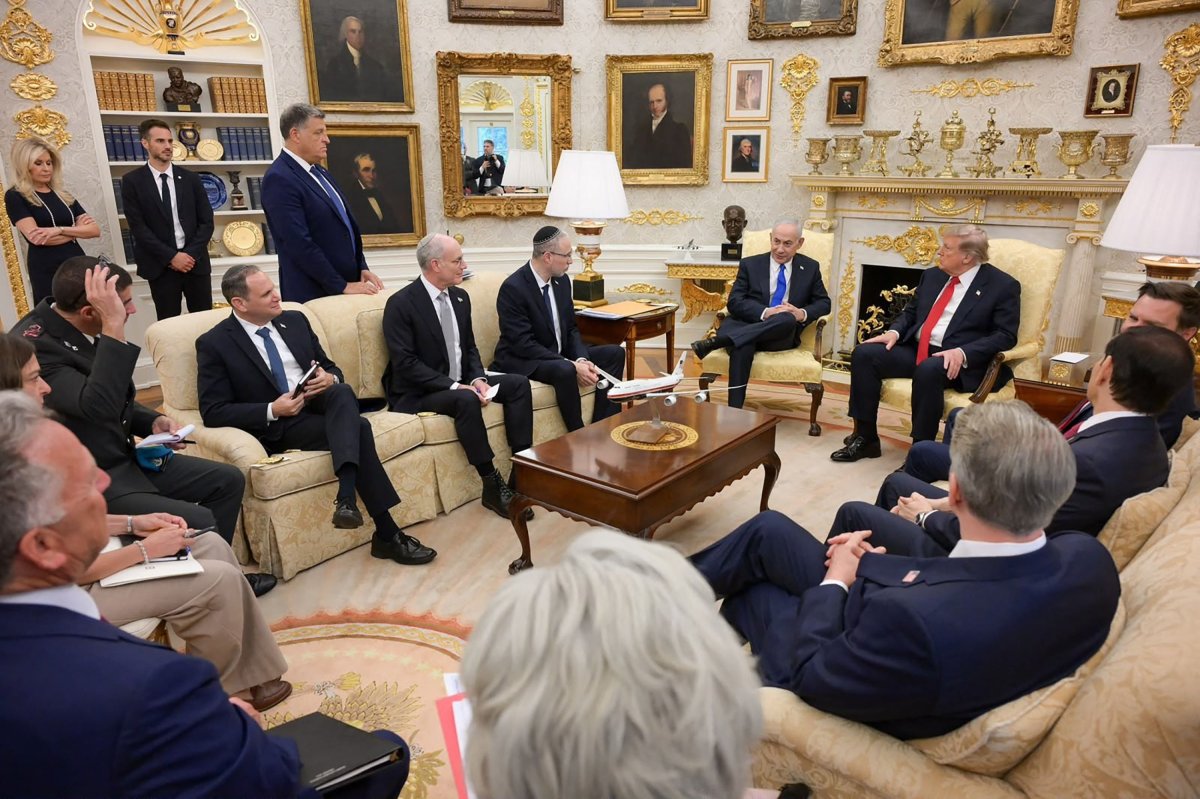
As personal frictions between Washington and Jerusalem surface once more, the shadow of Iran's nuclear advances looms larger than ever over a region already strained by proxy wars and fragile ceasefires. President Trump's pointed rebuke of Prime Minister Netanyahu's planned disclosures on the Pickaxe Mountain site reveals not just tactical disagreements but a deeper recalibration of U.S. priorities amid shifting alliances. With Saudi normalization hanging in the balance and domestic elections approaching, these strains could redefine the contours of Middle East diplomacy for years to come.
Trump-Netanyahu Rift Over Iran Nuclear Site Deepens
Washington, D.C. — Article continues...
Strains Surface in Trump-Netanyahu Relationship
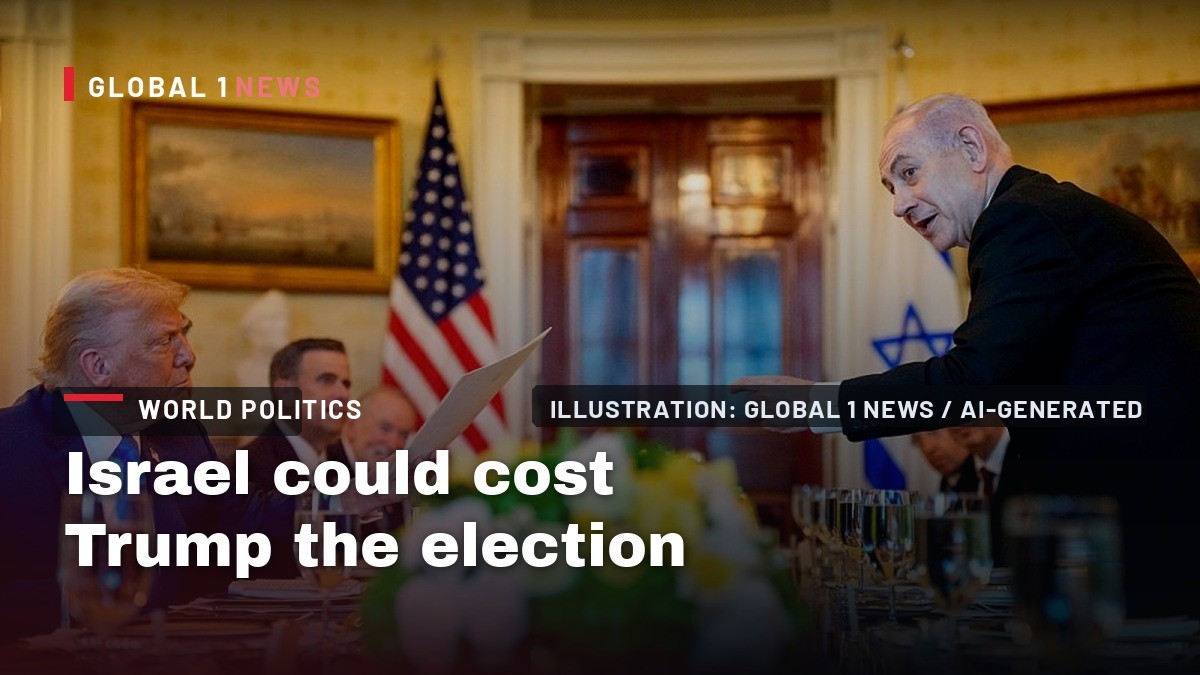
President Donald Trump expressed clear frustration with Israeli Prime Minister Benjamin Netanyahu before their White House meeting, reacting to leaked details of Netanyahu's planned remarks on Iran's nuclear activities. Trump questioned the need for public announcements, stating that Netanyahu was sharing information to keep the United States engaged rather than addressing concerns directly. This exchange highlighted ongoing personal and strategic frictions between the two leaders.
The remarks came after reports that Netanyahu intended to present intelligence on Iran's activities at Pickaxe Mountain. Trump's comments underscored a preference for private diplomacy over public disclosures that could complicate broader regional efforts.
These tensions echo the acrimonious June phone call in which Trump reportedly labeled Netanyahu "f**** crazy," a remark later confirmed publicly and rooted in disagreements over escalation thresholds. Such personal friction risks undermining coordinated responses to Iranian advances, particularly as both leaders navigate domestic political calendars that reward visible strength against Tehran.
Second-order effects could ripple through proxy networks, with Hezbollah and Iraqi militias potentially interpreting U.S.-Israeli discord as an opening to intensify low-level attacks on energy infrastructure across the Gulf, pressuring markets already sensitive to any disruption in Strait of Hormuz shipping lanes.
Focus on Pickaxe Mountain Nuclear Facility
Netanyahu's expected briefing centered on Pickaxe Mountain, described as a fortified underground site near one of Iran's primary nuclear installations. The leaked plans indicated Netanyahu would argue that Iran is expanding its nuclear capabilities there while claiming interest in a peace agreement. Trump dismissed the necessity of such a presentation, noting he already understood the situation without additional public input from Netanyahu.
This episode reflects Israel's consistent emphasis on Iran's nuclear infrastructure as a core security threat. The location's proximity to established nuclear sites raises questions about verification challenges and the limits of diplomatic pressure in altering Iran's trajectory.
Historically, similar concerns over hidden sites drove the 2015 JCPOA negotiations and the 2018 U.S. withdrawal, yet verification gaps persisted as Iran dispersed facilities deeper underground. The International Atomic Energy Agency and think tanks such as the Washington Institute have long flagged Pickaxe Mountain's dual-use potential, underscoring how past diplomatic breakthroughs like the 2003 Libya model failed to translate to Iran's fortified landscape.
Abraham Accords and Saudi Normalization Efforts
Discussions were also slated to cover the Abraham Accords, the normalization agreements Trump facilitated between Israel and the United Arab Emirates, Bahrain, Morocco, and Sudan. Trump has sought to extend these arrangements by conditioning a civilian nuclear cooperation deal with Saudi Arabia on Riyadh's accession. Saudi officials have maintained that any such step requires a credible path toward Palestinian statehood, a condition that remains unresolved.
The potential inclusion of Saudi Arabia carries significant weight for regional alignment against Iranian influence. Yet the linkage to Palestinian issues illustrates how bilateral gains can stall when core Arab priorities intersect with Israeli domestic constraints.
Past agreements, including the 2020 UAE and Bahrain pacts, demonstrated how economic incentives could bypass Palestinian preconditions, yet Saudi Arabia's insistence on statehood pathways now intersects with Crown Prince Mohammed bin Salman's Vision 2030 energy diversification goals. A stalled deal could push Riyadh toward deeper Chinese mediation, altering Gulf energy market dynamics and diluting U.S. leverage over OPEC+ production quotas.
Netanyahu's Domestic Political Objectives
Netanyahu approached the meeting with an eye toward his reelection campaign ahead of Israel's October 27 vote. Sources indicated he aimed to secure visible American backing to strengthen his position at home. Following the talks, Netanyahu released a video describing the exchange as excellent and marked by full partnership on preventing Iran from acquiring nuclear weapons.
White House press secretary Karoline Leavitt characterized both the Netanyahu and Zelenskyy meetings as positive and productive. The contrast between Trump's pre-meeting comments and Netanyahu's post-meeting assessment points to the careful management required to sustain the relationship amid electoral pressures.
Netanyahu's strategy draws on precedents like the 2015 congressional address against the JCPOA, where public U.S. alignment bolstered his domestic standing. With the October 27 election looming, failure to extract concrete commitments could embolden rivals within Likud, while success might stabilize coalition partners wary of renewed Gaza or Lebanon operations.
US-Iran War Dynamics and Ceasefire Pause
The meeting occurred against the backdrop of a paused U.S. airstrike campaign following the collapse of a ceasefire in the Iran conflict. Trump has signaled willingness to explore diplomatic avenues before resuming military action. This pause coincides with broader regional tensions that also involve Ukraine, where Trump held a separate closed-door session with President Volodymyr Zelenskyy.
Relations with Zelenskyy have improved as Ukrainian forces have slowed Russian advances. In contrast, Netanyahu encounters White House impatience over limited progress toward a wider settlement involving Iran, alongside criticism from segments of Trump's base wary of deeper American entanglement in Middle East conflicts.
The pause follows patterns seen after the 2019 Soleimani strike and subsequent de-escalation talks, where both Washington and Tehran tested red lines without full resumption of hostilities. Senator Lindsey Graham's memorial, attended by both Zelenskyy and Netanyahu, highlighted how U.S. lawmakers continue to link Ukrainian drone innovations with Israeli needs, potentially accelerating joint production that could reshape proxy confrontations from the Red Sea to the Caucasus.
Broader Strategic Calculus in the Middle East
The interplay between the Ukraine conflict and the expanding Middle East confrontation places both leaders at a crossroads. Netanyahu has oscillated between assertive actions against Iran-backed groups, such as Hezbollah in Lebanon, and periods of restraint urged by Washington. An earlier acrimonious phone call in June, during which Trump reportedly used strong language, exposed the depth of these disagreements.
Drone production cooperation was another anticipated topic, building on prior agreements for unmanned aerial vehicles. Such technical collaboration could enhance Israel's defensive posture while aligning with American interests in countering Iranian proxies across multiple fronts.
Ultimately, the White House encounter revealed the delicate balance Trump must strike between supporting a key ally and avoiding unnecessary escalation. Netanyahu's reelection timeline and Saudi Arabia's conditions for normalization add layers of complexity that will shape whether diplomatic openings can prevent further deterioration in the Iran nuclear standoff.
Criticism from Trump's base, echoing isolationist voices at the Heritage Foundation, warns that deeper involvement could mirror the post-2003 Iraq quagmire, diverting resources from domestic priorities. Meanwhile, any Saudi normalization breakthrough might realign energy markets by unlocking new investment flows, though persistent Palestinian statehood demands risk freezing progress and strengthening Iranian narratives of Arab disunity.
These frictions also expose the limits of transactional diplomacy in a theater where historical grievances and ideological commitments often override short-term deals. As Iran continues to exploit verification gaps and disperse its nuclear assets, the absence of unified U.S.-Israeli signaling risks emboldening Tehran's regional partners to test boundaries in ways that could draw multiple fronts into simultaneous conflict.
Looking ahead, the interplay of electoral timelines in both Washington and Jerusalem with Riyadh's calculated hedging toward Beijing suggests that any breakthrough on normalization will require more than bilateral incentives; it will demand a credible framework that addresses Palestinian aspirations without alienating core Israeli security concerns. Failure to bridge these gaps could accelerate a multipolar Middle East where U.S. influence wanes relative to other powers.
By Malik Hassan, Staff WriterThis article was produced with AI-assisted research and editorial support. Reporting is based on sources cited in the article.
What's Your Reaction?
 Like
0
Like
0
 Dislike
0
Dislike
0
 Love
0
Love
0
 Funny
0
Funny
0
 Wow
0
Wow
0
 Sad
0
Sad
0
 Angry
0
Angry
0
Middle East Correspondent at Global1.News. Based in Beirut, covering politics, conflict, energy, and society across the Middle East. Brings context and depth to a region often reduced to headlines.










Comments (0)