
West Bank Annexation Race Intensifies Before October Vote
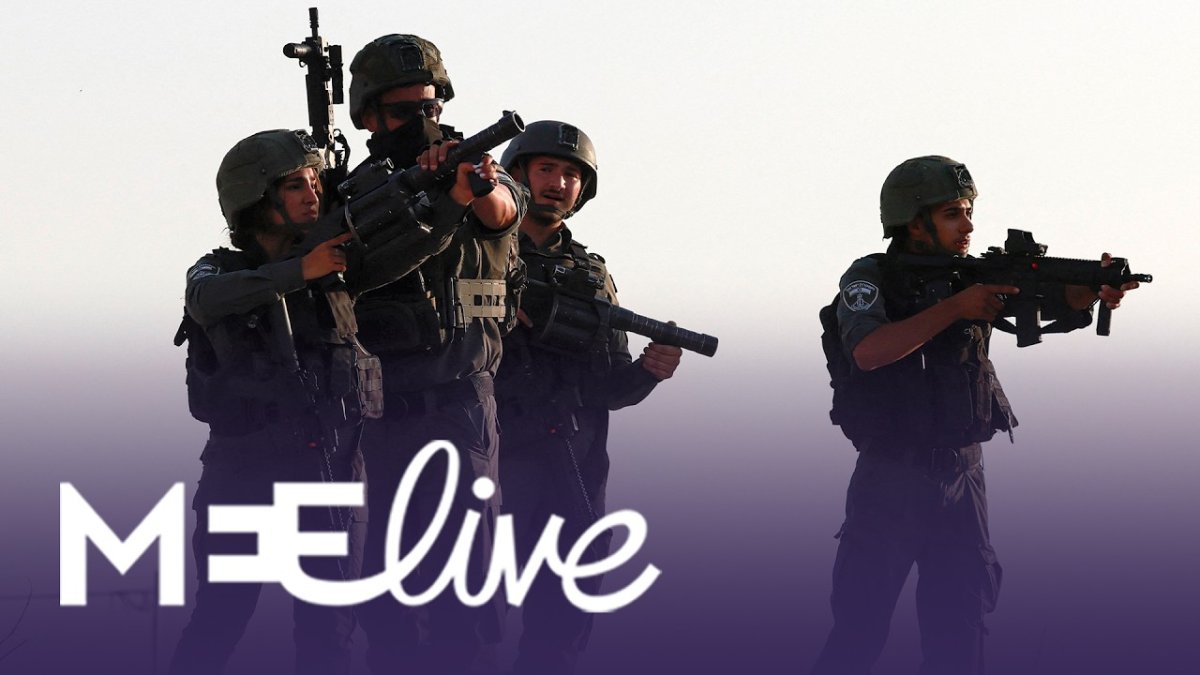
In a recent Middle East Eye video report on Israel's push to annex the West Bank before elections, footage and interviews capture the escalating violence in villages like Tell, southwest of Nablus, where armed settlers clashed with residents on July 24, 2026. The report highlights how such incidents fit into broader efforts to establish irreversible control ahead of the October 2026 vote.
In a recent Middle East Eye video report on Israel's push to annex the West Bank before elections, footage and interviews capture the escalating violence in villages like Tell, southwest of Nablus, where armed settlers clashed with residents on July 24, 2026. The report highlights how such incidents fit into broader efforts to establish irreversible control ahead of the October 2026 vote. Palestinian voices in the footage describe the human cost of these operations on daily life and land access.
West Bank Annexation Drive Heightens Tensions Before Polls
Ramallah, occupied West Bank – July 28, 2026 — A Middle East Eye investigation has brought renewed attention to Israel's accelerated measures in the occupied West Bank, where settler violence and military operations are reshaping communities ahead of the October 2026 Knesset elections. The report focuses on the village of Tell, where clashes on July 24 left four Palestinians and two Israelis dead amid raids that included hospital searches and widespread lockdowns. These developments occur as the government advances civilian control measures first approved in February 2026, drawing condemnation from over 80 UN member states as steps toward de facto annexation.
The Tell Massacre and Its Aftermath
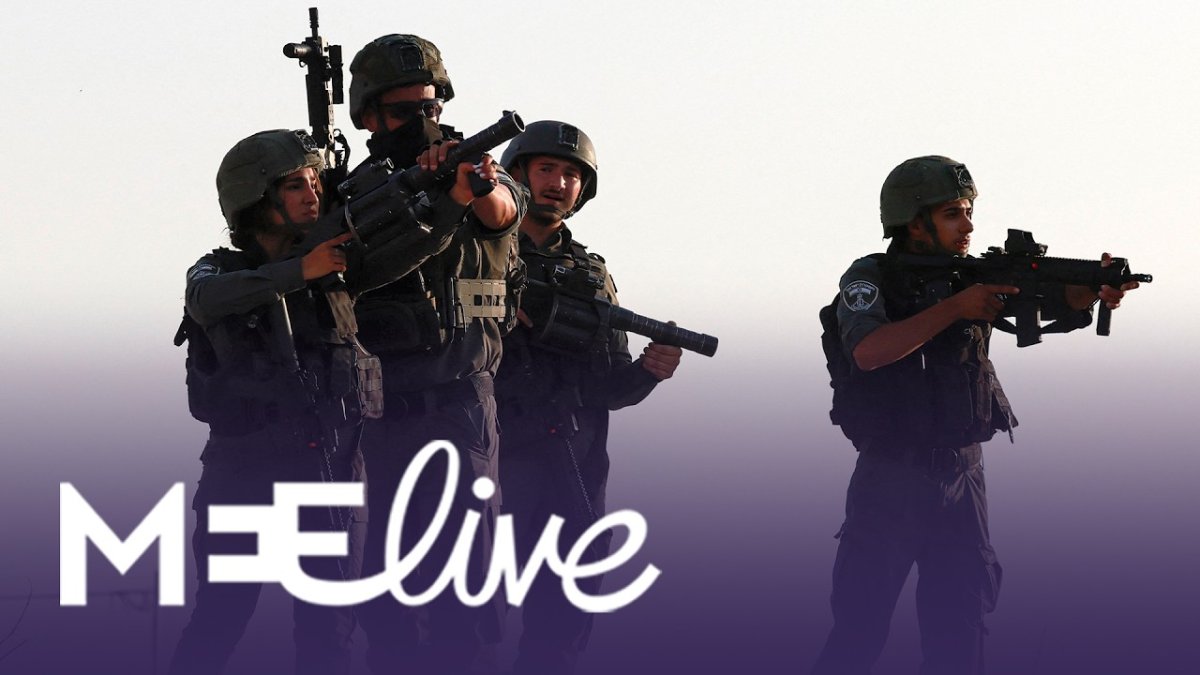
On July 24, 2026, dozens of Israeli settlers, some armed, entered the village of Tell in the occupied West Bank. The confrontation left four Palestinians and two Israelis dead. Israeli military forces responded with extensive counterterrorism operations, deploying five additional combat companies, raiding a hospital, detaining hundreds, and placing dozens of communities under lockdown. Homes were set alight and two mosques burned, with the Hebrew word revenge scrawled on one scorched wall.
Palestinian residents described the raids as collective punishment that disrupted daily life, medical access, and movement. Jamal Juma', head of the Stop the Wall campaign, noted how such incidents accelerate displacement from generational lands. Families recounted soldiers entering homes without warrants and separating parents from children during prolonged searches.
One resident described watching soldiers remove medical equipment from a local clinic, leaving patients without access to basic care. Agricultural infrastructure suffered heavy damage, with olive groves sustaining households for decades left harmed and irrigation systems destroyed. These losses compound existing pressures on local economies already strained by movement restrictions.
State-Backed Settler Violence: A Systemic Pattern
The events in Tell form part of a broader transformation under Israel's most right-wing government. Since 2023, settlement expansion has surged alongside the incorporation of armed settlers into territorial defense units and the legalization of dozens of outposts. Orly Noy, an Iranian-Israeli political activist and candidate in the upcoming elections, highlighted how this integration blurs lines between civilian settlers and official security forces.
The current approach differs from earlier settlement waves following the Oslo Accords. Residents near Nablus describe how armed patrols now operate with greater coordination, limiting access to water sources and grazing areas. Human rights monitors have documented cases where families lost access to ancestral lands after repeated attacks on livestock.
One shepherd near Tell explained that repeated incidents forced him to sell part of his flock, reducing household income. Peace Now has tracked ongoing expansion trends that have affected thousands of dunams since 2023, contributing to further isolation of Palestinian communities. Such patterns reflect a shift toward more direct state involvement in settlement-related activities.
Racing Against the Election Clock
Israel appears focused on establishing irreversible facts on the ground ahead of the October 2026 Knesset elections, as Netanyahu's Likud party trails in polls. In February 2026, measures were approved to expand civilian control over the West Bank, a step described by over 80 UN member states as de facto annexation. These moves include accelerated outpost approvals and infrastructure projects that link settlements more tightly to Israel proper.
Previous attempts at formal annexation, such as proposals in the 1980s and 2010s, faced significant domestic and international pushback. The present acceleration appears designed to create administrative realities difficult to reverse after the vote. Infrastructure projects have included new road networks bypassing Palestinian towns, further isolating communities from markets and services.
Local economies face mounting agricultural losses as fields become inaccessible during operations. Palestinian farmers report reduced yields and higher costs for transporting goods past checkpoints, affecting long-term sustainability of traditional livelihoods.
International Law and the Limits of Condemnation
International condemnation has come from the UN, EU, and more than 80 nations, yet no concrete enforcement actions have followed. Statements reference violations of the Fourth Geneva Convention and prior UN resolutions on settlement activity. Human rights organizations document how these policies affect movement permits, water access, and family separations across the West Bank.
UN Security Council Resolution 2334, adopted in 2016, reaffirmed that settlements have no legal validity. Subsequent statements from the EU have reiterated calls for adherence to the Geneva Conventions, yet member states have not implemented coordinated sanctions. The International Criminal Court has continued to examine the situation in the occupied territories, with potential implications for accountability mechanisms.
The ICJ advisory opinion on the legal consequences of the occupation continues to inform discussions on state responsibilities. Palestinian communities report ongoing challenges in accessing legal remedies amid these developments.
Life Under the Shadow of Annexation
Residents in villages near Nablus describe constant uncertainty from checkpoints, night raids, and settler patrols. Children attend schools under lockdown conditions, while elders recount how land once used for olive harvests now lies behind barriers or under new construction. Local economies suffer as markets close during operations and goods cannot reach buyers.
Cultural sites, including the burned mosques in Tell, represent deeper losses of community identity. School disruptions have become routine, with students reporting delays in reaching classes due to extended checkpoint waits. Teachers describe shortened school days and incomplete curricula affecting long-term educational outcomes.
Agricultural losses extend beyond immediate damage, with tourism-related income from visitors interested in historical sites declining in affected areas. Families emphasize the emotional toll of separation from ancestral lands passed down through generations.
Regional and International Response
The Arab League has issued statements condemning the escalation in settler violence and calling for international protection of Palestinian civilians. EU positions remain divided, with some member states advocating stronger measures while others prioritize diplomatic channels. The US administration under Trump has maintained support for Israel's security policies without endorsing formal annexation steps.
Jordan has expressed specific concerns that further annexation could destabilize its borders and affect the demographic balance in the region. The ICJ advisory opinion on occupation-related obligations continues to shape legal arguments presented by various international actors. Palestinian civil society groups have urged coordinated global action to address the humanitarian impacts documented in recent months.
Analysis and Implications
The combination of settler violence, military operations, and legal maneuvers points to a strategy aimed at permanence before the October vote. Interviews with figures like Jamal Juma' underscore Palestinian resilience amid displacement, while voices such as Orly Noy reflect internal Israeli debate. Should the election shift power, some measures might face review, though entrenched outposts and administrative changes could prove difficult to unwind.
Comparisons with earlier periods of settlement growth show that the current phase involves more direct state incorporation of civilian actors into security roles. Palestinian civil society organizations continue to document daily impacts on family structures and community cohesion. These trends suggest that any post-election policy shifts would encounter significant structural obstacles on the ground.
By Fatima Al-Rashid, Staff Writer
This article was produced with AI-assisted research and editorial support. Reporting is based on sources cited in the article.
What's Your Reaction?
 Like
0
Like
0
 Dislike
0
Dislike
0
 Love
0
Love
0
 Funny
0
Funny
0
 Wow
0
Wow
0
 Sad
0
Sad
0
 Angry
0
Angry
0
Gulf/MENA Correspondent at Global1.News. Based in Doha, covering Gulf politics, energy markets, diplomacy, and development across the Middle East and North Africa. Tracks the economic transformation of the Gulf states.











Comments (0)